NPC Seal of Registration
Esquire has been granted the NPC Seal of Registration in recognition of the successful registration of its DPO and DPS
© 2026 EsquireMag.ph, All Rights Reserved
watch now
More articles about: Climate Crisis
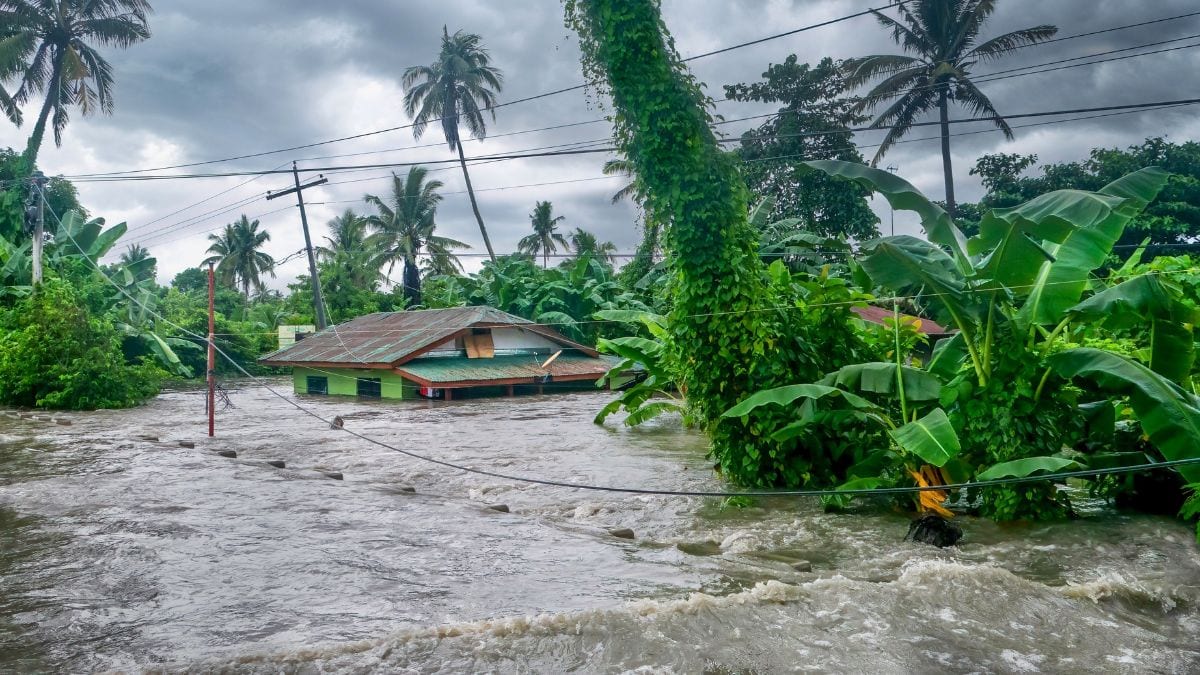
In a flood-prone village in Sorsogon, a community map revealed forms of queer care and knowledge that disaster planning had long overlooked.
...
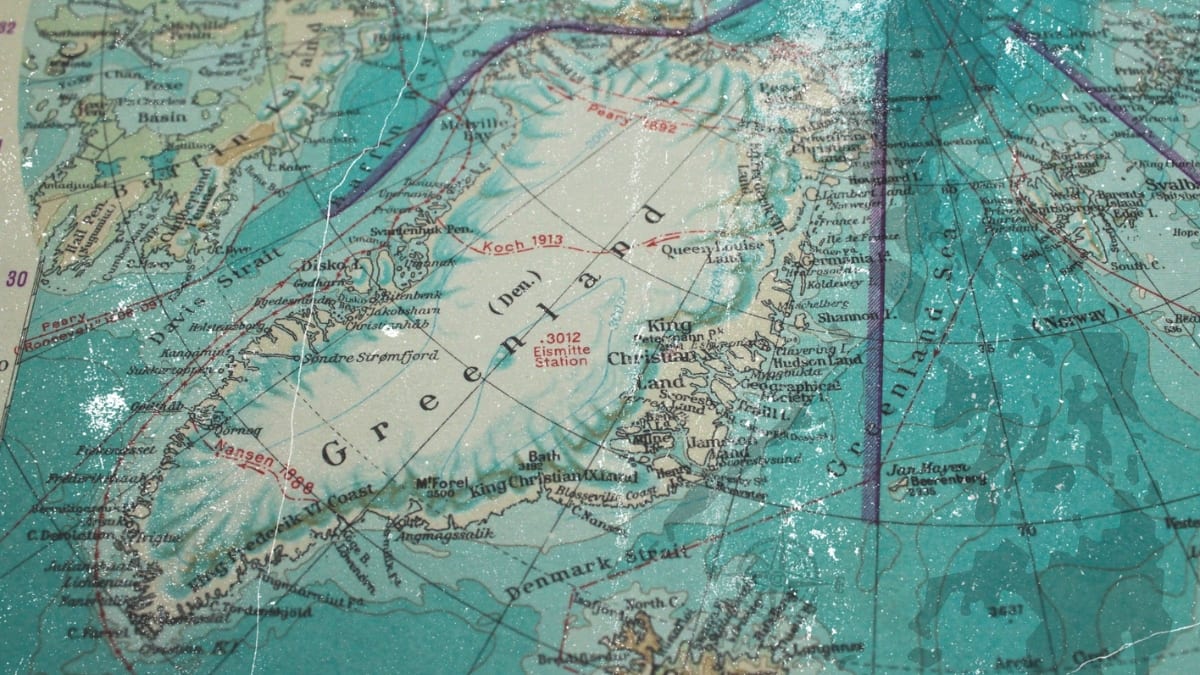
Or why Greenland’s crisis should matter to every Filipino.
...

Imagine if we actually protected our marine protected areas.
Carbon dioxide is a vital resource for life on Earth, specifically for photosynthesis of plants and for keeping the planet from freezing. But, as we know, too much of anything is bad. And the current amount of carbon dioxide in the air ...

We may be an ocean apart, but their actions fuel the disasters we endure.
Every year, powerful typhoons, rising sea levels, and extreme heat threaten the Philippines, displacing communities and destroying livelihoods. While our country is no stranger to these disasters, there is nothing normal about these events exacerbated by the accelerating effects of the man- ...
The agreement aims to get a slice of the P500-Billion climate resilience market.
An agreement that will establish the Climate Resilience Technology (CResT) platform has been signed between the Department of Science and Technology (DOST), DEVCON Philippines, and De La Salle University (DLSU). The CResT platform seeks to develop and scale climate tech solutions that ...

And what you need to know about heat index.
A heatwave was reported to affect nations across Southeast Asia on April 4, according to Swiss air quality technology company IQAir. This is attributed to both the El Niño event sweeping through the region and human-induced climate change, leading to ...
In a nutshell: it's not going to be pretty.
As climate change worsens, the Philippines is expected to bear the brunt of its worst effects. This means extreme heat waves, less crops ready for production, and, yes, much more severe typhoons. Based on the findings of the University of the Philippines- ...
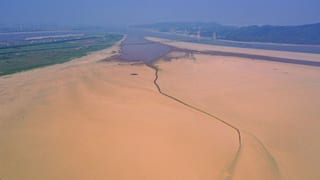
In a battered climate, opposites attract.
For two months, China has been boiling. Temperatures have regularly topped 104 degrees Fahrenheit. The Yangtze, the world's third-longest waterway, has gone dry. The country's hydroelectric system is crippled because of the lack of, well, hydro. Rural fruit farmers ...
It's because of what scientists call "forever chemicals."
A new study authored by Stockholm University scientists has concluded that rainwater in every place of the world is and will be unsafe for consumption.This is due to to the high levels of toxic chemicals like per- and polyfluoroalkyl substances (PFAs). ...
Load More Articles