• Man at His Best 2025
  • Long Reads
  • Style
  • Money
  • Wheels
  • Culture
  • Opinion
  • CORNER OFFICE
Search
Menu
Close
Close
  • Man at His Best 2025
  • Long Reads
  • Style
  • Money
  • Wheels
  • Culture
  • Opinion
  • Style
    • Fashion
    • Grooming
    • Watches
  • The Good Life
    • Pursuits
    • What She Wants
    • Mavericks
    • The Directory
    • The Noble Man
  • Culture
    • Food & Drink
    • Arts & Entertainment
    • Lifestyle
    • Tech
    • Movies & TV
    • Music
    • Books & Art
    • Design
  • Wheels
    • Cars
    • Motorcycles
    • Drive
  • Money
    • Industry
    • Wealth
    • Capital
    • Movers
  • Long Reads
    • Notes & Essays
    • ESQ&A
    • What I've Learned
    • Fiction
    • Features
  • Life
    • Sports
    • Health & Fitness
    • Women
    • Sex & Relationships
    • Travel
  • Politics
    • Opinion
    • News
  • COUPONS
  • About Us
  • Terms of Use
  • Privacy Policy

NPC Seal of Registration

Esquire has been granted the NPC Seal of Registration in recognition of the successful registration of its DPO and DPS

BIR Seal of Registration
© 2026 EsquireMag.ph, All Rights Reserved
Culture

If You Don't Believe Gaming is a Practical Career Choice, Alodia Gosiengfiao and Co. Would Like a Word

By Cyrian Agujo
Mar 16, 2020

Doctor. Engineer. Teacher. Nurse. Businessman. Gamer. Looks normal, nothing to see here. But just a few years ago, that last item would’ve raised eyebrows. “That’s not a legitimate career!” or “Go find a real job!” were just some of the usual comments.

Now though, even so-called “boomers” recognize the juggernaut of an industry that is gaming. Gaming companies are bigger than ever, gaming content creators have taken over social media, and pro-gamers earn millions of dollars every tournament. But doubts remain and the question is still: Is gaming in the Philippines really a legitimate career?

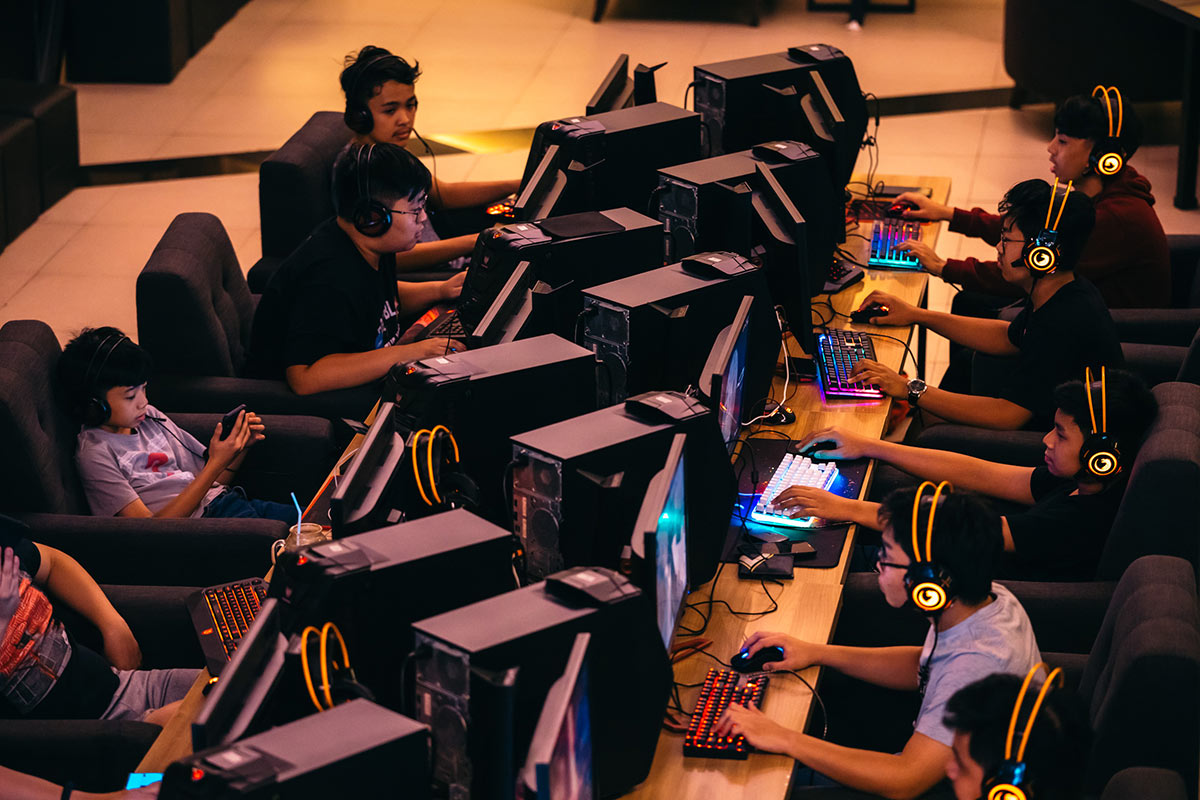
THe worldwide gaming industry was expected to hit $150 billion in revenues in 2019

article big image
PHOTO: JILSON TIU

Play with numbers

First off, numbers. In a report by analytics firm Newzoo, the global gaming industry was expected to hit more than $150 billion in revenues in 2019. This includes all form of gaming-related businesses: from game development and publishing to ad revenues and sponsorships. To put that into perspective, the entire Hollywood industry managed a meager $42.5 billion in 2019 according to analytics firm Comscore.

ADVERTISEMENT - CONTINUE READING BELOW

Gaming is three times bigger than Hollywood. Let that sink in.

Does this automatically mean you should go be a gamer or invest in the industry? Not quite, but here’s a thought: How can it become that big without the proper business structure and backend?

“Much like how it is for TV, what people see is already the finished product,” says Alodia Gosiengfiao, one of the top gaming personalities and cosplayers in Asia and co-founder of gaming talent agency Tier One Entertainment. “There are a lot of things that happen behind the scenes that people don’t know about. It’s as legitimate of a business as it gets.”

Alodia Gosiengfiao is one of the OG gaming and cosplay influencers. Now she's also set up a talent management company

article big image
PHOTO: JILSON TIU

The “OG” influencer

Alodia knows a thing or two about the gaming industry, having been involved in it for the past 16 years. She began cosplaying at 15 years old even before anybody knew what it actually was.

CONTINUE READING BELOW
watch now

“At the time, there was no gaming industry to speak of (in the Philippines). It was just a hobby of mine to dress up and attend events,” she says. “There was no market standard on talent fees and endorsements yet, and I didn’t think I could actually earn from it or make it a career.”

In the early 2000s, video games exploded in popularity. Computer shops sprouted everywhere, populated by students who either didn’t go to school or cut classes. Alodia was a breath of fresh air; an Atenean looker with good grades but just as passionate about cosplay and gaming. She attracted all sorts of brands, becoming a gaming influencer before the term even existed.

“I started receiving constant endorsement inquiries and I always get invited to gaming and cosplay events either to judge or to participate,” she says. “I also started doing TV commercials.”

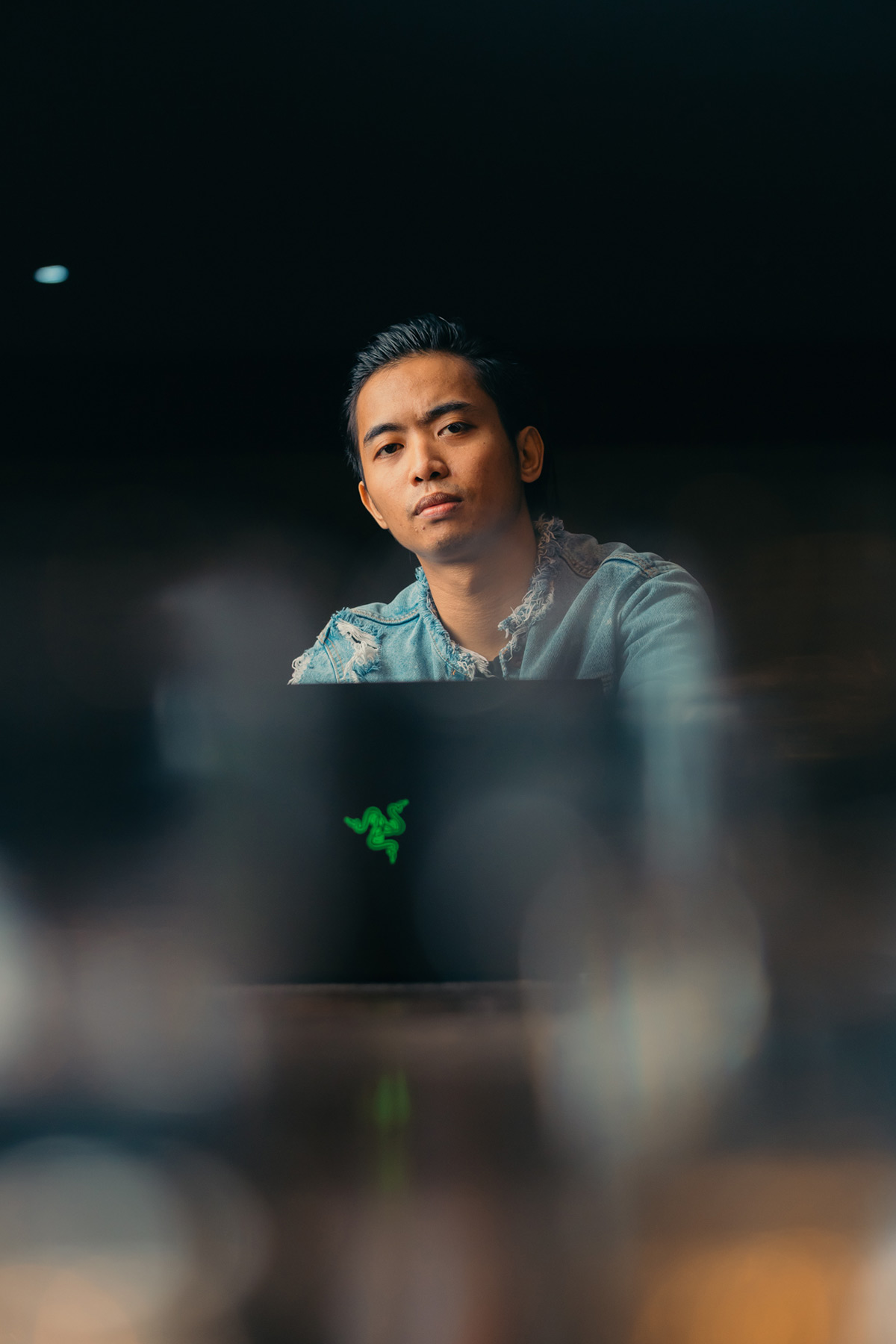
Tryke Gutierrez co-founded Tier One Entertainment with Alodia Gosiengfiao

ADVERTISEMENT - CONTINUE READING BELOW

article big image
PHOTO: JILSON TIU

Gaming backend takes shape

At around the same time Alodia’s career was taking off in front of the camera, her co-founder for Tier One Entertainment Tryke Gutierrez was among those students you’ll find at computer shops. An avid gamer, Gutierrez was a competitive DOTA player in the mid- to late-2000s. After college, he became heavily involved in the industry, organizing gaming events and working for companies such as Mineski and the Philippine Esports Organization (PESO).

“Back then, there was literally no available platform for gamers to be more than just regular players,” shares Gutierrez. “The goal of PESO was for esports to be professionalized and be included in traditional sporting events like the Olympics. But selling this idea to companies and brands was like selling jackstones instead of a basketball—they weren’t taking us seriously.”

Though esports then was years away from being recognized as a real sport, the regular gaming events opened the door for gaming-centric jobs for graphic designers, team managers, social media personnel, and others. Unknown to even Gutierrez, the foundation for the backend was being set.

Christine Samson and Ashley Gosiengfiao are just two of the talents of Tier One Entertainment

article big image
PHOTO: JILSON TIU

The rise of streaming and mobile games

In the years that followed, esports gained massive ground globally as tournament prizes blew up into the millions, surprising even marketers from other industries. But what took gaming to new heights is the unprecedented rise of mobile games and streaming. Mobile games allowed the industry to transform from being a niche market for professionals and serious gamers into a mainstream phenomenon. Suddenly, anyone can play anywhere at any time. Streaming and social media, on the other hand, allowed instant and maximum exposure to even newbie gaming personalities and content creators.

This perfect storm of events set the stage for Gutierrez and Alodia’s next move. Gutierrez knew all about esports and the needed personnel to run a gaming business, while Alodia knew how to market and develop talents and utilize industry networks. 

ADVERTISEMENT - CONTINUE READING BELOW

“In 2017, I was burned out after organizing so many events, so I talked to Alodia and we came up with this idea of putting up a talent management company so we can develop even more Alodias,” Gutierrez says. 

“For me it was an easy decision since I’ve always wanted to help others succeed as well,” Alodia says. “I’ve always wanted to share what I’ve learned through trial and error in a structured way, so it’ll be easier for the younger ones.”

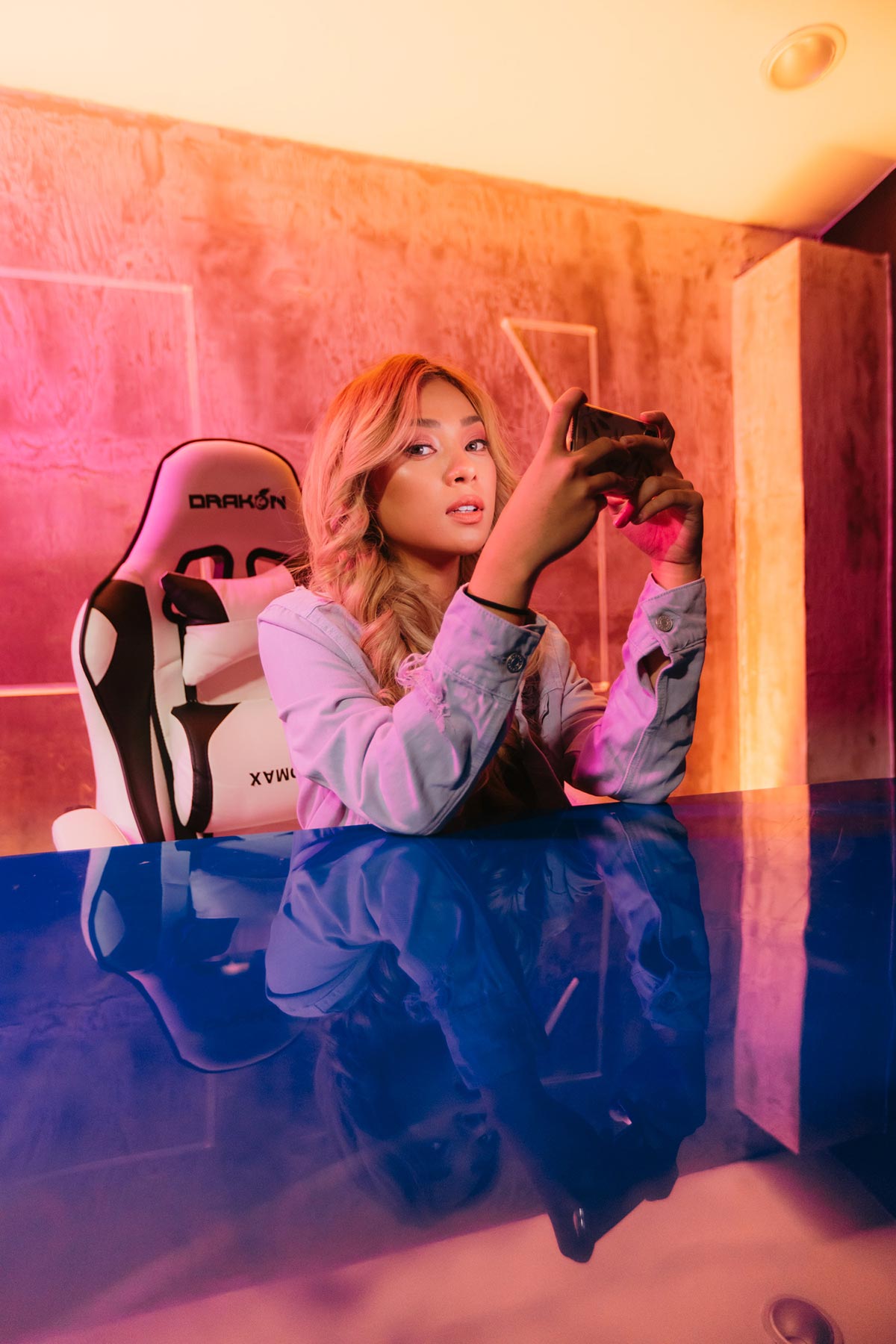
21-year-old Christine Samson has jumped from gaming to showbusiness. She now appears as a segment host in noontime variety show Showtime

article big image
PHOTO: JILSON TIU

Professionalizing gaming

Even with their combined experience and network, Tryke and Alodia needed help in gaining recognition and respect for Tier One Entertainment at the onset. “We needed to prove that even though we’re a gaming-related company, we don’t just play around and we’re business professionals,” Alodia shares.

Among those helping them is none other than Alodia’s sister, Ashley. More than just sharing a surname, Ashley is a successful gamer, streamer, and musician. A year younger who started her career at about the same time as Alodia, Ashley is now also a successful content creator and gaming personality with endorsements from giants such as Facebook, Acer, Lazada, and Globe Telecoms, to name a few.

But she admits that the gaming industry in the Philippines is way different now than when she and her sister were starting out. “Before, it was relatively easier since we were among the very first in the market doing what we do. But now, you have to be constantly on your toes and constantly improve to build your brand and image.” 

As someone who saw the transition of the Philippine gaming industry from a do-whatever thing to an actual professionalized business, Ashley believes there’s an even greater need to create a structure to educate more gamers and content creators.

“The thing that most people don’t realize is you need to arm yourself with the same skills and discipline needed in just about any kind of profession,” shares Ashley. “Just because you play for a living doesn’t mean you don’t need to work. It’s actually a lot of hard work. The more it (gaming industry) becomes professionalized, the more responsibilities that entails to everyone involved.”

Besides being Alodia's sister, Ashley Gosiengfiao is a successful gamer, streamer, and musician

article big image
PHOTO: JILSON TIU

A non-traditional business

While the goal is to improve business standards in the gaming industry, Alodia believes the inherent flexibility and playfulness of gaming separates it from traditional businesses. An example of their unorthodox approach is their recent hire: 20-year-old Emman Nimedez, who is now the company’s creative director. 

“Unlike in other businesses, we hire people regardless of age, as long as they have the right attitude and possess the creativity and technical skill we need,” Alodia explains. “We want to make Tier One as professional and as organized as possible, but we don’t want to make it too corporate that it takes the fun out of gaming.”

“We’re have more of a horizontal corporate structure than a vertical one,” Gutierrez says. “We make it a point that everyone can talk directly to us and to each other. The games we play actually train us to work more as a team.” 

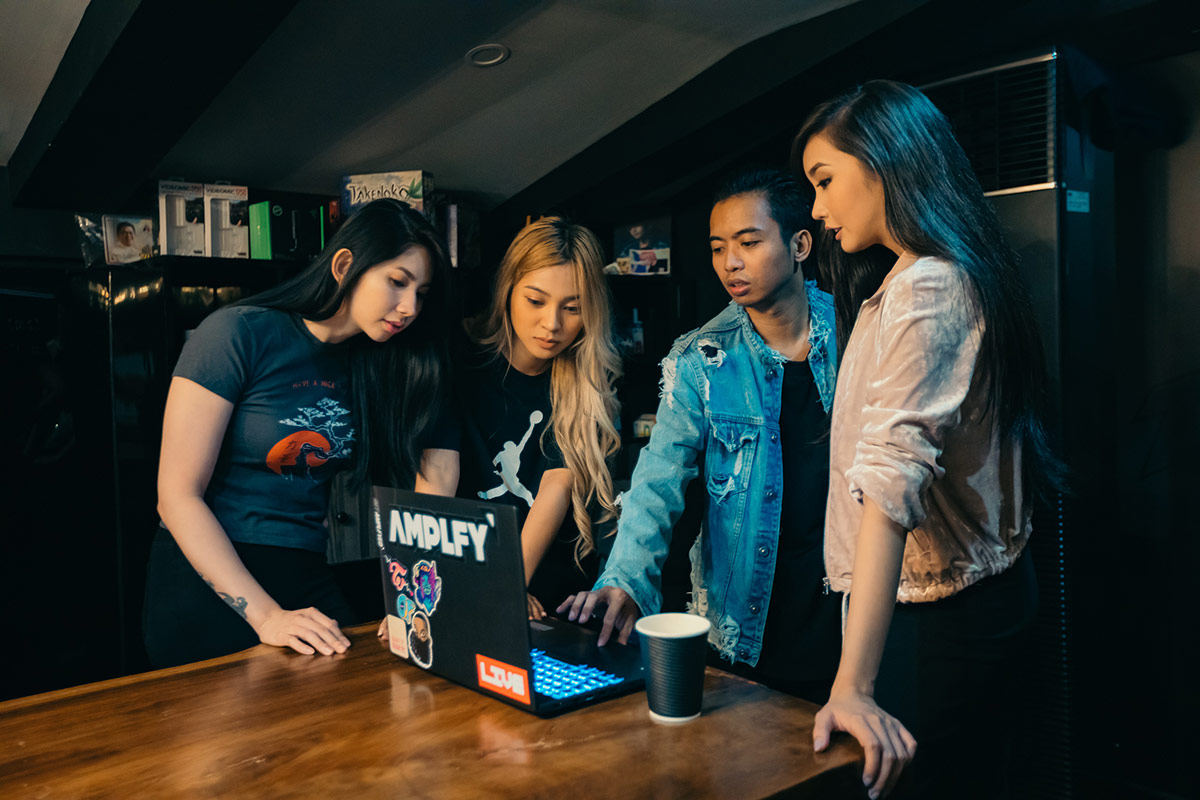
Alodia Gosiengfiao says Tier One's gameplan is to elevate gaming as a legitimate career in the country and help develop and launch new talent in the industry

article big image
PHOTO: JILSON TIU

For the new generation

Probably the best barometer of success for companies such as Tier One is seeing young gaming talents expedite the process of turning their passion into a sustainable career. Take new sensation Christine Samson for example. Samson has been everywhere online lately, so much so that she now appears as a regular segment host on popular noontime show Showtime.

The 21-year-old Tier One talent started playing video games just two years ago but was already on the video platform TikTok before that. “I’ve been doing some TV commercials and endorsements before I graduated, but I never imagined I’ll be having a career through the gaming industry,” she says.

Samson was discovered in one of the auditions for Amplfy, Tier One’s program for streamers. “I just tagged along with my bestfriend Nami (Onuma) and I wasn’t even auditioning. But then they asked me to audition and they got me after.”

Tier One gave Samson and Onuma their own streaming shows, talking about anything from gaming to giving love advice. It was less than a year after when she got the call from Showtime. Now, aside from the TV show, her Tier One streams, and TikTok, she also still gets endorsement inquiries both for online and TV. Not bad for a 21-year-old who graduated from college just last year.

“I’m earning more than my batchmates but I also have to work a lot more,” Samson says. “But it’s okay because I love what I do and I appreciate the amazing opportunities coming my way.”

“Christine is an example of what we want new gamers and gaming personalities to be,” Ashley says. “The gaming industry offers so much more opportunities nowadays, but you do need to have the right work ethic, moral values, and skills. Hindi puwede yung puro pa-cute ka lang.” 

Tier One is helping develop an esports curriculum for Lyceum of the Philippines to further institutionalize gaming in the country

article big image
PHOTO: JILSON TIU

Institutionalizing gaming

But a company like Tier One can only do so much if the goal is really making the gaming industry a viable career path in the Philippines, even though the Gosiengfiaos, Gutierrez and Samson are living proof of what can be achieved in the industry. Fortunately, educational institutions are coming around and are slowly realizing that gaming isn’t something to reject, but can actually be something people can learn.

Schools around the world have been putting up gaming programs in the past few years, but in the Philippines, it’s the Lyceum of the Philippines University that has recently taken the lead. The school reached out to Tier One last January to help develop an esports course that would be submitted to the Commission on Higher Education for approval. Gutierrez says the focus of the proposed curriculum is actually the backend jobs that would help sustain the industry.

“Right now, it takes around six to eight months for a professional from another industry, be it a marketing officer, a creative, or a manager, to grasp gaming,” he says. “A college curriculum would cut the time and cost of that wasted opportunity and help fulfill a huge market need.”

But what about sustainability? Can the gaming industry really accommodate specialized professionals for the long term? Gutierrez says it needs to be looked at from the other way around. 

“There will be more companies like Tier One in the near future for sure,” he says. “But more than that, understanding how the gaming industry works and the business models within it will unlock business opportunities for entrepreneurs, which will create more jobs.

“When food-related courses were developed, they weren’t thinking everyone would become a chef,” he adds. “Somebody will open a restaurant. Somebody will open a materials supply business. Same thing with gaming. Not everybody will become a pro player, but they can open a gaming hub, a game development company, or a talent agency like Tier One.”

Despite its massive scale and mind-numbing revenue numbers worldwide, gaming is still fighting an uphill battle for recognition, especially in the Philippines. But Tier One and other local gaming-related companies continue to prove that it isn’t just an alternative. It can actually become a viable choice for a career. The question now is, are you ready to play?

Christine Samson's makeup by Joan Teotico @joan.teotico. Hairstyling by Elvis Rebanal of Creations by Lourd Ramos Salon @elvisrebanal26. 

Read Next
These High Schools Have Some Pretty Famous Alumni
Read more stories about
  • gaming,
  • EVERGREEN,
  • young leader,
  • con-00289,
  • concerned businessman
Most Shared
by author
Esquire Money
Most Popular
Latest Feed
The New Dean of New York University's Faculty of Arts and Science Is a Filipino
Armscor CEO Martin O. Tuason Passes Away at 51
A Fond Farewell to Chocolate Lover Inc.
The 8-Ball of Greatness in Philippine Pool
Tom Cruise Wore an Extremely Rare £70,000 'President' Rolex Watch to Accept His First Oscar
What Can Poetry Teach Us about Natural Disasters?
#InTheLoop
  • Politics
  • Culture
  • MONEY
  • Style
  • Long Reads
© EsquireMag.ph, All Rights Reserved.
  • About Us
  • Contact Us
  • Terms of Use
  • Privacy Policy
  • Sitemap
BIR Seal of Registration
Close

We use cookies to ensure you get the best experience on Esquiremag.ph. By continued use, you agree to our privacy policy and accept our use of such cookies. Find out more here.

Present
Read Cover Story
Read Cover Story
Catfish Image