
5 Must-Read Works of Fiction That Illuminate Philippine History

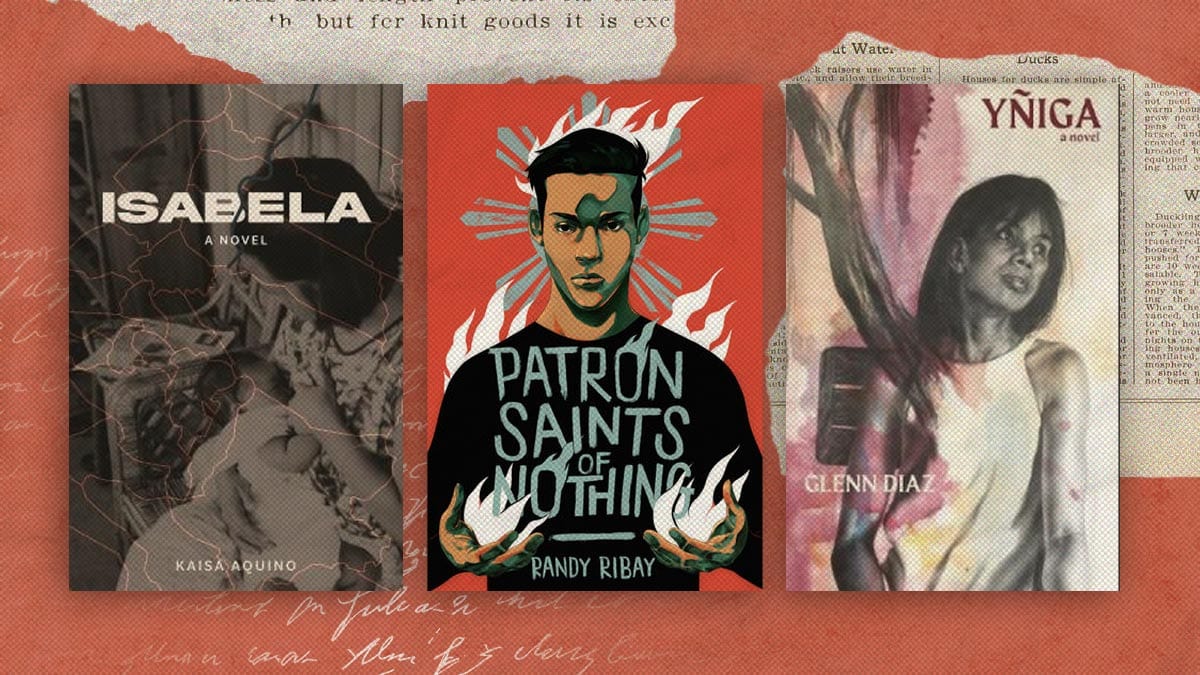
Multiple studies suggest that reading fiction boosts empathy by helping us imagine the lives of others. It allows us to see the world through different perspectives shaped by time, class, geography, and struggle. Historical fiction, in particular, offers a powerful lens through which to understand our world and ourselves: it doesn’t simply make accessible the past or make visible the connections between then and now, but it also often highlights stories and communities that have been overlooked in–or completely disappeared from–public consciousness.
By allowing ourselves to become immersed in the concerns of those unlike ourselves, especially personal lives not our own, shaped by public events that are our own, we realize that history impacts the individual as much as it does the nation. Reading historical fiction allows us to see how present the past actually is in both the deeply felt divisions of everyday life as well as the policies and institutions that shape our material conditions. In a country as rich and complex as the Philippines, deepening our understanding of where we’ve come from could open the door to imagining–perhaps even working towards–a different, more compassionate future.
Granted, reading is not the same as revolution. Still, while adding Philippine historical novels to your TBR pile may not fix our country’s broken systems or cure our "kuyog culture," it might help us think more broadly and more deeply about how we interact with, or what we want for, our fellow Filipinos. In a moment of deep division, even that small step may be progress.
ALSO READ:
It's Time to Rewrite the Rules of Historical Fiction
How Filipino Novelist Gina Apostol Makes the Historical Narrative Gripping
Here are five fiction books published in the last five years that contextualize the Filipino experience in history:
Isabela by Kaisa Aquino (2024, Ateneo de Manila University Press)
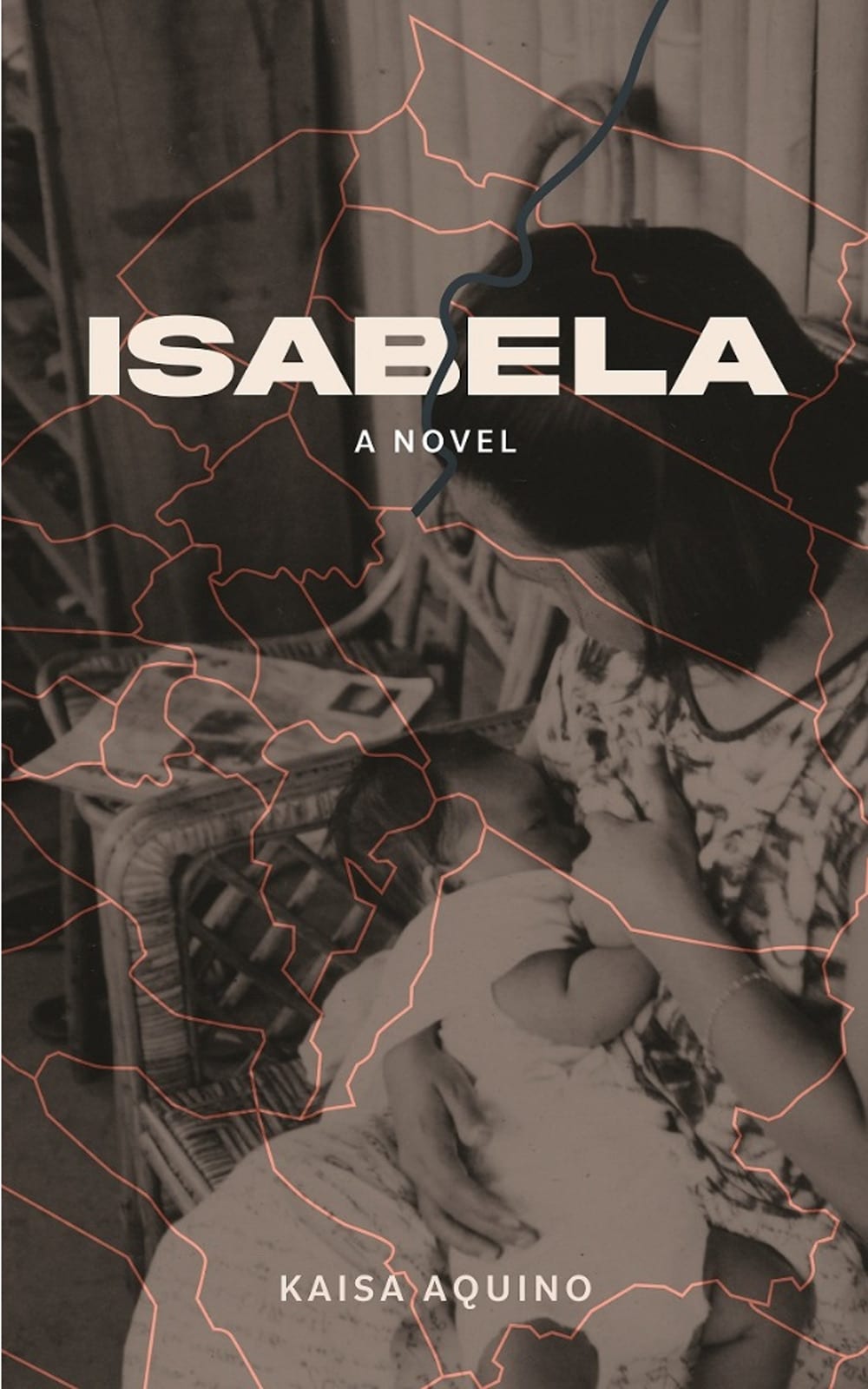
This shifting narrative weaves the stories of multiple women–mothers, daughters, activists–whose lives intertwine across three decades of insurgency in the Philippine countryside. Informed by the history of the kilusan, this work spotlights the often-overlooked role of women in movements for justice and land reform.
Yñiga by Glenn Diaz (2022, Ateneo de Manila University Press)
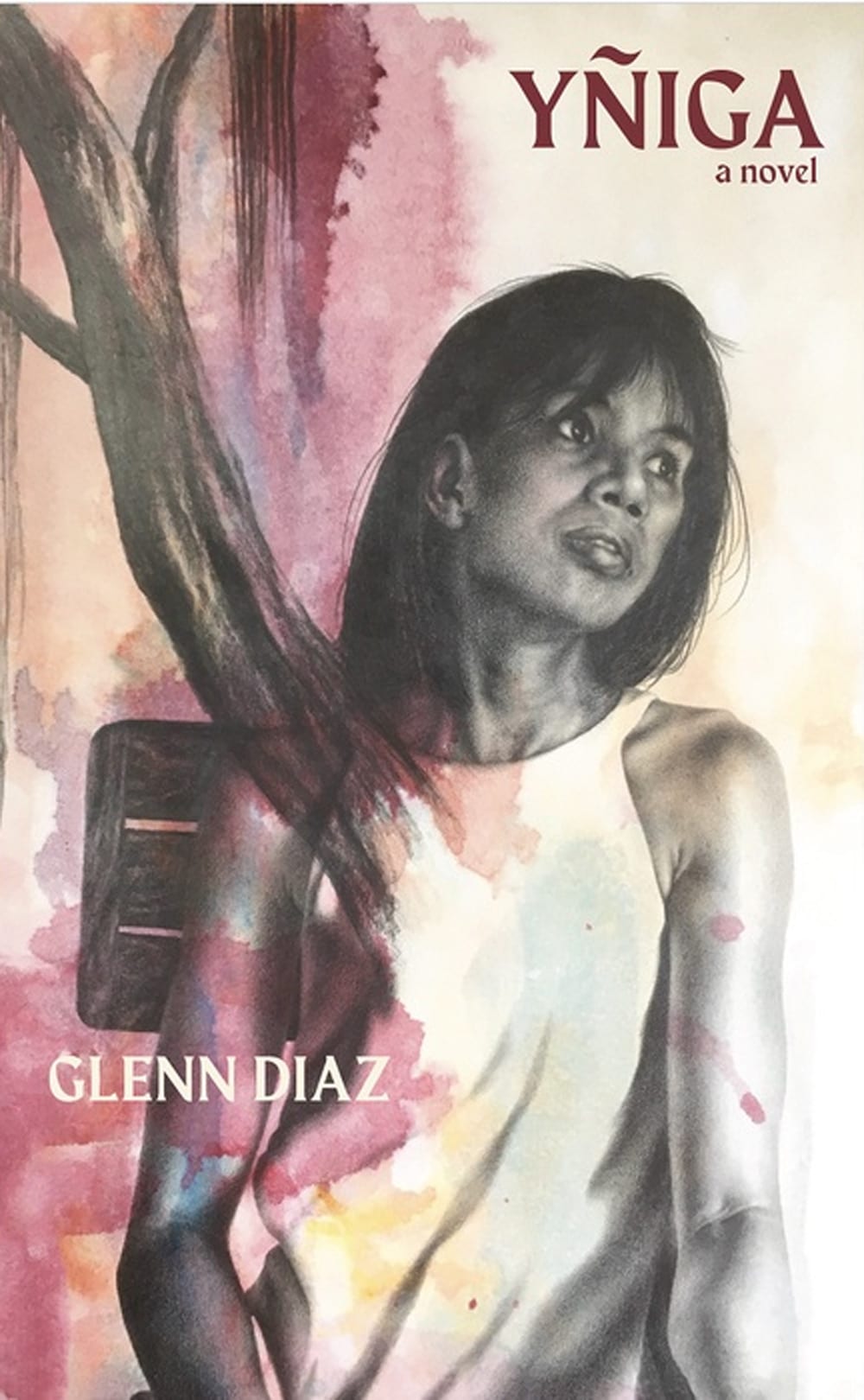
The novel unfolds against the backdrop of the Philippines’ true history of state violence, particularly the Cold War-era crackdown on communists under President Ramon Magsaysay–and how this violence echoes across generations. The novel shows how ordinary people carry the weight of a nation’s unresolved past.
The Fireline by NH Legaspi (2024, University of the Philippines Press)
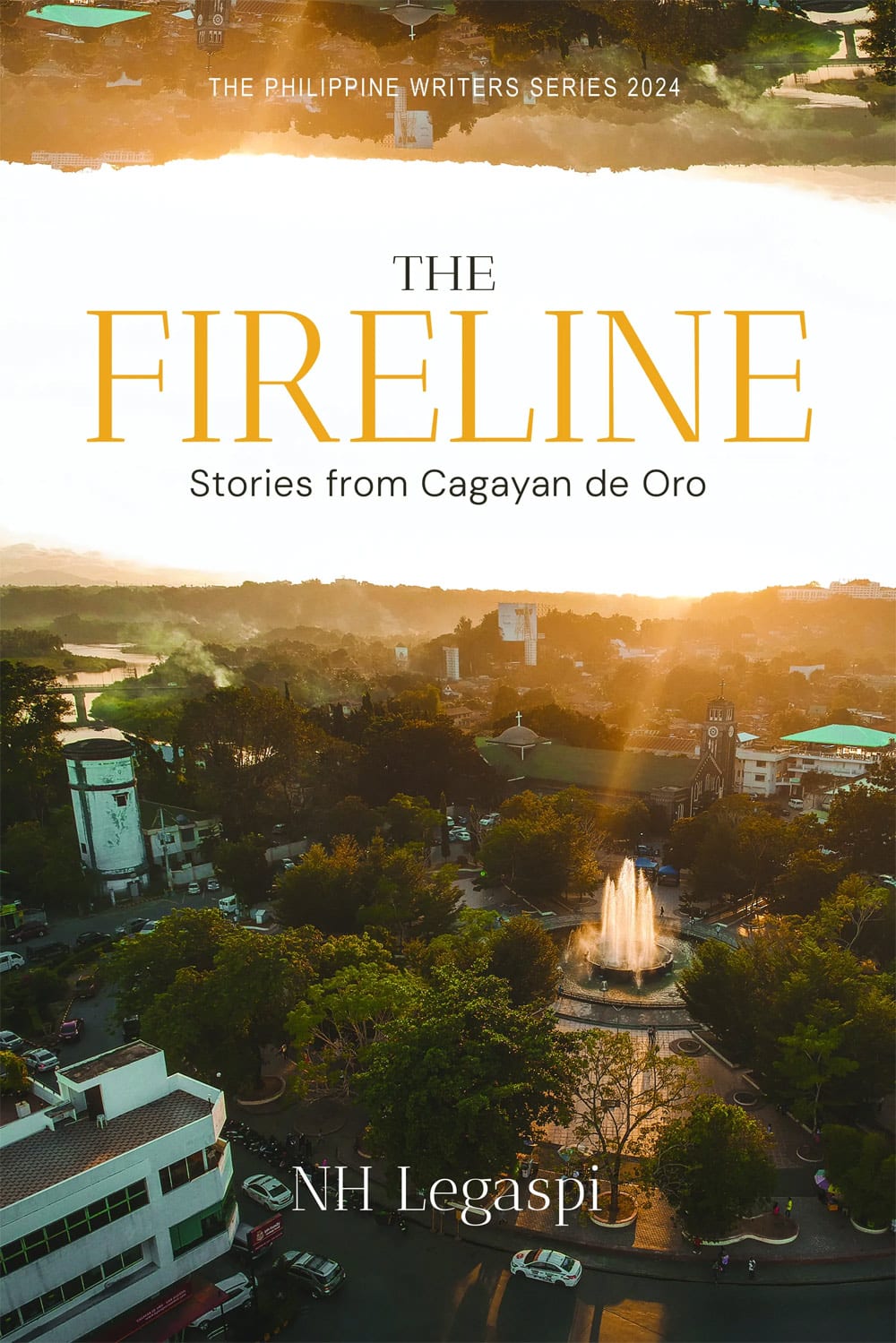
Set in Cagayan de Oro during its "pre-metropolitan" years, when waves of migration and urban expansion reshaped the city’s social and cultural identity, these short stories capture the fragile lives of various individuals navigating personal crises amid the city’s barely healed traumas–floods, violence, and persistent injustice.
Patron Saints of Nothing by Randy Ribay (2019, Penguin Random House)
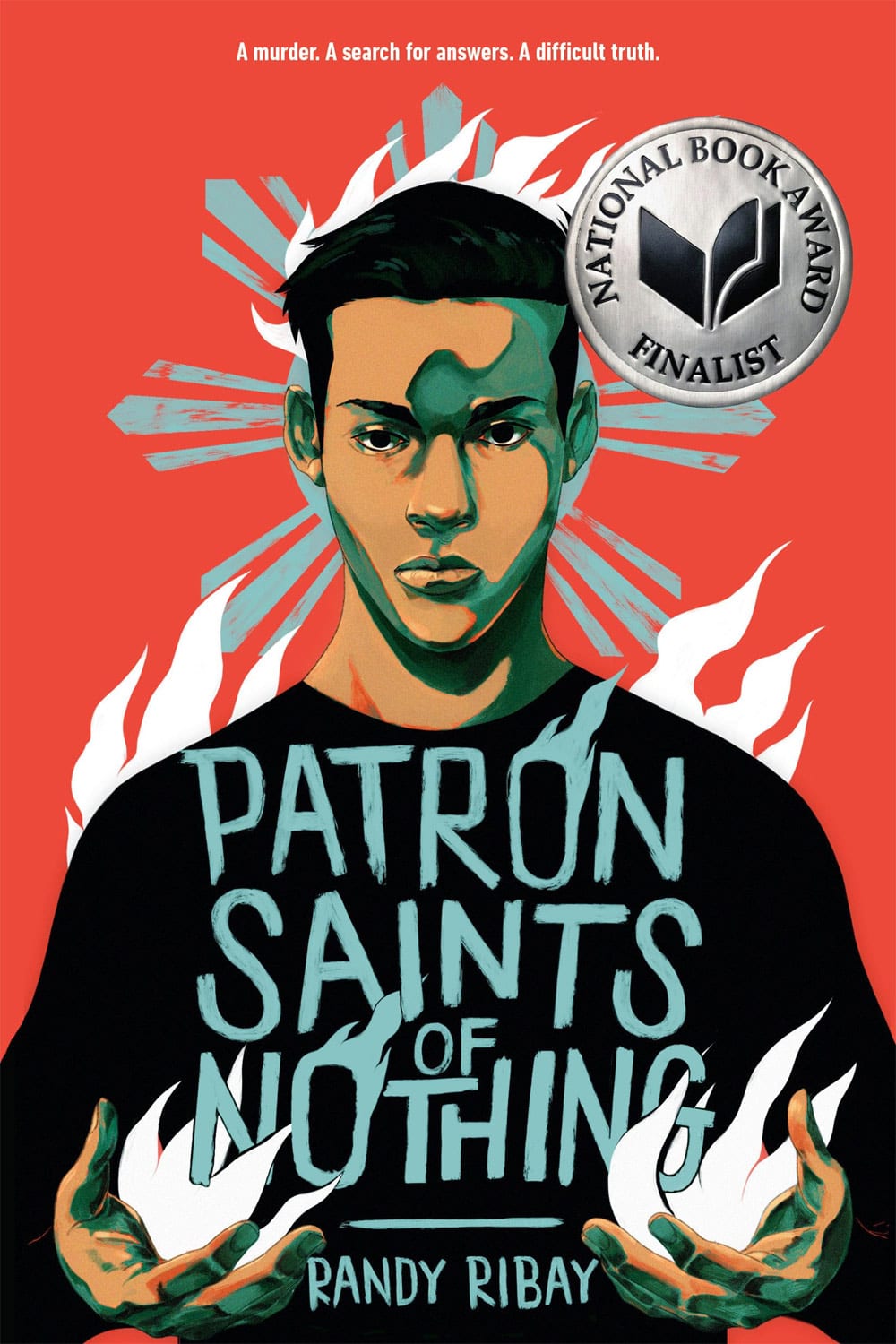
The story follows Jay Reguero, a Fil-Am teenager, as he searches for answers about his cousin’s death during the height of President Duterte’s so-called war on drugs. This YA novel situates a personal journey within the broader historical moment of extrajudicial killings in the Philippines, examining how Filipinos in diaspora confront personal and national histories.
The House on Calle Sombra by Marga Ortigas (2021, Penguin Random House)
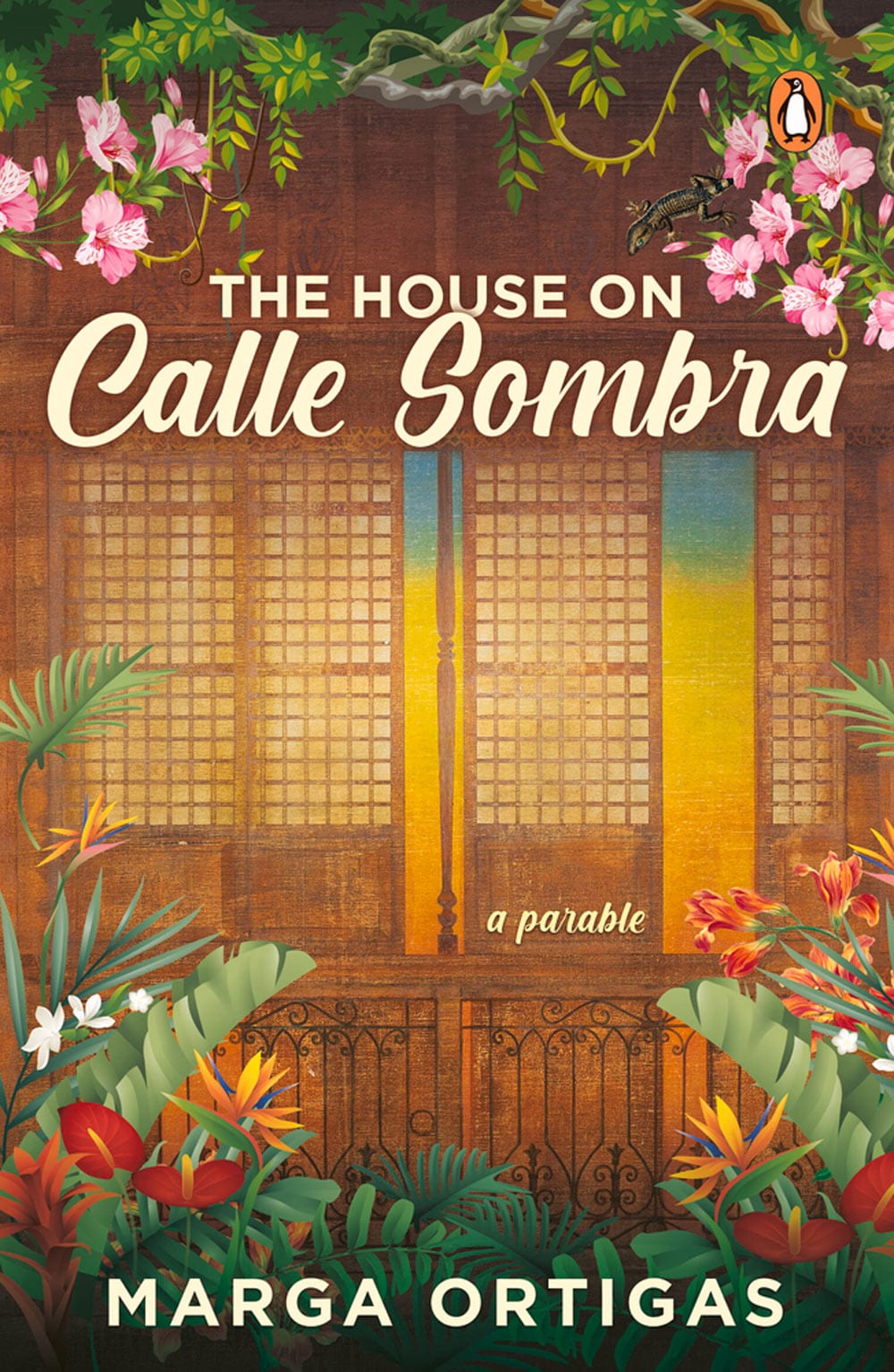
This multigenerational story threads through the pre-World War II era, through Martial Law, and into the Duterte years. It presents privilege, trauma, and silence as heirlooms passed down through a family–and a nation.
