

Restored 96-Year-Old Building in Escolta Recognized for Outstanding Design

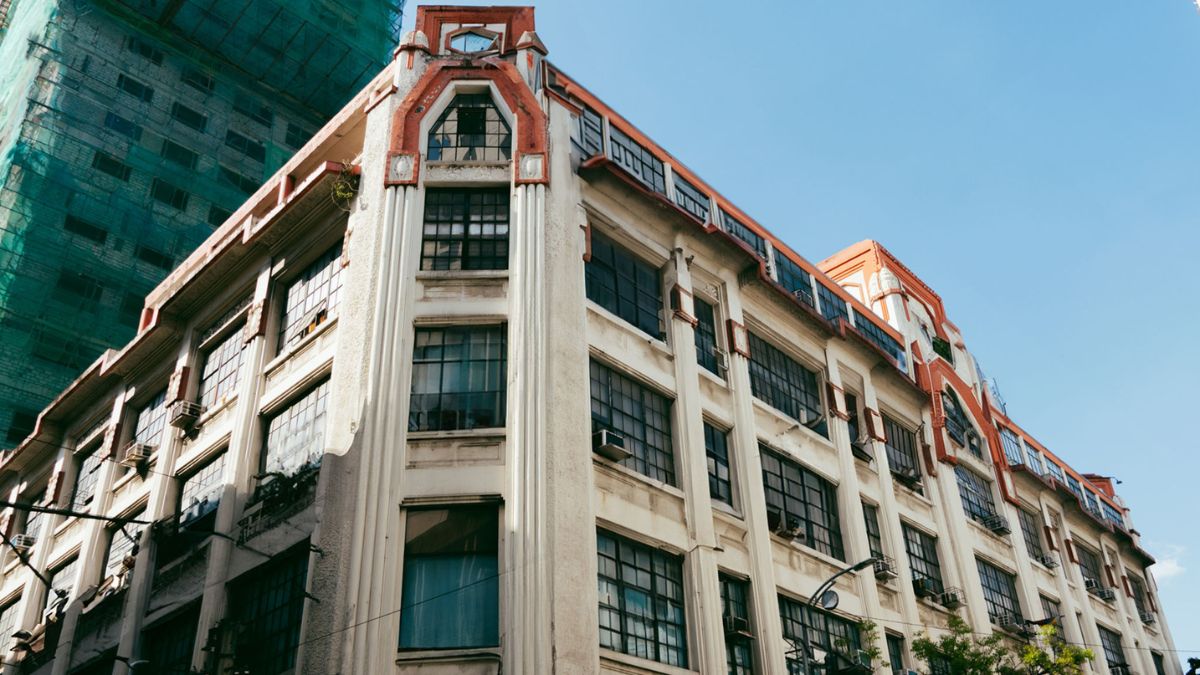
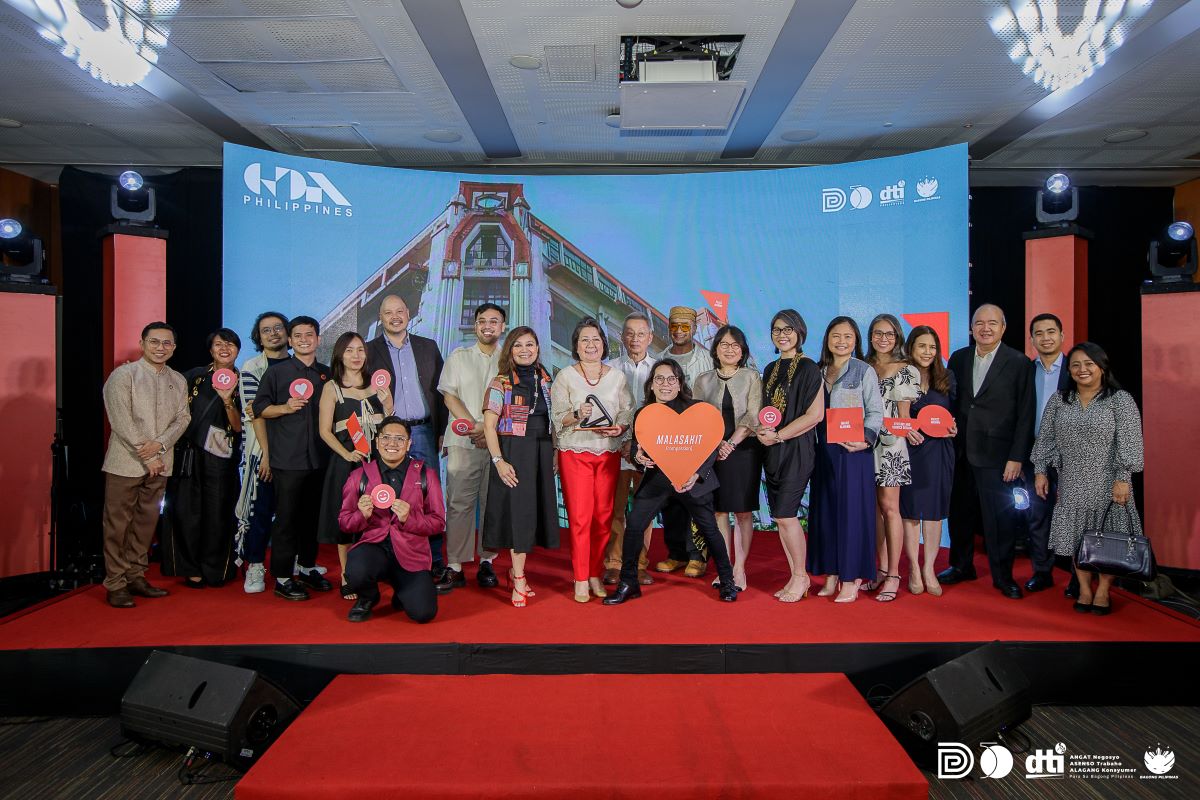
First United Building (FUB), a 96-year-old Art Deco structure on Escolta Street, Binondo, Manila, won the Malasakit Gran Prix Award at the 2024 Good Design Award Philippines, organized by the Department of Trade and Industry-Design Center of the Philippines (DTI-Design Center).
According to the press material, FUB "embodies the power of restoration and adaptive reuse in driving urban regeneration." The project transformed the historic structure into a vibrant hub for creative communities, showcasing sustainable preservation.
The First United Building Community Museum enriches this effort by providing a glimpse into Escolta's golden era as Manila's premier business district.
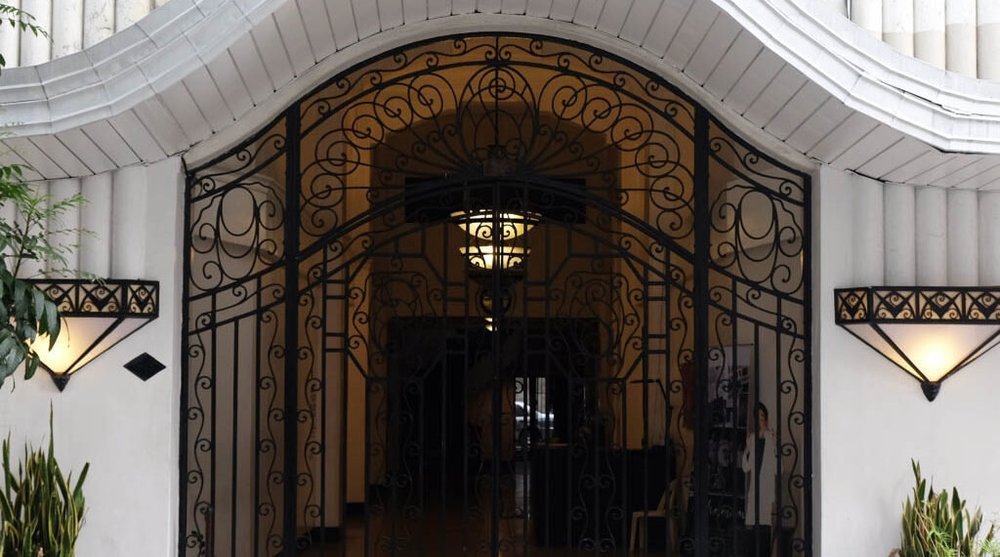
Entrance to the building
Historic Heights
Formerly known as the Perez-Samanillo Building, the First United Building was designed by Andres P. Luna, the son of renowned painter Juan Luna. Upon its completion in 1928, it stood as the tallest building in Manila.
Unfortunately, during the Battle of Manila in World War II, FUB was among the many buildings in the area that were gutted by fire.
After the war in 1945, Philippine cinema breathed new life into the area. "Due to Escolta's proximity to Avenida and Quiapo, which were filled with cinemas at the time, film rolls were brought here for distribution within Metro Manila and beyond," says Lem Santiago, former head of the Escolta Volunteer Arm in the FUB documentary produced by Ar. Mikaela Burbano and Ar. JB Cunanan for the A+D Docu Film Festival, organized by the Sentro ng Arkitekturang Filipino of the United Architects of the Philippines.
Movie stars like Dolphy and Nora Aunor would grace the FUB offices. "[The building] has been a witness to the Philippines' greatness in business and industry," adds Santiago.
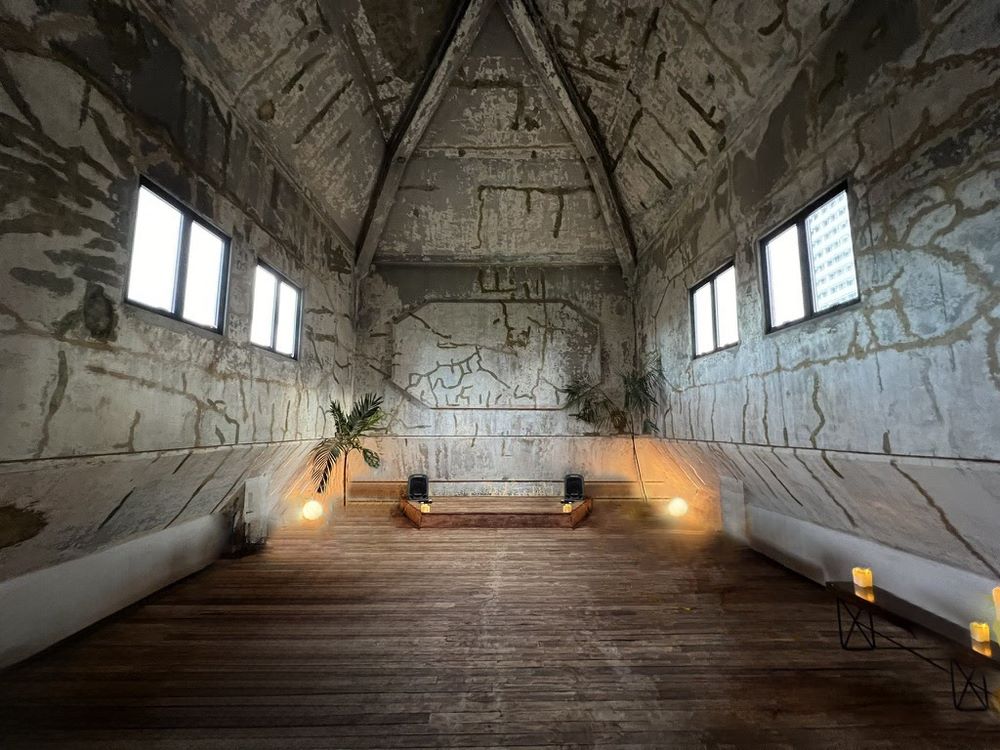
Penthouse Dome at First United Building
Building the past and present
The building is currently owned by the Syliantengs, a notable clan in the Philippines known for their involvement in various industries, including real estate, commerce, and retail.
"It started when my father bought the Berg Department Store and continued operating it in 1951," says Robert Sylianteng. "Our present efforts are part of the fourth generation of adaptive reuse of this property. There have already been generations of repairs and fixes."
It was in September 2011 when then-Mayor Alfredo Lim announced that the building will be Manila's first BPO center.
"In that meeting, architects, developers, and Architect Galicia were present," recalls Sylianteng's wife, Lorraine. "The architects expressed their desire to revive Escolta. I was very touched, so we decided to go ahead with the plan."
The late Carlos Celdran also became instrumental for bringing awareness to the heritage advocacy campaign back in the mid 2010s through #SelfieEscolta, which encouraged the public to post their pictures in the historic street.
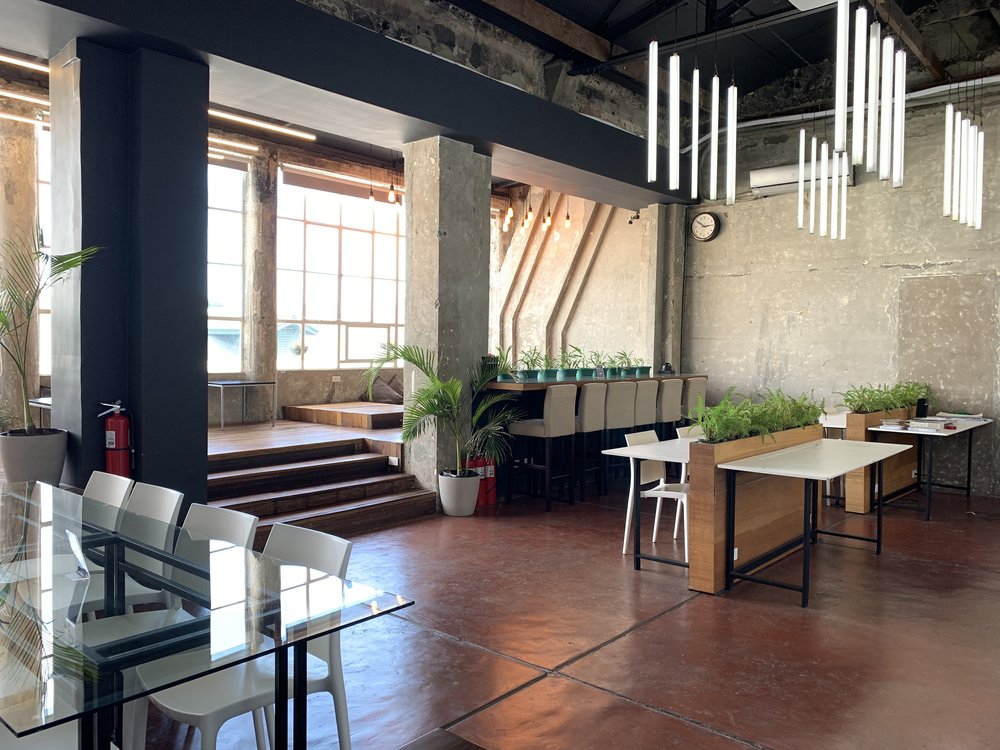
In 2016, the Syliantengs approached One/Zero Design Co to explore the idea of conceptualizing a hub. Principal Architect Arts Serrano says they constructed structural tubes in the space without attaching them to the building itself to preserve its integrity. The co-working space features a contemporary design, but they stripped off paint to highlight the imperfections of the walls, highlighting the building's history.
A coworking space at First United Building
Thanks to the heritage conservation advocacy, new experiences and activations sparked renewed interest in Escolta.
"The restored First United Building in Escolta revitalized the district, attracting creative tenants and drawing a new demographic of visitors and regular audiences that come to Escolta to escape the cookie cutter spaces that proliferate in many urban areas," says Good Design Award Philippines 2024 Jury Chair Mylene Abiva.
Malasakit Gran Prix awardee First United Building with Good Design Award Philippines jurors, Design Center of the Philippines, Design Advisory Council, and United Nations Development Programme
"Despite challenges, the building's revival showcases the power of design and preservation, not only in restoring its past but also in fostering Escolta's economic resurgence that caters to the next generation of the creative class," she adds.
The historic building's transformation highlights the power of placemaking, says Abiva, emphasizing that it's the communities, not just the structures, that truly define a place.
