

Asia's Most Important Slow Food Event Is Coming to Bacolod

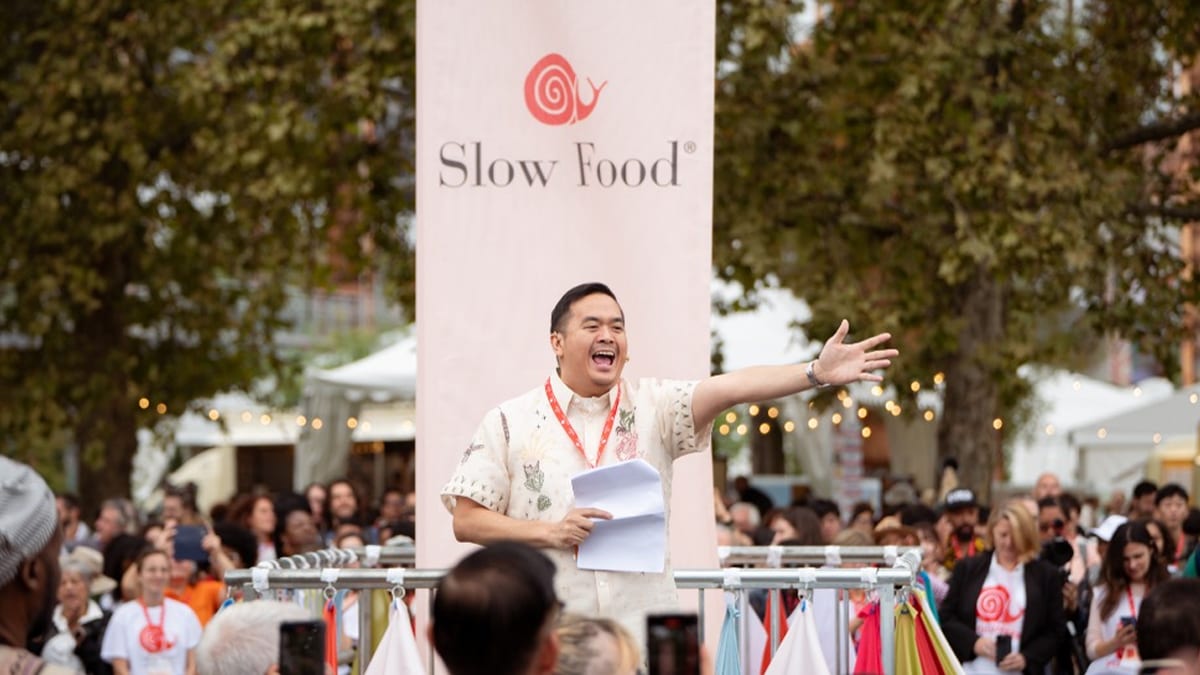
Main photo: Negros Occidental organic farmer and restaurateur Ramon "Chin-Chin" Uy Jr. at the Terra Madre Salone de Gusto from September 26 to 30, 2024, in Turin, Italy.
The Philippines is set to make history as it proudly hosts Terra Madre Asia & Pacific for the very first time. This landmark event for the global Slow Food movement will take place in Bacolod City, Negros Occidental, from November 19 to 23, 2025, offering a platform for discussions on sustainable food systems and the region's rich culinary heritage. Up to 2,000 delegates are expected to attend the event at the Negros Occidental Provincial Capitol Lagoon.
Ramon "Chin-Chin" Uy Jr., chair of the Terra Madre Asia & Pacific executive committee, noted the enthusiastic response from neighboring countries. Participants will include farmers, fishers, and chefs aligned with the Slow Food philosophy from across Asia and the Pacific, with significant interest also coming from walk-in attendees.
ALSO READ:
From Kalinga's Fields to Your Plate: Discovering the Slow Food Community in Pasil
Philippines Beats Japan, South Korea in Bid to Host a ‘Slow Food’ Event in 2025
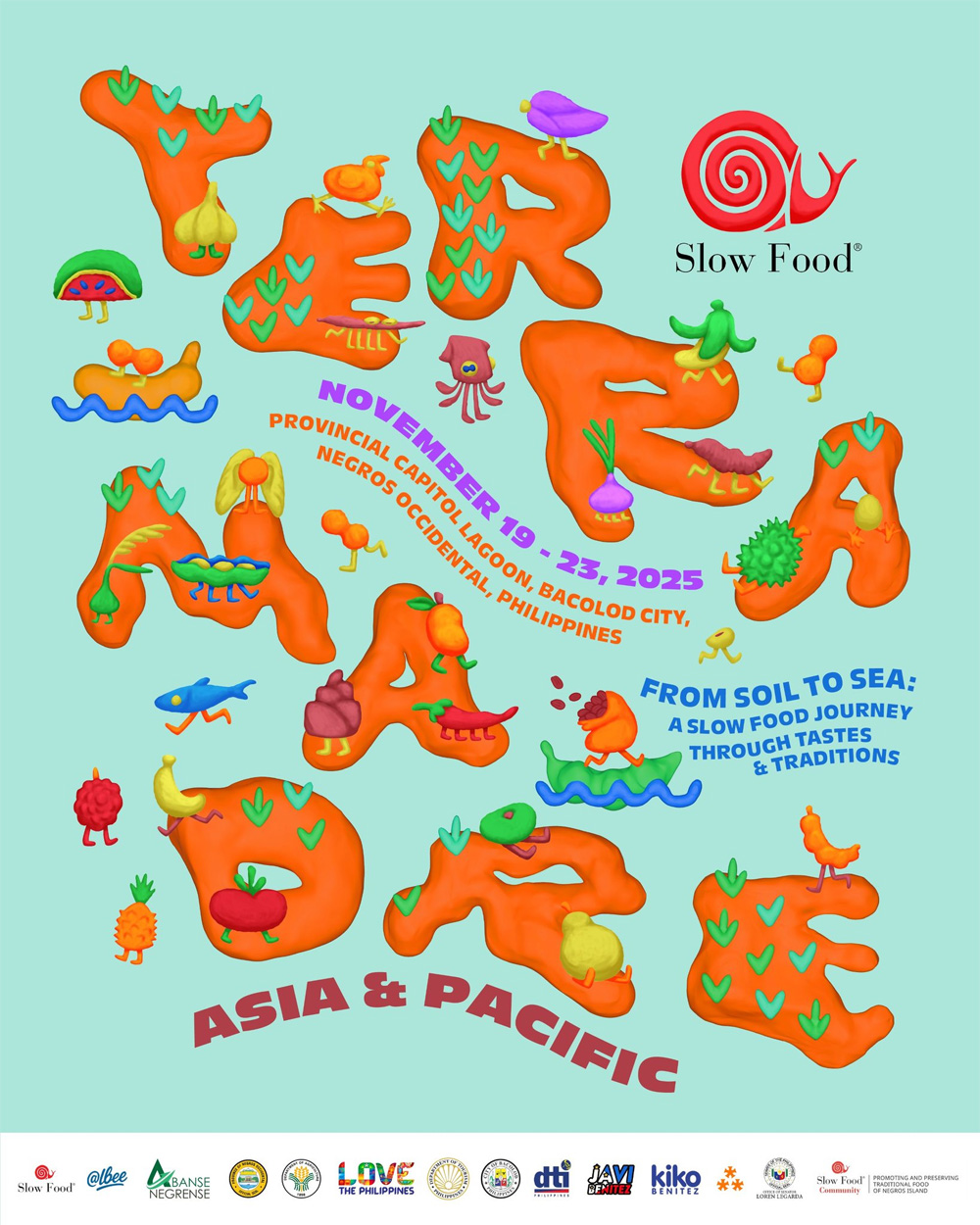
A Gathering for Global Food Policies
Terra Madre is an international forum for the Slow Food movement. It brings together a diverse group—from farmers and producers to chefs, educators, and food activists—for lectures, panel discussions, and food demonstrations. These sessions are all centered on global food policies and the promotion of local, traditional food practices. The Philippines has already been a presence on this global stage, having participated in Terra Madre Salone del Gusto in Italy last October, where local farmers engaged in discussions and a booth showcased heritage products and heirloom dishes.
This regional event in Bacolod is a testament to the Philippines' growing influence in the sustainable food movement. It's a collaborative effort, supported by the local governments of Bacolod City and Negros Occidental, along with the Departments of Tourism, Agriculture, and Trade and Industry, which are providing crucial financial backing. Uy shared that securing this support was a long but fruitful process, with local leaders fully embracing the vision behind the initiative.
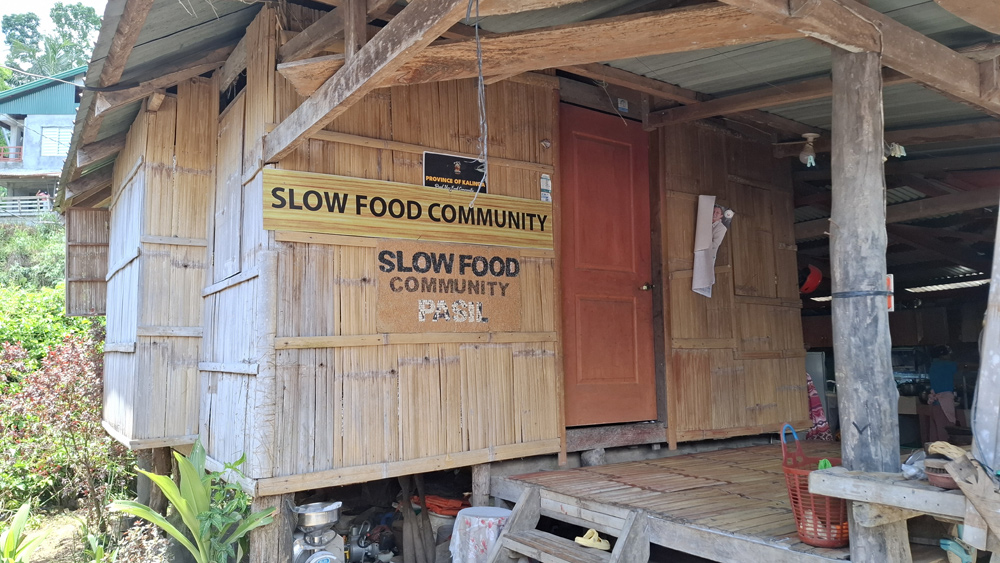
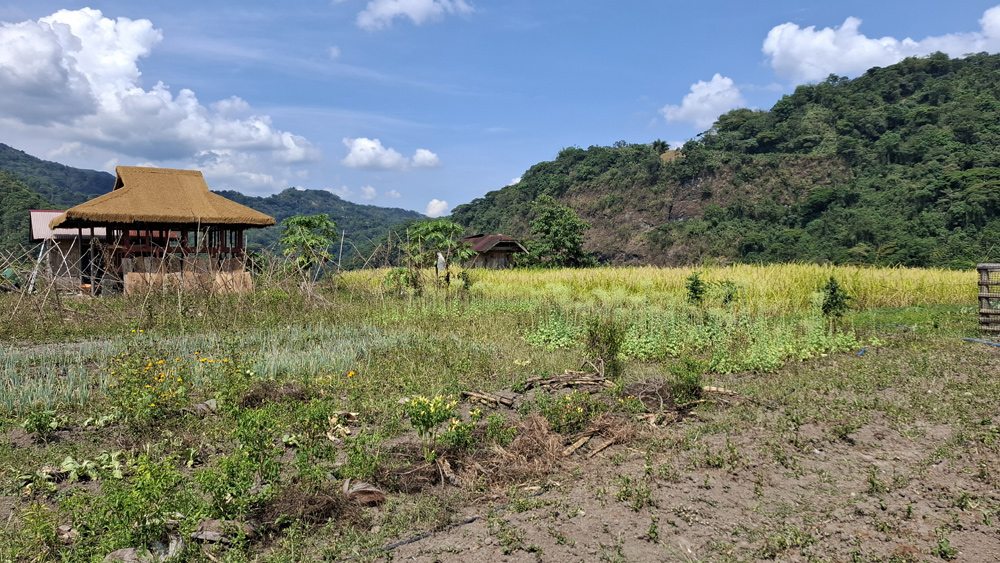
As of writing, there are 35 Slow Food communities in the Philippines that are recognized by Slow Food International. Examples of these are Slow Food Negros, which was established in April 2012; and Pasil Slow Food Community, which was officially included in the Slow Food International network in April 2019. The latter is also the first indigenous Slow Food Community in the Philippines.
Pasil Slow Food Community in Kalinga
Funding and Notable Participants
The estimated cost for the event is P60 million, said Uy. In addition to vital government support, organizers have successfully secured funding from international donors, including the International Fund for Agricultural Development, Slow Food International, and Campari/Negroni Week. Uy, who also serves as councilor for Southeast Asia of Slow Food International and vice president of Slow Food Negros, mentioned that while many organizations expressed interest in sponsoring, partnerships are selectively chosen to ensure they align with the core of the Slow Food mission.
Delegates are expected to include notable chefs from the "50 Best Chefs in Asia" and the Philippines, as well as representatives from leading bars in the region. A unique feature of the event will be the direct interaction between organic farmers from across the country and top chefs. Farmers will showcase their produce directly alongside chefs' booths, fostering a direct connection and allowing chefs to utilize fresh, local ingredients in their demonstrations. The identities of specific chefs are being kept under wraps for now.
Reena Gamboa, president of Slow Food Negros (center), leads the private sector of the Philippine delegation at the opening of the Terra Madre Salone del Gusto on Sept. 26, 2024, in Turin, Italy.

The Enduring Importance of Slow Food
At its heart, Slow Food International champions local food and traditional cooking methods, emphasizing the use of high-quality, often small-batch, local ingredients. Terra Madre, organized biennially, brings this philosophy to life. The Asia-Pacific edition, which is starting this year with an alternating schedule, specifically aims to highlight Asian ingredients and the continent's incredible food biodiversity.
During a discussion at the Tagaytay Food Festival last July 19, Uy underscored the long-term benefits of sustainability and consuming organic produce. He acknowledged that while organic produce might currently seem more expensive than commercially grown alternatives, its benefits for health and the environment are substantial. Chemical fertilizers, commonly used in conventional farming, can contaminate soil and water tables, leading to significant clean-up costs. In contrast, organic farming avoids these environmental remediation expenses entirely.
In addition, the widespread use of chemical fertilizers and pesticides, while increasing agricultural yields, is associated with various health issues in humans, including respiratory problems, neurological damage, certain cancers, and reproductive concerns, which can lead to substantial medical expenditures.
Terra Madre Asia & Pacific is a significant milestone for the Philippines on the global stage. It represents a commitment to advancing sustainable food practices, bringing together key stakeholders to explore and shape the future of food in the region.