
From Kalinga's Fields to Your Plate: Discovering the Slow Food Community in Pasil

Hustle culture has dominated many societies in the world. We can blame it on the Industrial Revolution, the rise of capitalism, the widening gap between the rich and the poor, or all of the above. Even our most basic need is affected by this rat race we’ve been forced to participate in—instant gratification, drive-thru convenience, fast food. We rush through our meals, preferably the ones that were instantly prepared, because the daily grind awaits.
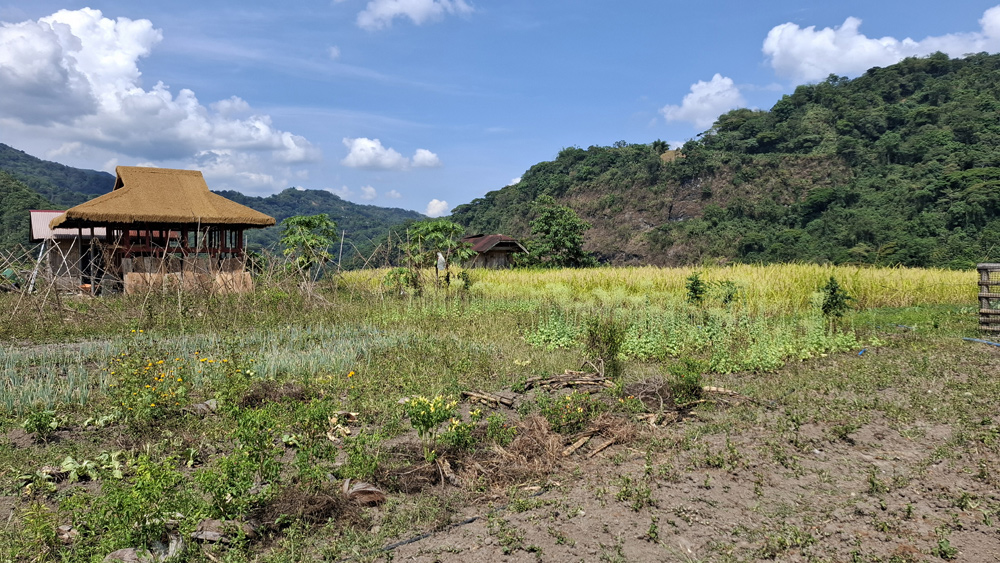
But in the municipality of Pasil, Kalinga, in the Cordilleras, food is meant to be cultivated, prepared, cooked, consumed, and appreciated as slowly as possible. It aligns with the concept of slow food, the first of the broader slow culture movement that has been around since the ‘80s in response to the fast-paced modern life.
“Slow food, literal na kabaliktaran ng fast food, kasi sa slow food as much as possible, kukunin mo ‘yung ingredients mo sa surroundings. At 'yung taste, the cultivation of taste, hindi siya nagsisimula doon sa paglalagay mo ng lasa pag nagluluto ka na. It starts with the cultivation, pag tinatanim mo na,” Walter Jensen, a local volunteer from Pasil, tells Esquire Philippines in an interview.
And while it seems to be just another trendy phrase thrown around, it is actually an indigenous knowledge that Cordilleran farmers have practiced for generations—eventually leading to the recognition of Pasil, Kalinga, as the first indigenous Slow Food Community in the Philippines by Slow Food International in April 2019.
"Despite their long association with Slow Food and involvement in Slow Food events, it was not until the advent of the new Slow Food Community model that the Pasil Kalinga community was able to fit properly into the organization’s structure. The new Slow Food Community model was launched [in 2018], specifically to include groups like the Pasil, Kalinga community into the Slow Food network. While the convivium model bore a far greater focus on individuals, the new model recognizes involvement and participation in a broader sense, allowing entire communities to belong to Slow Food," according to its citation on the Slow Food website.
Slow Food Negros in the Visayas was established and recognized by Slow Food International in April 2012, years before the Pasil Slow Food Community. But, as mentioned, the latter follows a different model—making it a "first indigenous community."
ALSO READ:
Beyond the Plate: Mangan Taku Reintroduces Cordillera's Culinary Roots
This Baguio Distillery Makes Whiskey That Is 'Distinctly Filipino'
Pasil, Kalinga, and the Slow Food Movement
Slow Food (with capital letters to mean the organization) was founded by Carlo Petrini in Italy in March 1986 to initially resist the opening of a McDonald's in Rome. The founding manifesto was signed in Paris, France, by delegates from 15 countries in 1989. In 1996, Turin in Italy hosted the first edition of Salone del Gusto, an international fair advocating local culinary traditions by promoting small-scale food producers. The same event also marked the launch of Slow Food's flagship project, Ark of Taste, which is a global catalog of food biodiversity at risk of extinction.
Promoted as an alternative to fast food, the slow food movement aims to preserve traditional and regional cuisine and encourages farming produce and livestock within the local ecosystem. Now, the organization includes over 100,000 members with branches in over 150 countries.
"Ang prinsipyo ng slow food ay good, clean, and fair. Good kasi, of course, it's pleasurable when you eat it. It's clean kasi, as much as possible, we get our products from locally produced farms, sa ating farmers. At mas natutulungan natin ang ating mga farmers kasi sila mismo 'yung pinagbibilhan natin. 'Yun 'yung isa, fair, may justice. Kaya siya clean, fair, and good. And also, of course, food is always attached with our culture. Kaya kung napansin niyo, 'yung mga pinaglalagyan namin ng food, may mga pots, may mga baskets," Jensen explains.
On the ground, this means avoiding the use of herbicides and pesticides as slow food focuses on quality instead of quantity.
"Ang disadvantage, pag hindi kami gumamit ng herbicides o pesticides, siyempre mas matagal 'yung yield nung crops. Sa higher elevation, it takes six months para ma-harvest ang isang rice variety na maganda. Pag gumamit ka ng mga pesticides, three to four months ang bilis. Pero the quality, the taste, it’s really affected. So the more sophisticated it is, the longer it is to be prepared, to be planted, before it is harvested, mas masarap. 'Yun nga lang, syempre pag binenta namin sa labas, mas mahal nang kaunti," says Jensen.
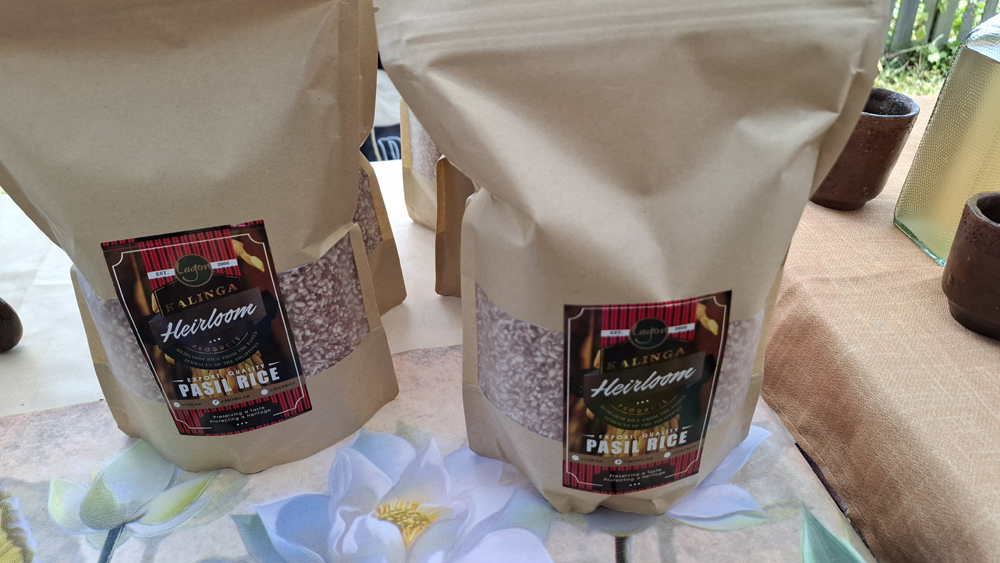
It was in 2008 when Pasil farmer leaders Lam-en and Rowena Gonnay submitted a write-up to Slow Food International for the inclusion of Chong-ak Rice to the Ark of Taste, in an effort to protect and preserve this rice variety of a "true medium-sized grain with a rust red seed coat". It is found in only three places in the world: the rice terraces of the Philippines, remote areas of Indonesia, and the mountains of Madagascar. Chong-ak is known in the Kalinga language as "Unoy" or "Uloy," a broad term for medium grains; and in the local languages of Ifugao as "Tinawon." Chong-ak is specific to the municipality of Pasil.
By 2009, Slow Food International started its validation process, and officially boarded Chong-ak on the Ark of Taste; then, a year later, Lam-en and Rowena became individual members of the organization. In the same year, the two represented the Kalinga indigenous community in the Terra Madre, a network of food communities launched by Slow Food to bring together small-scale farmers, breeders, fishers, and food artisans.
In April 2019, after a decade of collaborations with the farmer leaders, Pasil was officially recognized as the first indigenous Slow Food Community in the Philippines. It was inaugurated by the Obwal Brook, "a location chosen specifically for its rich but threatened biodiversity," according to the Slow Food website.
Their efforts have always been supported by the municipal council, starting with an ordinance in 2016 to sustain and foster organic agriculture; in 2021, through an ordinance institutionalizing the slow food program; and in 2023, an ordinance promoting the consumption and production of organically produced fruits and vegetables for good health.
Aside from Chong-ak Rice, Chaycot and Kalinga Ulikan Red Rice are also now officially included in the Ark of Taste.
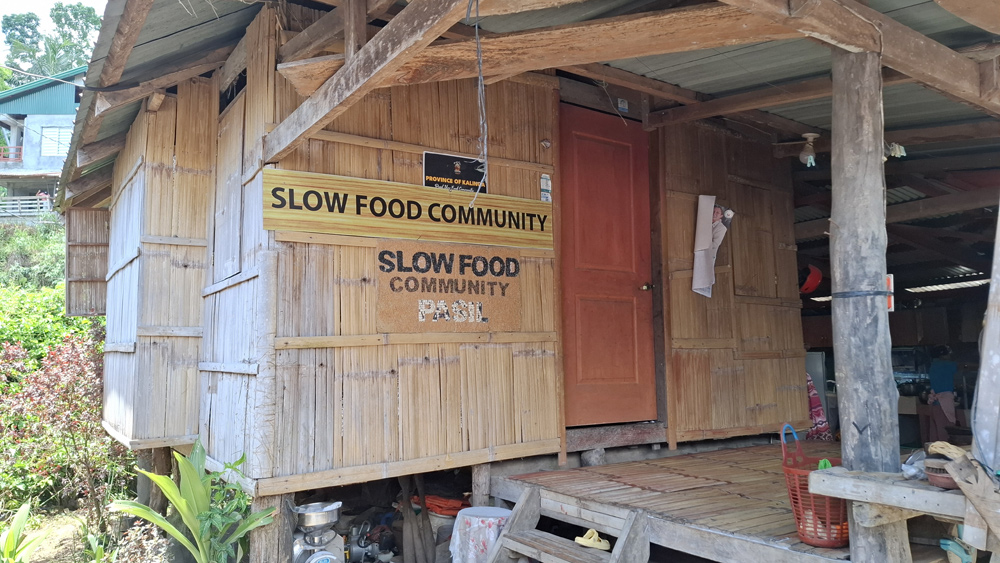
"Noon pa naman, the way we live here, is actually slow food. Gano'n naman talaga. Mayroon lang kasing organization na nagsasabing, 'Bagay kayo sa Slow Food'," explains Jensen.
Aside from the inclusion of the Pasil rice varieties in the Ark of Taste, the municipality's membership in the international network also allows for a boost in food tourism, participation in international food events, provision of training and seminars, and engagement in research. The latter is important as local farmers deal with the effects of the climate crisis on food production.
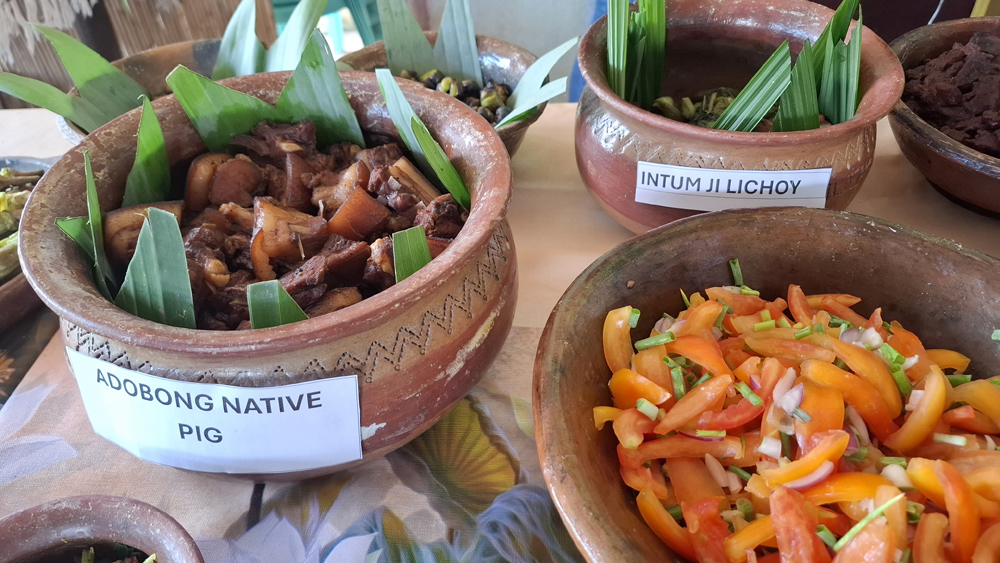
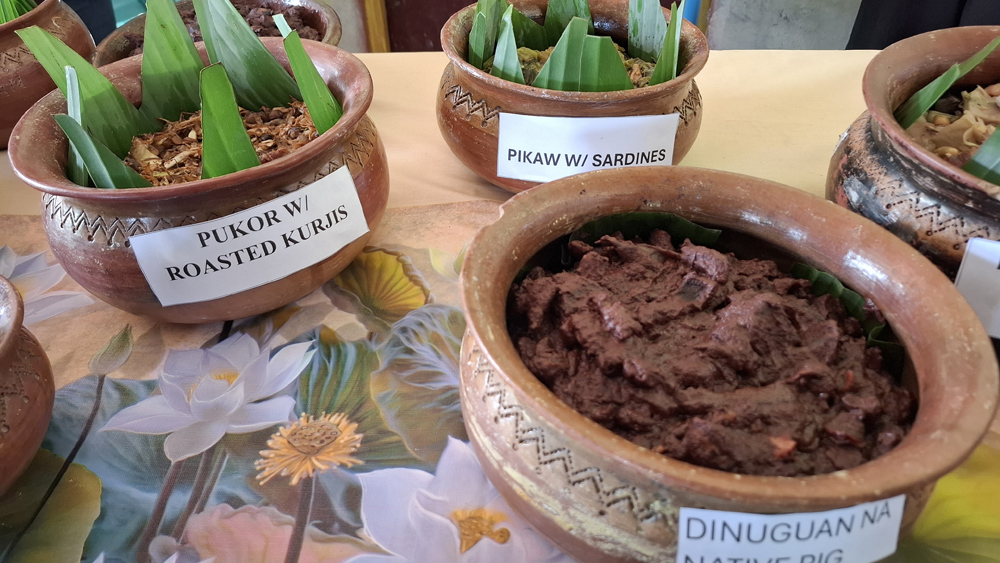
Supply and Demand in Slow Food
The concept of slow food is often criticized for its socioeconomic barriers, citing that slow food preparation can be an additional burden to both the producers (a lower yield, for example) and the consumers (higher cost).
Jensen explained that the produce from Pasil is often brought to Tabuk, the capital of Kalinga, where the supply often cannot meet the demand.
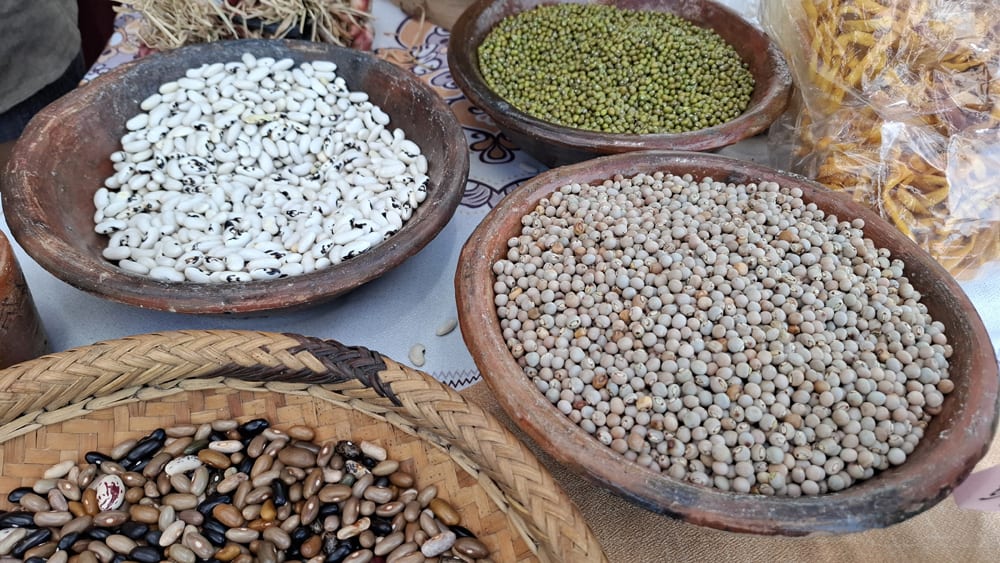
"That's good kapag nauubos, ibig sabihin kumita ang farmers. But honestly, hindi pa rin gaano kalaki 'yung potential sa income," he says.
For now, community-based consumption and production are the most important for Pasil as it tries to be self-sufficient, drawing food from its own soil (as it has always done). And, maybe, as more communities recognize the significance of slow food in protecting local ingredients, minimizing our carbon footprint in food production, and reducing food waste, we could be one step closer to solving the climate crisis and the looming threats to our food supply.
