
Beyond the Plate: Mangan Taku Reintroduces Cordillera's Culinary Roots

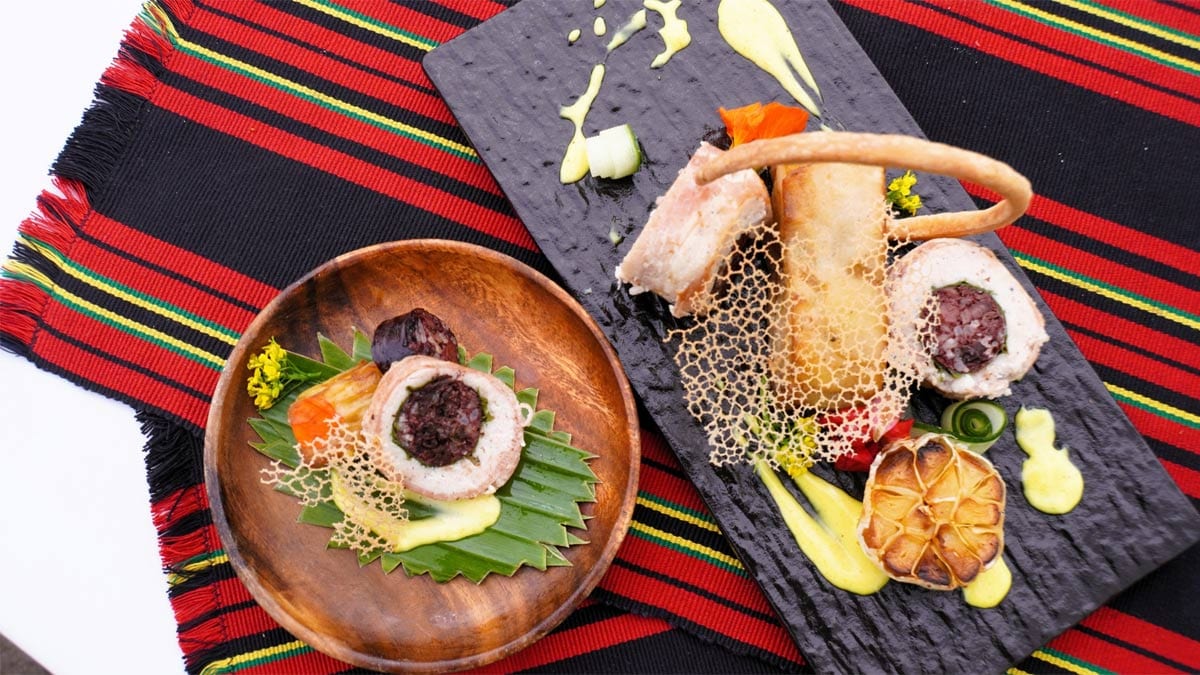
Food is never just about the taste. Every bite is always rich in history, a reflection of a community's traditions, especially those erased by colonization and modernization. And Mangan Taku, the annual Cordillera Food Fair now in its sixth year, hopes to reintroduce the cultural context of Cordilleran cuisine, especially to local tourists.
"It's not just the food, it's also about introducing food as part of culture. In Cordillera, most of our food is medyo ritual-based," DOT-Cordillera Regional Director Jovita Ganongan tells Esquire Philippines in an interview on Day 2 of the 6th Mangan Taku, which opened on April 24 at the Rose Garden, Burnham Park, Baguio City.
According to the Baguio City Public Information Office, the Mangan Taku Food Fair was also institutionalized by City Ordinance No. 81 in 2019 and in line with Proclamation No. 469 issued in 2018 declaring the month of April as Filipino Food Month "with the aim of promoting the appreciation, preservation, and promotion of Philippine culinary traditions and treasures, ensuring the transfer of knowledge to future generations and support various industries, farmers, and agricultural communities."
ALSO READ:
This Baguio Distillery Makes Whiskey That Is 'Distinctly Filipino'
Chef Didier Derouet: The Man Behind the Famous Croissants in Baguio
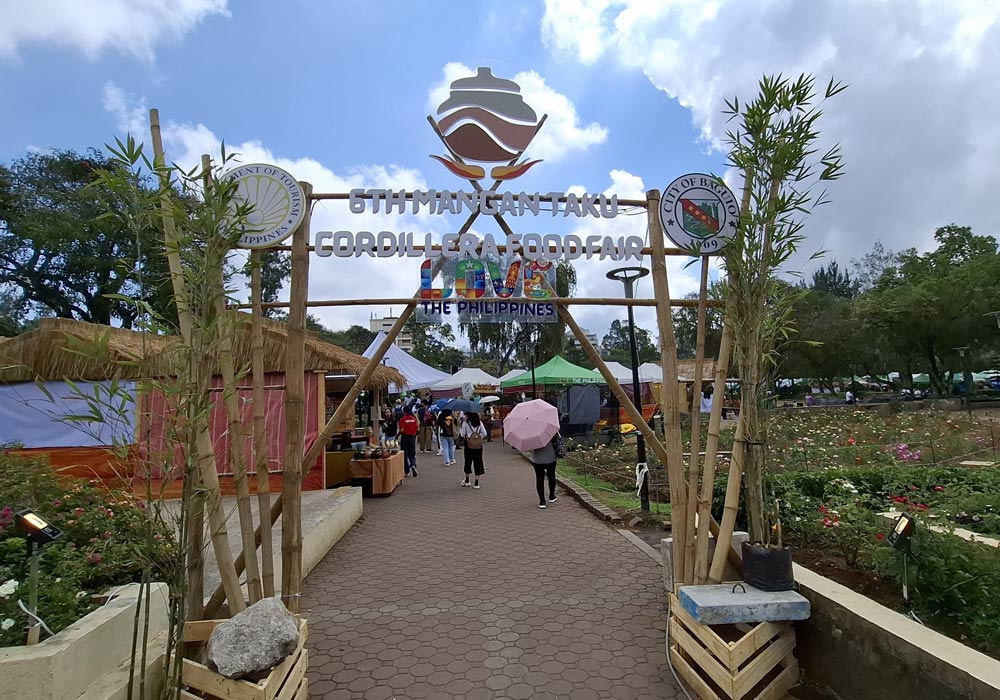
Mangan Taku: A Cordillera Culinary Gathering
"Mangan Taku," in the local Kankanaey language, means "let's eat" or "come let's eat," signifying Cordillera dishes' inclusive spirit.
Cooking "watwat," for example, is expressive of the region's cultural values, as this pork dish is often cooked during special occasions. Indigenous rituals accompany food preparation, such as saying a prayer of thanksgiving after the pig has been butchered and quartered. The large pieces of pork are put in a large pot ("silyasi"), and then boiled until the pieces are tender.
"And then, people would gather and they celebrate, they dance. It's a community-based tradition. After that, they partake in the food. So, everyone would have a share of the watwat. And then, di mo naman maubos talaga 'yun sa laki ng piece na yon. So, you bring it home," Ganogan explains.
And Mangan Taku is exactly that: a gathering of the unique flavors of the Cordilleras. From the highlands of Abra to the valleys of Benguet, and encompassing the flavors of Kalinga, Apayao, Mountain Province, and the city of Baguio, the fair is a testament to the region's rich agricultural heritage and the enduring spirit of its people.
All six provinces of the Cordillera Administrative Region: Abra, Apayao, Benguet, Ifugao, Kalinga, and Mountain Province, are well represented at the Mangan Taku Cordillera Food Fair.
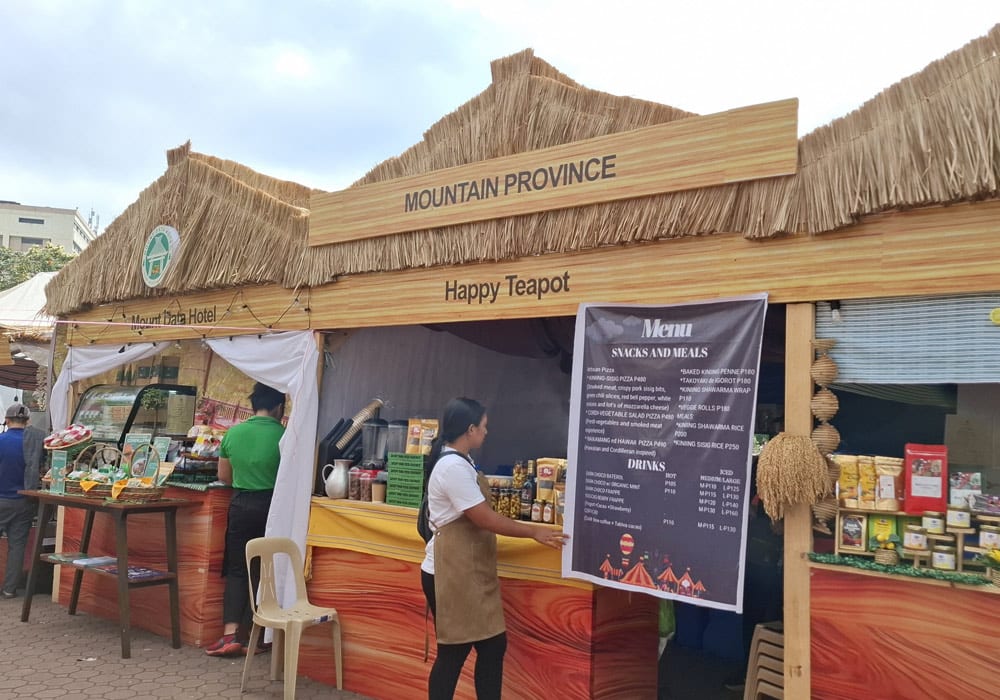
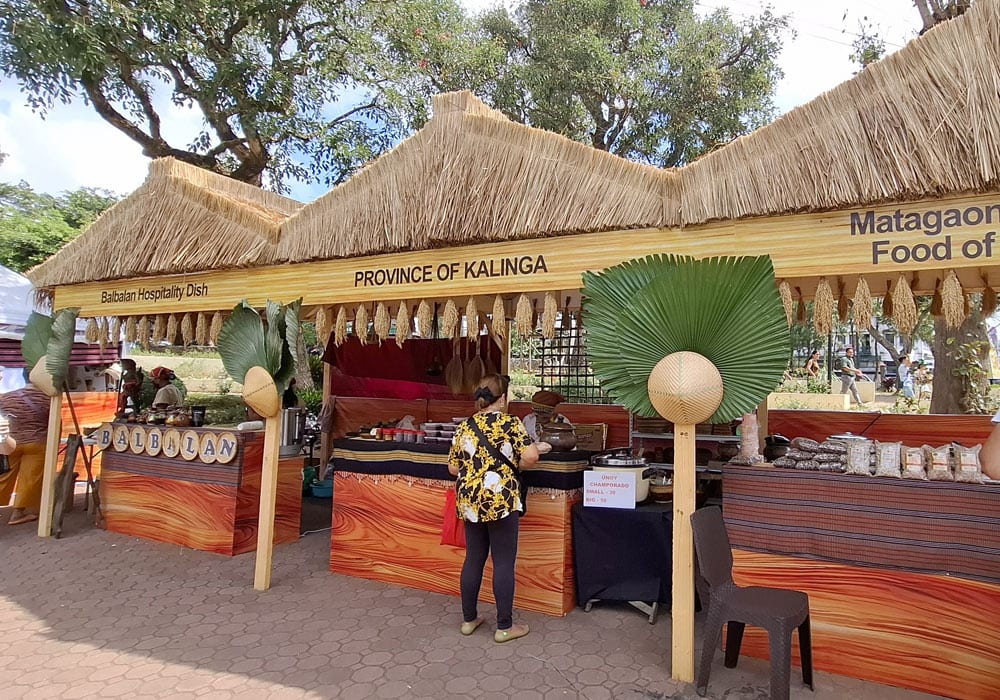
Many of the featured ingredients and dishes are deeply rooted in pre-colonial practices, offering a taste of the ancestral knowledge and resourcefulness of the communities.
"'Yung mga ating fini-feature dito, hindi po ito mga inimbento lang. Nandiyan na yun. It's something that the locals and indigenous peoples know. But because of the influence of the modern world, parang hindi na rin nalalaman ng mga next generation," she explained, underscoring the urgency of initiatives like Mangan Taku in safeguarding this intangible cultural heritage.
The fair also shines a light on unique preservation methods like smoking, exemplified by the popular "itag" (smoked meat) and "kiniing" (Benguet smoked meat), which were traditionally used in the absence of refrigeration. These methods not only preserved food but also imparted distinct smoky flavors that are now integral to Cordilleran cuisine.
"Ito ang nakasanayan kasi walang ref noon. So, ang mga preparation at food preservation nila is by smoke talaga," Ganongan note.
Beyond the food fair, restaurants and hotels serving Cordillera dishes are also given stickers to signify to guests that they also support the Mangan Taku.
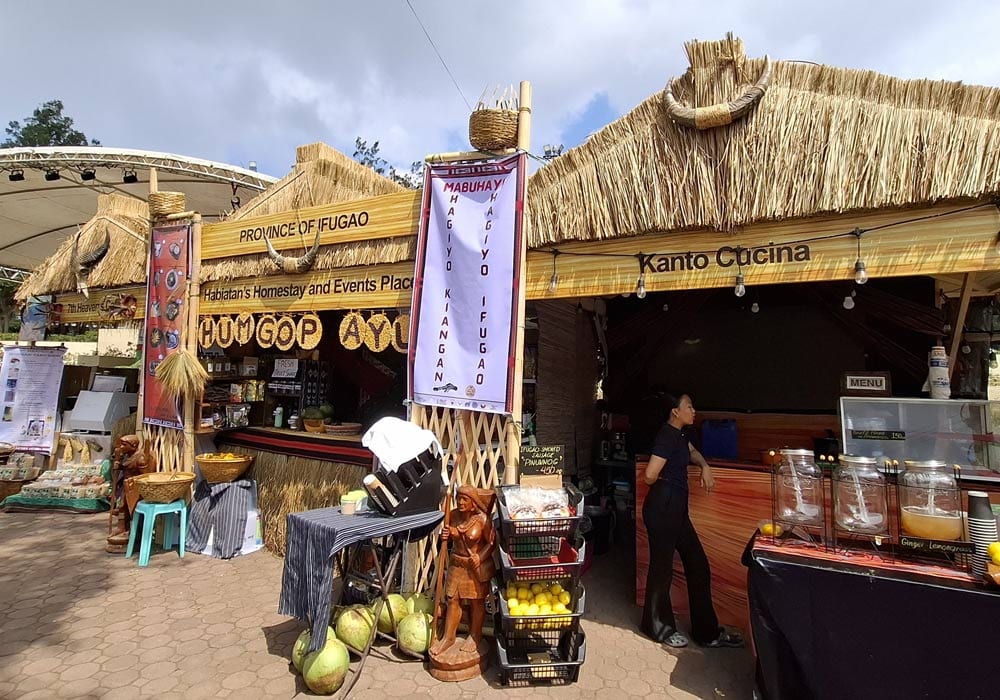
A Platform for Farmers and Farm-to-Table Connections
The fair not only brings these forgotten flavors and practices back into the spotlight but also fosters a crucial connection between local farmers, small entrepreneurs, and the wider culinary world. By providing a platform for them to market their produce and connect with restaurants and hotels, Mangan Taku actively supports the farm-to-table concept and strengthens local food networks.
"We want to expose our farmers. This is actually a platform for them to also market their products, to be able to connect with the restaurants who are here, the communities who are here. It supports the concept of farm-to-table market. Sila-sila na lang ang nag-uusap, they don't need to go anywhere else, diretso na. The chefs who are here, meron na silang business partnership with the farmers," Ganongan adds, emphasizing that this is one of the best results from all those years of Mangan Taku.
The Cook Fest was held on the second day, April 25, of the 6th Mangan Taku Cordillera Food Fair.
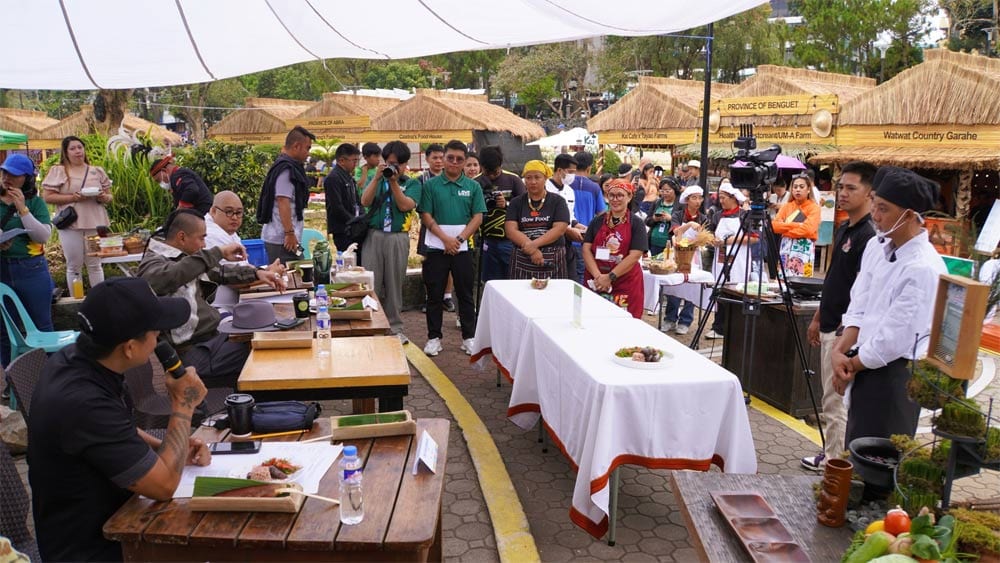
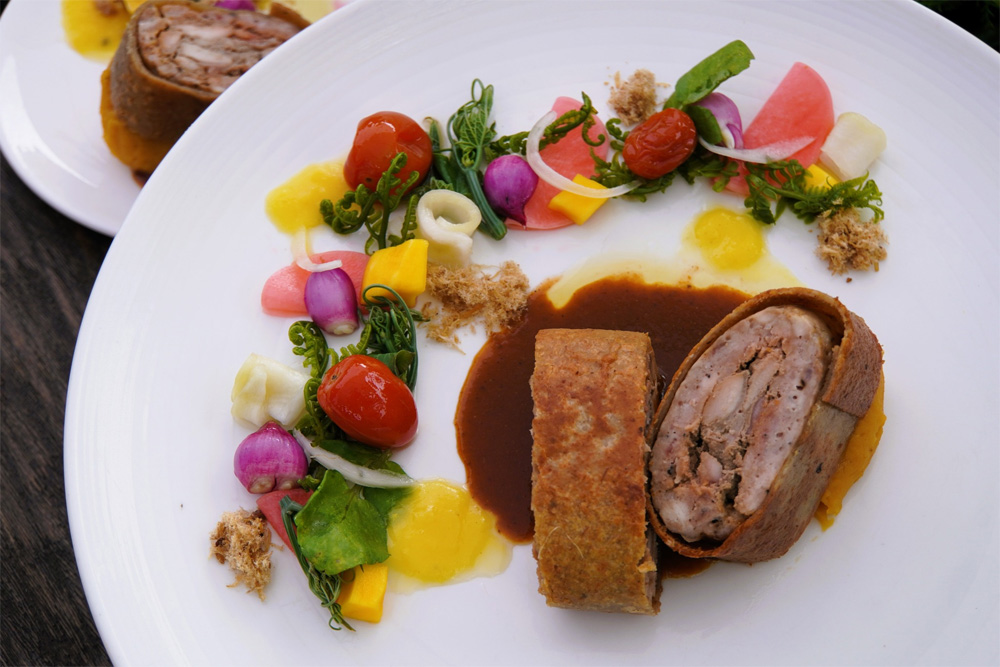
As the interview was ongoing, this kind of networking was happening in real-time during the Cook Fest. Fifteen participating establishments and institutions presented traditional Cordilleran dishes and indigenous ingredients with their own innovative twist.
Chef Miko Dy, Chef Kalel Demetrio, Chef Chavi Romawac, and Chef Stanley Suva served as judges, asking about sustainable practices and—more importantly— connecting with the participants and their suppliers. Later in the day, when we visited Alapaap Dining at Mt. Camisong Forest Park and Events, Chef Suva told members of the press that most of the contacts he now has for the restaurant were those he got from the previous Cordillera Food Fair.
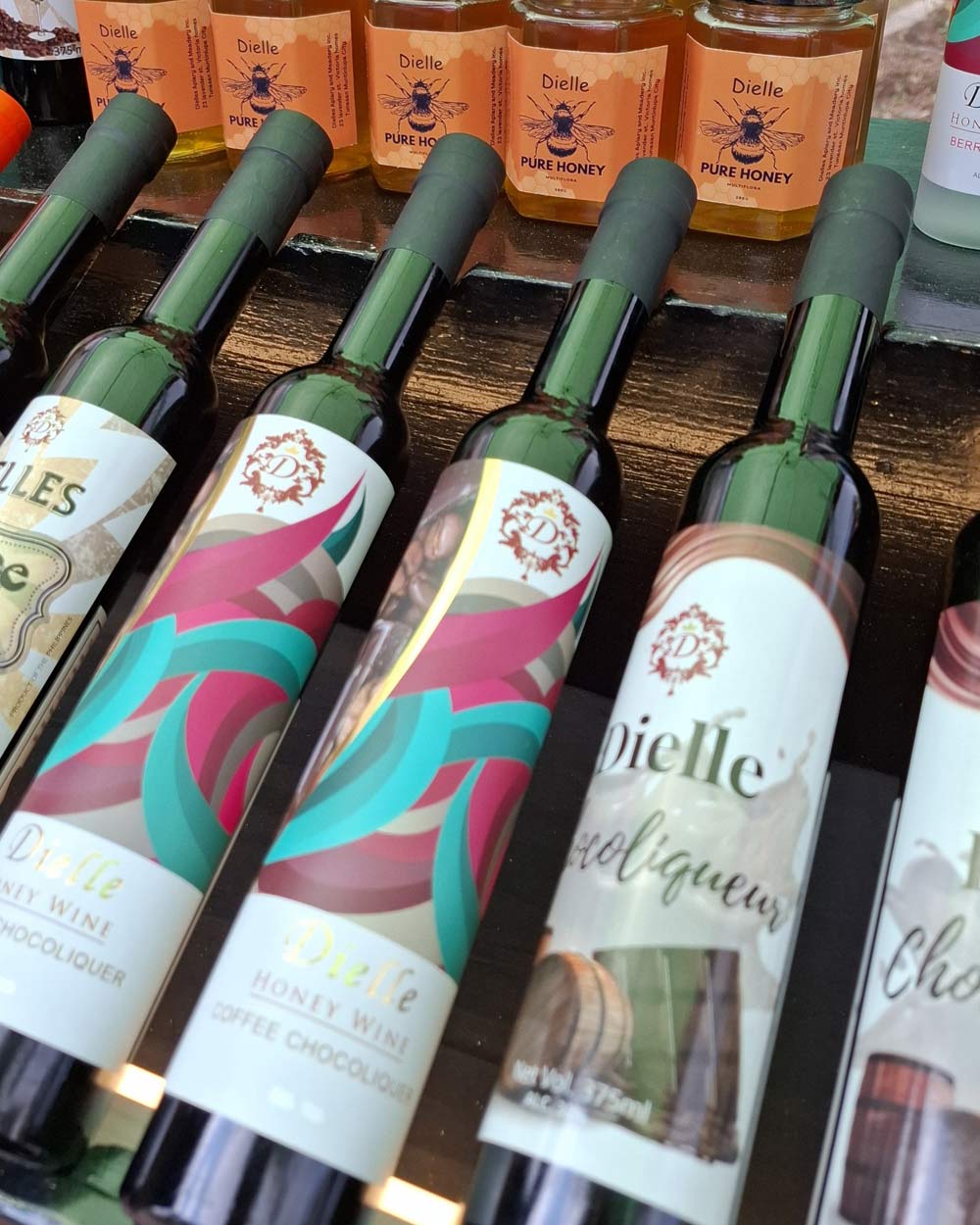
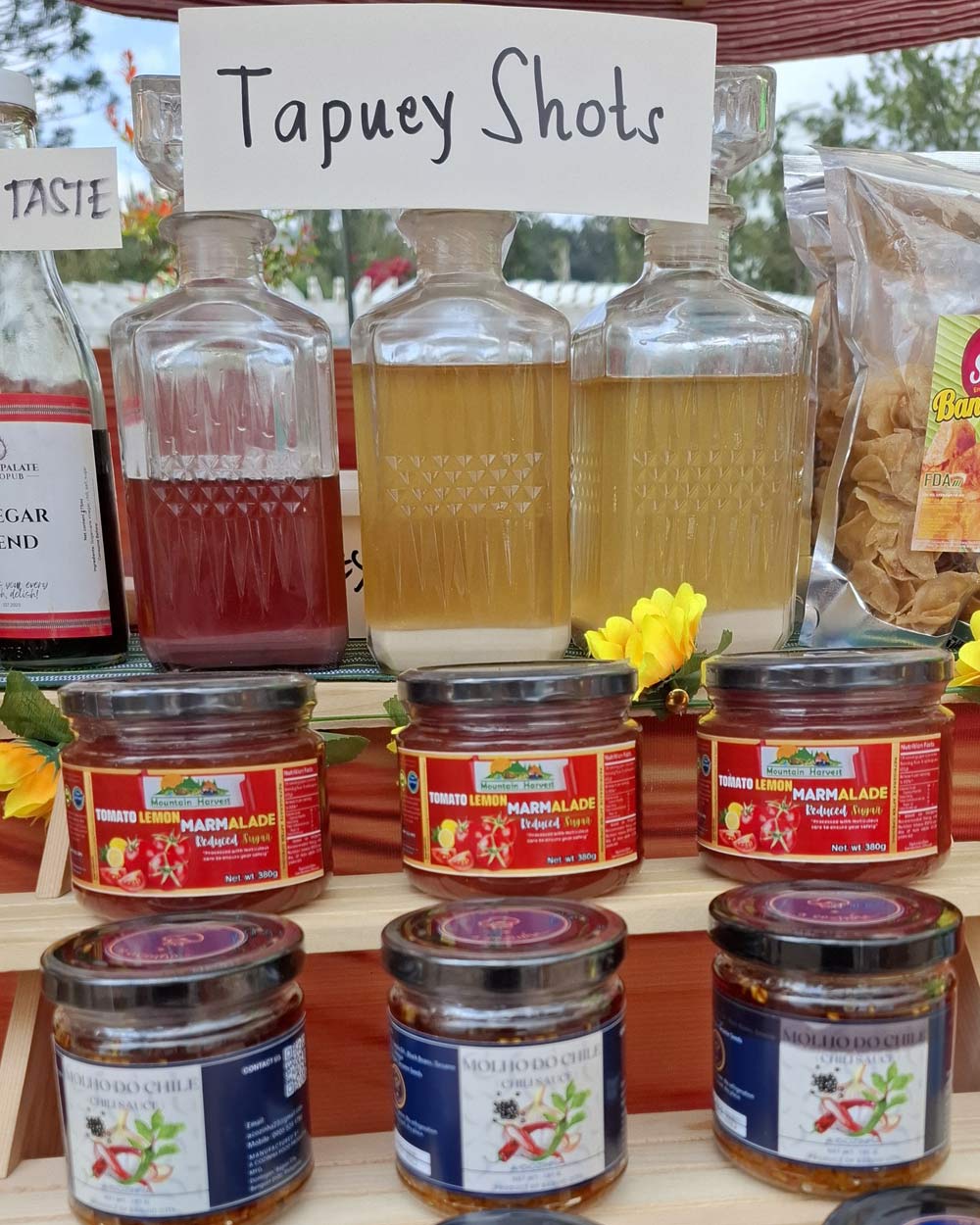
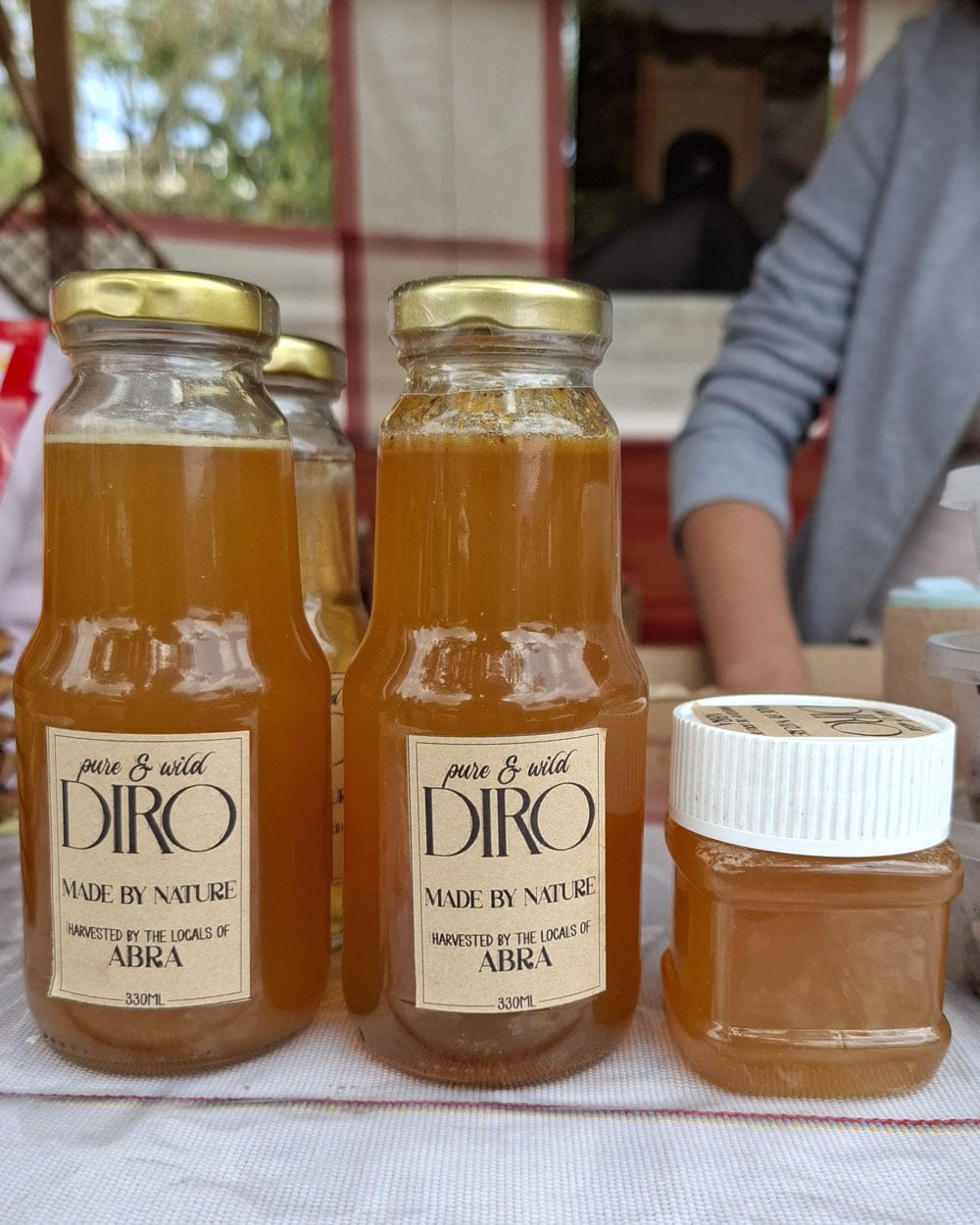
Exhibitors range from neighborhood cafes and restaurants serving Cordilleran cuisine to entrepreneurs selling local produce.
Revitalizing Traditional Food
When asked about her thoughts on "modernizing" traditional dishes, Ganongan pointed out the importance of defining the context of the innovation.
"Food is cultural, but it also evolves. It should be rooted in tradition, but it can evolve. You can innovate, but in your narrative, you can say that this is part of the inandila of Kalinga, for instance," she says. Inandila is a traditional Kalinga dessert made from glutinous rice, coconut milk, and sugar.
Creating dishes is also a way of preserving heirloom rice varieties, for example, that are in danger of becoming extinct.
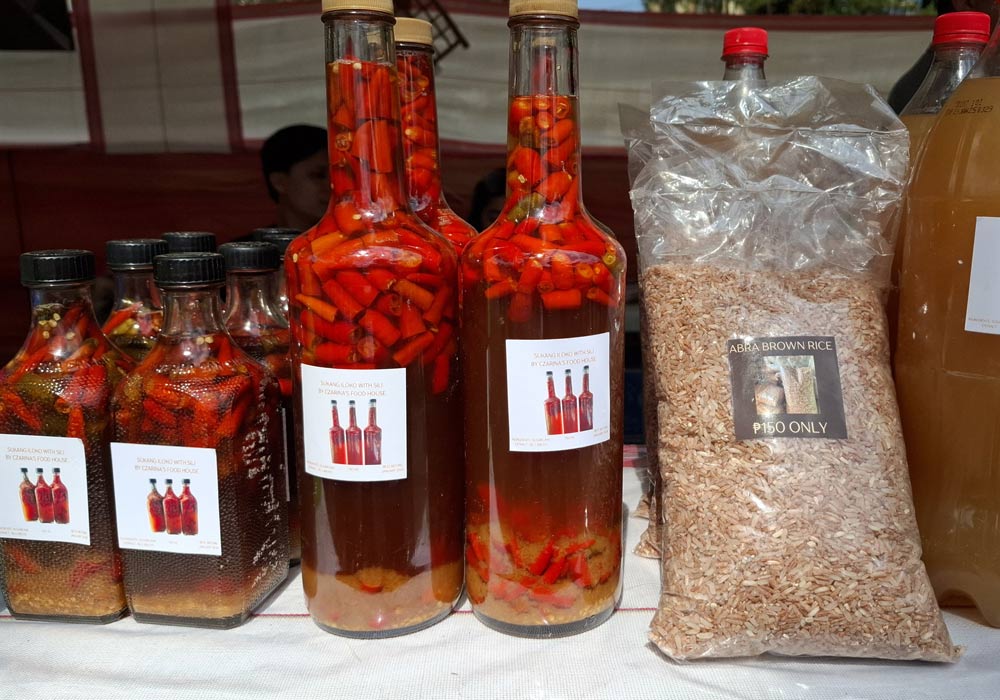
"It's a call to action for consumers, in the way we also consume the food. Kung ilalagay natin sa consciousness natin 'yung about respect, also helping the livelihoods of farmers natin, 'yung mga locals natin, 'yung mga small growers in the community," Ganongan adds.
With 38 exhibitors this year, the 6th Mangan Taku Cordillera Food Fair continues to grow, not just in size but in its impact on preserving culinary heritage, empowering local communities, and positioning the Cordillera region as a significant destination for gastronomy tourism.
The 6th Mangan Taku Cordillera Food Fair runs from April 24 to 28 at the Rose Garden, Burnham Park, Baguio City.
