

Bonifacio Rum: From the Fields to the Glass, Flavor Is Freedom

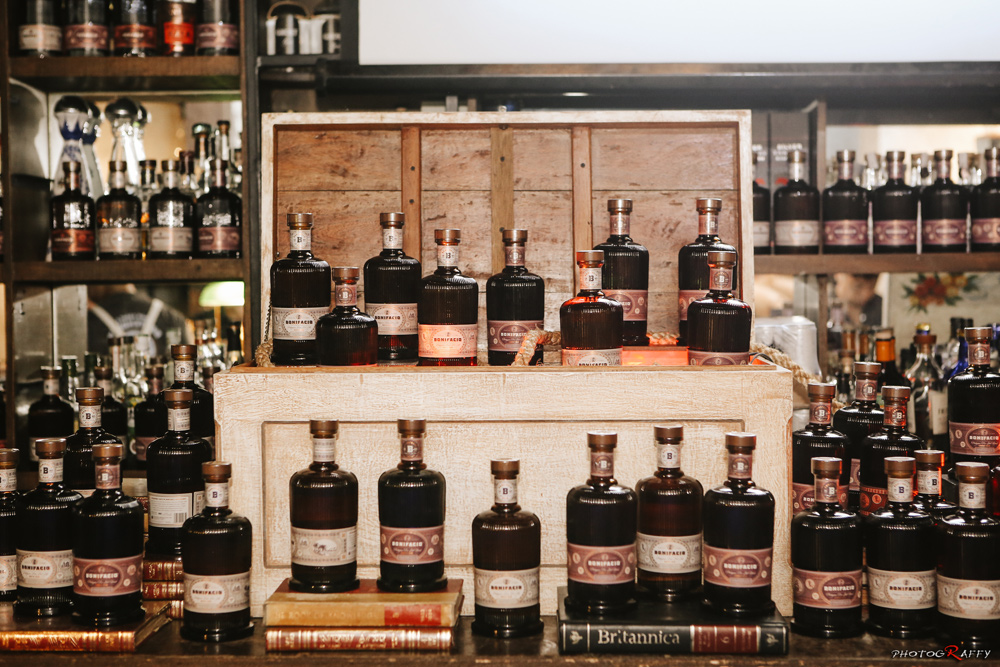
On August 18, Destileria Limtuaco launched Bonifacio Rum at The Spirits Library in Makati, before a guest list of bartenders, bar professionals, industry insiders, and media. Limtuaco, founded in 1852, is the oldest distillery in the Philippines—its lineage stretching across five generations of blenders, its brands spanning more than 40 labels. From the Siok Hoc Tong, once poured into tiny glass mugs to be sold by the centavo in sari-sari tingi culture and now revived in craft cocktail bars for its distinct herbal, medicinal flavor, to its line of Philippine Craft Spirits, Limtuaco has always straddled the divide between mass and artisanal. It turns out that bartenders have worked with Bonifacio Rum for nearly a decade, but this launch signals its readiness for the wider public.
Destileria Limtuaco launched Bonifacio Rum at The Spirits Library in Makati last August 18.
ALSO READ:
The World's Bestselling Rum Brand Is Filipino and It's Not Even Close
What Makes a Rum Inherently Filipino? This New-School Spirits Maker Has a Few Ideas
Don Papa's New President Jo-Ann Ramos on the Future of the Homegrown Rum
Destileria Limtuaco was established in 1852 during the Spanish colonial era. It is now known as the oldest extant distillery in the Philippines.
For many young Filipinos, the first encounter with alcohol is not a curated tasting, not a guided exploration with a mentor who swirls a glass and talks of oak and terroir. It begins in the dark alleys of pooled leftover allowance and entry-level salaries—with the bilog or the lapad. Cheap, harsh, unkind to the tongue. Lasang barnis, we would say lovingly. We drink gin or rum drowned in sachet pomelo, iced tea, lime soda, or cola to mask the burn, but eventually we learn to hit that sweet spot where, in the case of rum, caramel and chocolate shine faintly through the sharpness of the cola. We call it suwabe.
Later, when we graduate from bottom-shelf bottles, we carry the same instinct. Even with finer stuff, we search for that smoothness that slides down the throat without a fight. Aaron Aw, Executive Vice President of Destileria Limtuaco, describes this tendency with generosity: “Easy to drink but unfortunately, often misinterpreted as flavorless.”
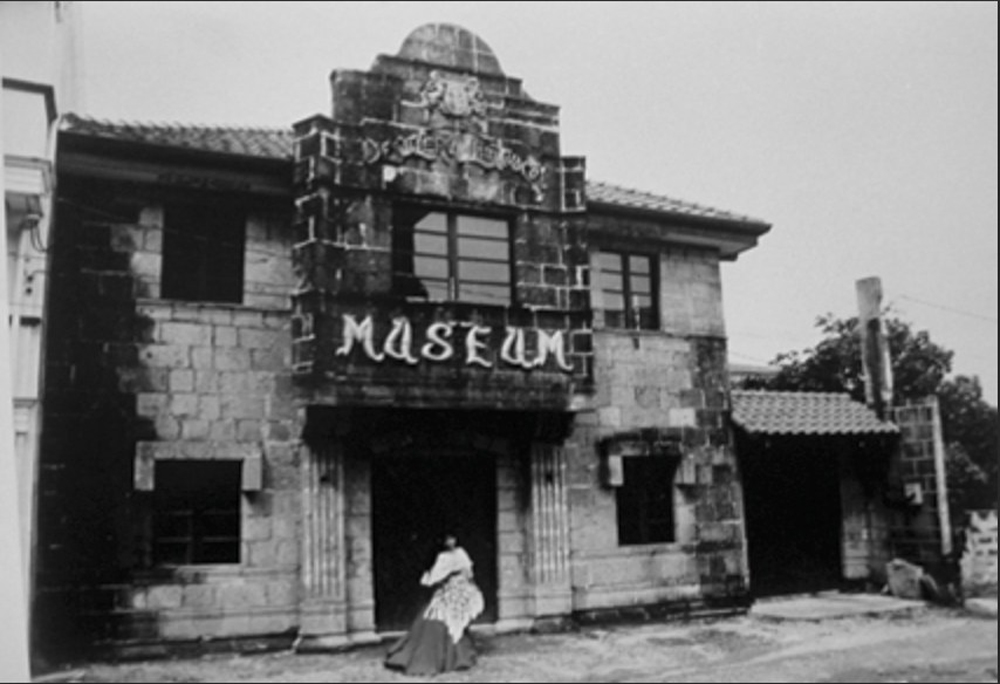
The Destileria Limtuaco Museum in Intramuros was originally built in 1982 to preserve the company’s history.
For generations, Filipino drinking culture has prized suwabe—spirits so smooth, so stripped of character, they all but disappear on the tongue. Take, for example, mass market lambanog is a neutral spirit. It is a quality mistaken for purity, when in truth it is a relic of binge-drinking habits, a condition where the measure of value was how much one could consume without the snag and choke. In that world, character was a flaw, flavor an obstacle. But binge drinking in the Philippines does not exist in a vacuum. It mirrors the history of rum itself: born from Caribbean plantations, distilled from the sweat of enslaved labor, consumed by workers who sought escape from the chains of toil. Escapism, when seen in retrospect, is a mirror: it reflects the material conditions that demand release, or revolution.
Destileria Limtuaco’s brand message is clear: The refined taste of heritage and excellence. Aaron reflects: “I was really thinking of how we could market a rum like this. It's something that people aren't used to, and that's also the reason why, since 2008, we've been making this rum, but we haven't really sold a pure version of it.”
Bonifacio Rum is named after Bonifacio Limtuaco, Destileria Limtuaco’s first-generation master blender.
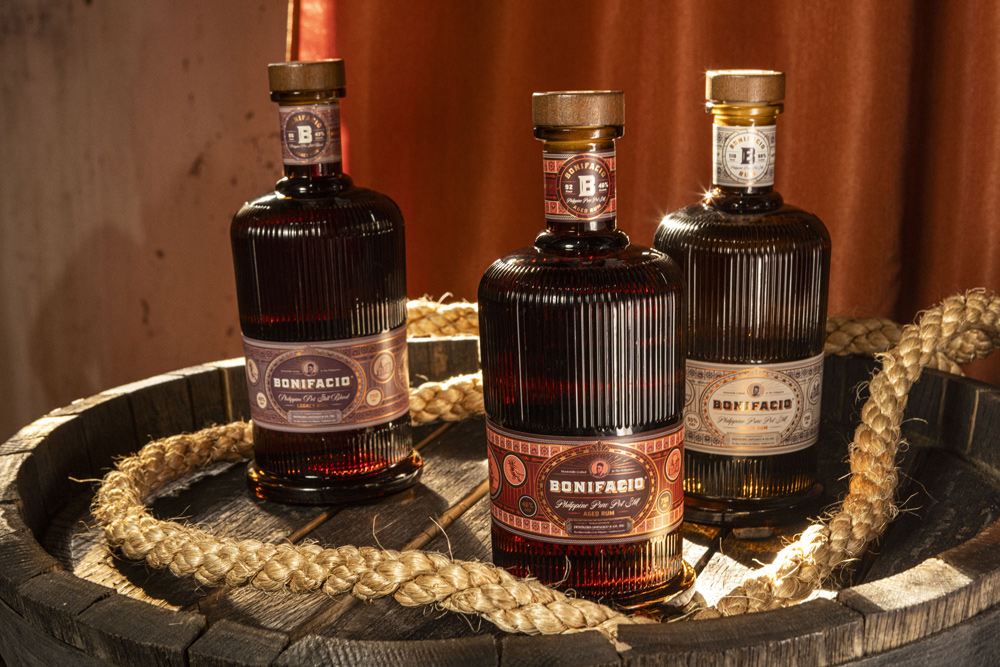
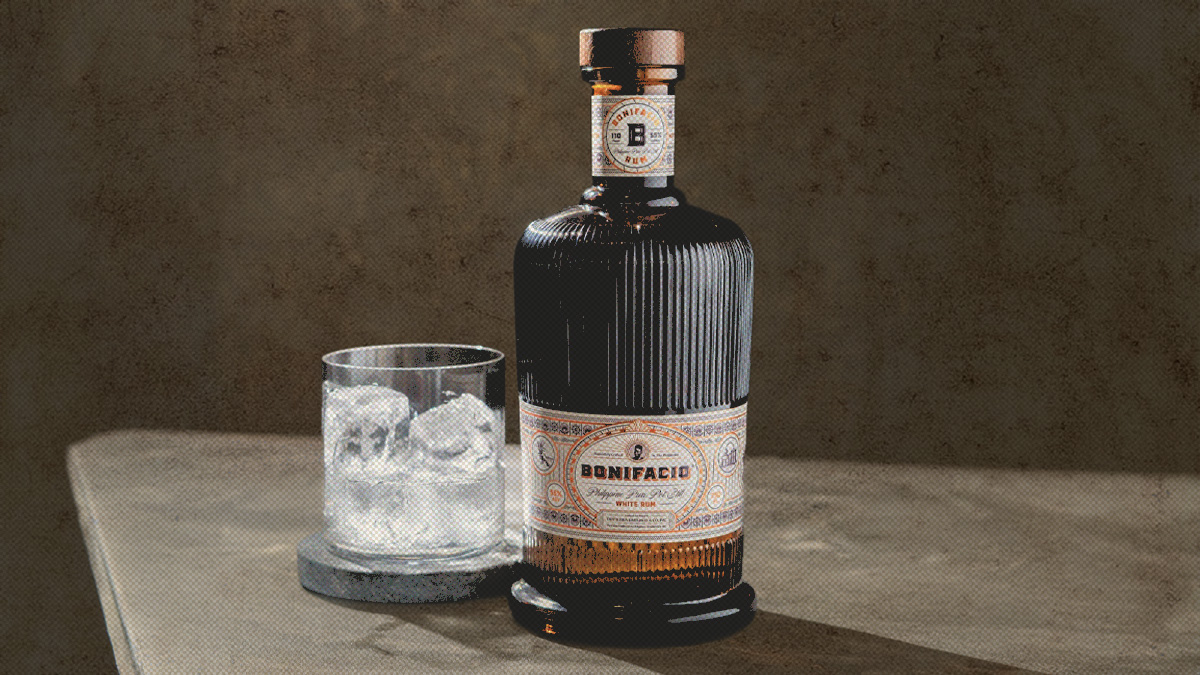
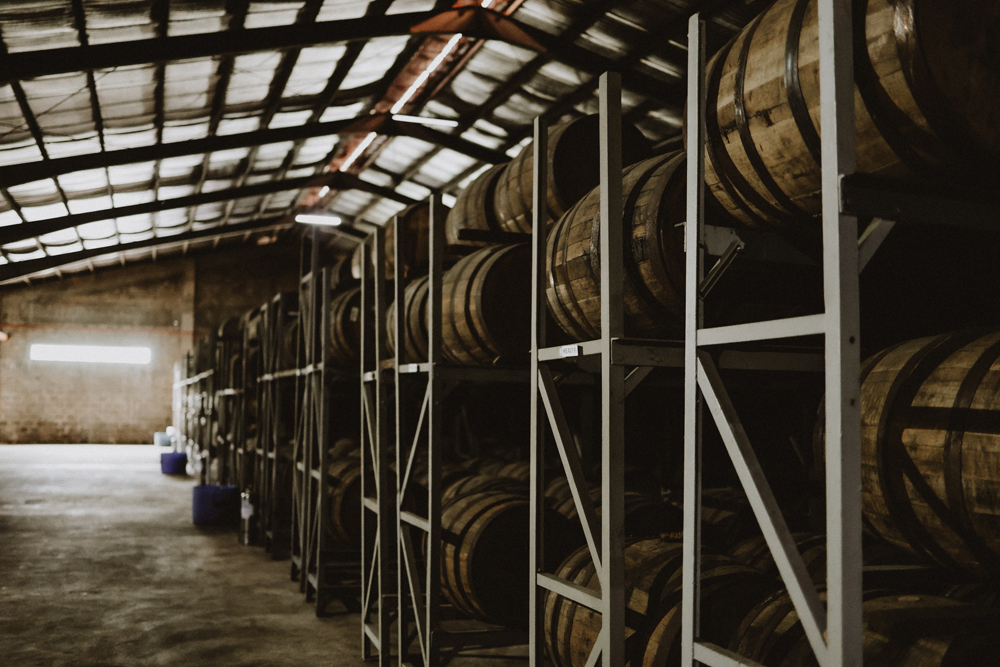
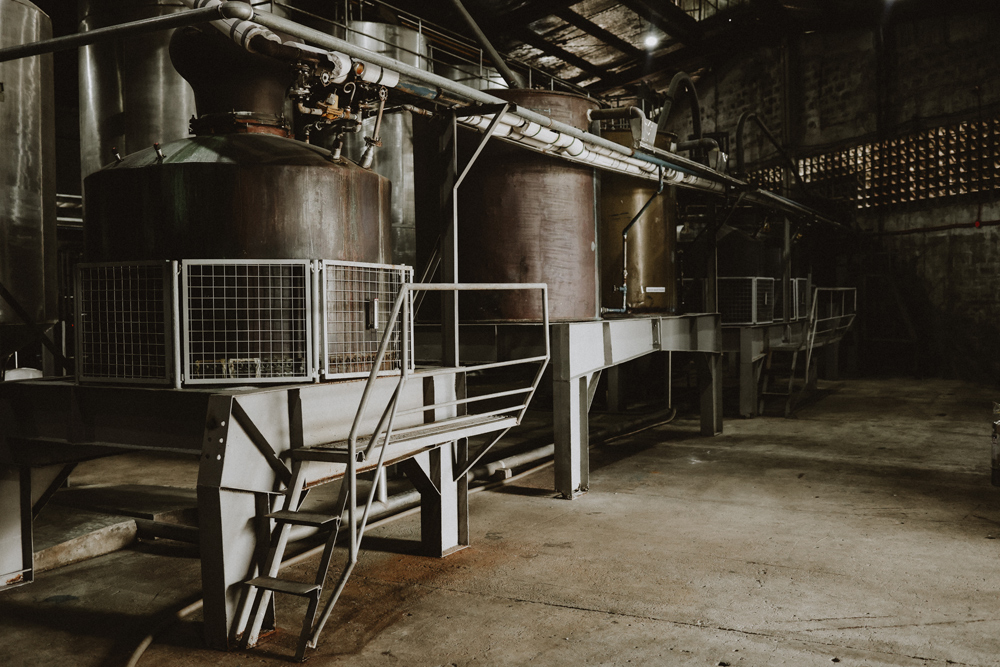
Named after Bonifacio Limtuaco (not Andres), the distillery’s founder, this line of pot still rums includes three expressions: the Legacy, blended with a more neutral column still spirit; the White, clean and luminous from the heart; and the Aged, matured in bourbon casks, all three carry the heavier compounds from the tail—compounds most producers discard. The fruity esters recall and are toyingly compared to burning tire; they are the bold signature of craft; master blenders select and refine ratios of heart and tail for a depth and span that can only be described as storied.
This is where the attitude shifts. Around the world, the new generation of drinkers is discovering that artisanal spirits can be profound. A well-made rum can be complex and yet perfectly drinkable, layering fruit, spice, molasses, oak, smoke, and definitely burning tire. Bonifacio demonstrates how the choices in distillation and blending echo directly in the glass: molasses deep with chocolate and dark fruit in Bonifacio Legacy, fruity esters alive with brightness in Bonifacio White, or vanilla and spice coaxed out of oak in Bonifacio Aged.
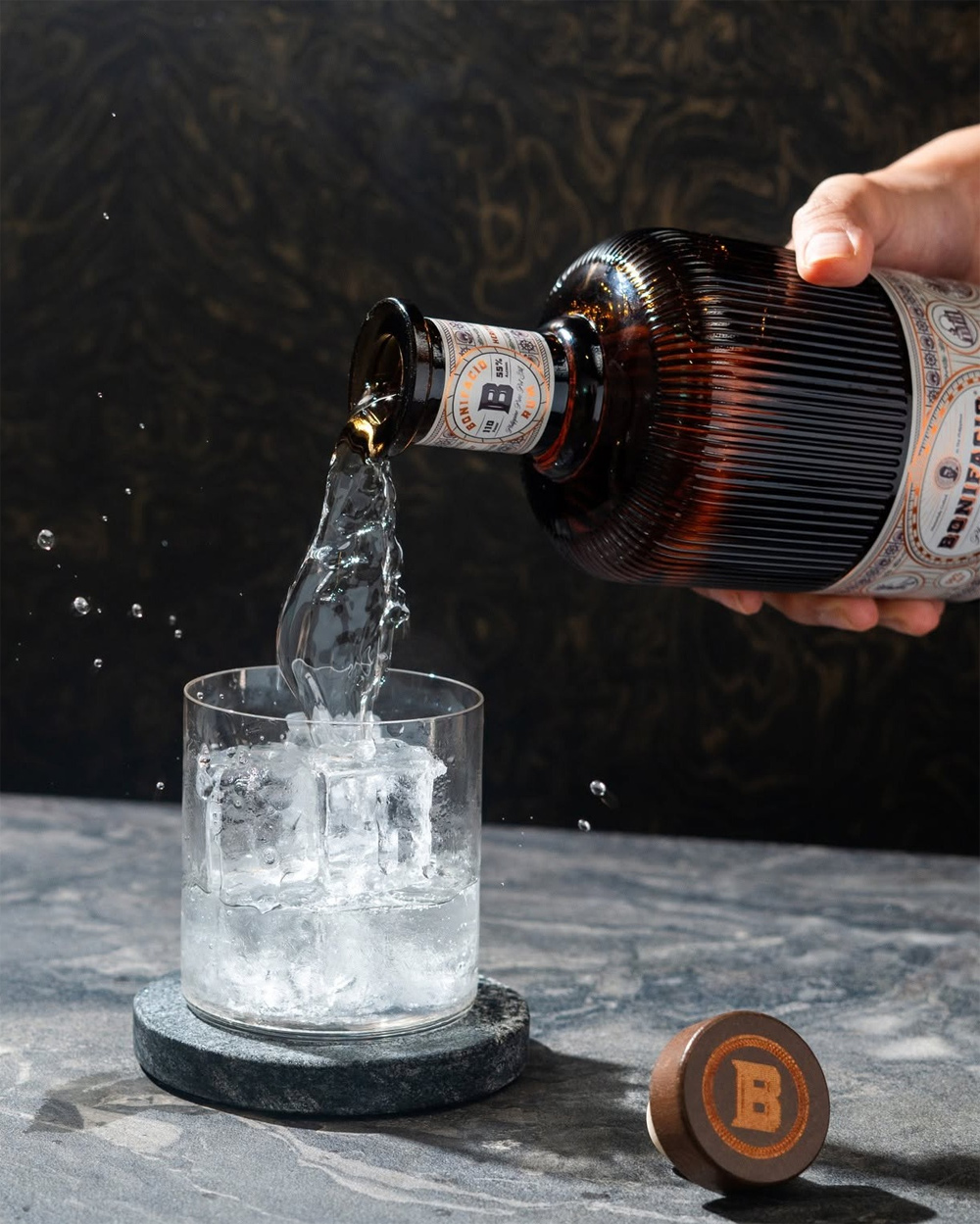
Bonifacio White Rum

“So we were thinking, why not create a brand for this... it’s just a really cool story, right?” Aaron muses. Yet the story is not just about branding. The blind spot to realizing a craft culture in Filipino spirits is not a lack of talent, nor sugarcane, nor history. It is the complacency that good liquor should taste like juice or sugar water or nothing at all. To challenge this suwabe mentality is to demand a reckoning: that drinkers value not the disappearance of flavor but its full presence, its history, its labor. That suwabe can be vibrant.
For if Caribbean rum carries the ghost of slave labor, Filipino rum—as represented by Bonifacio—carries the weight of our contested lands, our fragile climate, our workers in the fields of Batangas and Tarlac. To make rum is to cut cane, to boil molasses, to choose what to save from the still and what to discard, to know which parts might blind and which parts will illuminate. In every glass of Bonifacio, one tastes not only sweetness but struggle, not only smoothness but history.
Maybe the response to escapism is revolution: not just to drink more, but to drink differently, with intention. To allow flavor, character, and terroir to be our measure of quality. To recognize in each sip the long arc of labor and the craft that transforms it. In this, Filipino rum claims its rightful place—not merely as something suwabe, it still is, but as something storied, complex, and world-class.
