

The World's Most Expensive Beef Is Now in the Philippines


Matsusaka beef is, by many accounts, regarded as the most expensive and most exclusive beef in the world. And now, this "Queen of Wagyu" has arrived on our shores through a partnership between Ito Ranch, a Matsusaka beef farm in Mie Prefecture, Japan, and Prime Cuts by Doubleday, a Manila-based importer and distributor of premium meats and fine food. This is a welcome addition to the company's portfolio of Japanese wagyu, which also includes Kobe, Ohmi, Olive, Miyazaki, Hokkaido, Kagawa Olive-Fed, Takami Kobe, and more.
When asked how the Ito Ranch Matsusaka Beef would fit into their current menu, Lorenzo Vega, CEO of Doubleday Enterprises, said: "The answer is very simple. It is the best, and it is our leader. Ito Ranch is the best farm." Aside from these superlatives, the export of Matsusaka beef is also quite controlled. "Because distributors in Japan, frankly, keep to themselves and to other first-world countries," Vega added during the official launch last October 16 at Shangri-La Plaza.
ALSO READ:
From Manhattan to Manila: The Story of Wolfgang's Steakhouse
One of the World's Sexiest Morton's Steakhouses Is in BGC
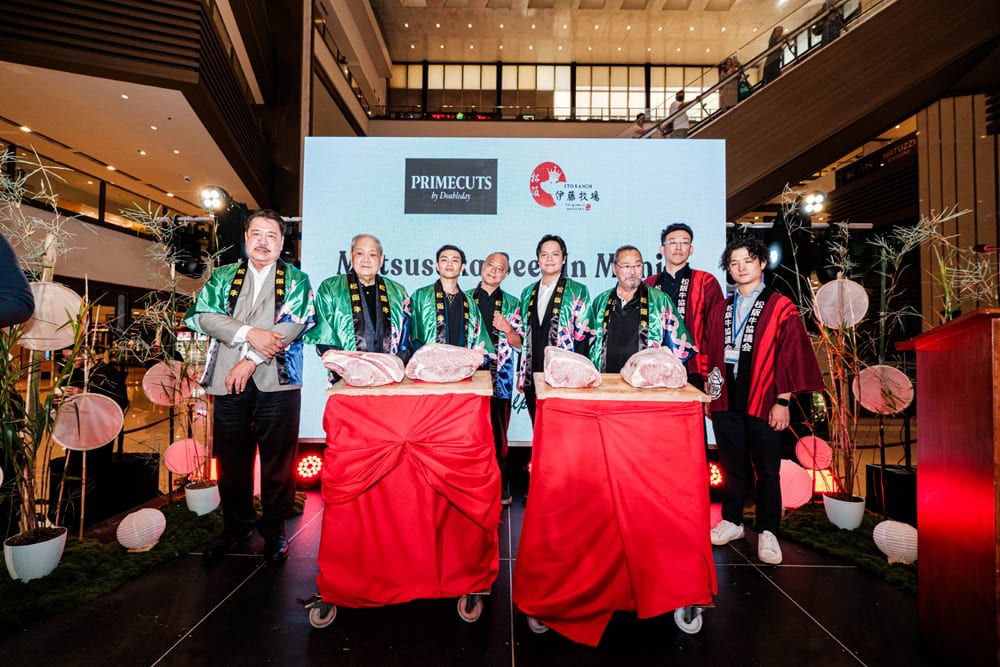
Prime Cuts by Doubleday, Ito Ranch, and Teppanya executives present the Ito Ranch Matsusaka Beef
But it was also an opportunity for the company to maintain its premium status, especially after securing this partnership with Ito Ranch.
"We carefully selected how to distribute our beef in the world. There is only one company in U.S. Only one company in Europe. And only one company in Taiwan, Hong Kong, and Singapore. We believe that Doubleday knows how to handle this carefully. That's why we decided to export to the Philippines," Kunio Kosaka, Overseas Sales Manager of Ito Ranch, said.
While Matsusaka beef was first brought to the Philippines by VicVic Villavencio in the '90s and is served at his restaurant, Ogetsu Hime, this is the first time that Matsusaka beef from Ito Ranch specifically is coming to the country.
Vega confirmed this exclusivity, stating, "If you look at the price list of some of our competitors, you will not even see [Ito Ranch] Matsusaka on their menu. So that makes us the only official exporter of Ito Ranch Matsusaka beef."
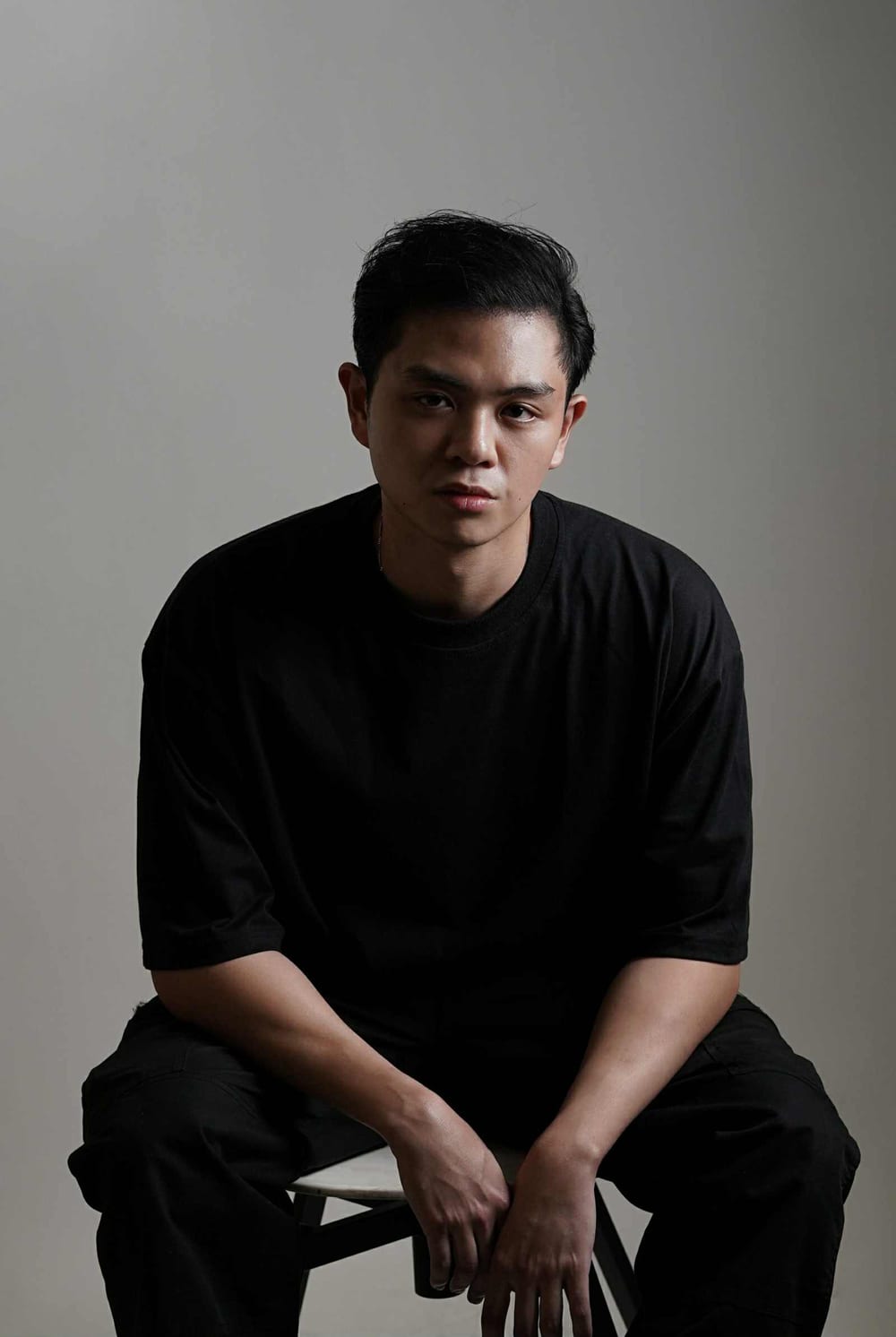
Lorenzo Vega, CEO of Doubleday Enterprises
Why Ito Ranch Matsusaka Beef Is the Most Expensive in the World
"The Matsusaka's price is the highest in Japan," confirmed Kosaka. "All Japanese people recognize it's the number one." Still, he believes, that it's "value for money."
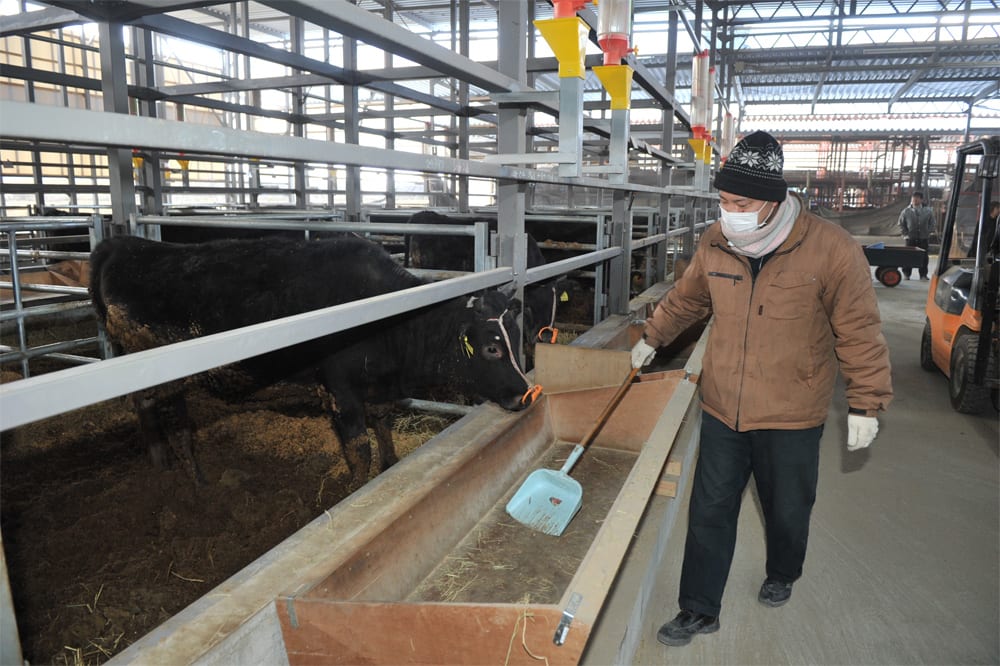
Matsusaka beef is the meat of Japanese Black cattle reared under strict conditions in the Matsusaka region of Mie. It is considered one of the top three premium beefs (Sandai Wagyu), with the other two being Kobe beef and Omi beef. And Ito Ranch specializes in raising these Japanese Black cattle, having developed breeding standards that yield the best quality of wagyu.
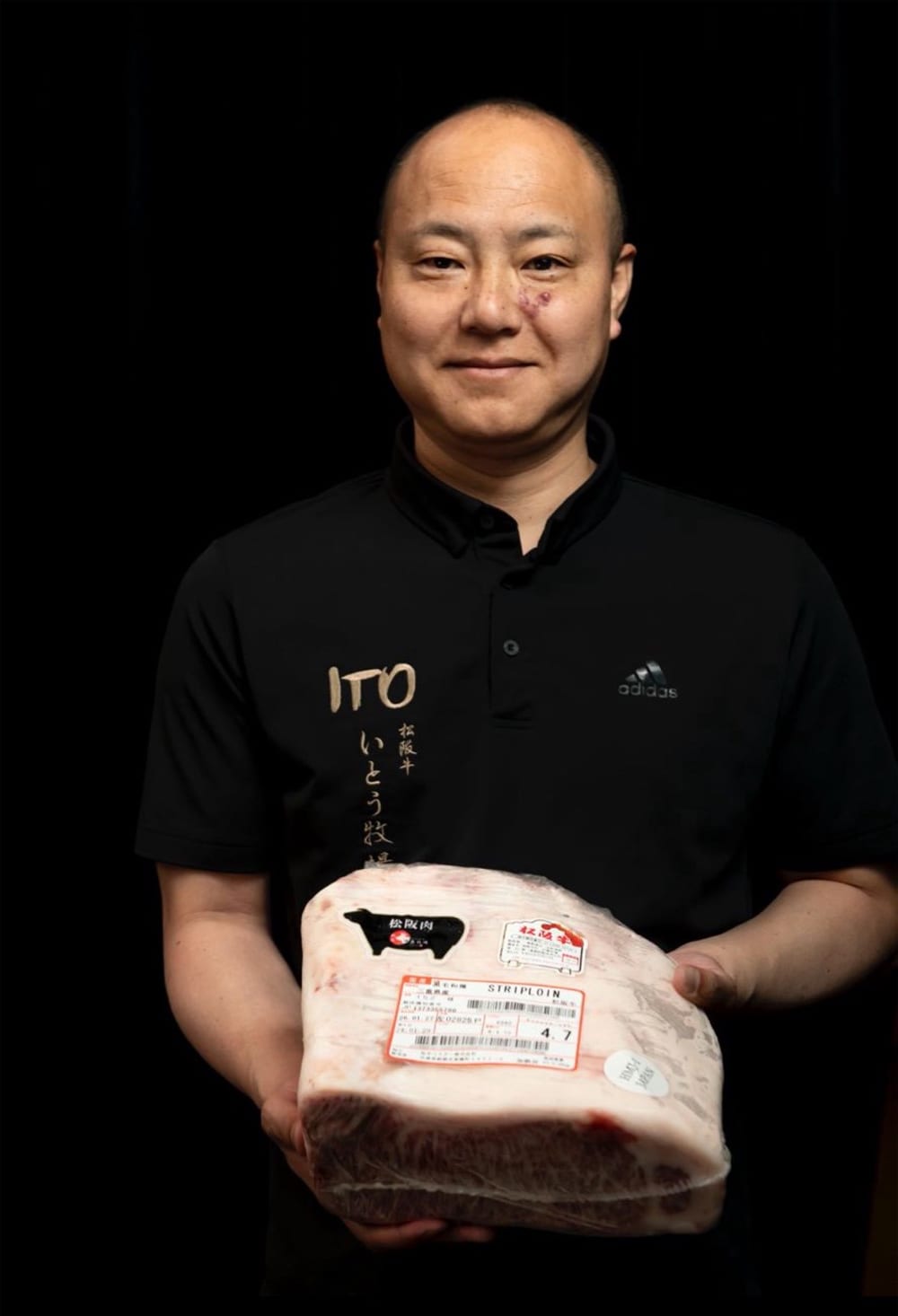
Hiroki Ito, third-generation owner of Ito Ranch, which was founded in 1953.
Ito Ranch's unparalleled reputation and price are tied to the farm's generations-old standards, which earned it over 35 competition wins, thus becoming Japan's most awarded Matsusaka producer. They won six times in the annual Matsusaka Beef Carcass Contest—including a historic three-year Grand Champion streak (2017–2019), making them the first and only farm to achieve this feat.
Kosaka outlined four essential pillars of quality:
- First is a good pedigree, comparing it to horse racing, where quality begins with the lineage.
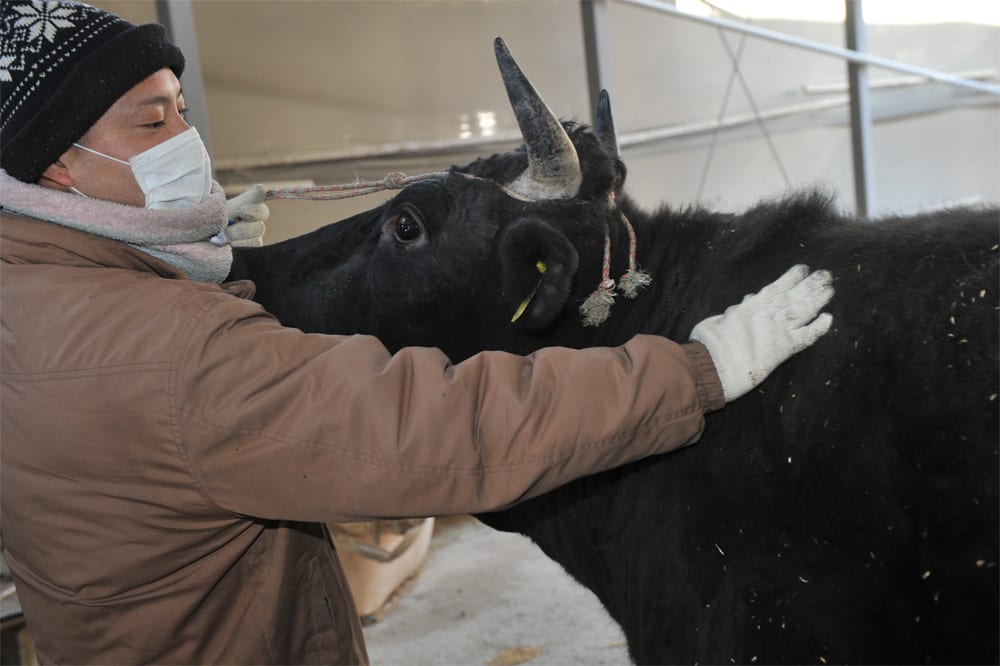
- Second is making sure that the cattle are raised in a stress-free environment. They only place one calf per cage to provide highly individualized care and minimize external factors that could affect meat quality.
- Third, which is probably the most crucial difference, is that Ito Ranch fattens its cattle for over 35 months, compared to the 25-month period by most Japanese farms. Kosaka explained the chemical reason for this duration: "The oleic acid, which is the secret of the taste in the Japanese Wagyu, has increased after 30 months." This high concentration of oleic acid allows the meat to melt at an astonishingly low 12 degrees Celsius, giving it the renowned melt-in-your-mouth texture.
- Fourth is that the precise formula of the cattle's feed remains a proprietary blend. "The mixture is, sorry, it's a family secret," Kosaka said.
Ito Ranch consistently achieves a 90 percent A5 grade ratio for its beef, far surpassing the Japan Meat Grading Association's average of 12 percent for all genuine Japanese Black cattle. The ranch is annually ranked as a top-tier farm.
For the Filipino diner, tasting Matsusaka beef is an experience far beyond standard A5 Wagyu. It is a lesson in subtlety and refinement. Vega described the unique flavor profile: "It's the subtleties of the flavor. It's the same feeling as when you touch premium leather, but imagine flavor-wise. It's the subtleties that really set it apart from other beefs. And of course the oleic acid."
Due to the high fat and low melting point, simple preparation is universally recommended to let the natural flavor shine. While Vega pointed out that beef is best enjoyed however you want it to, he also shares his preference: "If you ask me my personal favorite, I like it teppanyaki style, very thinly sliced and grilled. And only salt and pepper, none of that other stuff."
He added that the ideal cooking temperature for a steak cut is medium or medium-rare, which allows the fat to render perfectly.
"Generally speaking, because it's a very fatty cut of beef, medium is very good because what happens is the fat melts and becomes a very luxurious taste. Medium or medium rare. The great thing about something like A5 wagyu or Ito Ranch Matsusaka A5 wagyu is even if you go over, over, over, over, even if you go 10 times well done, it's still delicious. But if you can make it medium, medium is the best," Vega explained. The beef's superior quality even allows it to be safely enjoyed raw as a tartare.
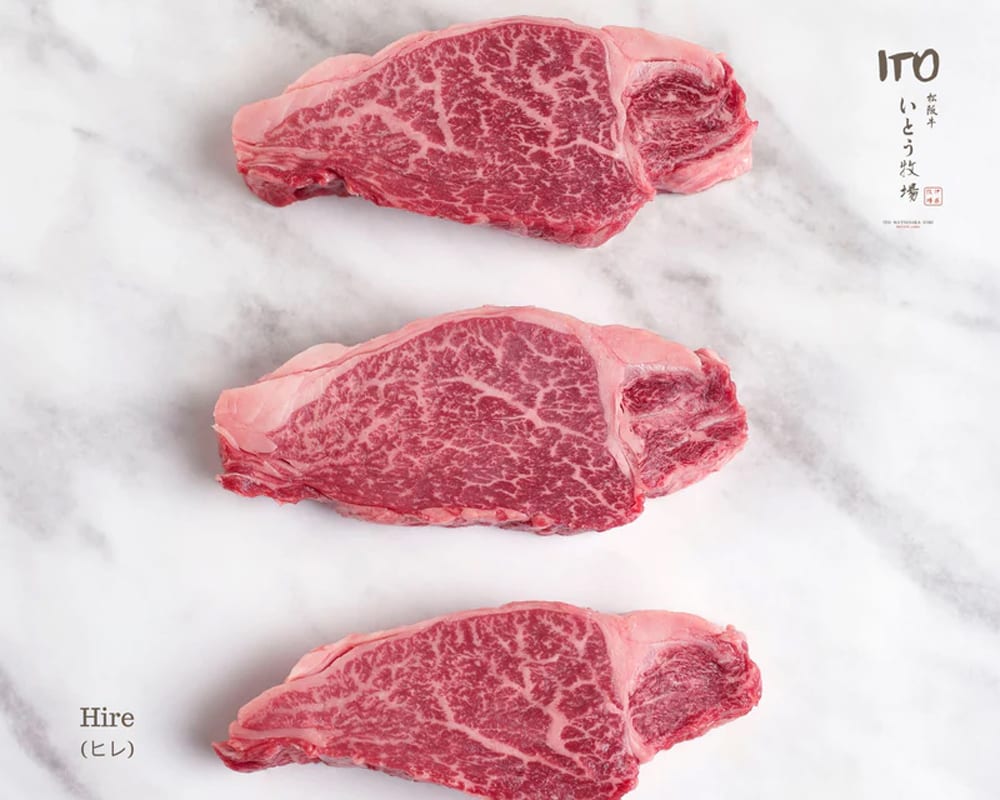
Ito Ranch Matsusaka A5 Japanese Wagyu Tenderloin (P22,990)
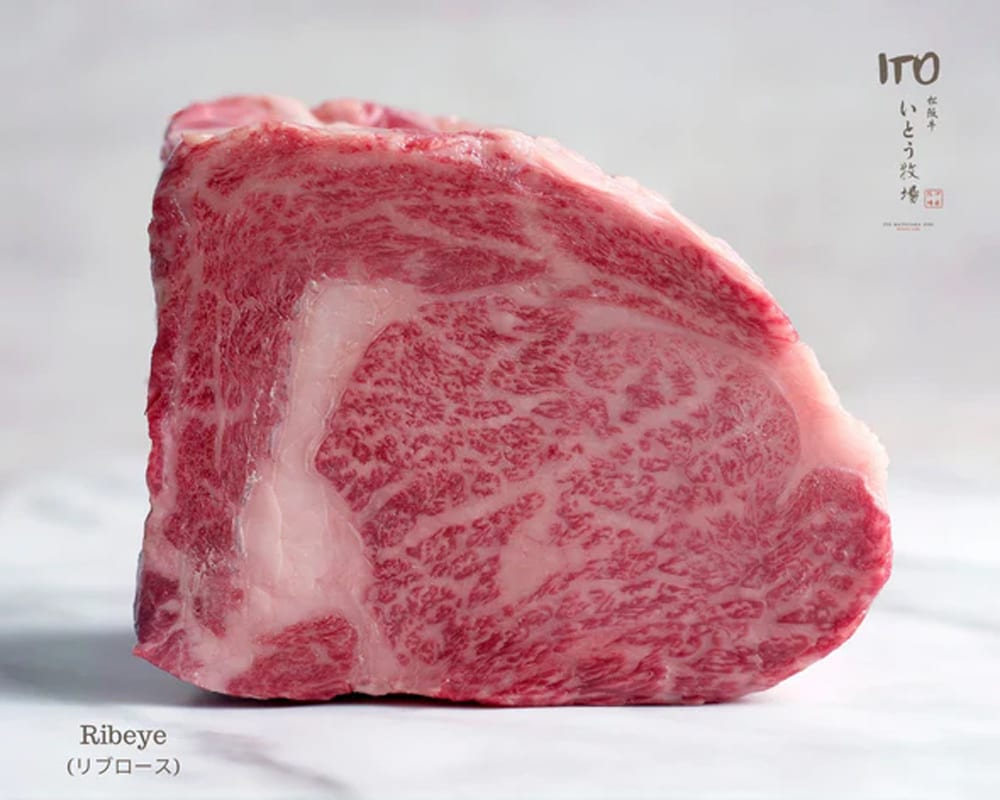
Ito Ranch Matsusaka A5 Japanese Wagyu Ribeye (P16,990)
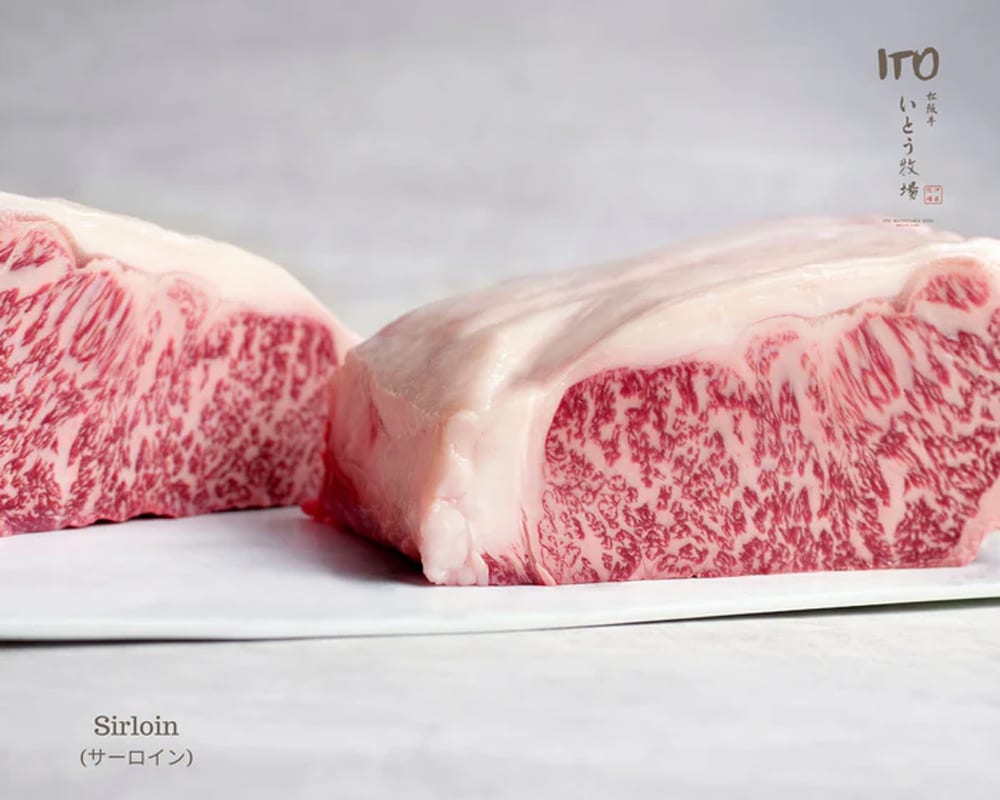
Ito Ranch Matsusaka A5 Japanese Wagyu Striploin (P17,990)
To guarantee the beef's integrity in transit, Doubleday utilizes its own in-house logistics. Vega confirmed that their expertise in large shipments "makes for a very precise and very controlled environment" from Japan to Manila, which Ito Ranch is very conscious about: from the slaughter date to how the meat is preserved. He added that Doubleday is required to purchase at least one entire animal: "We must purchase one whole cow. One head is what they call it." This ensures that every cut, from the prime ribeye to the unique butcher's cuts, enters the local market.
The Ito Ranch Matsusaka Beef is immediately available at partner restaurants like Teppanya and Sicilian Roast, and can be sourced directly through Prime Cuts by Doubleday, with prices ranging from P5,990 (short plate) to P22,990 (tenderloin).
Erratum (October 24, 2025; 10 p.m.): This article was edited to include the clarification that, while this is the first and only partnership of Ito Ranch Matsususaka beef with a Philippine company, it is not the first time that Matsususaka beef has been made available in the country.
