
Hamachi Takes Center Stage at This Quaint Japanese Joint

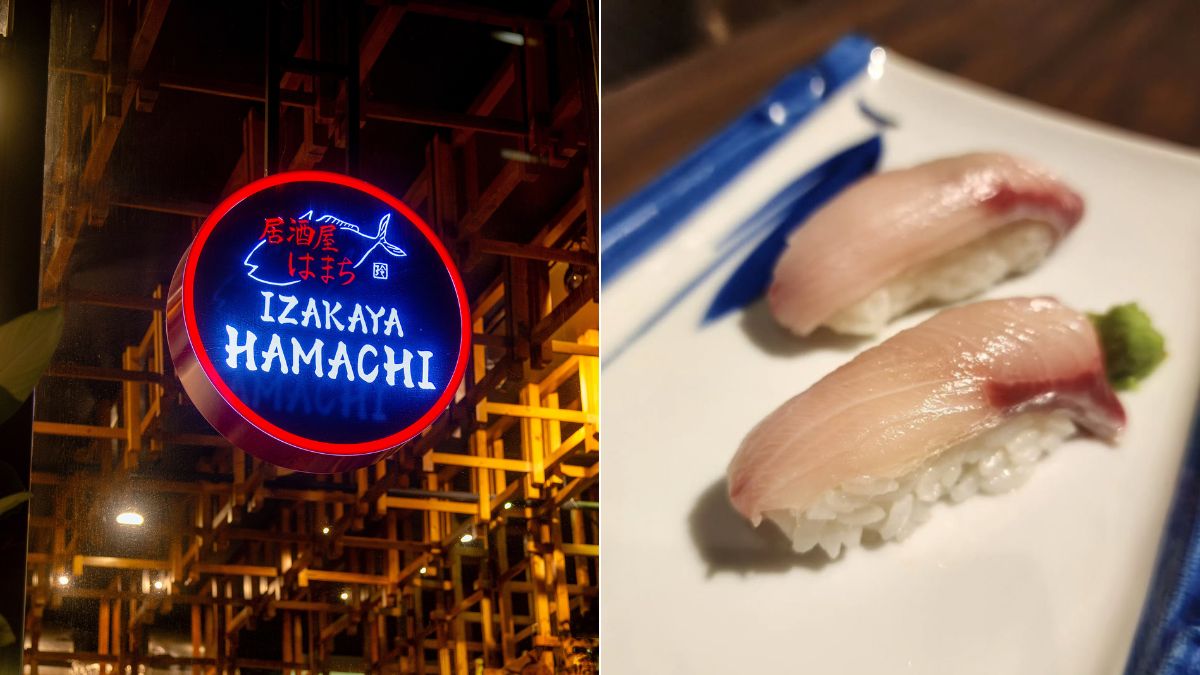
As a Japanese restaurant, Izakaya Hamachi serves the staples: sashimi, sushi rolls, donburi, katsu, katsudon, soba, butabara, and more. But the star ingredient of their menu is the hamachi.
For the uninitiated, hamachi is a type of fish also known as “yellowtail,” which includes several species of fish belonging to the Seriola genus. The species most frequently associated with hamachi sashimi is the Seriola quinqueradiata, or the Japanese amberjack, which is predominantly found in the North Pacific Ocean, particularly around Japan, where it has become a vital component of its culinary culture.
At Izakaya Hamachi, each dish is prepared with meticulous attention. The journey of hamachi from the ocean to the plate involves several crucial stages to ensure the fish remains fresh and ready for consumption. Their hamachi is air-flown from Japan.
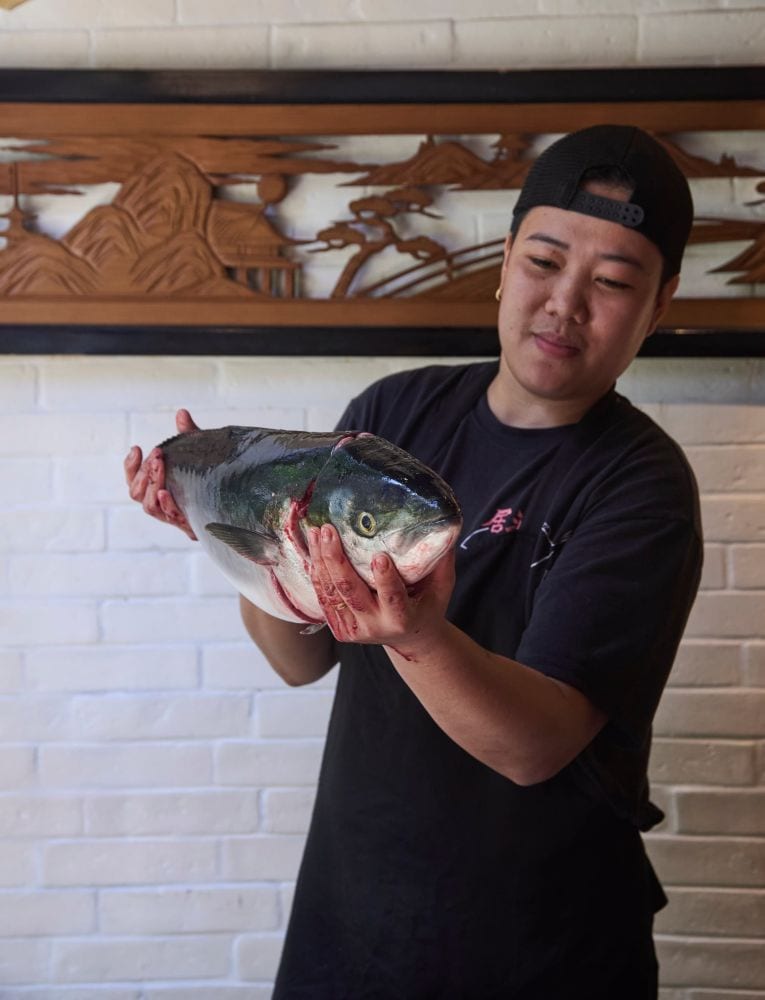
Ike jime is a traditional Japanese slaughter technique that involves instantaneously euthanizing a fish by inserting a spike into its brain cavity. The fish is then thoroughly bled and undergoes spinal cord destruction (shinkei jime) before being iced down. The intricacies of the preparation are almost theatrical and must be executed in the correct sequence, with precision and care.
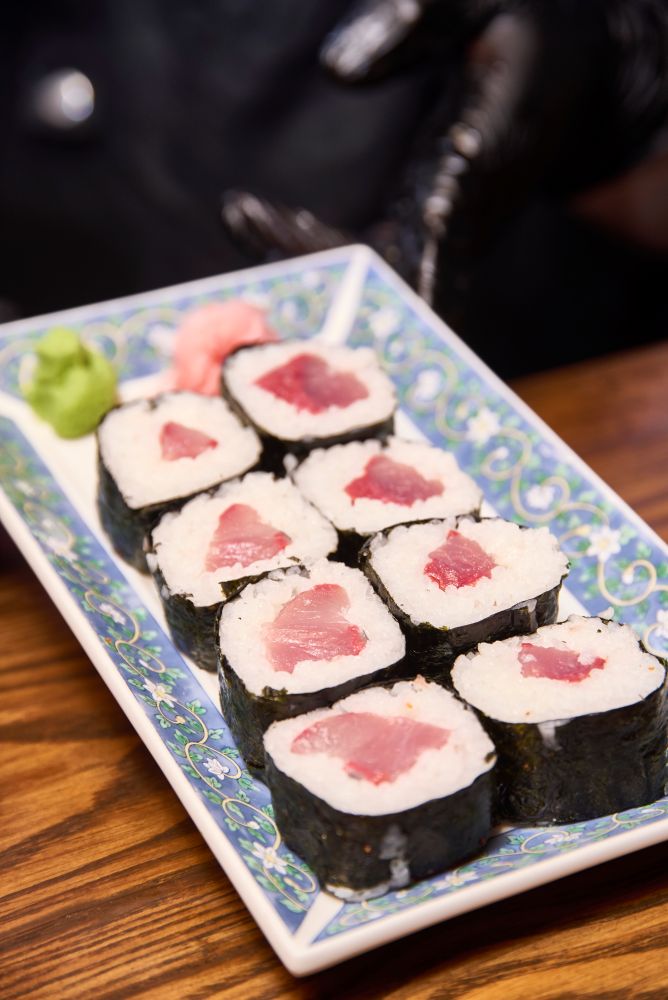
Hamachi Sushi Roll
The fish has to be cut into pieces quickly, have its trimmings removed, and be iced promptly to ensure it remains fresh, especially for those portions intended for sushi and sashimi. It is with these handling needs in mind that they heavily invested in storage systems to keep the food as fresh as possible.
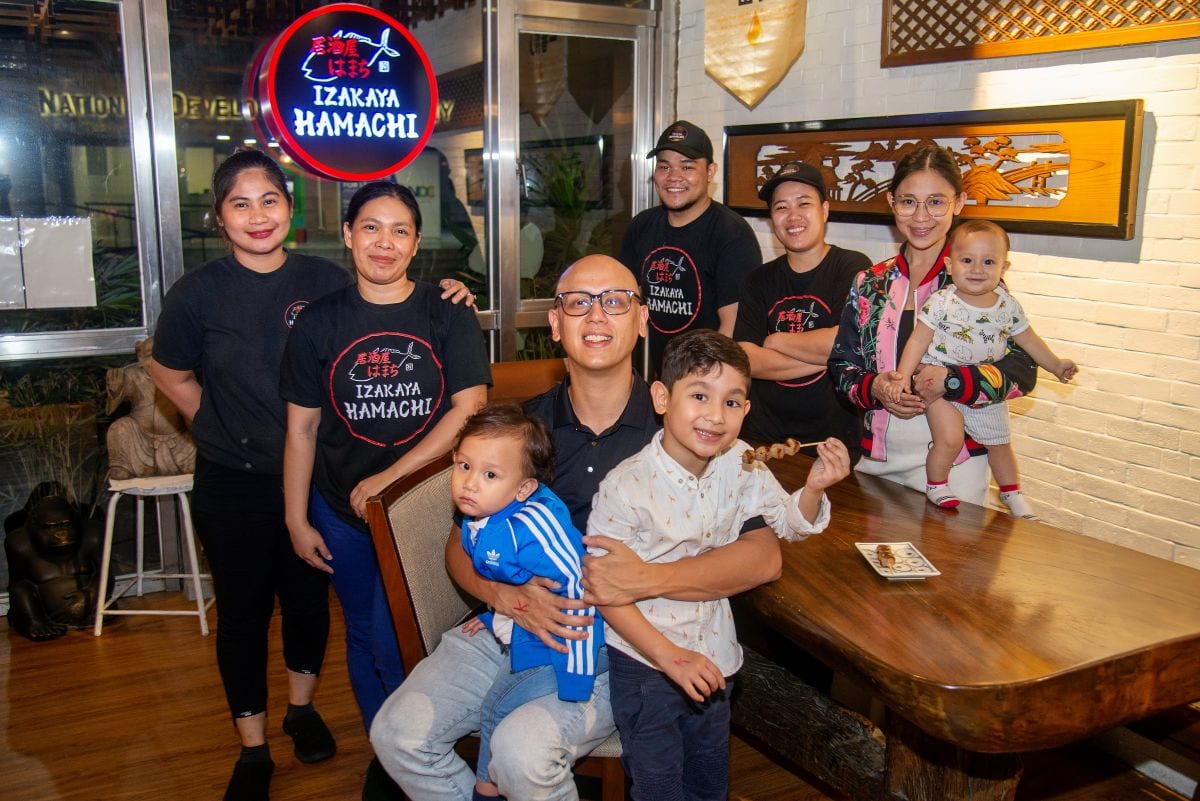
Since 2023, Izakaya Hamachi has been a beloved spot in Makati, drawing in office workers, locals, and Japanese expats alike. Kian and Nikole Kazemi, the couple who own Izakaya Hamachi, aim to keep it a casual and friendly neighborhood restaurant. They strive to create a seamless experience where the ambiance, service, hospitality, and fresh, well-prepared food come together to create special moments for their guests.
ALSO READ
Chef Frances Tariga Brings Tadhana's Celebrated Omakase to Manila
Sake Manila 2025: A Toast to Japanese Culture and a Growing Global Palate
Kian had this idea brewing since 2005, and when the opportunity presented itself, he knew he had to dive in. Coming from a family that also owns The Persia Grill and having experience in entertainment, Kian has been establishing his name in the restaurant industry. Meanwhile, Nikole transitioned from a stable and lucrative career in the government and development sector to embark on an exciting new adventure in the food industry. With her rich experience, she naturally manages most of the backend operations, including inventory management.
Hamachi fresh from Japan
At first, skepticism surrounded the idea. Why would a guy whose restaurant experience is in Persian cuisine dabble into Japanese? But it was Kian’s obstinate and unrelenting energy that propelled the passion project forward. With the assistance of a Japanese chef and friend, he successfully set up and organized the menu and the initial launch of the restaurant. Kian jokingly refers to himself as the Chief Flavor Officer, or the CFO, alongside his current chef, a former staff member at Kite, and their dedicated kitchen team who diligently work to serve quality food.
For all grilled dishes, the use of wood and smoke is essential. For example, their Robatayaki dishes involve using coconut briquettes to slowly cook the fish, imparting a delightful smoky flavor. They also take pride in their sauces, ensuring each one is perfectly crafted.
Tebasaki Robotayaki
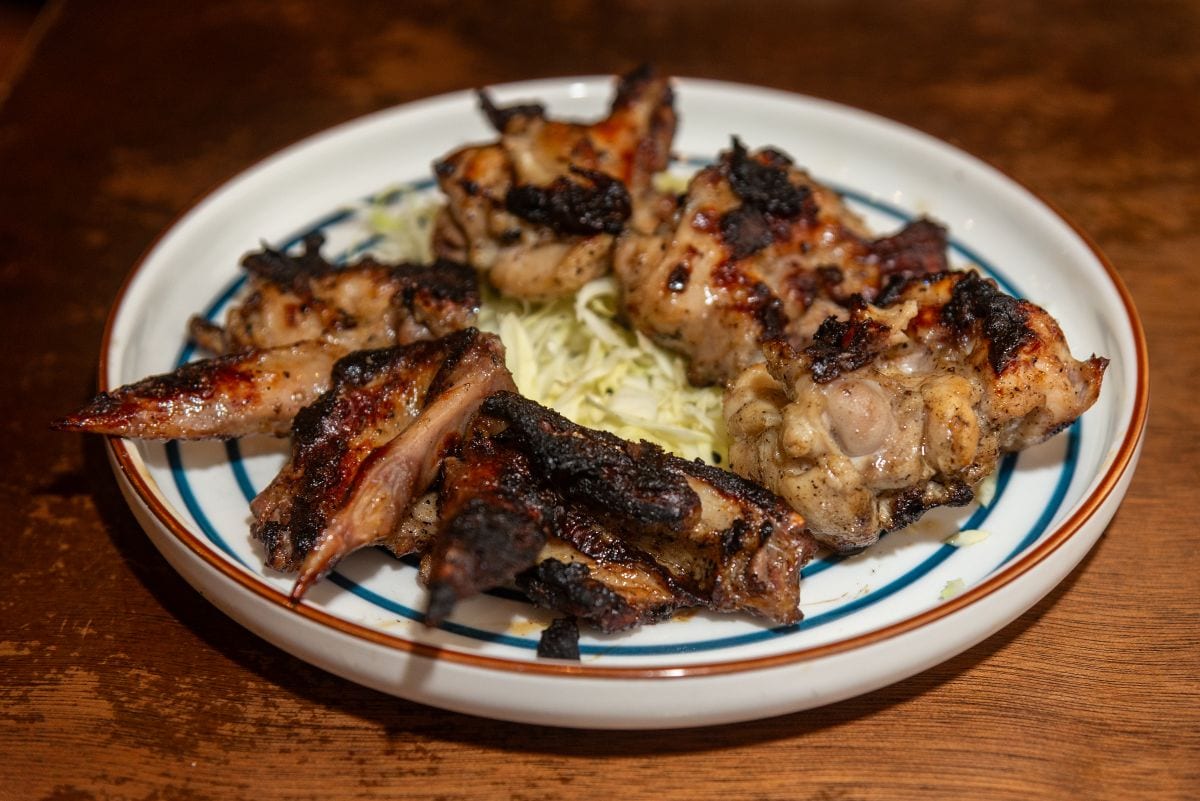
"The sauces require a lengthy preparation process. It's the same sauce used in our marinade, delivering a piquant taste to our Robatayaki. It tastes like kebab grilled over fire," adds Nikole.
Uni is another essential element, which they incorporate into everything from wagyu to yakisoba. It's a customer favorite, and they ensure it's always available.
Hamachi, their primary ingredient, is sourced from Tokyo and Hokkaido, especially for shishamo. Meanwhile, their ataba and mackerel come from various regions across Japan.
It's worth noting that the entire operation is based on sustainability, with certain menu components sourced from various locations. The star of the menu, Hamachi, is from Japan, but they also feature other ingredients. They get uni from Bicol daily, and most of their ingredients and produce are sourced locally. Fish and other key ingredients come from Japan. In addition to growing some of their own produce, they search for new ingredients to incorporate into their cooking.
Kian and Nikole Kazemi with their kids and some of Izikaya's kitchen and waitstaff
Strategically located just steps away from Salcedo, also known as Velasquez Park, the restaurant occupies the ground floor of the Finman Building at the corner of Tordesillas and Bautista Streets. Juju Eats used to occupy this spot. The design is modest, nuanced, and intentional, featuring Japanese-inspired knick-knacks, including a painting of Kian's mom and decor made from mirin labels. Guests are greeted by a wooden grid accent that resembles an art installation hanging over a section of the dining area. The open kitchen allows diners watch the staff at work, making the food preparation part of the dining experience. While the space's capacity is limited, this ensures a positive customer experience, as it prevents overcrowding.
True to its core values, the space radiates genuine openness, and the staff aren't shy to engage with customers. As the Kazemis put it, "We like to imagine the restaurant as an extension of our home, where customers are friends and guests who drop by for visits. That's the casual vibe we aim for."
Izakaya Hamachi employs a low-key marketing strategy, relying instead on its consistent, loyal, and growing following, who regard this quaint restaurant as a hub for truly satisfying meals.
