

Today I Learned: The Origin of Pangangaluluwa and Filipinos' Kakanin Tradition

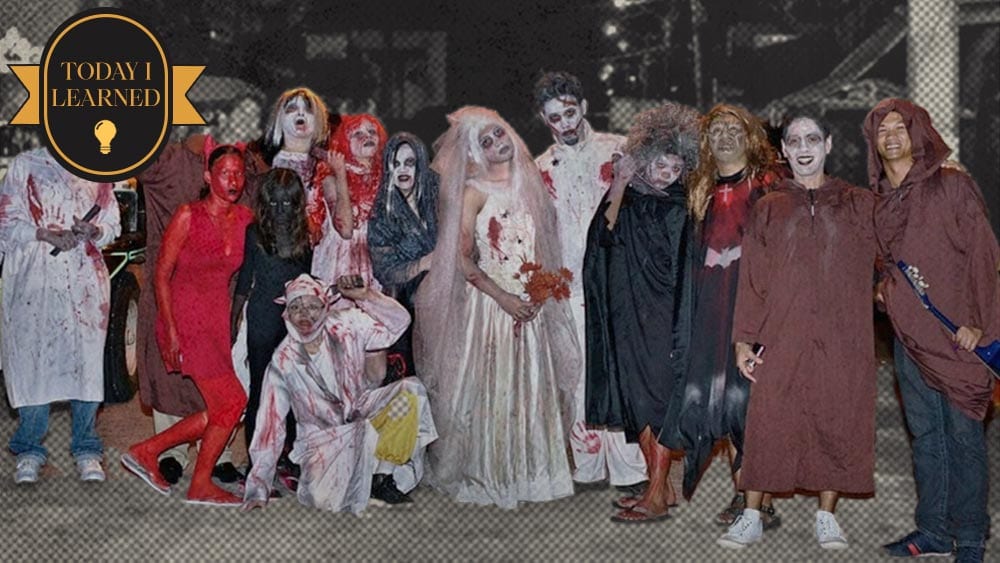
As twilight ushers in a nippy breeze on All Saints' Day (November 1) in the Philippines, an age-old tradition comes to life in rural towns to commemorate pangangaluluwa, a Tagalog phrase meaning "soul-ing" or "asking for souls." It is believed that the door between the living and the dead opens on All Souls' Day (November 2), allowing spirits who have passed away to return to the world of the living. These traditions are intertwined over two consecutive days, though in some parts of the country, the custom of honoring the dead can begin a week in advance.
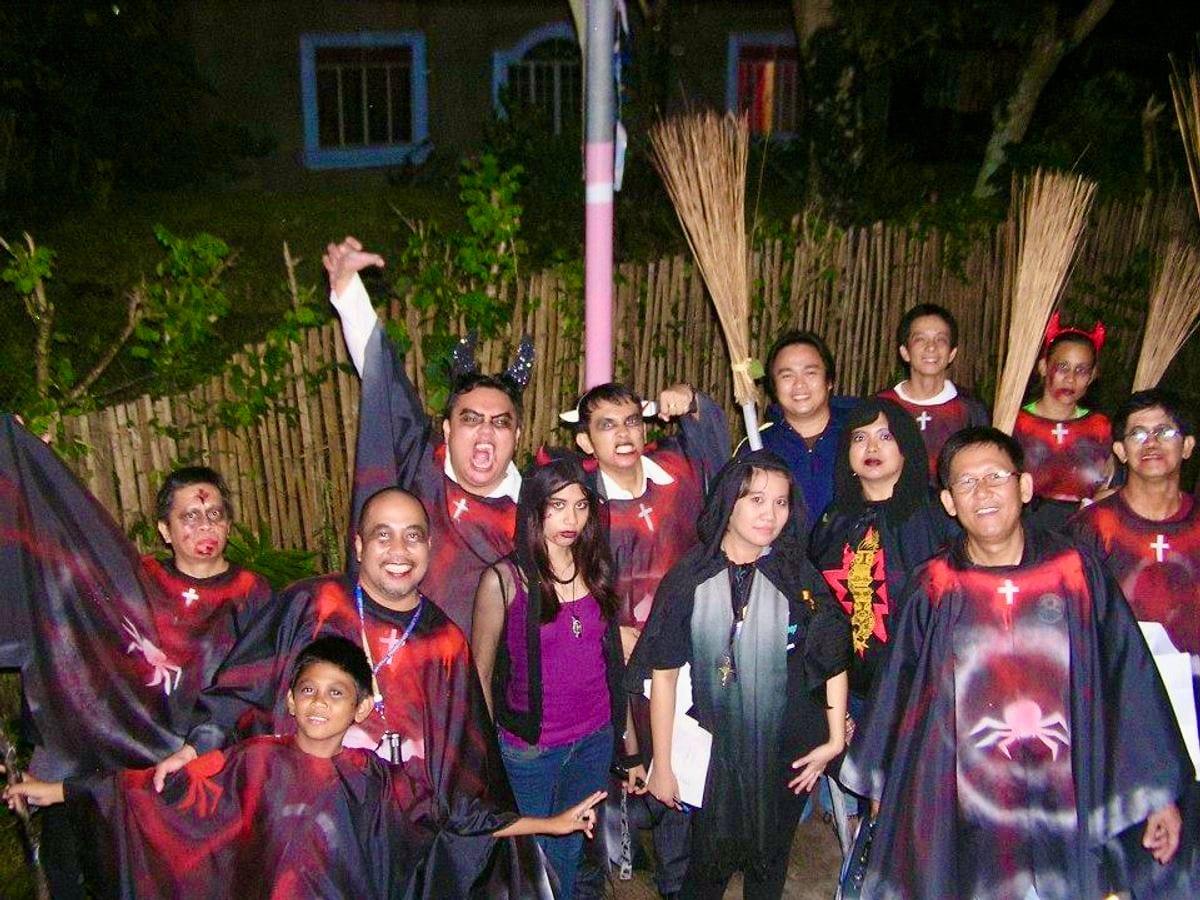
Pangangaluwa is a community ritual where locals and visitors of all ages wear costumes to mimic wandering spirits. They visit different houses, chanting songs of lamentation and seeking alms, representing the souls in purgatory.
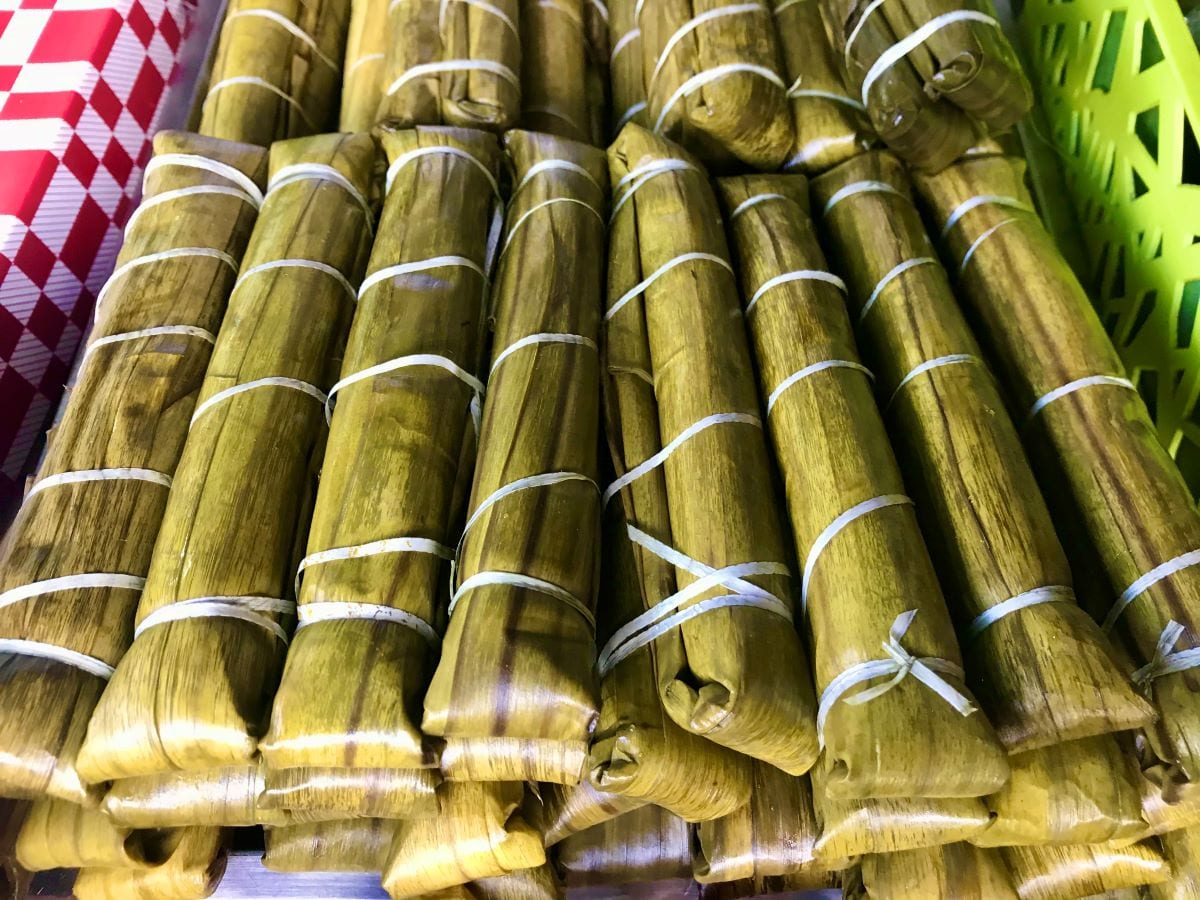
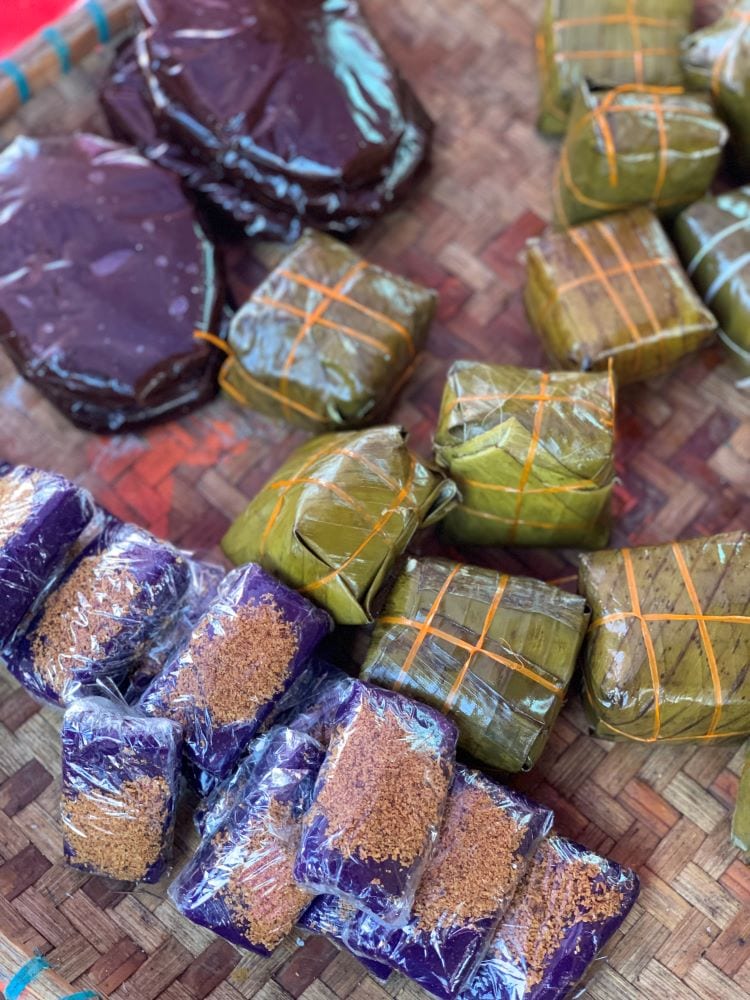
In response to their poignant songs, homeowners typically offer a variety of kakanin (rice cakes) such as suman and kalamay, sweetened root crops, backyard vegetables, and money in exchange for prayers for their dearly departed, a way for the wandering souls to return to the afterlife in peace. If they are ignored, the nangangaluluwa can play tricks on them, such as getting their chicken or hanging clothes. The celebration concludes at midnight.
A group of nangangaluluwa from Sariaya, Quezon
ALSO READ
35 Actually Terrifying Scary Movies to Watch for Halloween
This community tradition emphasizes food as an offering to the dead. According to the documentation of the Mabalacat Museum, dáun is an old Kapampangan word that appears in Fray Diego Bergaño's "Vocabulario de la Lengua Pampanga en Romance," first published in 1732. It refers to the act of dedication or making an offering (ofrenda), a tribute, or a gift. Bergaño cites the phrase "pamidáun métay" as an offering to the dead. This term has since been used to refer to the feast of All Saints' Day.
The Tagalogs use the word "undas," which interestingly resembles the anagram "dáun." However, "undas" comes from the Spanish word "honras" (meaning "you honor," from the verb "honrar"), which has evolved into "undas" over time.
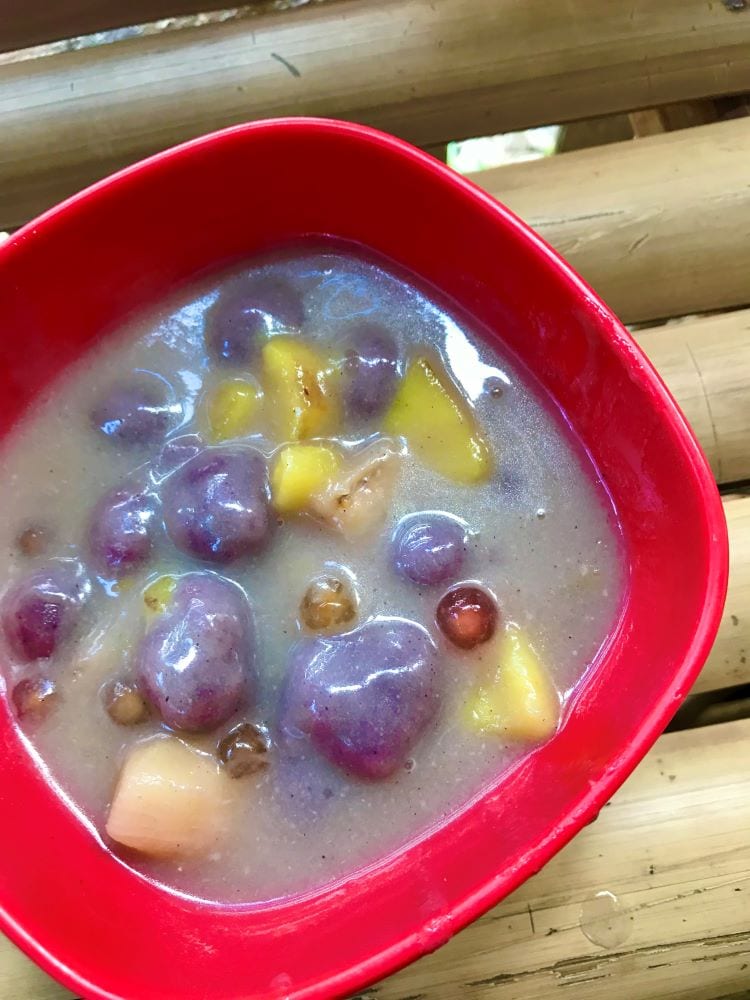
The late historian and Tourism Officer of Sariaya, Quezon, Eric J. Dedace, fondly recalls how his mother would prepare a special ginataan dinner, which includes savory and sweet coconut-rich dishes. These dishes featured chicken adobo sa gata, cooked with raw papaya and chili leaves, and a lovely coconut stew with bilo-bilo or glutinous rice balls and slices of banana, sweet potato, and jackfruit. As his family enjoyed this feast, they believed the spirits of their departed loved ones also shared the meal with them.
Dedace also mentioned that it was not common in the past to camp in the cemetery to be near their departed loved ones. Instead, there were nangangaluluwa revelers who sang eerie songs from house to house, their voices echoing as if coming from underground. The lyrics he grew up hearing remain vivid in his memory. This cherished community folk tradition ended in 2015, leaving only photos and memories to cherish.
Suman
[Tagalog]
Kami po'y kaluluwang tambing
Sa purgatoryo nanggaling
Kung kami man ay naliligaw
Sana ay inyong tulungan.
Kaluluwa’y dumaratal
Sa tapat ng durungawan
Kampanilya’y tinatantang
Ginigising ang mga buhay
Kung kami po’y lilimusan
Dali-dali nga po lamang
At baka kami’y masarhan
Sa pinto ng kalangitan.
[English]
We are wandering souls
From purgatory, we came
If we are lost
Hoping you will help
The soul is throbbing
Opposite the window
The bell is ringing
Awakening the living
If we will be given alms
Kindly make it quick
As the door of heaven
might close on us.
Naic, Cavite's cultural advocate Ryan Nazareno Sebastian, reminiscences how he witnessed that tradition as her late mother, Purificacion Nazareno Sebastian, would annually join her churchmates onboard a jeep to do the pangangaluluwa in different towns of Cavite. What could the song be all about? He shared the pangangaluluwa lyrics from his co-authored book "Naic: The Church and its People, The Diocesan Shrine and Parish of the Immaculate Conception."
[Tagalog]
Kaluluwa’y dumaratal
Sa tapat ng durungawan
Kampanilya’y tinatantay
Ginigising ang mga buhay
Kung kami po ay lilimusan
Dali-dalian po lamang
Baka kami mapagsarhan
ng pinto ng kalangitan
Kaluluwa kaming tambing
Sa purgatoryo nanggaling
Palimos po!
[English]
The souls have just arrived
Across your window
Bells are ringing
waking up the living
If you will spare us alms
Please hurry and give us some
The heaven's gate
will close in time
We are the lost souls
from Purgatory.
Alms!
Variety of kakanin
The pangangaluwa chant was traditionally performed in Tagalog, with translations into English provided for those who did not speak the language.
Kapampangan creative director Alex del Rosario Castro reveals similar practices in Barangay Sapang, Biabas, Mabalacat, Pampanga. This tradition is called "pamangaladua," a ritual involving singing "gosos," songs to honor the dead. He shared a Facebook post from Museo Mabalacat, highlighting the belief that purgatory souls need prayers and material offerings to transition to heaven. The goso singers collect alms to donate to the church and conduct masses for these souls.
The current generation now engages in Western-style trick-or-treating overshadowing local traditions. I grew up with scary stories and marveled at watching TV shows and movies featuring mythical creatures such as the tikbalang (a half-human, half-horse creature with elongated, powerful hooves), tiyanak (the spirit of a child who died while the mother was pregnant), and manananggal (a half-bat, half-human that can detach its upper body from the waist), among others. Let's bring these traditions back to life—they're creepier than Halloween!
Ginataang bilo-bilo
Rice cakes indicate a connection to ancient customs of offering food to families in the afterlife. Pangangaluluwa embodies a cherished aspect of Filipino beliefs and values. No one goes door-to-door; they come in groups of friends and are treated with lovingly cooked treats to give joy to revelers. It is a solemn and communal act of commemorating the souls of the departed. The essence of honoring and remembering the deceased remains unchanged. By coming together as friends and neighbors, singing songs, sharing food, and praying for their beloved departed, Filipino communities breathe life into pangangaluluwa, ensuring that this unique tradition endures in the hearts of new generations.
About the author: Clang Garcia is a Philippine gastronomy explorer traversing the islands to chronicle her heritage and share it with the world. She is the Philippine Ambassador of the World Food Travel Association, Food and Travel Host of Cignal TV's DiscoverEats, and author of "Philippine Food Holidays," 29th Gourmand Awards Best Food Tourism Book in the World.
