
Labubu And Blind Boxes: Pop Mart and the Rise Of A Billion-Dollar Business

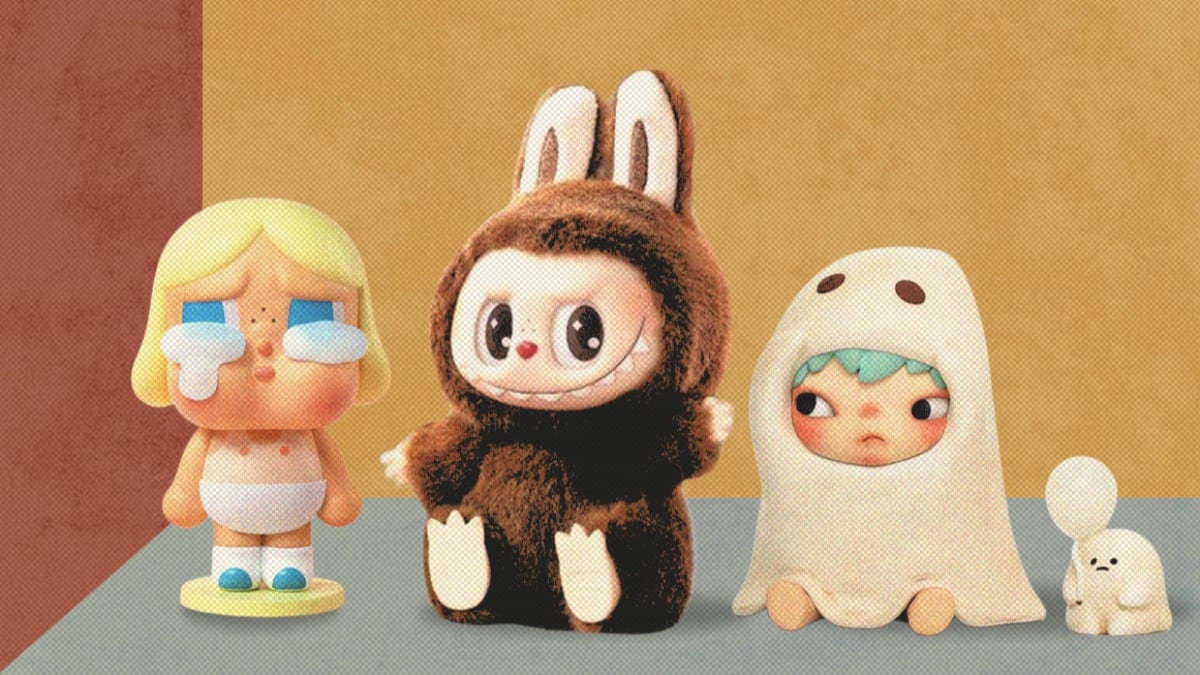
Chinese Retailer Pop Mart, a titan in the collectible blind box space and Labubu obsession progenitor, has taken the world by storm and has skyrocketed in popularity in recent years. In 2024, the company declared revenues exceeding $1.8 billion, over double what it earned in 2023 (about $878 million).
Labubu dolls, which are being distributed and sold by Pop Mart, have permeated pop culture and consumer tendencies over the past few years, not just in its home country but here in the Philippines and all over the world.
A Dash Of Nostalgia: Beanie Babies, Funko Pops, Cereal Boxes
“I got my first blind box at a random store in Japan because the surprise toys reminded me of two of my dogs, which led me to getting two boxes,” Dani M., a 27-year-old blind box enthusiast, told Esquire Philippines in an interview, noting that she only got one of the figures she initially wanted. “I think the appeal is the dopamine rush you get when you pull exactly what you are hoping to get and kinda feels like hitting a mini jackpot on the slots. It’s the thrill that keeps you coming back to pick up more boxes.”
Dani M. said that determined collectors are often willing to spend more on boxes to nab a desired figure regardless of the cash they shell out.
“I got into Pop Mart because I saw this weird looking figure at a store in San Juan,” says Adrian Halili, a 26-year-old business journalist. “I thought it looked stupid at first, but it kind of grew on me and this was the first time I bought a Hirono, which my mom said kind of resembled me,” he added, citing one of the figurines being distributed by Pop Mart.
How did adults get into this trend of buying figurines that one would think are meant to appeal to children? Suprisingly, Pop Mart’s target demographic is actually affluent teenagers and young adults, a report by The Financial Times says.
Pop Mart did not reinvent the wheel, however, as so-called blind box schemes in retail have been around for decades. Back in the 1990s, Beanie Babies stuffed toys became sought-after collectibles made in limited quantities and numbers, as they also went for absurd markups on the secondhand markets. At the peak of the Beanie Babies movement, collectors would flip these toys for as much as 10 times its original price.
Funko Pop figures have also been widely popular in the past decade due to the company having a figure for virtually any character or personality in the pop culture sphere. These are also seen as lucrative collectibles on the resellers market, although its popularity has declined considerably in more recent years.
People have also traced the obsession with blind box collectibles with those found in cereal boxes in the '80s and '90s. The nostalgic experience of pulling out a random toy from cereal boxes could also partly explain the current obsession today's adults have with blind boxes.
On the flip side, critics have likened the craze to gambling due to the addictive nature of the hobby and the promise of getting rewarded purely by chance.
“I think my interest in Hironos influenced my family to get into Pop Mart as well, not to mention the countless social media influencers and celebrities showing these off a bit,” said Halili, the business journalist.
Pop Mart's origins
Pop Mart was founded by Chinese entrepreneur Wang Ning in 2010 and gradually soared in popularity thanks to the company's offers of blind boxes. The Chinese retailer now has over 500 stores worldwide and more than 2,000 vending machines dispensing these blind boxes around the globe. A recent Forbes magazine story estimated that Wang Ning, 38, and his family is currently worth $22 billion.
Pop Mart's popularity is evident today through its global reach and sales, which has more that tripled over the past year in the thick of the Labubu craze. Data show that Pop Mart’s overseas sales accounts for almost 40 percent of the company’s revenues, which is up from just 17 percent in 2023.
The Chinese company has said it plans on doubling its reach in the US and is keen on opening more than 20 more stores in the country by the end of 2025. As of June 2025, Pop Mart currently has 37 staffed stores in the U.S., and 52 "roboshops" or vending machines.
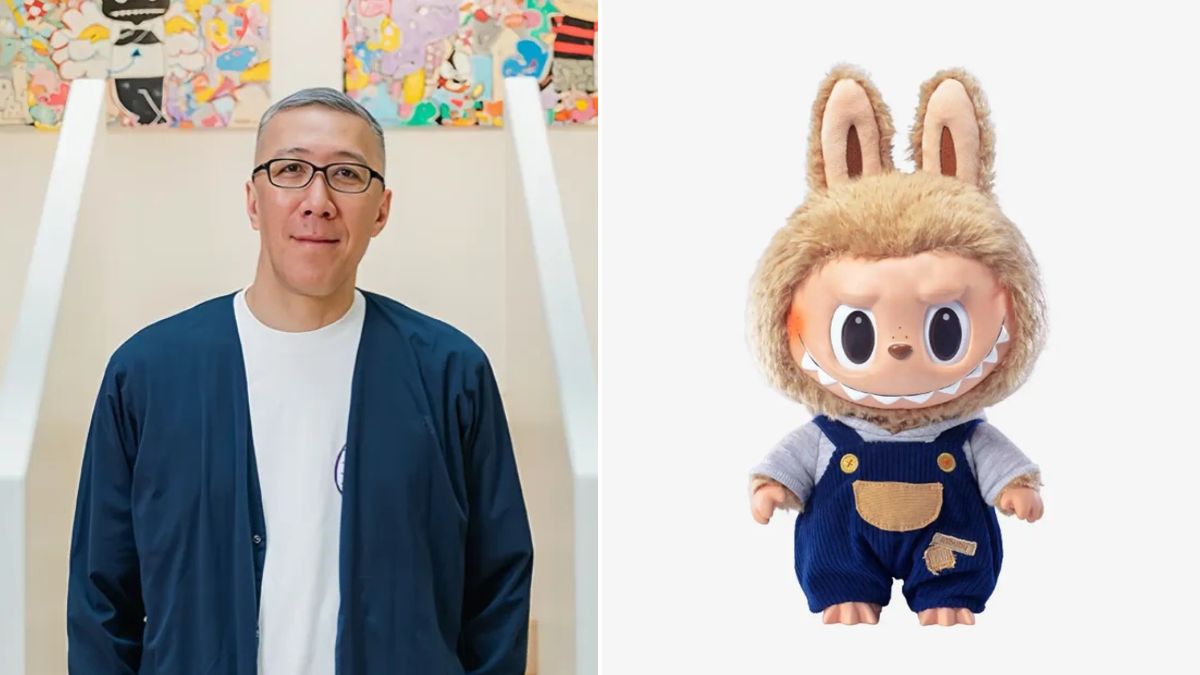
Labubu dolls, in particular, go for astronomically higher prices on the reseller market, similar to coveted watches and sneakers. The dolls are the brain child of Hong Kong-born artist Kasing Lung, who said they were part of his series of picture books called “The Monsters” influenced by Nordic folklore from his childhood.
Over on TikTok, a user went viral for supposedly possessing a 24-karat gold Labubu doll, which just goes to show how bizarre this phenomenon has become.
The Labubu dolls have helped drive Pop Mart’s surge in revenues over the past year even as countless influencers and content creators are sharing their unboxing experiences on their respective social media platforms. Even global megastars such as Lisa from K-pop group BLACKPINK publicly declare their obsession for Pop Mart and Labubus.
Other than Pop Mart, Japanese company Dreams, Inc. has also surged in popularity in the past few years through its Sonny Angel cherub figurine blind boxes and glow in the dark Smiski fairy figurines.
Kasing Lung and His Labubu
ALSO READ:
Inside the World of Labubu and Its Designer Kasing Lung
Pop Mart: ‘We are Not a Toy Company’
Pop Mart in the Philippines
In the Philippines, Pop Mart has two pop-up stores in SM Mall of Asia in Pasay and in SM Makati, with plans to launch more and to partner with local creatives to whip up new designs. The Department of Trade and Industry has said Pop Mart International Group has expressed plans to forge new partnerships with local businesses and to expand its physical presence in the country.
“Through this creative engagement, Pop Mart seeks to create collectibles that are deeply inspired by Filipino culture,” the DTI said.
Locally, there are hundreds of Facebook groups and communities with thousands of members dedicated to these collectibles. Even local celebrities such as Marian Rivera have publicly shared their obsession with collecting Labubus and blind box toys on social media, further driving interest among the public.
Because of the meteoric rise of Pop Mart and the resurgence of blind boxes, countries like Singapore and its home country of China have imposed and proposed age limits and price caps on amusement centers offering these items to deter youth gambling.
Pop Mart has made no secret of its plans to diversify its business beyond toys and blind boxes. The company has already launched a jewelry line and lifestyle products based on its popular toy designs. Reports say it is also planning to expand into games, animated shows and even a theme park also based on its popular IPs.
