
Mercy for None: The K-Drama That Finally Gives Revenge Its Teeth

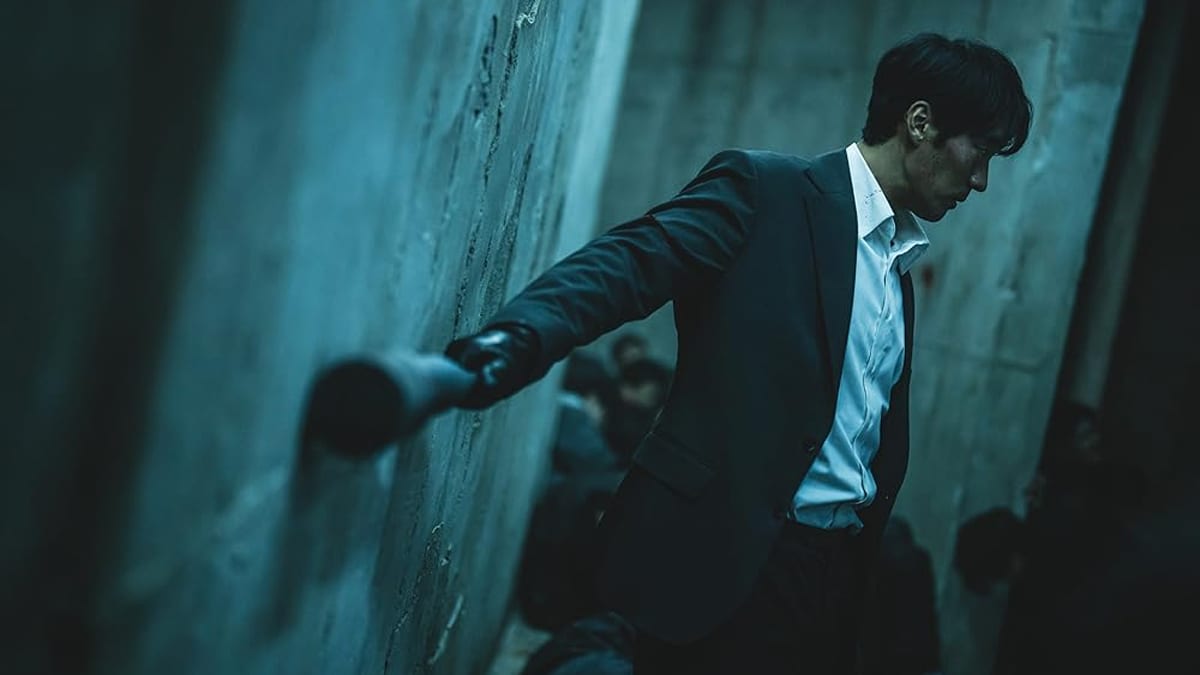
In most revenge-fueled K-dramas, you brace for an emotional rollercoaster only to find the ride slowing to a polite stop. The villains might be exposed (The Glory), get legally cornered (Taxi Driver), or meet some poetic but ultimately bloodless fate (My Name, Hierarchy). You clap, maybe even cry, but there’s always that lingering itch—like the antagonists somehow walked away with more dignity than they deserved.
That’s the itch Mercy for None exists to scratch.
Here, there’s no compromise. No poetic distance. No, “the best revenge is living well” is moral padding. This series takes your simmering frustration at all those restrained endings and boils it over into something raw, bloody, and unapologetic. It’s not about teaching a lesson—it’s about delivering one.
ALSO READ:
The 6 Best K-Dramas to Watch If You Need Some Dark Comedy in Your Life
How K-Dramas Transcend Genres and Generations
So Ji-sub as Nam Gi-jun, a former top enforcer of the Joowoon organization
The Violence Is the Point, But so Is the Craft
Right from the gate—the first episode, the show announces itself with gritty confidence. The cinematography is all shadow-soaked alleys, glistening rain on concrete, and claustrophobic interiors that feel like they’re pressing in on the characters. The lighting doesn’t just flatter—it traps.
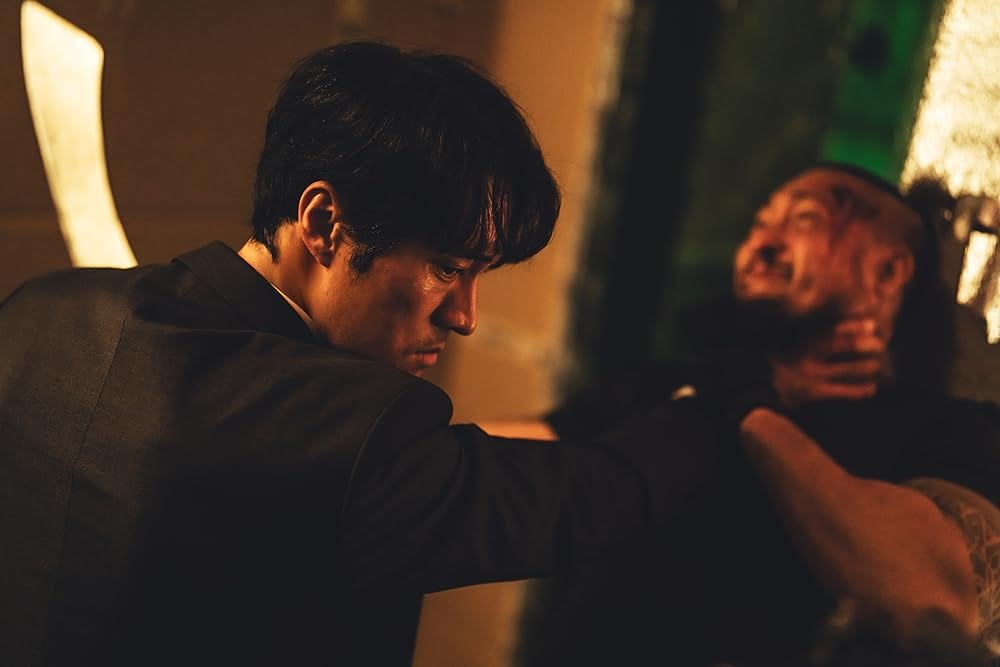
The fight scenes? They hurt not just for the characters, but for you watching. The sound design turns each blow into an event—bones crack with a wince-inducing snap, knives drag across the floor with a slow, deliberate menace. The choreography isn’t just “cool”—it’s desperate, primal, and close enough to fog up the lens with breath.
The John Wick Comparison—With a Korean Twist
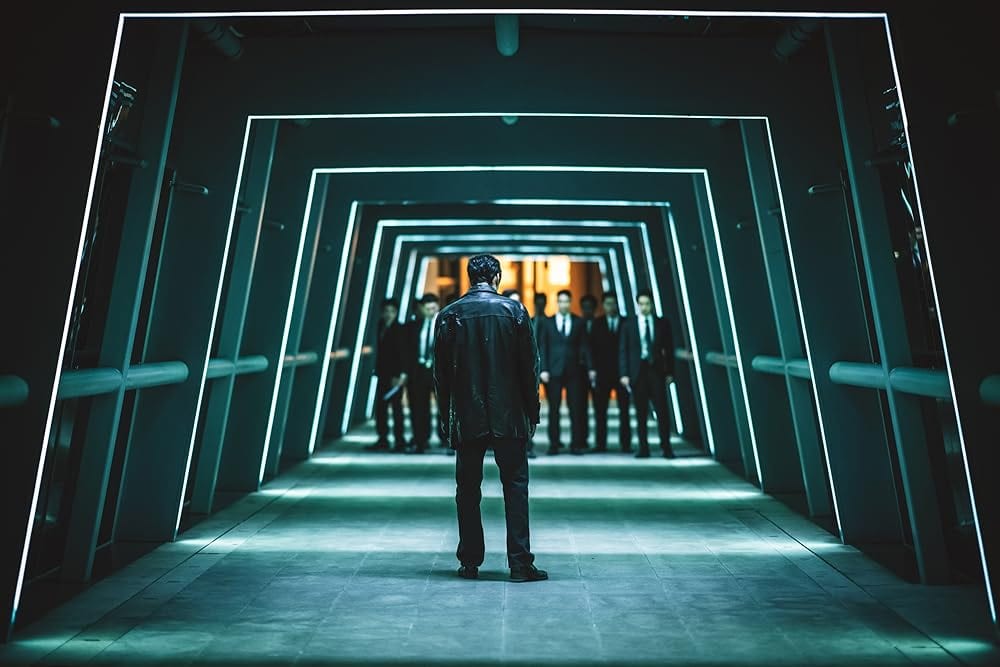
On paper, Mercy for None flirts with the John Wick formula: wronged man, criminal underworld, methodical takedown of everyone responsible. But there’s one crucial difference—far fewer guns.
In John Wick, firearms are practically an extension of the man’s body, an art form in themselves. In Mercy for None, gunplay is rare and almost ceremonial. Most of the time, it’s bare hands, improvised weapons, and the occasional knife or axe fight that feels more savage because of its scarcity.
This isn’t just a stylistic choice—it’s cultural realism. South Korea’s strict gun control laws mean that, even in fiction, casual shootouts would feel out of place. The show turns every encounter into a test of endurance, strength, and sheer will by leaning into hand-to-hand combat. The absence of constant gunfire forces creativity: grapples, joint locks, choking holds, and blunt force improvisation with anything in reach. It’s messier, more intimate, and more personal—exactly what revenge should feel like.
Plot Without Padding
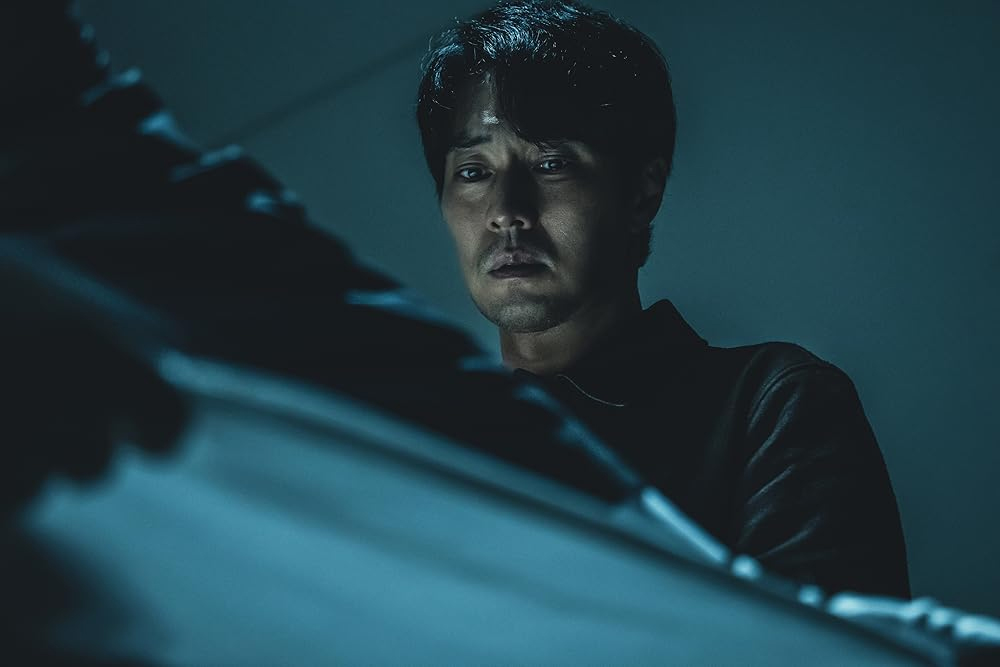
Mercy for None kicks off with a legend returning from exile—a man once feared in Seoul’s underworld, now drawn back by the murder of his younger brother. What follows is not a slow build, but a raw, relentless march through the city’s criminal arteries.
The world we step into is one where loyalty has a half-life and old allies may be worse than sworn enemies. Gi-jun, our brooding anti-hero, doesn’t just want answers—he wants retribution. And in this universe, justice isn’t served in courtrooms; it’s delivered in alleys, warehouses, and cramped apartments, with the crunch of bone and the clang of steel.
As he hunts through Seoul’s tangled network of gang leaders, corrupt officials, and opportunistic vultures, Gi-jun discovers that the truth is buried under layers of betrayal. Every confrontation pulls him closer to the core of a conspiracy that’s as personal as it is political.
By the time the dust settles, the series has taken us through a bloody odyssey that asks a tricky question: Does vengeance heal, or does it simply burn everything left?
Ahn Gil-kang as Gu Bong-san, the head of Bongsan, a rival organization of Joowoon
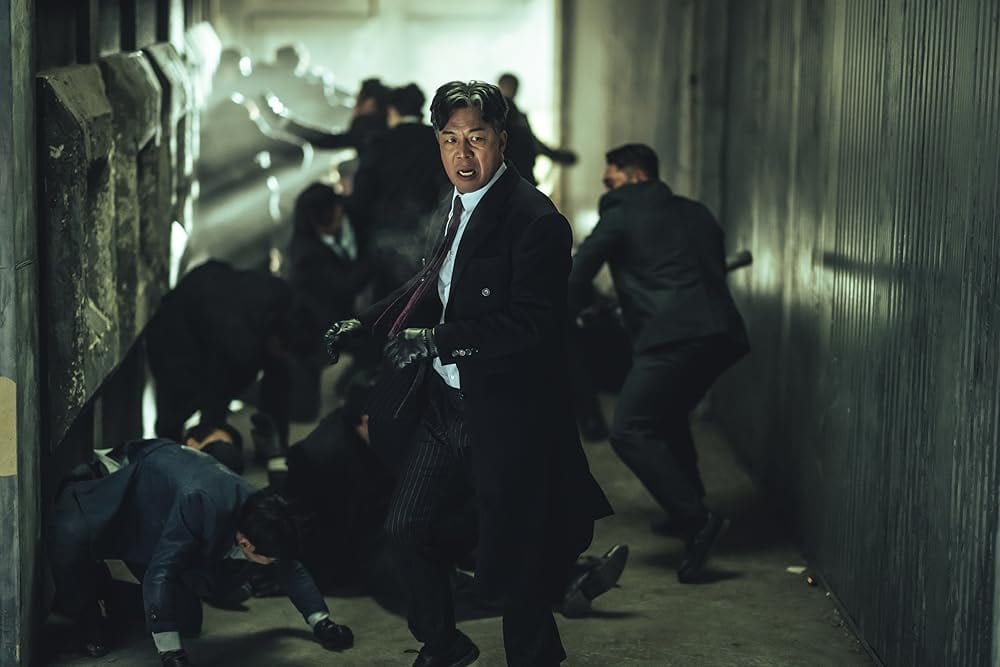
Finally, a Payoff Worth the Pain
Where other K-Dramas pull back in the final act, Mercy for None doubles down. There’s no legal loophole or self-sacrificial walk into the sunset. The bad guys pay—visibly, painfully, irreversibly.
It’s violent, yes. But the violence weighs because the buildup earns it. You’ve sat with the protagonist’s losses, the manipulation, the false smiles, and the smirking immunity of the powerful. When the hammer finally falls, it feels not just satisfying but right.
For Those Who’ve Had Enough of Half-Measures
If you’ve ever yelled at your screen because the villain in your favorite K-Drama got off too easy, Mercy for None might feel like therapy. It takes the intricate plotting and emotional stakes K-Dramas excel at and marries them to an action thriller's brutal, bone-deep catharsis.
And if John Wick is a symphony of bullets, Mercy for None is a drumline of fists, knives, and axes. The beats are closer, louder, and far more personal.
By the end, the series doesn’t just tell you that revenge has a cost—it dumps the receipt in your lap, bloodstains and all.
Mercy for None, released in June 2025, was directed by Choi Sung-eun and written by Yoo Ki-seong. The seven-episode limited series is available on Netflix. The series adapts Plaza Wars: Mercy for None, a webtoon created by Oh Se-hyung and Kim Geun-tae.
