Parents, Netflix, and the Debate Over Kids’ Shows

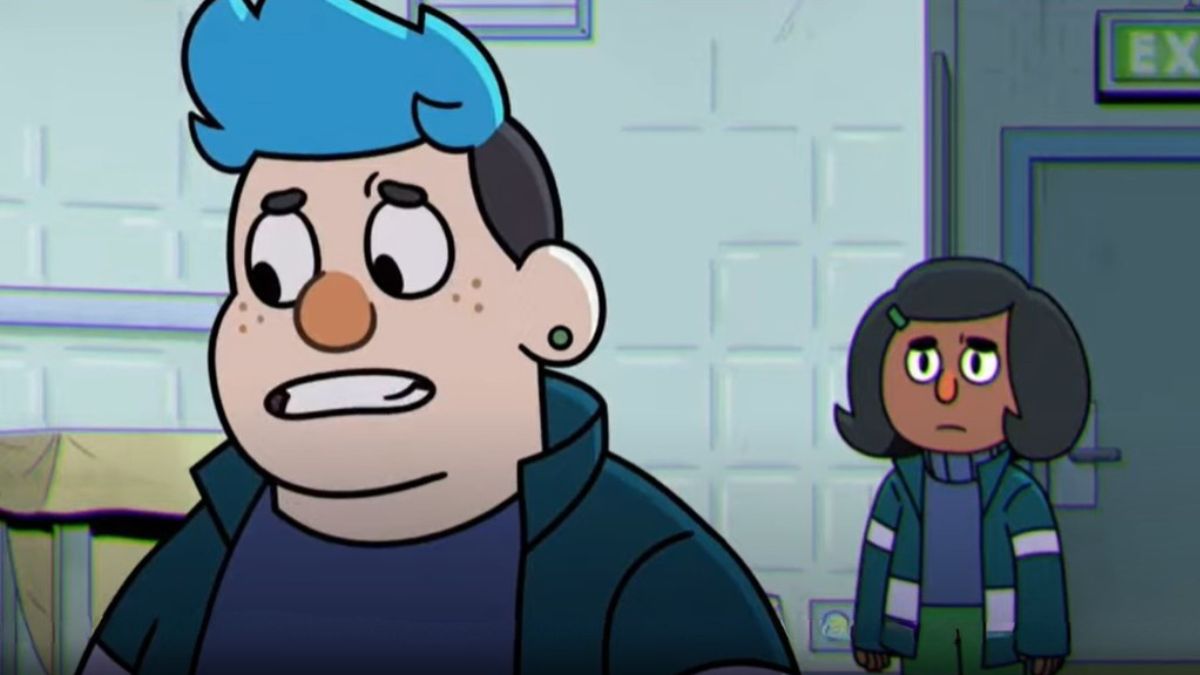
There seems to be a new wave of subscription cancellations sweeping social media recently, putting Netflix back in the culture-war crosshairs. The trigger was a resurfaced clip from the animated series Dead End: Paranormal Park, in which teenage protagonist Barney Guttman identifies himself as a transgender—a scene critics say is inappropriate for a show rated TV-Y7. The clip, amplified by high-profile accounts and public figures, sparked a boycott and revived complaints from parents about adult themes slipping into children’s programming. The clip has been available in Netflix’s children’s lineup and has likely been seen by millions of young viewers worldwide.
This is not the first time Netflix has taken heat and faced criticism. In 2020, the film Cuties provoked a spike in subscription cancellations after a large number of viewers and critics said it sexualised children.
What exactly are parents objecting to this time around? Two examples have dominated discussion:
• Dead End: Paranormal Park — an animated horror-comedy whose episode “The Tunnel” includes a scene where Barney explains he is transgender. The show’s creators say it reflects real-life experiences of some viewers. Critics counter that such discussions belong with parents, not in shows for young, impressionable audiences.
Banofee in 'Strawberry Shortcake: Berry in the Big City'
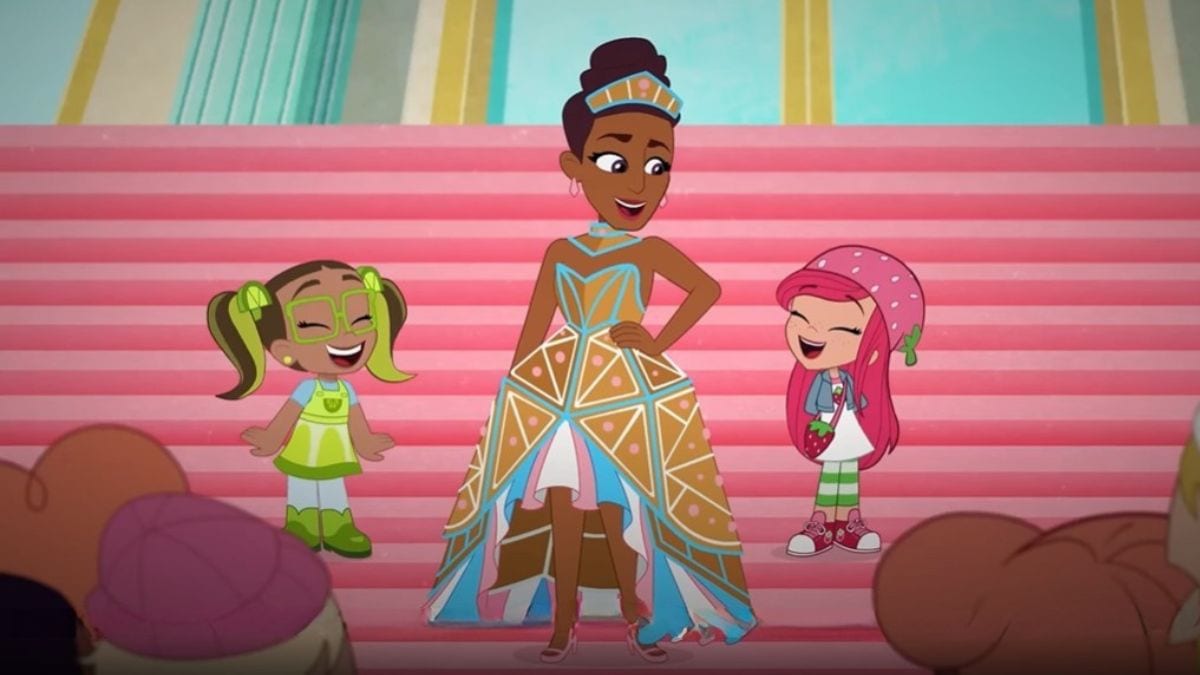
• Strawberry Shortcake: Berry in the Big City — a reboot that, according to episode guides and production notes, introduces characters like Banoffee (described as transgender) and Raisin Cane (presented as non-binary and referred to with they/them pronouns). Parents argue that this deliberately normalizes gender fluidity for very young children.
Other titles cited by critics include Ada Twist, Scientist (whose “Blue River Wedding” episode features a same-sex marriage) and Jurassic World: Camp Cretaceous, which in its fifth season shows two teenage girls sharing a kiss.
Drawing the Line
The current debate shows two opposing views: advocates of representation argue that children benefit when television reflects the diversity of families and identities they encounter in real life. Critics, on the other hand, maintain that subjects such as gender transition or romantic relationships are better left to parental discussion and older audiences, rather than preschool or early elementary viewers.
Yet beyond taking sides, what’s often missing from the debate is nuance. Representation isn’t one-size-fits-all; context matters greatly. Programs differ widely in tone, purpose, and intended audience. For instance, Dead End: Paranormal Park is a fantasy-horror series designed for older children, whereas Ada Twist, Scientist targets preschoolers. How these subjects are introduced, how they are framed by age, and whether the material aims to educate or persuade all shape how appropriate a show may be for its viewers.
Industry choices also carry commercial consequences. Past controversies have shown that when entertainment platforms misjudge the comfort level of a significant portion of their audience, the repercussions can be both reputational and financial. The Cuties backlash at Netflix, for example, eroded trust and led to measurable subscription losses. Media companies therefore need to balance their creative and social goals with awareness of audience sensitivity.
Meanwhile, some parents are seeking greater control over what their children watch. Many households that cancel subscriptions cite a desire to mediate sensitive topics themselves. Whether rooted in faith, tradition, or simply the belief that parents should take the lead on moral questions, it’s a message the market can’t ignore, particularly in cultures like the Philippines, where family and faith remain powerful influences.
ALSO READ
Looking Back at When Netflix Was Just a Movie Rental Company
The 25 Best Netflix Original Movies, Ranked
A Call for a Practical Middle Ground
A fair approach is to recognize two truths. First, creators have a right to tell stories that include LGBTQ people. Representation can in fact be life-saving for children who are themselves queer or trans. Second, many parents expect to be able to control when and how sensitive topics are introduced to their kids. For a platform like Netflix, the practical solution lies in more transparent labeling and more specific controls—accurate age ratings, descriptive content warnings, and easier parental locks that can flag themes (for example, “contains LGBTQ themes”).
Many Netflix subscribers and parents who believe adult themes should stay in adult content have a persuasive argument here. If parents feel blindsided, platforms should respond with better tools and transparency—not defensiveness. At the same time, demonizing creators only shuts down the conversation instead of addressing the real issue: how parental control and content classification can work better.
Streaming services and creators will continue to expand the diversity of characters on screen. The sensible response from consumers is twofold: use parental controls and, when necessary, vote with your wallet, but also push for better labeling and open dialogue from content platforms, so families can make informed choices without turning every new release into another culture war.