

Netflix’s I Love Filipino Will Make You Proud—And Hungry


Once in a while, the universe sends out feel-good reminders that reaffirm and boost our national pride. Athletes, actors, artists, authors, and everyday Filipinos bring recognition to our country for their achievements—usually accomplished abroad.
It’s a welcome break from the tedium of our daily grind, and from the distress of the news cycle—things that might make us forget or overlook our constant affection for the country.
As we are rightfully admonished to find the good in every day, the Netflix documentary I Love Filipino shows us there’s a lot to love in our daily life in this corner of the world. We need only to open our eyes and look around or, in this case, take in the aforementioned streaming show which finds the sublime in the seemingly most mundane.
The documentary was hosted by Jiggy Manicad.
As of this writing, the documentary series is the second most-watched show on the platform in the country. I Love Filipino is hosted by veteran broadcast journalist Jiggy Manicad and directed and produced by Marnie Manicad. Its Netflix premiere pleasantly coincided with the country’s Independence Day celebration last June 12.
According to the Team MMPI Production company of the husband and wife on Facebook, I Love Filipino unravels “various aspects of the Philippine culture and celebrate(s) the beauty of its heritage.” It continued, “The Philippine heritage is one worth celebrating, for the passion and love of its people are unmatched by any country… (With this, we want to) inspire all Filipinos to never be afraid to stay rooted.”
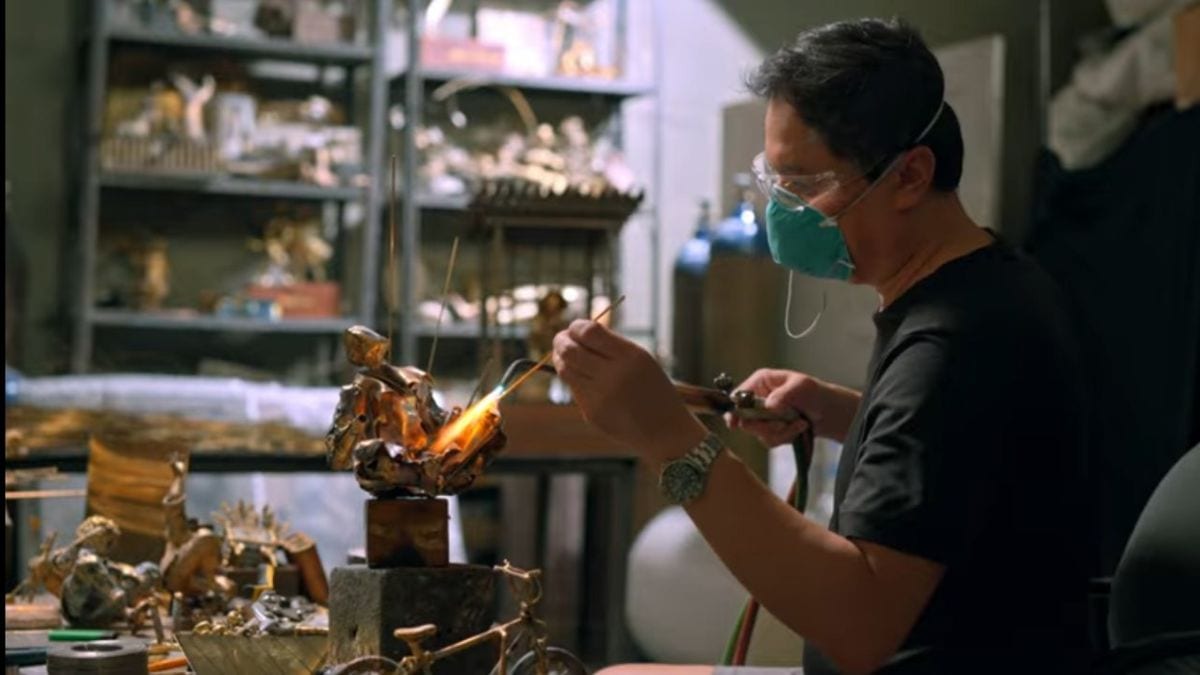
A wide range of creative perspective and inspiring stories are told by artists in the episode "Juan with Art."
The series has five short episodes: Pinoy Altanghap focuses on the local culinary heritage; Himig explores Filipino music; Juan with Art shows the country’s mastery of different forms of art; SawsawJuan dissects the Philippines’ love affair with dipping sauces; and Bahay Kubo pays tribute to the native home Filipinos invented and continues to evolve over time.
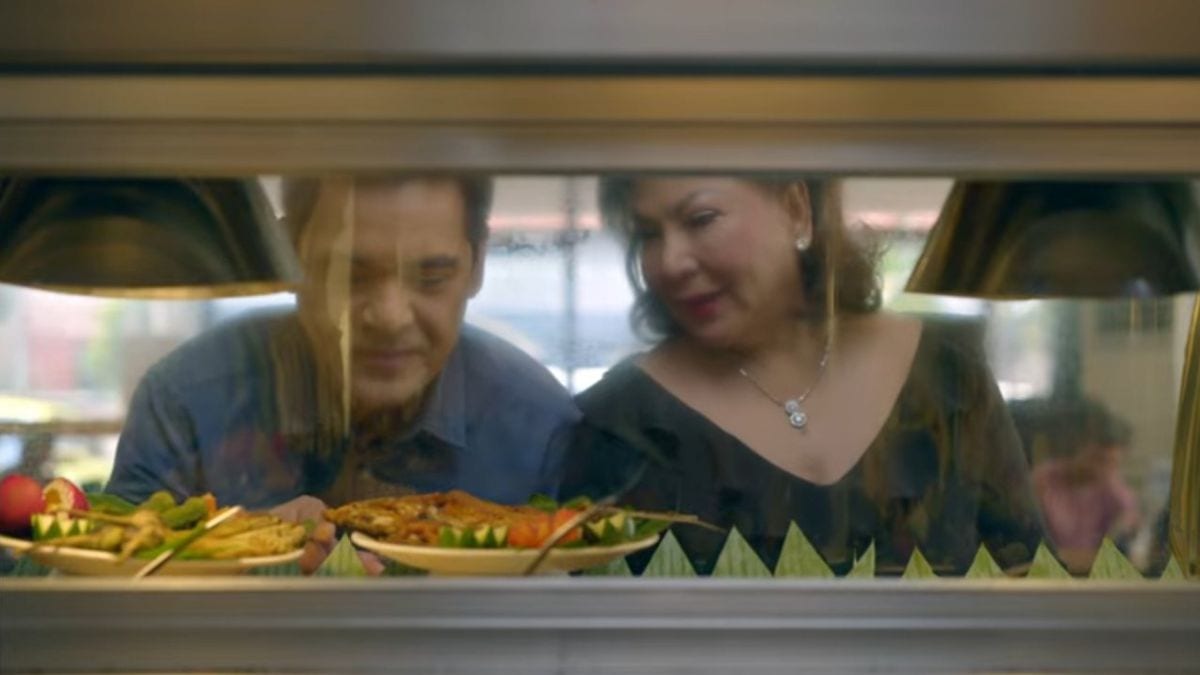
More than the country’s culinary history, Pinoy Altanghap tackles the emotional connection Filipinos have with food through concepts like “maliliag” (eating or preparing food with endearment) and “naya-naya” (taking care of visitors, in part through food). The episode introduces viewers to the visual feast all episodes of I Love Filipino provide, with stories told by experts, such as Chef Claude Tayag and Mindanaoan food advocate Chef Miggy Moreno.
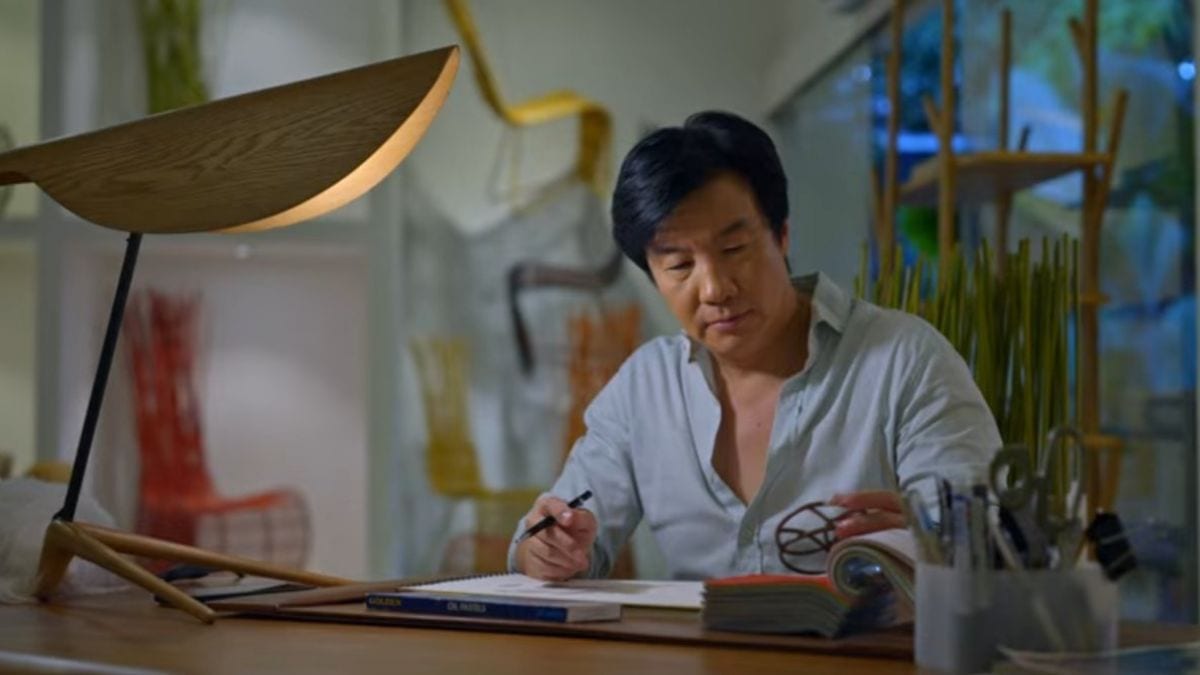
Furniture designer Kenneth Cobonpue
The episode dedicated to Original Pilipino Music (OPM), Himig, is headlined by award-winning singers and songwriters Ryan Cayabyab and Rico Blanco who, aside from telling the backstories behind their hit songs, reveal prerequisites for the local music industry to further succeed.
Get to know how Filipino talent impressed Hollywood movie star Mark Ruffalo in the episode Juan with Art. According to the I Love Filipino Netflix page, the episode is a discovery of “the boundless creativity and beauty that Filipino artists have expressed over the centuries through painting, sculpture, animation and more.” A wide range of creative perspective and inspiring stories are told by artists such as sculptor Michael Cacnio and construction worker Elmer Padilla who upcycles used slippers to create toy figures is presented in the episode.
Rico Blanco shared the backstories behind their hit songs.

Anyone who has experienced Filipino dining knows that no meal is served with just one sauce. The fourth episode titled SawsawJuan explains our passion for multiple sauces or spices even for just one dish. It also gives new appreciation for well-known sauce brands here and abroad through the stories behind the inventors of these products.
ALSO READ
‘We Need Heroes, But We Also Need the Truth’: A Conversation With Lav Diaz
Sagada's Pride: How One Farmer Is Cultivating a Community of Coffee Growers
The series’ fifth installment, Bahay Kubo, narrates the ingenuity of generations of Filipinos. In it, renowned architects like Ed Ledesma, Royal Pineda, and Gelo Mañosa dissect the traditional Filipino home and how the most modern architectures in the country are rooted from it. More significantly, it explains how the kubo (hut or small house) effortlessly aligns with the sustainable requirements of today’s world.
I Love Filipino is a mix of “if you know, you know,” “did you know,” and “it’s good to (finally) know” stories about Filipino culture. It will shower you with stories to brag about. It can even change the way you look at banana ketchup. And it can remind you of what you already know —there’s a lot to love about anything Filipino.
