
Sweet Tooth and the Uncomfortable Truths of Human Nature
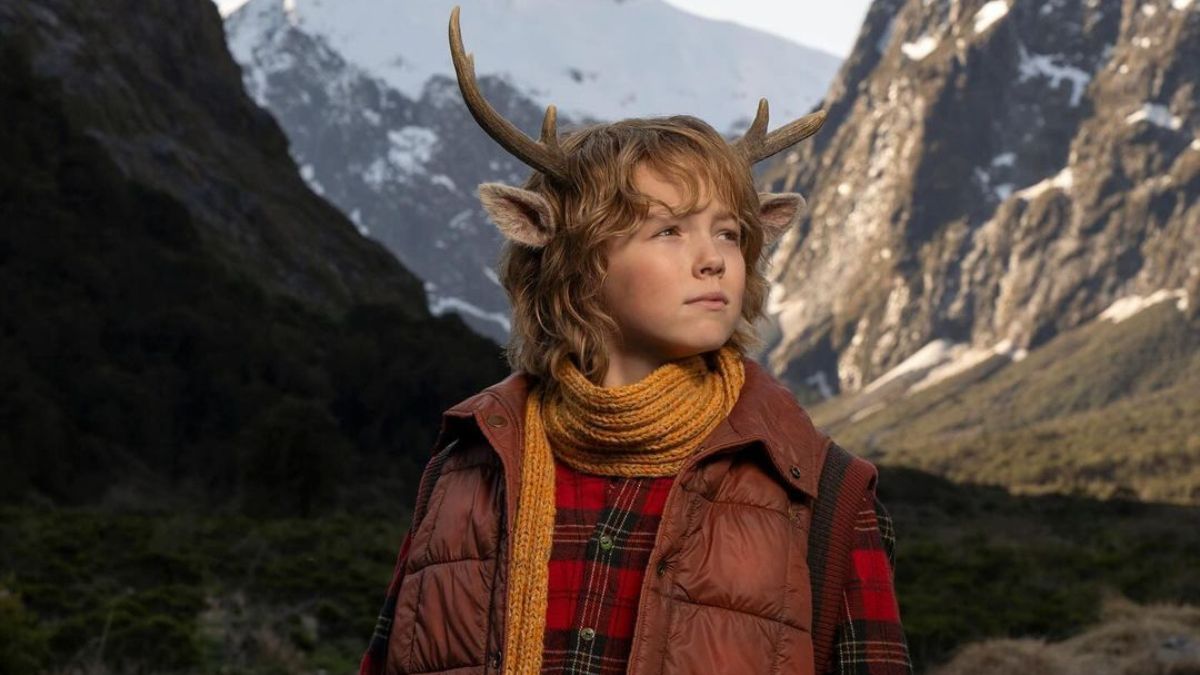
The third and final season of Sweet Tooth is now out on Netflix. The live-action adaptation of Canadian cartoonist Jeff Lemire’s comic book series about a half-deer boy premiered in June 2021. It was an uncomfortable time to air a series about humanity brought to the brink of extinction by a virus called The Sick. But one might say it was probably the perfect time to tell a story about The Great Crumble, a world-changing event that led to the existence of hybrids—half-human, half-animal children born to human parents after The Sick began to wipe out humanity. COVID-19 and the lockdowns feel like a distant dream now, but when the world ground to a halt, Sweet Tooth was a story that captured its essence and dared to venture beyond.
Three years later, Sweet Tooth’s story comes to a close and we finally learn the truth behind The Sick, deer boy Gus (Christian Convery), and the final fates of his family and friends. From the beginning, showrunner Jim Mickle made the crucial decision to break from the comic’s grimness and nihilism and infuse the series with color and hope. Mickle’s guiding principle has made all the difference and it’s what elevates Sweet Tooth head and antlers above other post-apocalyptic dramas. Sweet Tooth’s clarity of vision and unerring focus towards telling a complete and rousing story is a refreshing break from the bleakness of, say, The Walking Dead, which kept descending into depravity without knowing when to stop.
ALSO READ
Review: The Gayness of The Acolyte and The Unraveling of Fragile Masculinity
Review: Godzilla Minus One is Out on Netflix and it’s as Good as People Say it is
Sweet Tooth is an allegory for our times, depicting how certain segments of humanity marginalize and oppress those who appear different. It’s bigotry and racism for dummies, so thinly-veiled that only the least self-aware viewers would miss it. The irony, of course, is that the most bigoted and racist people are the least self-aware, but this shouldn’t take away from the poignancy and power of Sweet Tooth’s message. Seasons 1 and 2 saw the hybrid children treated as little more than lab animals, expendable resources in the frantic search for a cure as time runs out for humanity.
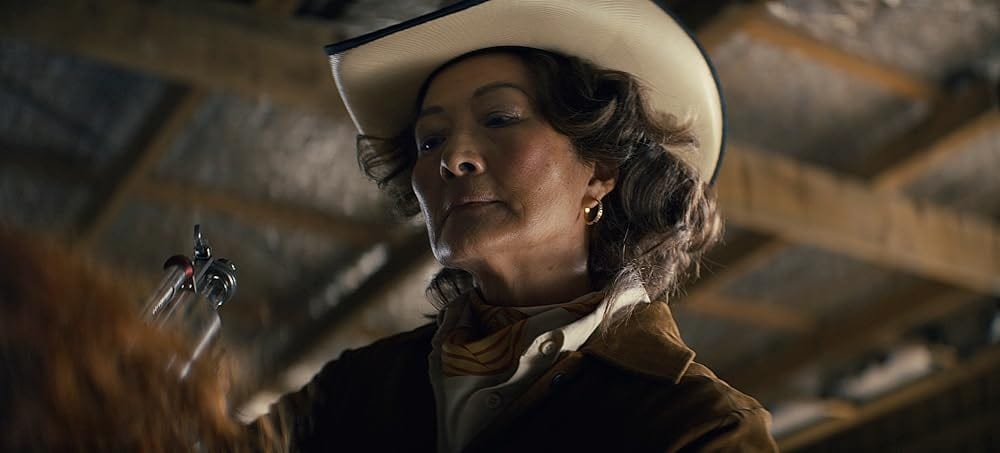
In Season 3, bigotry and hatred rear their ugly heads in the form of Mrs. Helen Zhang (Rosalind Chao), a member of The Three, a group of post-apocalyptic warlords who make an appearance at the end of Season 2. Zhang makes no secret of her disdain for the hybrids, exemplified by her horrific treatment of her grandsons—quintuplet wolf hybrids whom she weaponizes as glorified attack dogs. It’s sickening to see the elder Zhang take advantage of her daughter Rosie’s (Kelly Marie Tran) need for support and acceptance. Zhang is racing to “restore human birth” before her pregnant younger daughter (Louise Jiang) gives birth.
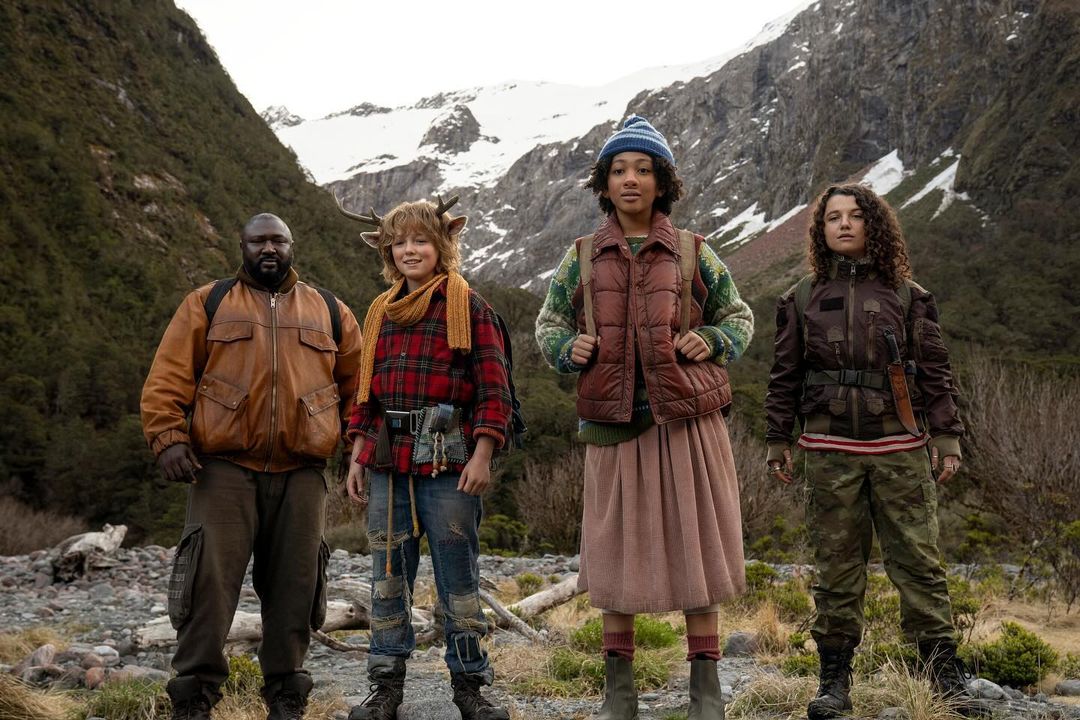
Nonso Anozie, Christian Convery, Naledi Murray, and Stefania LaVie Owen in Sweet Tooth.
Over the course of eight episodes, Sweet Tooth reminds us that intolerance and hatred are taught, ugly remnants of human tribalism that have not only persisted over thousands of years but constantly threaten to tear society apart. It’s a message that unfortunately continues to be relevant today and will likely be relevant ten, 50 years from now. There’s a nuanced irony in casting an Asian family as racist, or speciesist, cowboys when Asians have themselves been the target of hate crimes and discrimination. At the height of COVID, which originated in China, there was an exponential rise in hate crimes towards Asians. Not only is it a stretch to imagine there’d be hatred and bigotry towards the distinctively inhuman hybrids, whose arrival coincided with The Sick, it’s pretty much a guarantee. And it’s terrifying.
Despite humanity’s ugliness, Sweet Tooth makes a point of showing the glimmer of goodness. Sure, when Zhang puts a hefty bounty on Gus’ head, almost every human they meet sells them out, but there are humans who demonstrate not only tolerance but love. While Sweet Tooth refers to Gus and his penchant for consuming candy, the show is just as much about former footballer and mercenary Tommy Jeppard (Nonso Anozie), whom Gus affectionately calls Big Man. Jepp’s journey from a self-serving survivalist to Gus’ protector and father figure is the journey we hope humanity itself takes, maturing from self-preservation to self sacrifice. As Jepp explains, “you’ve got nothing to live for until you’ve got something to die for.”
Rosalind Chao as Mrs. Helen Zhang
Gus has always been hopeful and optimistic, the half-deer heart of a very human show, always looking for the good in humanity despite repeatedly being shown its ugliest side. So when Gus is pushed to his breaking point, his faith in humanity eroded by the selfishness and bigotry that never seem to diminish, it’s heartbreaking. Is humanity worth saving at all? It’s a fair question when you consider how the world will pretty much move on, even thrive, if you remove humanity from the equation. Sweet Tooth’s hybrids represent a kinder species, closer to nature and to one another, but as proven by Zhang, they are just as prone to corruption and manipulation. Humanity had its chance, and it blew it. Sweet Tooth throws the question back at the audience: have we blown it?
Humans are more divided than ever, with millions throwing their support behind filthy-mouthed demagogues who promise violence against those they view as ‘other’ and act with impunity. Basically, real world Mrs. Zhangs. Hybrids are analogous to every oppressed minority, from ethnic groups to the LGBTQ, different in appearance from humans and sometimes even grotesque, testing the limits of our tolerance and acceptance. When one parent binds his son’s wings to hide them away from outsiders’ eyes, it’s a twisted inverse to how some queer folks wear painful and often harmful binders to hide their breasts but the shame is the same.
Sweet Tooth is as good an adaptation as it comes, making only the most essential changes in service not just of story but of intent. If Mickle wanted to drive home the point that the only way forward is together, Sweet Tooth nailed it. It was true then, and it continues to be true now. But just as in the show, humanity messes up so much it’s easy to lose faith. We turn on one another and allow our prejudices to dictate how we treat others. It’s ugly, it’s uncomfortable, and it’s true. But Gus and his friends show us that there’s goodness, too. It’s why shows that revel in the darkness of its characters, such as House of the Dragon, can be entertaining but never inspiring. Sweet Tooth, on the other hand, peddles hope. And hope is a currency we badly need.
