Back to His Roots
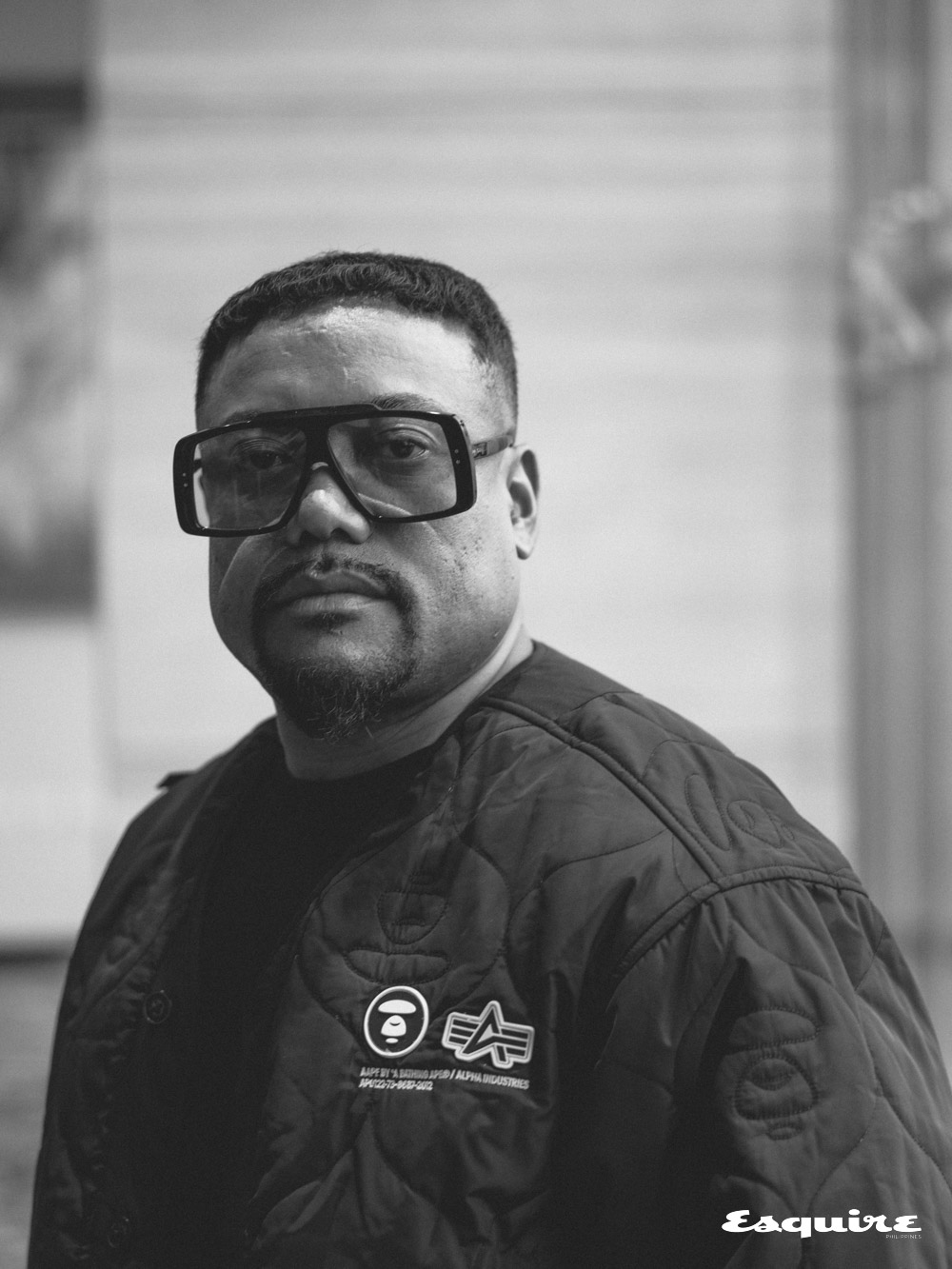
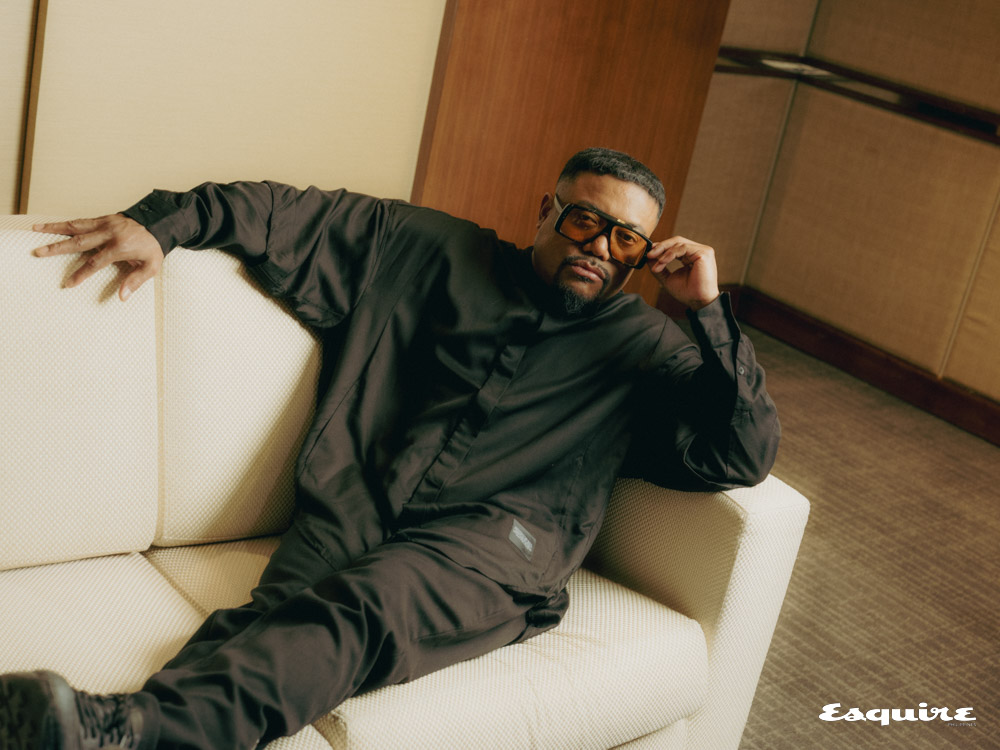
Every Filipino knows Apl's Cinderella story: Born to a farming family in the province of Pampanga, Apl.de.Ap migrated to the U.S. for a better life when he was adopted at 14 years old by American lawyer Joe Ben Hudgens. A few years into his new life in the U.S., Apl met a young man named William Adams, aka will.i.am, the nephew of his adopted father's roommate. The two would go on to become best friends and form the group Atban Klann before creating the now-legendary, genre-bending musical group The Black Eyed Peas. The rest, as they say, is history. But despite the worldwide fame and success, nothing could make Apl forget his roots.
Like many Filipinos, he came from a farming family. And like many Filipinos, he moved away from farming when he got older in pursuit of a better livelihood. Some leave their provinces to study in the city, get a corporate job, and support their families back home. Apl de Ap was no different, only his story brought him across the ocean to the U.S.A. where he got his big break in music.
But before the nightclubs and sold-out concerts, "I used to tag along with my grandfather, who was a farmer, and go to the mountain with him and plant corn," Apl recalled. "I was the designated carabao driver."
When things started going well for The Black Eyed Peas, it was these memories that he kept close to his heart.
"The first thing I purchased once I made some money was a rice field. I was like, 'If I buy a rice field, my mom never has to buy rice ever again.' So instead of fancy cars, I bought a massive amount of land for rice fields and, beyond music, it's been kind of knocking on my door to get back to it," Apl reminisced.
But Apl noticed something that we all do: the departure of younger generations from farming. "There was a concern inside of me like, 'Okay, I gotta learn most of these things so I can continue my grandfather's legacy and my family's legacy,'" said Apl.
ADVERTISEMENT - CONTINUE READING BELOW
Driven by the 'duty' to continue his agricultural heritage, the musician-turned-farmer dove headfirst into the world of agriculture, and naturally, he added technology to the mix. Concerned by the ongoing soil crisis which sees the loss of 457 million tonnes of soil yearly, Apl was exploring the intersection of technology and agriculture when his team came to him with the groundbreaking technology that turns biomass into biochar—or organic waste into a carbon-rich soil additive. A marvel of nature, the process is organic and restorative, turning trash into a tool that could fertilize the soil and help grow healthier crops.
"At the same time, it could help farmers have other means of making money; they could turn their trash or biomass into biochar and make extra money for a living. That's a great solution for the Philippines and in improving agriculture, especially coming to learn that everything is being imported. So, slowly, I want to contribute and spread the word," said Apl.
From Palawan to Pampanga, Apl.de.Ap has been on the ground, helping communities learn the ways of organic farming, and working side by side with local governments and indigenous communities.