
The Story of Surigao's Gold Treasures

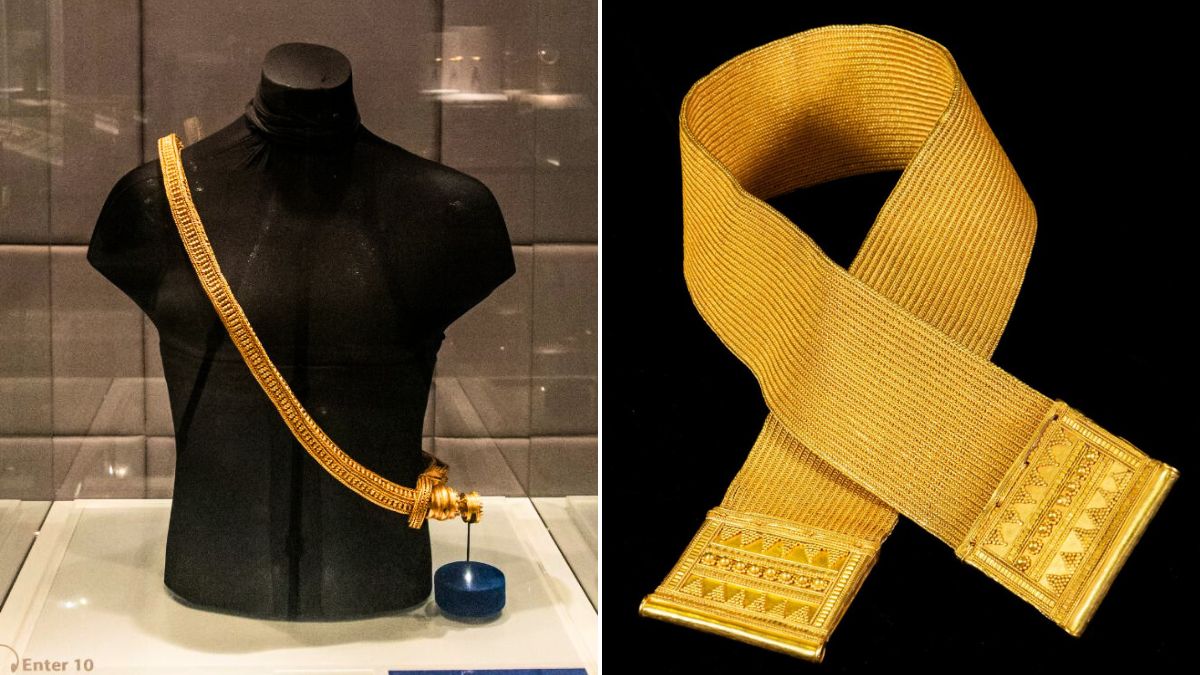
On April 27, 1981, Edilberto “Berto” Morales, a heavy machinery operator working on an irrigation project in Sitio Magroyong, barrio San Miguel, Surigao del Sur, stumbled upon an array of golden objects scattered along a 100-meter stretch of landfill quarried from a nearby mountaintop. He found objects as varied as a golden bowl and golden accessories such as bangles, necklaces, and waistbands.
Morales' discovery sparked a gold rush from May to July of the same year, as treasure hunters, dealers, and collectors flocked to Magroyong in search of more gold. These would later be recognized as the magnificent Surigao Treasure.
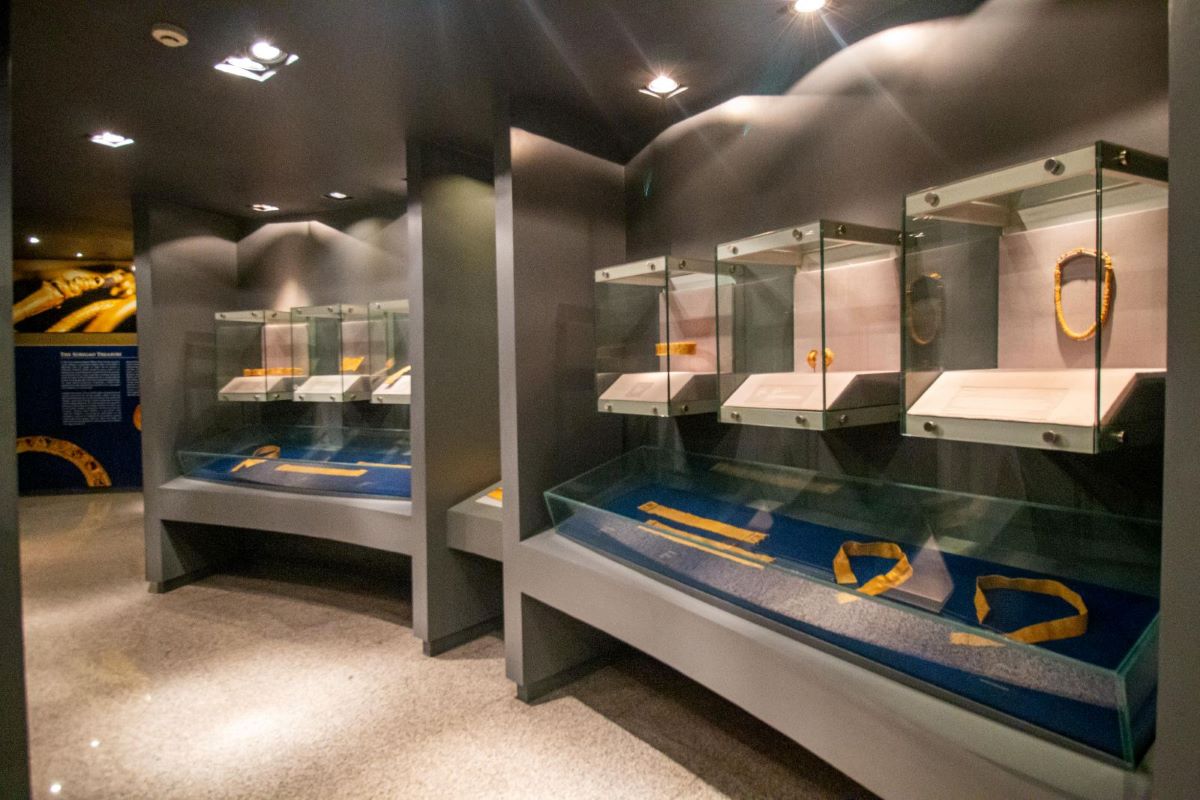
These historically significant precolonial gold treasures have only recently been reunited, thanks to the Ayala Museum's exhibition titled "Reuniting the Surigao Treasure." The showcase comprises 38 select goldworks loaned from the Bangko Sentral ng Pilipinas (BSP), alongside approximately 1,000 gold items from the museum's permanent collection. The joint exhibit highlights the rich artistic traditions, complex social hierarchies, and sophisticated economic practices of precolonial Philippines.
ALSO READ
The Story of Artemio Luna Ortega, the Unsung Filipino Veteran of the Spanish Civil War
How This Mexican Squadron Helped Liberate the Philippines During WWII
Curated by Dr. Florina Capistrano-Baker, former director of the Ayala Museum, this collection is more extensive than the successful 2015 joint display at the Asia Society Museum in New York City. There, Dr. Capistrano-Baker, alongside Dr. Adriana Proser, first brought to light the grandeur of Filipino precolonial artistry to an international audience.
Among the objects included in the exhibition are those that come individually from either the Ayala Museum or the BSP collection, but together they tell a “fuller” story. An example is the reunion of a massive four-kilogram gold chain, believed to be a Hindu upavita or sacred thread (Ayala Museum), with its pronged finial (BSP).
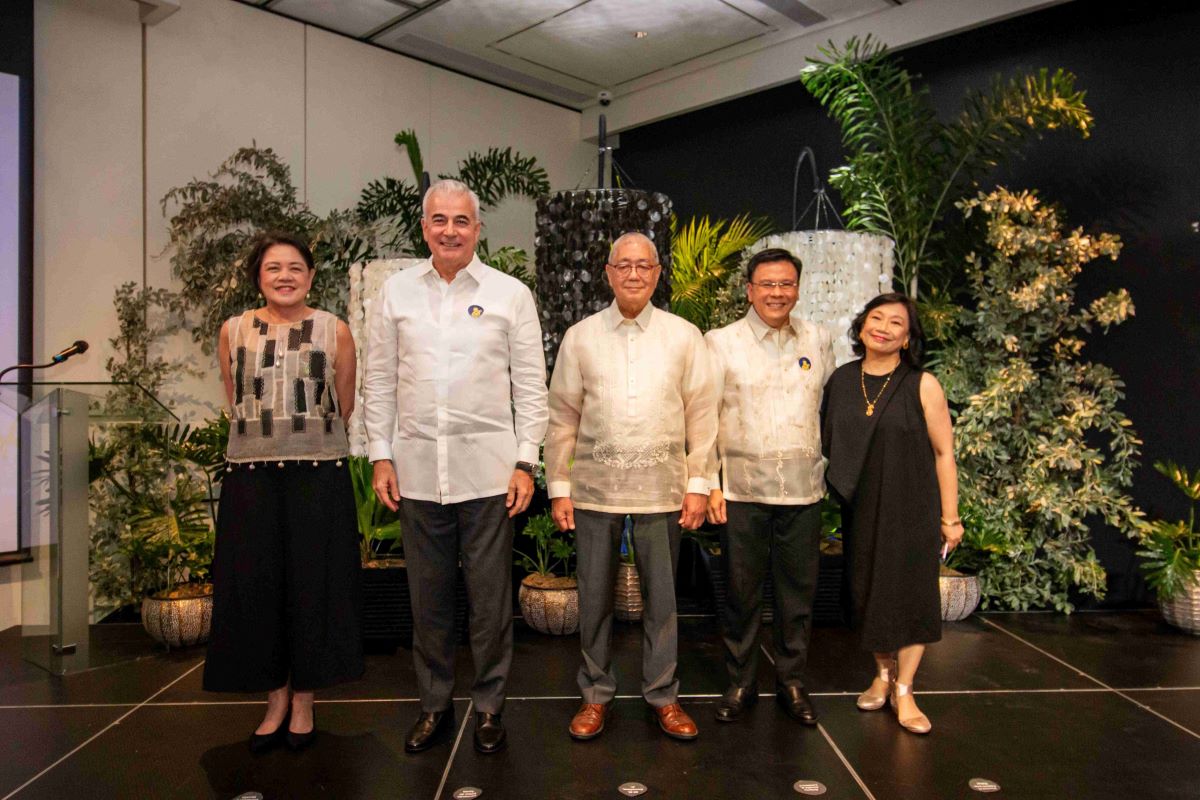
From left: Ayala Museum Senior Director Mariles Gustilo, Ayala Foundation Chairman Fernando Zobel de Ayala, BSP Governor Eli Remolona, Jr. Ayala Foundation President Tony Lambino, and Exhibition Curator Dr. Florina Capistrano-Baker at the opening reception of the Reuniting the Surigao Treasure exhibition.
Also reunited are intricately woven gold waistbands, featuring seven complete belts from the BSP collection and several partial and complete sashes and buckles from Ayala’s collection. Together, they tell the story of power and opulence in the ancient polity of Butuan in northeastern Mindanao, where the elite could afford stunning accessories of gold.
Another remarkable reunion features a gold balance scale from the Ayala Museum paired with a gold weighing scale pan from the BSP. This scale is a testament to the advanced trading culture that thrived in the Philippines before European contact. Among other treasures from the BSP are a 4.5-meter-long kamagi chain made up of 12 connected necklaces, numerous gold bangles set with semi-precious stones, and necklaces made of susô beads.
Mariles Gustilo, Senior Director of Ayala Museum, highlighted the importance of this joint initiative, which reminds everyone of the country's magnificent precolonial history and inspires national pride.
The "Reuniting the Surigao Treasure" exhibition opened to the public last May 17 and will run until 2027.
