
Luft Pinoy Flying Car: The Future of Island-Hopping

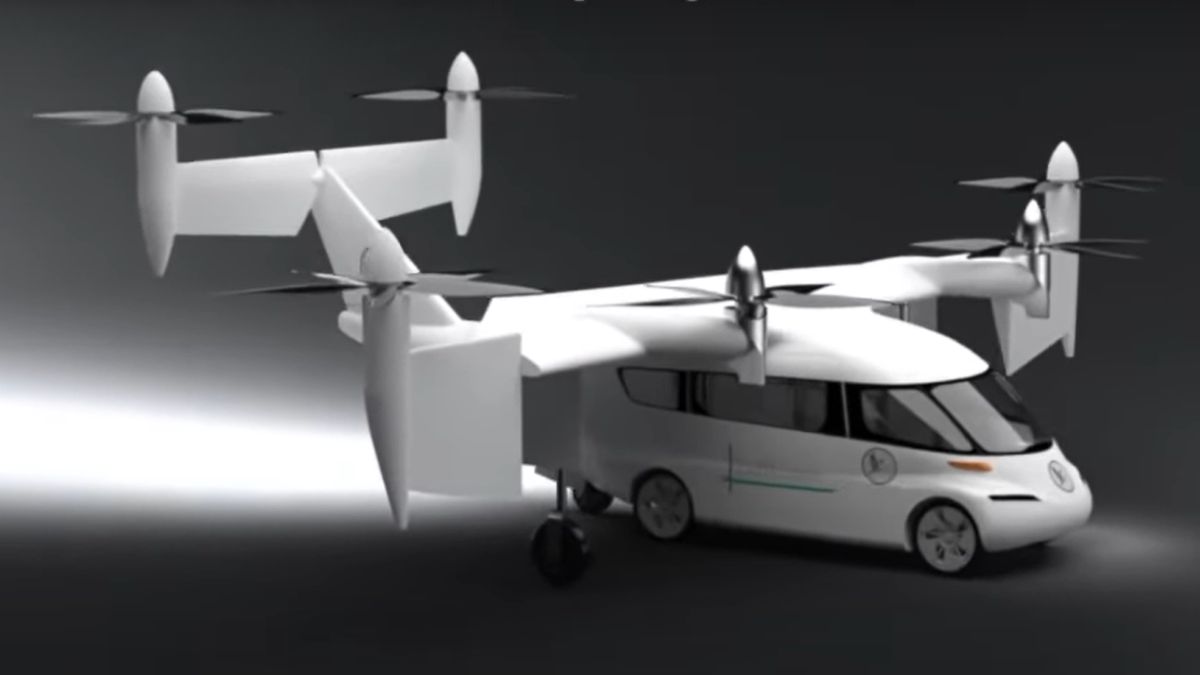
The Philippines might soon see a flying car ideal for traveling across its over 7,600 islands, thanks to a partnership between LuftCar, a Florida-based Electric Vertical Take-Off and Landing (eVTOL) startup, and the Philippines' eFrancisco Motor Corporation (eFMC).
Together, the two companies are developing Luft Pinoy eVTOL, a hydrogen-powered air and road vehicle that is inspired by the V-22 Osprey. The project seeks to leverage LuftCar's hydrogen propulsion technologies and eFMC's expertise in vehicle manufacturing to develop an eVTOL prototype expected to be ready by the end of 2024.
"Our flying and road vehicle concept is tailor-made for connecting the archipelagos and serving cargo, air ambulance, tourism, and regional transportation verticals," said Santh Sathya, CEO of LuftCar. "Our hydrogen propulsion will serve long-distance and heavy payload-carrying needs in the region."

ALSO READ:
Metro Manila Subway Project Hits 40 Percent Completion Mark
Halfway There: Roma Point, Calabarzon's Future Longest Bridge, Reaches Construction Milestone
Luft Pinoy plans to pair a hydrogen fuel cell or electric battery-powered minivan with an eVTOL airframe equipped with propellers. This design enables it to land anywhere with flat surfaces, making it practical for locations without airstrips and eliminating the need for secondary transport vehicles.
Sathya expresses enthusiasm about their partnership with eFMC, which is praised for its commitment to clean energy transportation and its support for enhancing air transport in the region.
Camarines Norte, home to eFMC's 200-hectare Special Economic Zone, has been designated as the focal point for this tech revolution. Governor Dong Padilla of Camarines Norte fully supports the goal of transforming the Philippines into the epicenter of this pioneering initiative. LuftCar plans to mass-produce the aircraft frames in partnership with eFMC in the area.
