
The Man Who Made the World Sing: Remembering Shigeichi Negishi, Inventor of Karaoke

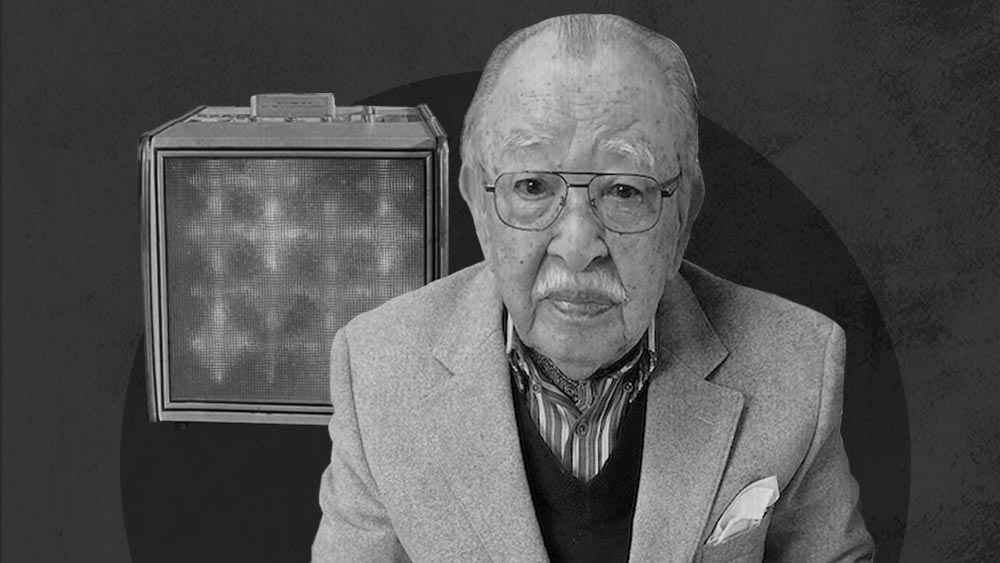
Singing in karaoke is a favorite pastime not only in Asian countries like Japan and the Philippines but across the world. We owe the existence of this groundbreaking form of entertainment to Japanese visionary Shigeichi Negishi, who introduced the world to the karaoke machine through his creation, the "Sparko Box."
There were other Japanese guys who developed the machine between 1967 and 1971, but Negishi's version is "recognized as the earliest" by the All-Japan Karaoke Industrialist Association.
Negishi, who was 100, died of natural causes on January 26, according to his daughter, Atsumi Takano.
ALSO READ:
The Philippines Has the World's Second Highest Number of Female Inventors
The Life and Career of Dr. Juan Salcedo: The First National Scientist of the Philippines
What prompted the creation of the machine was Negishi's love for singing. The seasoned salesman, who founded automatic control equipment manufacturer Nichiden Kogyo, was known to start his day with the radio show "Pop Songs without Lyrics." This allowed him to sing along to instrumental versions of popular tracks. These musical sessions were a way for him to unwind and boost his energy for the day, said gaming news site Kotaku.
During a light-hearted sing-along at work, Negishi, then 40 years old, jokingly suggested to his chief engineer the idea of hooking up a microphone to one of their 8-track tape players to hear his voice over the instrumental tunes. To his surprise, the engineer was immediately on board with the concept and presented his creation after three days.
Eager to test this new setup, Negishi chose "Muj? No Yume" ("The Heartless Dream"), a popular song from the 1930s, and sang along to its instrumental version.
Negishi called his invention the Sparko Box after his distributor turned down the name "karaoke" because it sounded like "kanoke," the Japanese term for coffin. The machine made use of eight-track cassette tapes that contained instrumental recordings of well-known songs, along with a paper booklet for the lyrics.
Despite not securing a patent, Negishi successfully sold 8,000 Sparko Boxes to various establishments across Japan until he ceased sales in 1975. The CBC reports that the Negishi family possesses the last functioning Sparko Box in the world.
Meanwhile, many associate the invention of the karaoke machine with Daisuke Inoue, a nightclub musician who developed a similar machine in 1971. Inoue's machine allowed for the adjustment of pop-song tracks to suit different singers. Around the same period, in the late 1960s and early 1970s, three other Japanese inventors also created their own versions of karaoke machines.
"By automating the sing-along, he earned the enmity of performers who saw his machine as a threat to their jobs," Matt Alt, who interviewed Negishi for his book, Pure Invention: How Japan Made the Modern World, wrote on Twitter. "It's an eerie precursor to the debate surrounding AI's impact on artists today."
Rob Sheffield of Rolling Stone also encouraged karaoke enthusiasts to honor the creator of karaoke by taking "a moment to sing a chorus extra loud."
"He gave the world a whole new way to sing. For all of us who live for karaoke and those moments of pitchy transcendence we find thanks to his invention, this great man is the Mr. Roboto we all owe the most domo of arigatos."
Negishi's adventure with karaoke might have quietly drifted out of the limelight, yet his legacy continues to resonate with people who've discovered the joy of singing.
