
Y Chromosome Degeneration: What It Means for the Future of Men

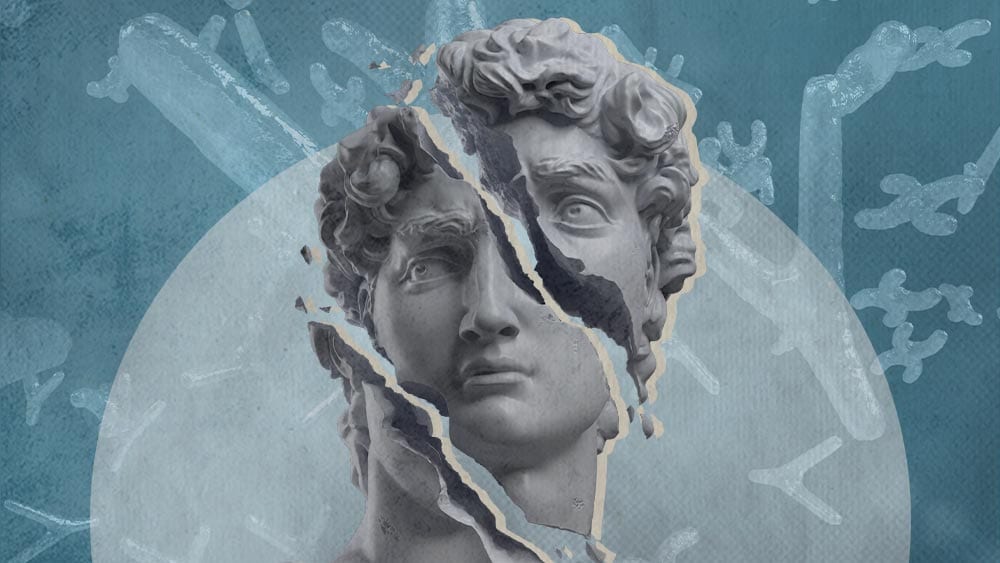
A recent article in Science Alert renewed interest in two studies, one in 2014 and another in 2022, on the apparent degeneration of the Y chromosome. As the story goes, the Y chromosome is slowly degenerating and the end result is that it may eventually disappear.
Does that mean the male sex will disappear as well? Well, not quite. It might seem worrisome especially with issues involving gender fluidity, sex changes, and whatnot. But there’s no need to worry, as the real story is more complex than it seems (in a good way).
ALSO READ
Paris Olympics 2024 Is a Clarion Call for Gender Equality
First, let us review basic Mendelian genetics as taught to us in biology class. Females have an XX chromosome combination in their cells while males have XY. However, as the Science Alert article goes, genes contained in the X chromosome do mostly nothing, as do most of the genes in Y. A particular gene discovered in 1990 and given the name SRY has been identified as the very gene that causes a human to become male. It works with the SOX9 gene as the trigger mechanism for the development of male-specific organs.
However, it’s been recently found that chromosomes and genes undergo deterioration and eventual disappearance. The Y chromosome deterioration has been noted in several species of animals, and it means that this specific gene that triggers male development will be among those that disappear. This gives rise to the fear that the male sex will disappear.
Oh rats!
Two species of rodents are reported to have already lost their Y chromosomes: the Japanese Spiny Rat and the vole mole. Despite this, males are still being born in their bloodline. How is this possible? A 2022 study said that the Spiny Rat has the SOX9 gene on chromosome 3 of the species genome sequence. Somehow, the SOX9 gene is activated despite the lack of the SRY gene.
This means other genes might have evolved to take up the role that SRY once played in these species. Research in this area is in its infancy and much has yet to be discovered about the workings of genetics, especially whether the same findings apply to human genetics as well. Other considerations are the issue of whether humans can manipulate genetic material and, if indeed possible, the extent of this possibility, given that it raises ethical considerations.
Another fact to consider is that the disappearance of the Y chromosome will happen in a few million years. That means there’s still lots of time for humanity to research and find out what the real score is on human genetics. For now, we can be certain of one thing: the male of any species isn’t going away just yet.
