
This House in Nueva Ecija Was Once the Capitol of the Philippine Republic

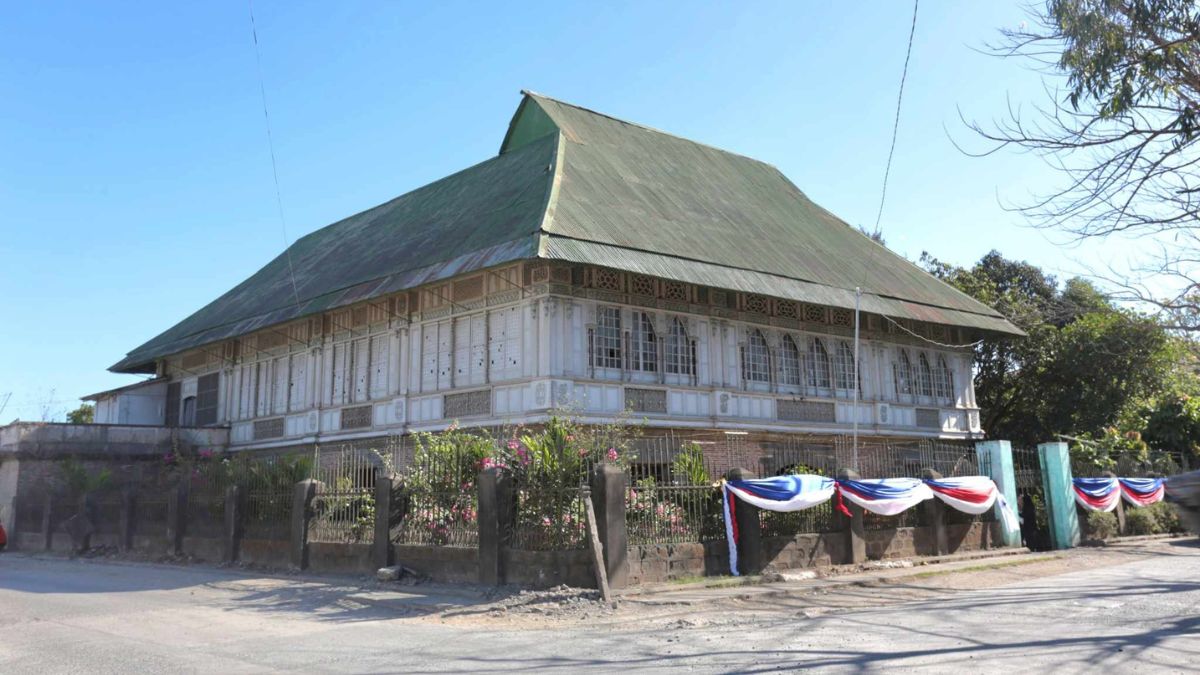
For the residents of San Isidro, Nueva Ecija, the recognition of the Sideco House as a historically significant structure has been a long time coming. Although they were aware of the house's cultural importance, it remained underappreciated for many years.
But on April 5, 2024, the Bahay ni Crispulo Sideco, also known as Sideco House, was officially designated as a National Historical Landmark by the National Historical Commission of the Philippines (NHCP). This distinction recognizes sites, structures, and regions of considerable historical, cultural, and educational importance. The unveiling of the historical marker coincided with the presentation of the Historical Marker for the Town of San Isidro, Trail of Nationhood.
ALSO READ:
Historians Rediscover Magellan-Led Voyage to Palawan in a Landmark Study
7 Famous Landmarks in Manila, Then and Now
Who owned the Sideco House and what is its significance?
This 19th-century bahay-na-bato was built by Crispulo Sideco, also known as Kapitan Pulong, a notable figure in the Philippine Revolution and the Katipunan.
According to the NHCP, the Sideco House served as the headquarters or seat of office of the Aguinaldo government for almost two months after the capital of the First Republic was transferred to the town of San Isidro from Malolos, Bulacan on March 29, 1899. The move was due to the continuous assaults by the Americans to suppress the freedom and sovereignty of the Philippines.
When Aguinaldo and his men retreated northwards, the American soldiers fully besieged the capital. They also took over the Sideco family's home and turned it into their headquarters.
It was at the Sideco House where American army officer Colonel Frederick Funston meticulously planned the capture of Aguinaldo. This happened in Palanan, Isabela on March 23, signaling the fall of the First Republic to the Americans.
The house's resilience was again tested during World War II when it was used as a barracks by Japanese soldiers. Fortunately, it survived the damages brought by the war.
Currently, it is in the care of the Guingon family. It is now one of the remaining bahay-na-bato structures with unique floral wood carvings in Nueva Ecija.
