
A Dildo as Old as Jesus Was Found in England

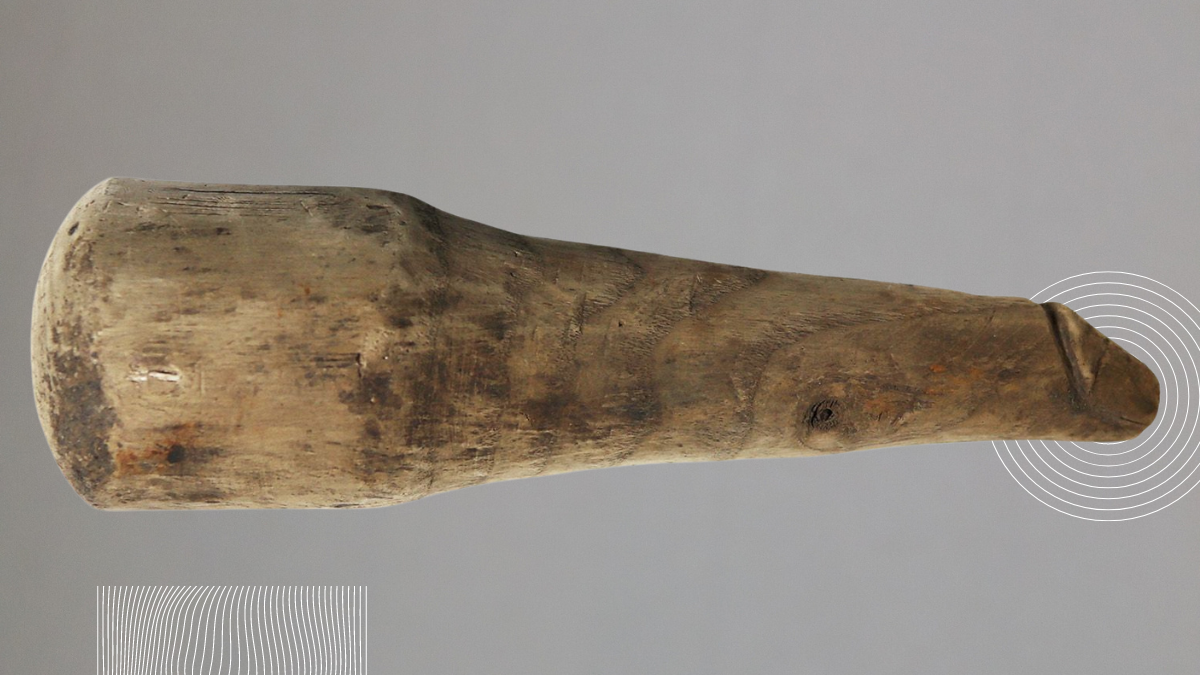
Over 2,000 years ago, there was a Roman outpost in England. It was Vindolanda Fort, just south of Hadrian’s Wall. In 1992, an unusually well-preserved dildo from that period was accidentally unearthed at the fort, but archaeologists did not immediately realize they had an ancient sex toy in their possession. They mislabeled the obviously phallic object as a sewing tool.
How the heck?
Scientists from 1992 Mistook This for a Sewing Tool?
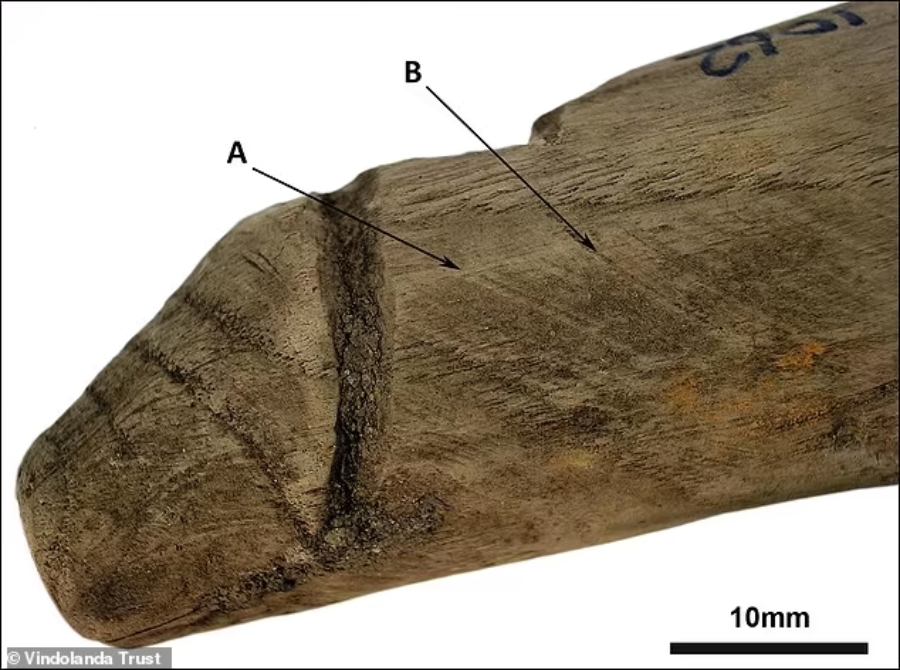
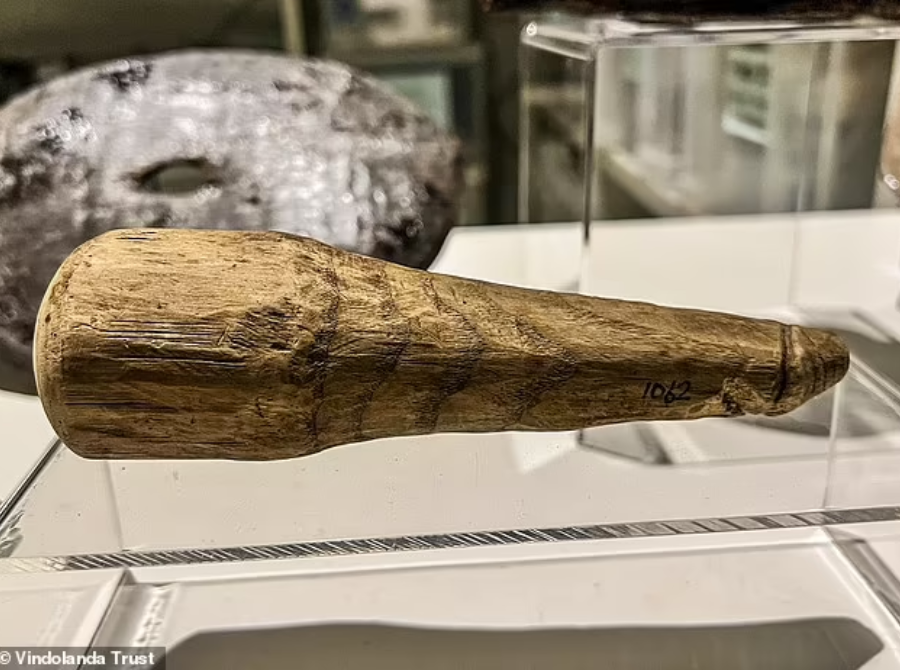
Well, according to the discoverers, they found the object alongside crafting waste products, sewing tools, dress accessories, and shoes, prompting them to assume that the 6.3-inch dildo was not a sex toy.
Because why wouldn’t anyone from 2000 years ago have a shelf of dildos and not think of hiding them with other everyday implements, right? Uh-huh.
Back to the present day—some very curious scientists from Newcastle University and University College Dublin—decided to take a second look, and after much analysis of the wooden phallus, they decided that it was indeed, an ancient dildo because of the smooth ends of the object, indicating it had been very frequently used.
The object is smoother at both ends than in the middle, probably because of repeated gripping, rubbing against the skin, and contact with oils from the body at those parts, similar to how a modern dildo is used.
"We know that the ancient Romans and Greeks used sexual implements—this object from Vindolanda could be an example of one,” said Dr. Rob Collins, a senior lecturer in archaeology at Newcastle University.
Although the use of dildos is pretty common in the Ancient Roman Empire, very few sex toys actually survive to this day because most of these were made from organic materials, such as wood.
“The wooden phallus may well be currently unique in its survival from this time, but it is unlikely to have been the only one of its kind used at the site, along the frontier, or indeed in Roman Britain,” said Barbara Birley, curator at the Vindolanda Trust, in a press release.
