
Today I Learned: Clear Liquors Tend to Cause Less Hangover

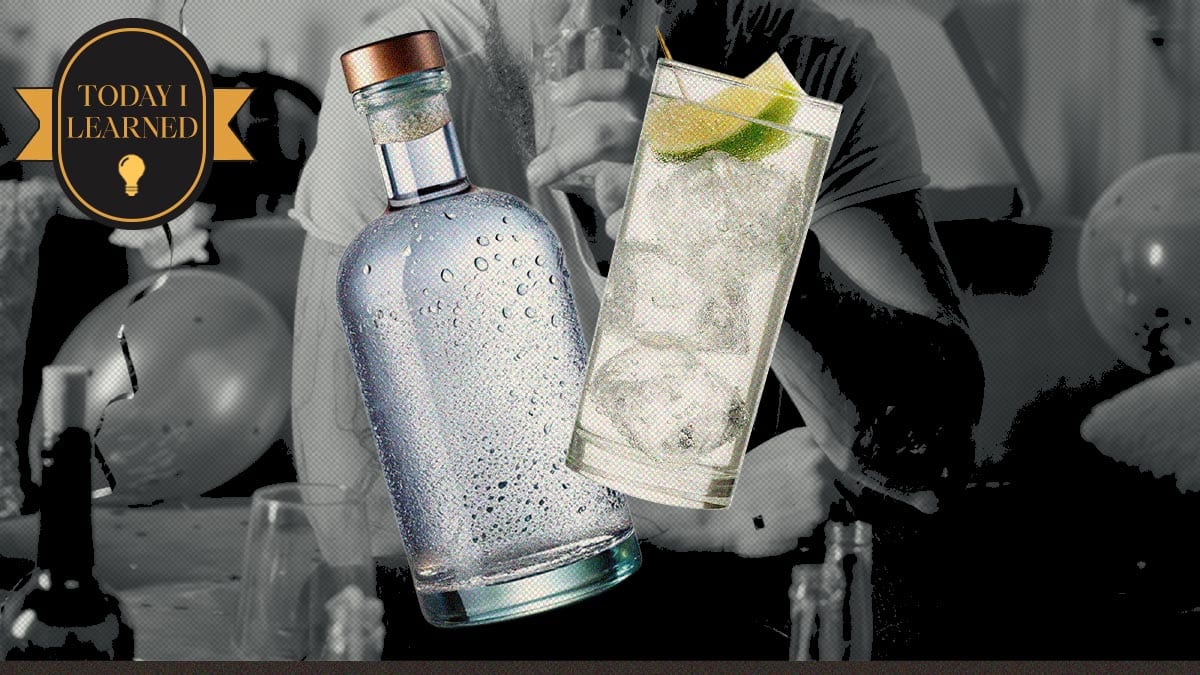
It’s Happy Hour somewhere—and if there’s a holiday like Labor Day, Halloween, or Christmas, you just know there’s a party starting in every bar you come across. While you may be eager to jump headfirst into the festivities, memories of your last hangover might hold you back. But here's a helpful tip: a science-backed information reveals that clear liquors (such as vodka and gin) tend to cause less severe hangovers.
Let’s be real: it's very enticing to order a bottle of premium aged whiskey or the latest Patrón tequila being marketed in the club, especially when you’re drinking with friends, coworkers, or just showing off. But when the morning after feels like a jackhammer to the skull—and there’s actual construction happening near your house—you might wish you’d reached for something more transparent.
While no alcohol gets a clean bill of health, some are just sneakier than others. Fortunately, it seems younger generations and society as a whole are collectively moving toward a more functional relationship with alcohol. Gen Z, specifically, is becoming more 'sober curious' and consuming less beer and wine compared to previous generations. With that in mind, it's helpful to know that congeners are the enemy. We’ll explain more in a bit.
What is a Hangover?
A hangover isn’t just a comedy trilogy, nor is it regret personified. According to the National Institute on Alcohol Abuse and Alcoholism (NIAAA), a hangover is a cluster of symptoms that occur when the body is trying to recover from the effects of heavy alcohol consumption. Think: headache, nausea, fatigue, sensitivity to light and sound, muscle and body pain, anxiety, and, well, sometimes a dash of existential crisis for good measure.
Many of these symptoms can be traced back to how alcohol disrupts your body. First, dehydration. As a diuretic, alcohol prompts your kidneys to flush out fluids faster than normal, so make sure to hydrate properly throughout your drinking session—and no, coffee and soft drinks do not count. Stick to water.
Next, sleep disruption. While alcohol can indeed knock you out—this is why some people reach for a drink or a 'nightcap' before bed—the quality of sleep you get is less than ideal. As a result, you don’t necessarily feel well-rested the following day, worsening the hangover symptoms.
Add inflammation, gastrointestinal irritation, and the body’s exposure to acetaldehyde (a toxic byproduct of alcohol metabolism), and you’re left with a full-body crash. Alcohol is also said to mess with your blood sugar levels, and some studies suggest it may impair immune function temporarily. Mix them all together, and you’ve got a cocktail of cognitive and physical discomfort.
Then there’s the "mini withdrawal" effect. Alcohol may make you feel calm and loose at first, but as its effects wear off, your brain rebounds with anxiety and jitteriness. You’re not being dramatic; you’re literally experiencing a form of withdrawal—leading some people to reach for a "hair of the dog," drinking a bit more alcohol to "counteract" these horrible symptoms. Unfortunately, that’s just a temporary solution, and it could even make matters worse.
ALSO READ
14 Chefs Reveal Their Secret Hangover Cures
Scientists Are So, So Close to Creating a Hangover Cure
Drinking Clear Liquors Tend to Cause Less Hangovers
Now for the good news. According to Harvard Health Publishing, clear liquors like vodka and gin are associated with fewer and less severe hangovers compared to darker spirits like whiskey, bourbon, red wine, and brandy.
Why? Two words: congeners and methanol. While ethanol is the main active ingredient in alcohol, darker liquors also contain higher concentrations of congeners, toxic compounds like methanol produced during fermentation. When the liver metabolizes methanol, it breaks down into formaldehyde and formic acid—both of which are toxic and linked to more intense hangover symptoms.
While it doesn’t mean that five vodka shots won’t leave you spinning, it may mean that your morning after could actually include making the most of the hotel’s breakfast buffet and even a sunrise yoga session, instead of a room that just never stops spinning and the toilet bowl being your best friend.
And while we’re here: wine, despite its antioxidants, often contains sulfites and tannins that can exacerbate hangover symptoms in people with sensitivities. Consider that your excuse to skip on the wine during dinner and order a gin and tonic instead.
Eat Foods Rich in B Vitamins and Zinc
You’ve heard the classic advice: “Don’t drink on an empty stomach,” and it’s true, especially if you eat dishes or snacks rich in B Vitamins and Zinc. A study published in the Journal of Clinical Medicine found that individuals who consumed higher levels of Zinc and Nicotinic Acid (Vitamin B3) had less severe hangovers. These nutrients play a role in breaking down ethanol and processing acetaldehyde more efficiently.
So what should you eat? Here are some options:
- Oysters: Rich in Zinc, plus they’re perfect with a Vodka Martini—shaken, not stirred
- Red meat: High in Zinc and Niacin. So why not grab a steak before moving to the bar?
- Beans and lentils: Perfect for vegan and plant-based eaters
- Whole grains: Brown rice, oats, and quinoa support sustained energy and metabolism
- Mushrooms and avocados: Delicious and Niacin-packed. Maybe grab an avo toast if everyone’s going for a “breakfast for dinner” meal?
Other Hangover Preventions and Cures
Let’s say it’s already 2 a.m., and you’ve already had one too many G&Ts. Here’s how to triage and mitigate the impending crisis like a grown adult:
- Hydrate, hydrate, and hydrate
As mentioned, hydrating throughout your drinking session (meaning before, during, and after) can make all the difference in how you’ll feel the following morning. Sports drinks can help replenish electrolytes, though plain water works just as fine. It won’t cure you, but it’ll cushion the blow. A general one-is-to-one rule is to have a glass of water for every alcoholic drink.
- Sleep It Off (Properly)
Remember: a blackout nap is not equal to a good rest. Aim to stop drinking a few hours before bedtime. Set a cutoff time—and stick to it, perhaps just spend the rest of the night (or early morning) dancing with your friends.
“While a lot of people are aware that alcohol can make them sleepy and help them get to sleep, drinking two or more drinks causes a marked decrease in sleep quality. Your sleep is less restful, and you’re going to feel less refreshed even with amounts of alcohol less than those that cause hangover,” Gantt Galloway, senior scientist at the Addiction & Pharmacology Research Lab at the California Pacific Medical Center, told Healthline.
- Don’t Take Tylenol
It’s a horrible combo. Gantt said: “The acetaminophen in Tylenol causes your body to metabolize alcohol more slowly. It can also cause liver damage in high doses.” Instead, take ibuprofen or aspirin—but be mindful of stomach irritation."
- Don’t Keep Drinking
"Hair of the dog," which refers to an alcoholic drink taken the following morning to mitigate hangover symptoms, may offer temporary relief—but it's a huge trap. If anything, this approach will only make the hangover worse later on.
Gantt stressed: “The conventional wisdom is that [the hair of the dog is] effective, but if you’ve consumed enough alcohol to cause hangover and substantial impairment and discomfort the next day, you need to be looking at your drinking. More alcohol the next day may fuel the fires of excessive drinking.”
- Eat a Hearty Breakfast
Replenish your depleted nutrients and blood sugar. Eggs, toast, and a banana? Solid choice. A mushroom omelet with toast? Also good. Some people swear by pho, ramen, or Korean kimchi soup. Research also suggests that Korean pear juice and red ginseng may reduce hangover severity. Italians swear by espresso, which can help wake you up. However, if you're already experiencing nausea and tremors, the caffeine can make them worse.
- Cold Showers and Light Exercise
They won’t cure you, but they boost circulation and help you feel less like a walking zombie. Even a short walk and a splash of cold water can reset your system.
Hangovers are your body's not-so-gentle reminder that you're not invincible, no matter what those tequila shots were telling you last night. But with better choices, you can minimize the damage. Reach for clear liquors, eat smart, and ensure you eat well before drinking, stay hydrated throughout, and get as much rest as possible.
