
Philippines to Host First-Ever FIFA Futsal Women's World Cup

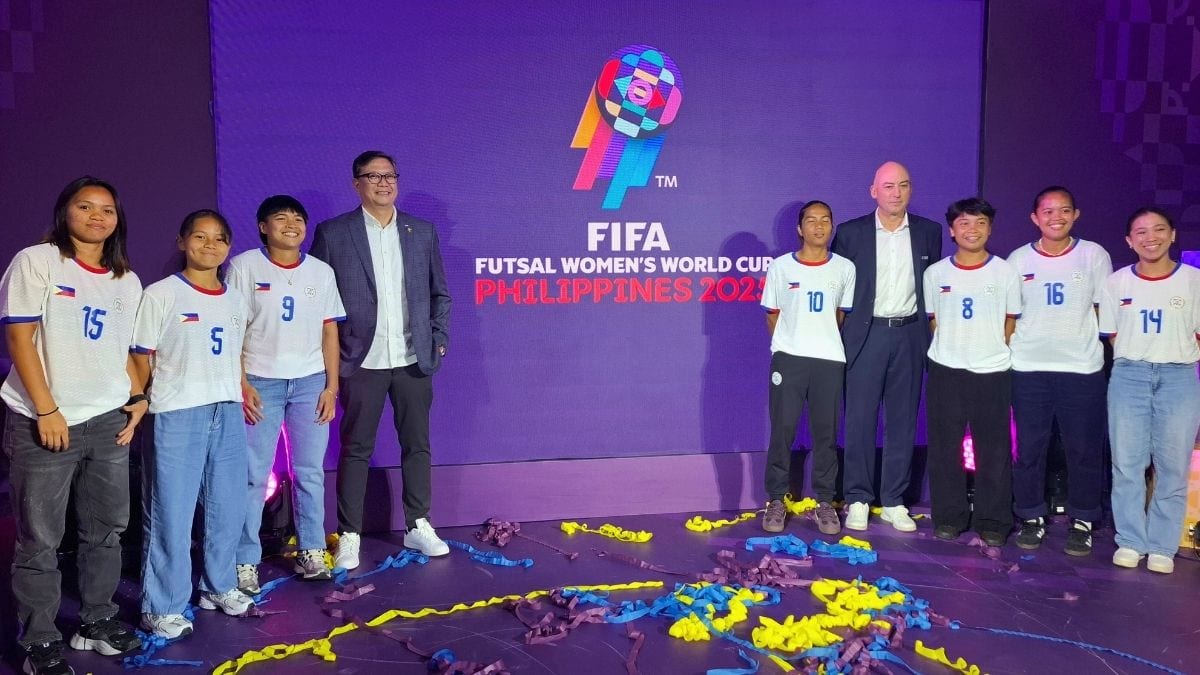
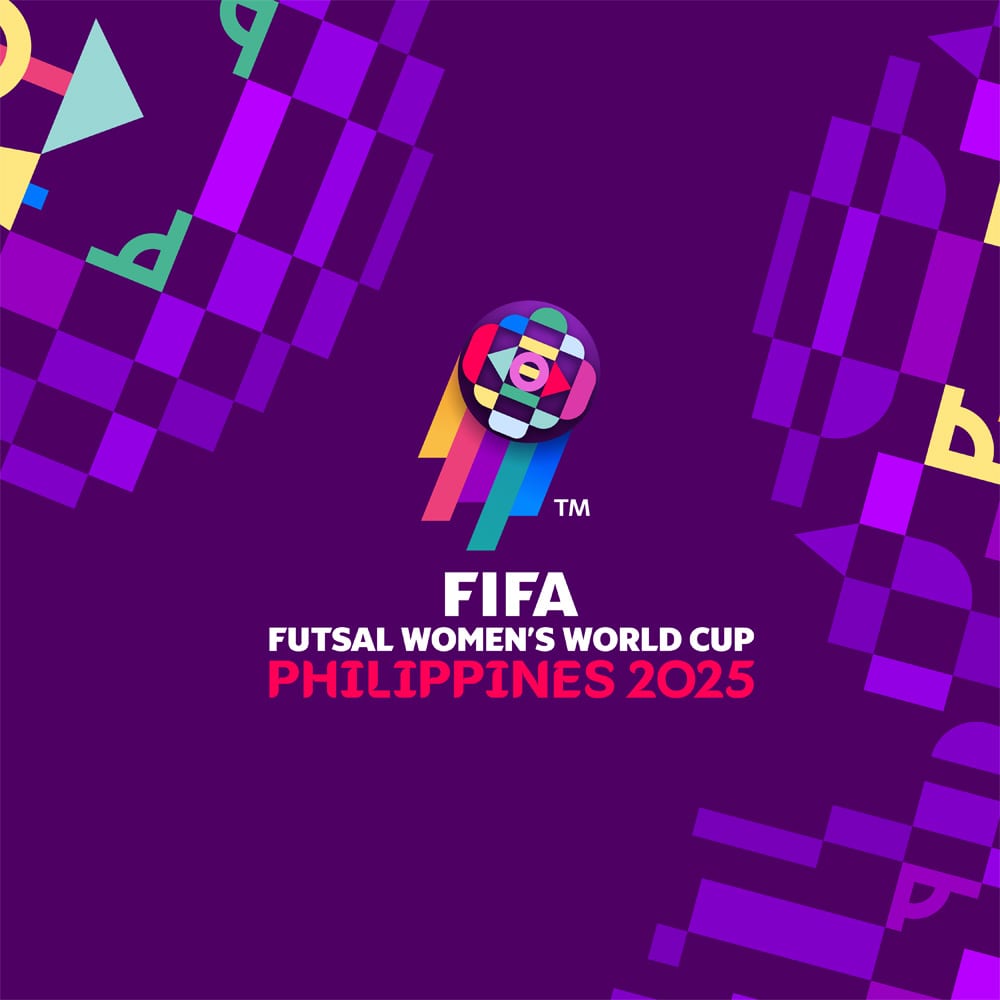
The FIFA Futsal Women’s World Cup Philippines 2025 is all set to happen from November 21 to December 7, 2025, as the dynamic emblem and official slogan "Master the Speed" were unveiled on Tuesday, March 18, at Whitespace Manila in Makati.
FIFA Futsal Women's World Cup Philippines 2025 dynamic emblem
ALSO READ:
Who Is Sarina Bolden, the Filipino Footballer Who Scored the Historic Goal Against New Zealand?
Paulino Alcantara: The Filipino from Iloilo Who Became the World's First Asian Football Star
FIFA Futsal Women’s World Cup Philippines 2025: A First
The FIFA Futsal Women’s World Cup was first announced in December 2022, and it was in May 2024 that the Philippines was given hosting rights.
Not only is this the first-ever Fédération Internationale de Football Association (FIFA) Futsal Women's World Cup, but it's also the first FIFA tournament to be held in the Philippines. This completes FIFA's four quadrennial events, with the other three being the FIFA World Cup, FIFA Women's World Cup, and the FIFA Futsal World Cup, which was inaugurated in 1989.
Philippine Football President John Gutierrez

"Although the World Cup hosting was awarded to us only May 15 of last year, this has been almost a 20-year journey. Back in 2005, I think, when we sent our first futsal team to the Southeast Asian Games, this right now is a culmination of the hard work that our athletes and our stakeholders have put in. This is a culmination of the sacrifices and the investments that football lovers and futsal lovers have put in. Now, we have the opportunity to show the world how good the Filipina athlete is," Philippine Football President John Gutierrez told invited guests and media members during the brand identity launch.
The FIFA Futsal Women’s World Cup Philippines 2025 also happens to be the second FIFA women's tournament held in Southeast Asia, with the first being the 2004 FIFA U-19 Women's World Championship in Thailand; and the second Futsal World Cup in SEA, with the first being the 2012 FIFA Futsal World Cup, also in Thailand.
FIFA Director of Tournaments Jaime Yarza
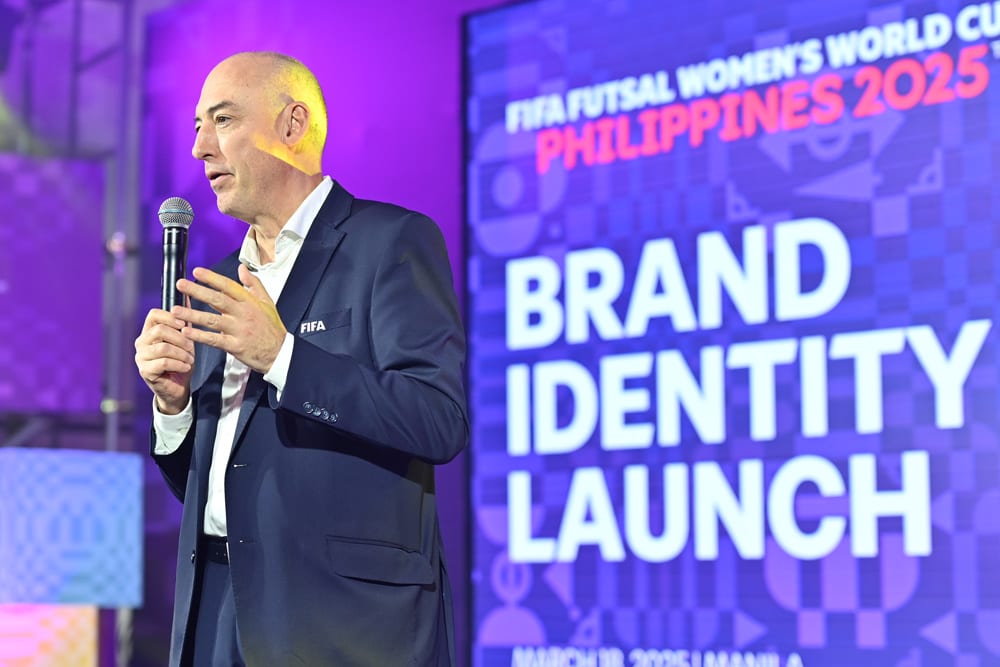
FIFA Director of Tournaments Jaime Yarza expressed his confidence that the Philippines will make a lasting mark as the host of the first-ever FIFA Futsal Women's World Cup. "We are convinced that the world will put their eyes on this beautiful country," Yarza said, highlighting how the tournament’s brand, Master the Speed, reflects the spirit, love, character, and beauty of the Philippines.
The tournament’s dynamic emblem reflects Filipino flavors: local street art and motifs, Zamboanga vinta boats, the gabbang musical instrument, and traditional binakol patterns. These are combined with futsal elements, including depictions of the futsal ball, the shape of the pitch, and the five members of a futsal team. Arrows are else prominent in the emblem, portraying the fine line between the skills of defense and attack in the sport.
Yarza hopes that in the years to come, players, coaches, and everyone involved in sport development will remember the Philippines as the birthplace of the Women's Futsal World Cup. With 77 countries competing for a spot in the qualifiers, involving 70 teams, Yarza described this level of participation as remarkable, underscoring the global enthusiasm for futsal. He believes the tournament will establish the foundation for the long-term growth of futsal not only in the Philippines but across the region. He also expressed his confidence in the country’s potential to become a center for sports development, citing the professionalism and passion of the Filipino people.
"We are convinced because everything is here: professional people, passionate people, and really people that look further into the future to do something out of this world," he said, calling the partnership with the Philippines the best FIFA could hope for.
FIFA Chief Women’s Football Officer Dame Sarai Bareman
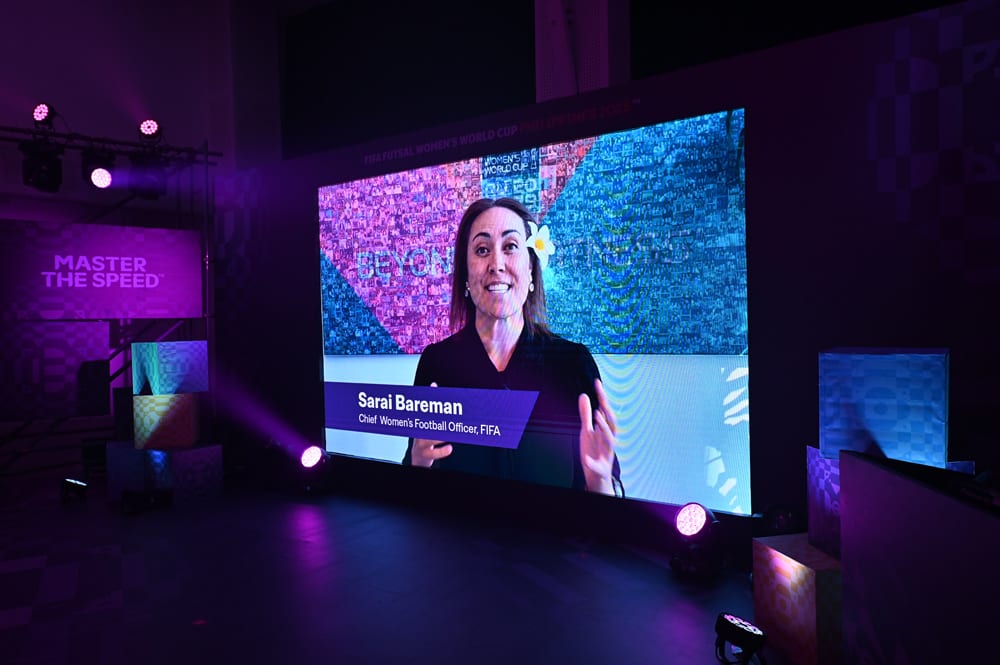
To add, FIFA Chief Women’s Football Officer Dame Sarai Bareman highlighted the profound impact of the Philippines' recent successes in international football.
"We can't talk about this journey without, of course, mentioning the FIFA Women's World Cup in 2023," Bareman said, noting that the Philippines made history as one of the eight debutant teams and the first-ever Philippine squad, men or women, to compete in a World Cup. The momentum continues with the Philippines qualifying for the ASC Women's Futsal Asian Cup in May 2025, marking another significant milestone in the country’s football journey. She emphasized the ripple effect of these achievements as boys and girls across the nation tuned in to watch their new heroes, inspiring dreams of one day competing on the world’s biggest stage. "Thanks to these role models, young Filipinos can now truly dare to dream," she added.
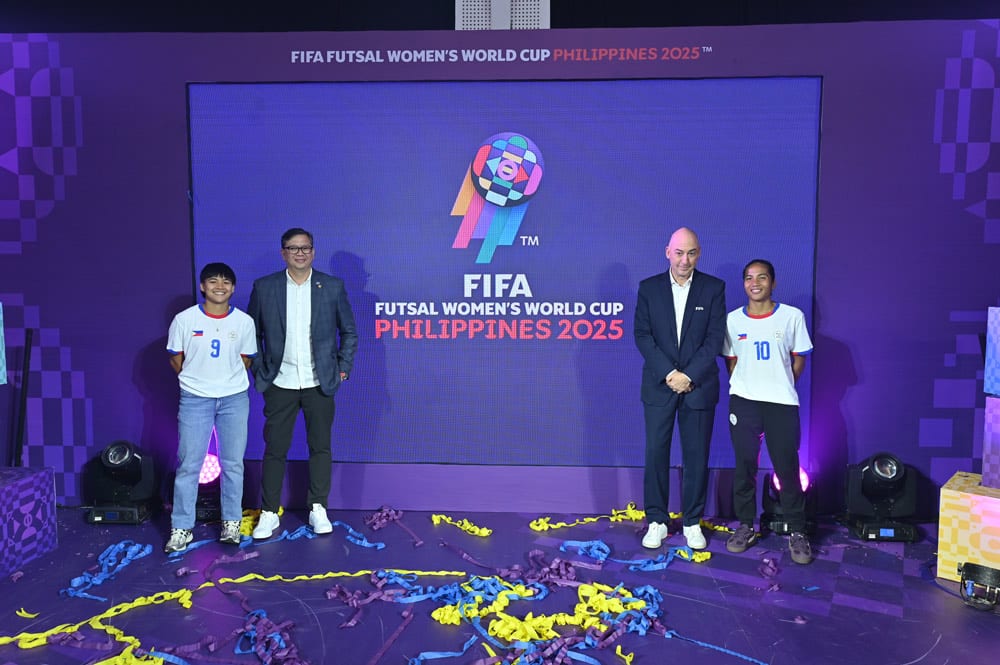
Philippine Women's Futsal player Alisha Del Campo, PFF President John Gutierrez, FIFA Tournament Director Jaime Gonzalez and Philippine Women's Futsal player Dionesa Tolentin
What's Next
In FIFA Futsal Women’s World Cup Philippines 2025, 16 teams will be divided into four groups of four. These will come from the six regional confederations of FIFA: four teams from AFC (Asia), with the Philippines automatically qualified as the host nation; two teams from CAF (Africa); two teams from CONCACAF (Central, North America and Caribbean); three teams from CONMEBOL (South America); four teams from UEFA (Europe); and one team from OFC (Oceania), which is New Zealand after winning the 2024 OFC Futsal Women's Nations Cup.
These regions will be having their own qualifying tournaments to determine the team heading to the FIFA Futsal Women’s World Cup Philippines 2025, including the 2025 AFC Women's Futsal Asian Cup in May, 2025 Women's Futsal Africa Cup of Nations in April, 2025 CONCACAF Women's Futsal Championship in April, 2025 Copa América de Futsal Femenina this March, and the 2025 FIFA Futsal Women's World Cup qualification (UEFA), which is wrapping up on March 23. The teams in the European countries are divided into two groups: Group A: Portugal, Italy, Hungary, and Sweden; and Group B: Spain, France, Poland, and Finland. The top two in each group will qualify for the first FIFA Futsal Women’s World Cup.
