
Fun Fact: Wimbledon Tennis Balls Are Made in Bataan

Wimbledon uses approximately 54,000 to 55,000 tennis balls over the course of the two-week tournament. Each of which was tested for weight, bounce, and compression. That’s thousands of tennis balls set to be smashed during the pinnacle of tennis tournaments. But has anyone ever paused to wonder where they are made? Or the complex manufacturing process that can make or break their performance?
As it turns out, the oldest and most prestigious competition in tennis has an interesting tie to the Philippines. While Wimbledon matches have been held at the All England Club in Wimbledon, London since 1877, the tennis balls used in Wimbledon are actually manufactured in Mariveles, Bataan.
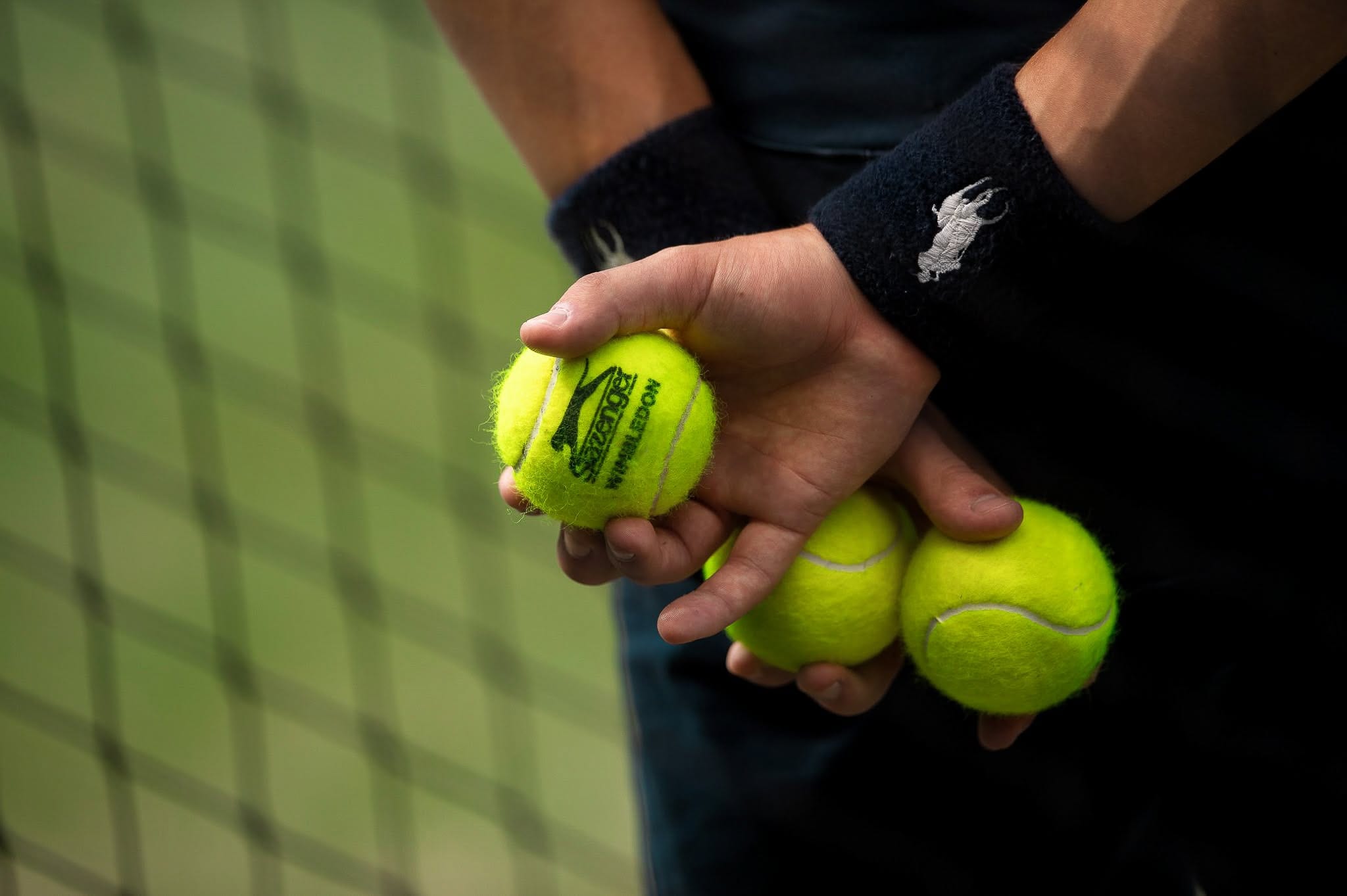
Sports equipment manufacturer Dunlop International—most recognized for its involvement in golf, tennis, squash, and badminton—has had its name stamped on every official ball used for the Championships since 1902. It was also previously named Dunlop Slazenger before Japanese firm Sumitomo Rubber Industries acquired the company from Sports Direct in 2017, an agreement that effectively gave them the trademark rights of the Dunlop brand sporting goods and licensing businesses. The company’s 121-year relationship with Wimbledon holds the longest-running sports sponsorship.
The plant in Bataan has been standing in the Bataan Economic Zone since the 1970s. However, it hasn’t always been the supplier of Wimbledon balls. Up until the 2002 season, balls manufactured at the Slazenger factory in Measborough Dike, Barnsley were used for the tournaments. Bataan took over this after the closure of the Barnsley factory.
There isn’t much to tennis balls at first glance. What’s special about a ball of rubber used only as a vessel to showcase the skills of the sport’s crème de la crème? But as unassuming as they are, their creation requires a highly detailed and technical process. According to an article from The Guardian, the factory in Bataan even has a whole laboratory designed for the development and testing of these tennis balls. It adds:
“The tennis ball has come a long way since Slazenger provided its first hand-sewn, wool-coated balls to Wimbledon in 1902. Every ball is identical now. It is measured for its bounce, its size, its internal pressure. Its wool must be of a good quality, each fibre around three inches long. The tin in which the ball is packed must be pressurised to keep it from going soft.”
In fact, they also noted that the ingredients needed to make the balls come from at least eight different countries. This means that the tennis balls—each one meticulously put together by the hardworking factory workers in the Philippines—would have traveled thousands of miles across three continents before landing on Novak Djokovic and Andy Murray’s rackets on Centre Court.
