
Barcelona: Of Coastal Vibes, the Ancient Quarter, and Gaudi

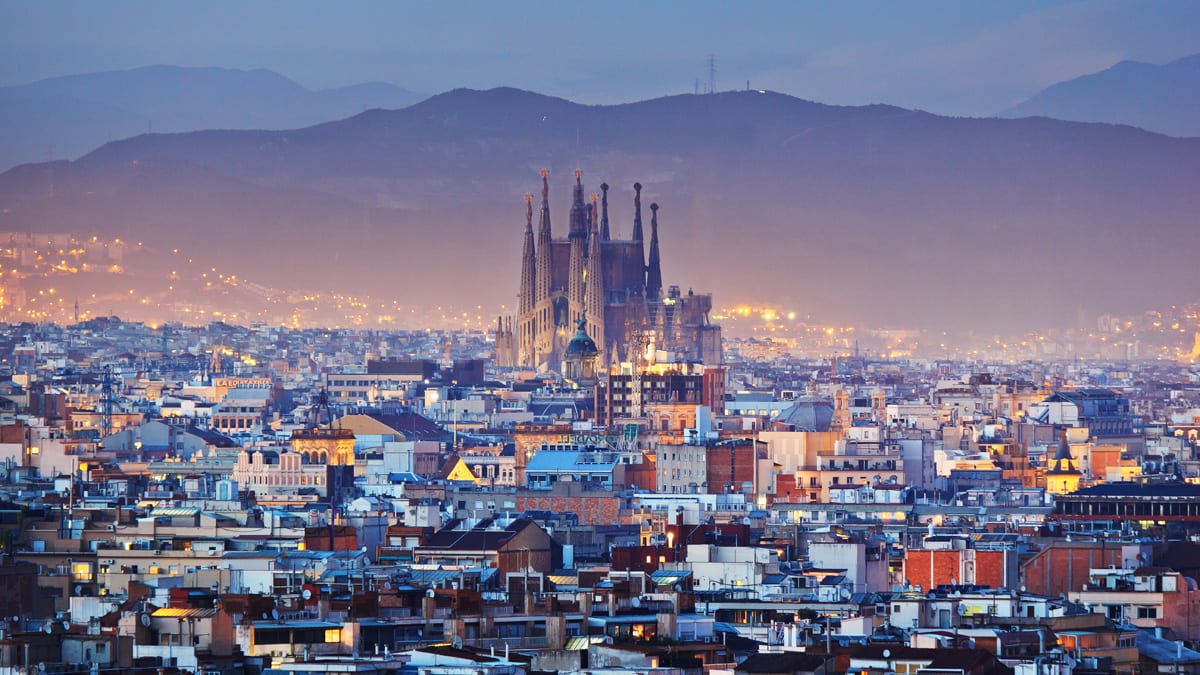
The first city I visited in Spain was Barcelona, the capital of the autonomous community of Catalonia. At that time I didn't have a basis of comparison with other cities in the country. Since then, I have visited Seville, Madrid, Granada, Cordoba, Segovia, and others. I did notice how distinct Catalonia was and how proud they were of their culture. In fact, the pro-independence camp wants an independent state, and the Catalan parliament actually declared Catalonia an independent state in 2017. Spain's government invalidated the declaration and quelled the protests in the city.
Like its neighboring countries and cities, wars, diseases, trade, and the rise and fall of empires molded Barcelona into what it is today. It's a beautiful city surrounded by nature, a pleasant climate, and exquisite architecture. During a visit in the early 1860s, author Hans Christian Andersen called Barcelona the "Paris of Spain." Its pedestrian-friendly neighborhoods (and the Spanish concept of time, easy-going and slow) make it convenient to explore the city on foot.
ALSO READ:
48 Hours Well-Spent in Glorious Barcelona
The Incredible Facts You Should Know About Barcelona's Sagrada Familia
The Profound Influence of Gaudí
Some of the city's most beautiful buildings and the iconic Sagrada Familia came from the imagination of one of the most influential architects born in Catalonia, Antoni Gaudí. As a coppersmith's son, Gaudi came from humble beginnings. He moved to Barcelona to pursue his interest in architecture. His designs and style have evolved throughout his career. One of his main inspirations was nature, and he used free-flowing shapes and forms. He was also a deeply religious man who remained unmarried. His dedication to his work was akin to religious zeal. He mentioned that nothing made by man should be higher than God's creation, hence the height limit of the Sagrada's towers. Gaudi inspired other architects and they have tried to mimic his style. The "Works of Antoni Gaudi" are on UNESCO's World Heritage List.
Sagrada Familia
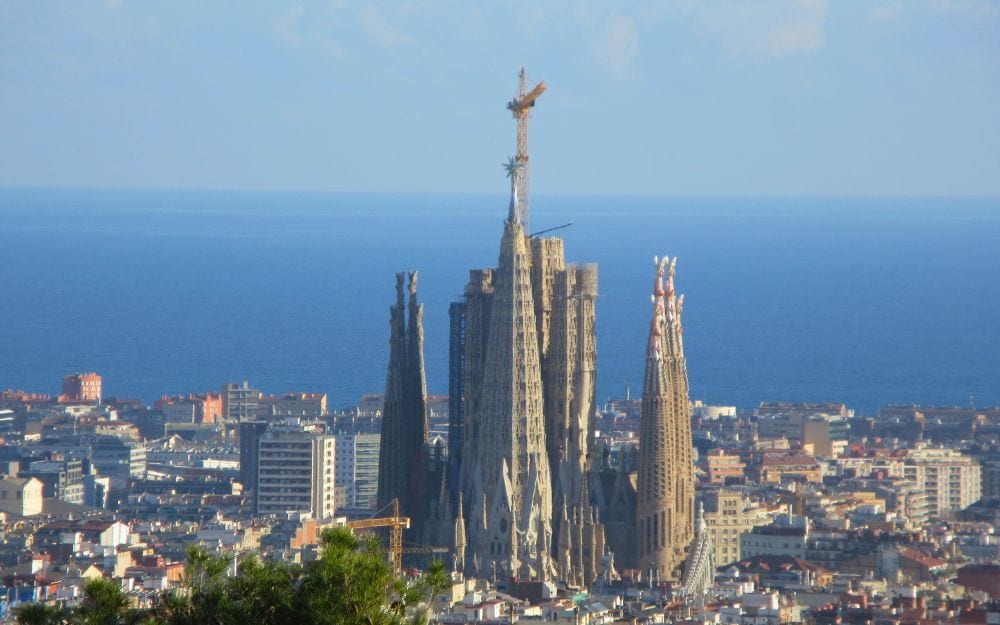
The Sagrada Familia is not just Barcelona's most famous attraction but is also one of Spain's most iconic structures. Its towers and facade dominate the city's skyline. Francisco de Paula del Villar was the first to take on the project of constructing a church in 1882. He initially followed a Neo-Gothic style. When Antoni Gaudi took over the project in 1883, he took a different direction and implemented his own style. He added and altered the designs as construction went on. By 1914, Gaudi worked on the Sagrada exclusively until his death in 1926. He never saw the completion of the church he designed. Over the years other architects have taken on the challenge of completing his work using materials from his workshop. The consecration of the Sagrada as a place of worship and as a minor basilica took place in 2010 during Pope Benedict XVI's papacy.
The facade of the church includes scenes from the Nativity, Passion, and Glory. The latter depicts heaven and eternity. The interior is just as spectacular as the exterior. The organic-looking design made me feel like I was in a forest. The interior and exterior of the church were displays of attention to detail and ingenuity. Construction continues to this day more than 140 years since it began. The Sagrada might finally be completed in 2026, but I won't be surprised if it goes beyond that year.
Casa Batllo
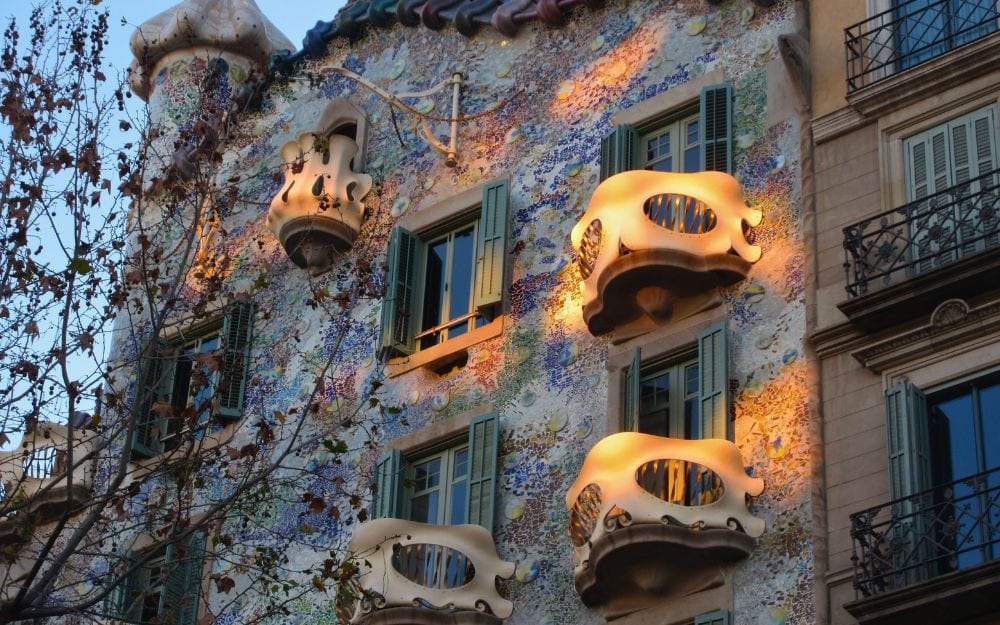
The Casa Batllo is another of Gaudi's renowned works. Josep Batlló was a textile manufacturer that hired Gaudi and gave him creative freedom to design a private residence. Gaudi transformed a building that was supposed to be demolished into something that looked like it came out of a fairytale. Colorful tiles and a bone-like facade are the distinct characteristics of this architectural gem. Casa Batllo is one of the houses along the Illa de la Discòrdia or the Block of Discord. The others include Casa Amatller, Casa Bonet, Casa Mulleras, and Casa Lleo Morera. Some of Barcelona's well-known modernist architects designed these buildings, the most famous one being Gaudi. You can find these buildings in Passeig de Gracia.
Casa Mila
Antoni Gaudi was the architect that Pere Milà and Roser Segimon commissioned in 1905 when they wanted to have a home built in Barcelona's illustrious Passeig de Gràcia. Construction of Casa Mila took place from 1906 to 1912. The project faced plenty of controversies as well as legal and financial problems. Gaudí didn't follow the building codes of the time and went over budget, with its unique style drawing the attention of critics and admirers. Despite the problems Casa Mila faced, the Eixample Commission still certified the building, meaning it wasn't illegal despite breaking bylaws. Fast forward to today, Casa Mila or La Pedrera is a UNESCO World Heritage Site under "Works of Antoni Gaudi." It's also a cultural center and a venue for various activities.
Parc Güell
Amid Barcelona's urban jungle is a surrealist park. This sprawling green space features Gaudi's distinct style. It also has fountains, picnic spots, landscaped gardens, grottoes, staircases and others. You can spend hours exploring the park. It also has some of the best viewpoints that overlook the city. From here you'll see how massive the Sagrada Familia is. You can visit Casa Museu Gaudí to learn more about Barcelona's renowned architect.
All Things Gothic
A defining characteristic of the European cities I've been to is the careful restoration and maintenance of its old districts. You can get a glimpse of a city's storied past while exploring a neighborhood or visiting a famous landmark. Barcelona is no exception.
Gothic Quarter
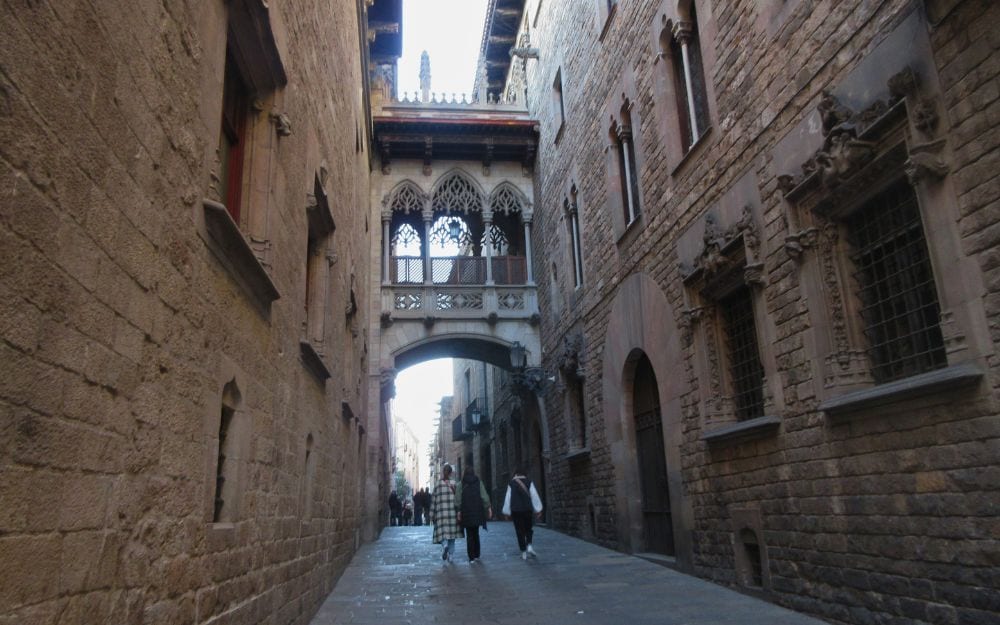
Barcelona's Gothic Quarter or Barri Gotic is a time warp that takes you to the Middle Ages. Gothic-style structures and buildings dot the district while narrow streets connect you to centuries-old and quaint squares. Gone are the days of knights and royal families, but you'll still get a sense of it while exploring. Cafes, shops, and restaurants are aplenty if you're looking for something to eat and drink. You can visit churches and museums as well.
Plaça del Rei
The Plaça del Rei is oozing with old-world charm and is one of the prettiest squares in the Gothic Quarter. The Royal Palace is the square's centerpiece and main draw. It's a fine example of medieval architecture. In this complex, you'll find the Saló del Tinell, Palau del Lloctinent, and the Palatine Chapel of St. Agatha. It used to be the home of Aragón's kings and Barcelona's counts.
Catedral de la Santa Cruz y Santa Eulalia
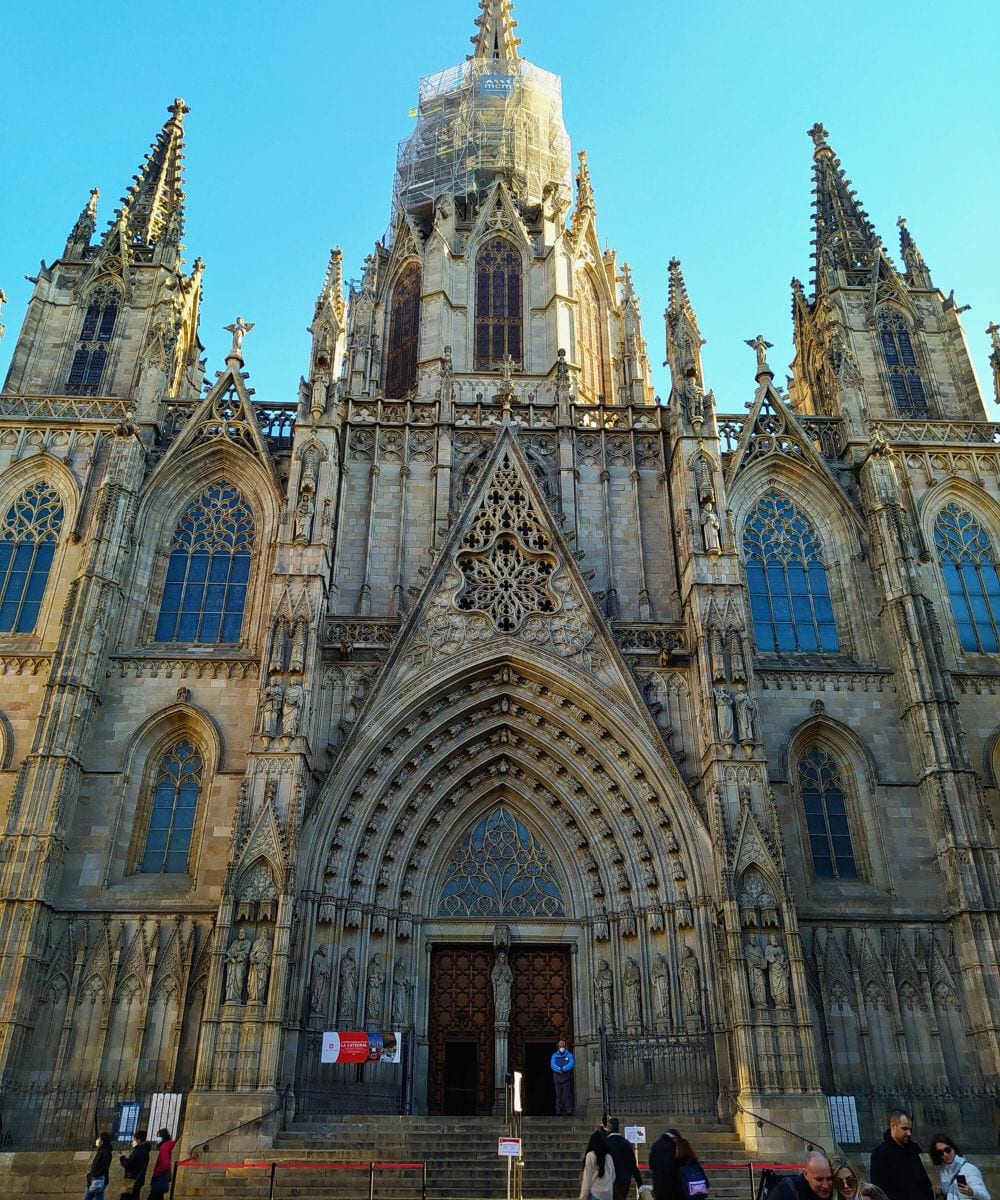
This beautiful cathedral is a relic of the past that has withstood the test of time, wars, and changing empires. This primarily Gothic-inspired structure took approximately six centuries to build. Its striking facade and detail make it a recognizable landmark while exploring the Gothic Quarter. Inside you'll find Santa Eulàlia's (a patron saint of the city) burial grounds.
Coastal City Vibe
After exploring Barcelona, the perfect way to end your days is either in Las Ramblas or La Barceloneta or both. These places are popular among tourists and locals alike. Las Ramblas is a walking street lined with some of the city's most beautiful buildings, restaurants, cafes, and shops. It connects you to Placa de Catalunya and the Gothic Quarter. It's the ideal place to hang out to get a snack, or a drink (alcoholic or otherwise), and sample local cuisine such as paella and croquetas.
La Barceloneta is a coastal spot where you can take long walks along the beach, go swimming (depending on the season), grab something to eat and drink (again), and watch the sunset. Relax and unwind on the beach and wilt the hours away.
