

Exploring Poland: A Cultural and Historical Odyssey in Eastern Europe


Characterized by centuries-old historic buildings, a beautiful old town, and a storied past of conquest, unification, and liberation (from the Austrian Empire to the Nazis to the Soviets), Krakow, Poland, is an interesting destination I added to my itinerary as I made my way eastward on a return trip to Europe.
ALSO READ:
Into the Gobi Desert: An Expedition through a Land of Contrasts
Istanbul on Foot: Following Orhan Pamuk's Memories of the City
Your Krakow Itinerary
The Vistulans inhabited the area that would become Krakow until the 10th century, when Polish Prince Mieszko I united the northern and southern territories to form a powerful and influential kingdom. In 1320, King Wladyslaw I reunited Poland and established Krakow as its capital, marking the city’s rise as a hub for trade and cultural development.
Fast-forward to modern times: Krakow experienced significant industrial growth, with industries like steelworks, food processing, and textile milling shaping its economy. Despite this modernization, the city retains its old-world charm, with numerous architectural and historic landmarks scattered across its walkable streets.
1| The UNESCO-listed Old Town
Krakow’s Old Town is a must-visit destination, brimming with historic buildings that offer a glimpse into the city’s rich past. This district has served as Krakow’s commercial hub for centuries.
Adam Mickiewicz Monument at the Main Market Square in the Old Town

Stroll along its cobblestone streets and immerse yourself in the atmosphere of ancient Poland. Stop by one of the many restaurants to savor authentic Polish dishes such as pierogi (dumplings), kielbasa (sausage), and golabki (cabbage rolls). At the heart of the Old Town lies Rynek Glowny, the Market Square, which serves as its centerpiece. Here, you can explore the iconic Cloth Hall, perfect for shopping for souvenirs or simply enjoying the vibrant surroundings.
Rynek Glowny
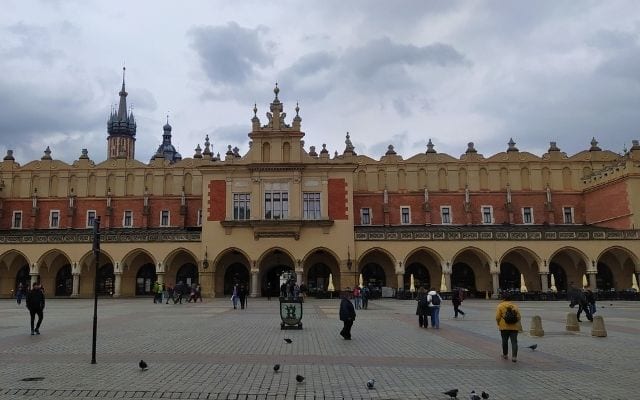
2| Wawel Castle
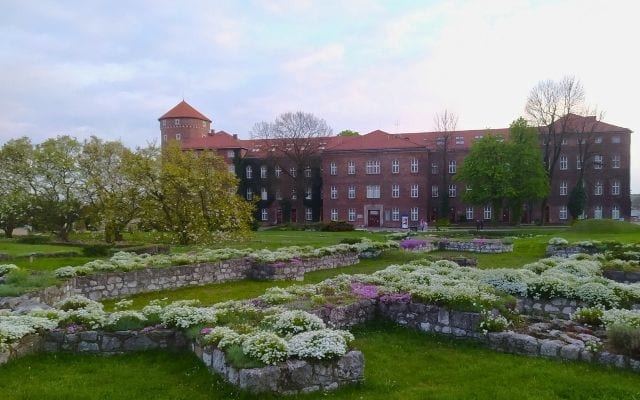
Like many European cities, Krakow boasts a magnificent castle as one of its most popular attractions. Wawel Castle offers visitors a chance to step back in time and experience the imperial court’s grandeur through its many exhibitions. Tour the castle’s apartments and staterooms to witness the opulent lifestyle of Poland’s former kings and queens.
Wawel Cathedral
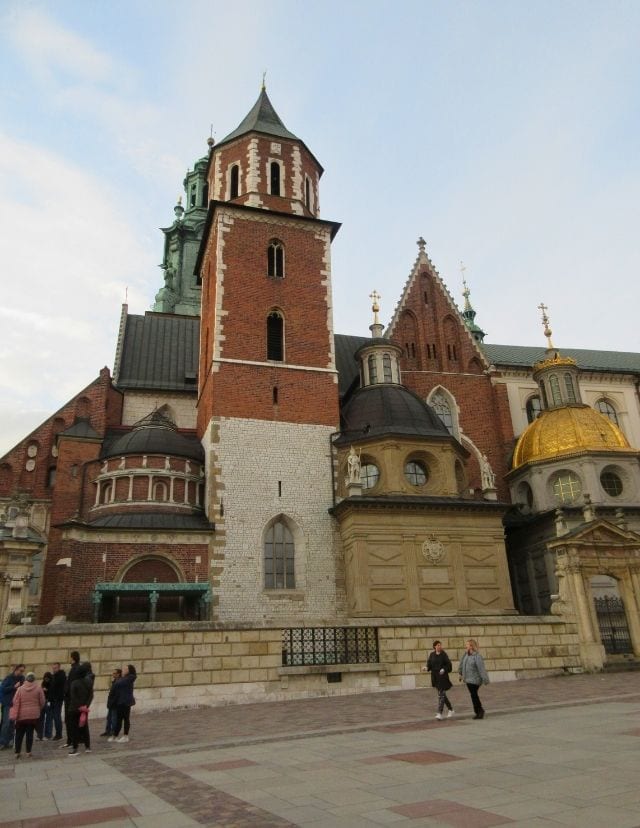
Just a short walk away is Wawel Cathedral, a centuries-old church deeply intertwined with Polish history. Its crypt houses the tombs of the nation’s monarchs, heroes, and other influential figures. Notably, it is also where Karol Wojtyla, later known as Pope John Paul II, celebrated his first mass in November 1946.
3| St. Mary’s Basilica
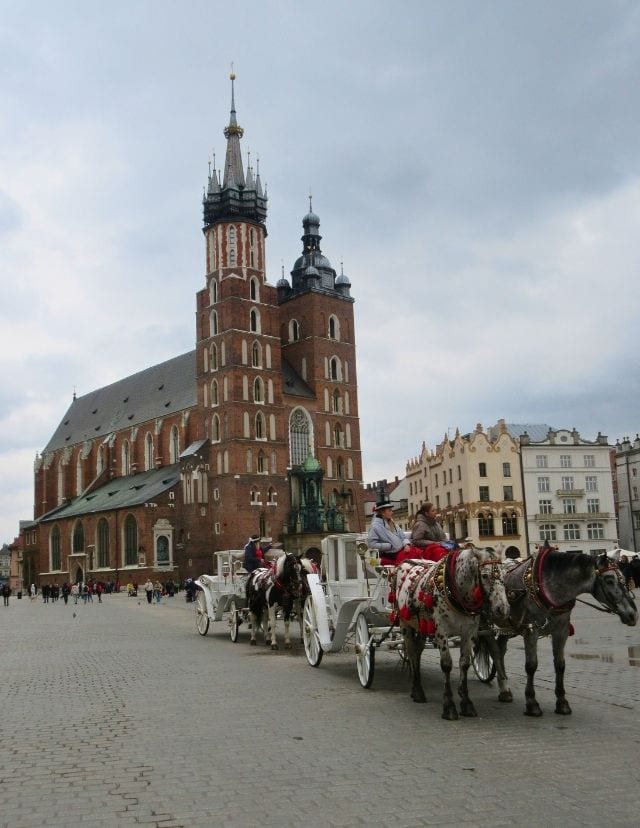
St. Mary’s Basilica stands tall among the other buildings in Rynek Glowny, dating back to the 13th century. It has undergone many renovations over the years.
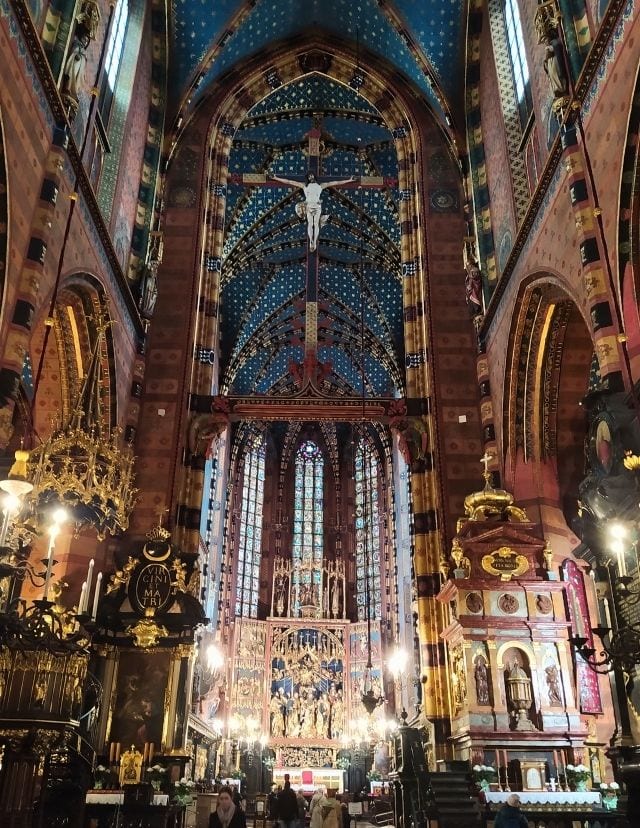
St. Mary’s is just as lovely inside as it is on the outside, with its stunning altarpiece, stained-glass windows, and intricate décor.
4| Wieliczka Salt Mine
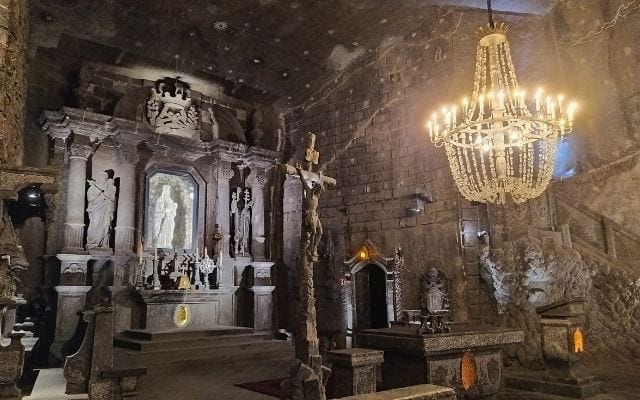
A day trip to the UNESCO-listed Wieliczka Salt Mine is a highlight of any visit to Krakow. I highly recommend taking a guided tour to learn about its historical significance and fully appreciate what you’re seeing. Our group descended hundreds of stairs to explore various chambers of the mine, each showcasing machinery and tools once used by ancient Polish miners to extract salt. You’ll also encounter intricate salt sculptures of renowned figures, including one of Pope John Paul II.
Never Forget the Past
One of the reasons that Krakow is a popular destination is its memories, no matter how tragic, of World War II. During their occupation of Poland, the Nazis persecuted and executed Jews. The Poles never forgot this dark chapter in their history and have preserved its relics in museums and open-air exhibits throughout the city.
If you’ve seen the movie Schindler’s List, you can visit Oskar Schindler’s Enamel Factory in Krakow. The businessman convinced the Nazis that the Jews he employed were essential to his factory's operation, allowing over a thousand Jews to avoid being sent to concentration camps. The factory is now a museum with exhibits about Oskar Schindler and the events of that time.
Auschwitz-Birkenau State Museum
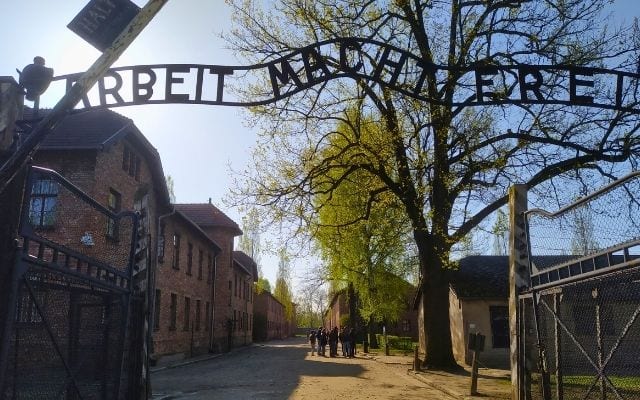
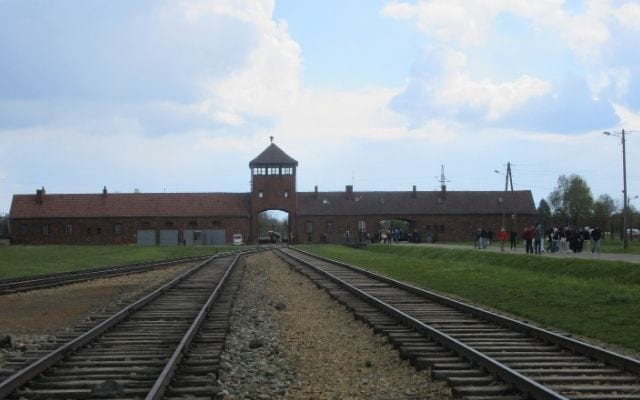
A must-do while in Krakow is a day trip to Auschwitz. Visiting the concentration camp is an eye-opening experience. You’ll witness the living conditions of the Jews imprisoned there and learn about how the Nazis treated them. It’s a heavy experience to see the photos of prisoners and learn about the summary executions, torture, and the slow deaths they endured regularly.
The Polish Capital
Krakow might be the more interesting destination for visitors, but the capital, Warsaw, also has a compelling story to tell. It has risen from the ashes of wars and destruction throughout its history. The citizens of Warsaw rebuilt their city after the occupations, assaults, massacres, and bombings by the Prussians, Swedes, and Hitler’s Germany. The Nazis nearly razed the Old Town to the ground, but the Poles painstakingly reconstructed their historic center brick by brick and piece by piece, relying on collective memory and historical documents. The reconstruction of the streets and buildings took years, but they were eventually restored to their original appearance.
Warsaw Uprising Monument
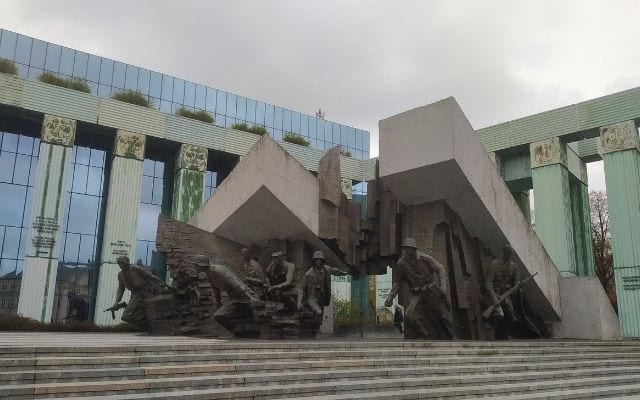
1| The Old Town and Castle Square
You’ll spend a chunk of your time exploring the historic center and Castle Square while in Warsaw. The neighborhood is home to museums, the Royal Castle, traditional buildings, cafés, shops, and restaurants. The bombings of World War II ravaged most of the district; however, you can see the meticulous reconstruction of everything.
Warsaw Mermaid in the center of Old Town
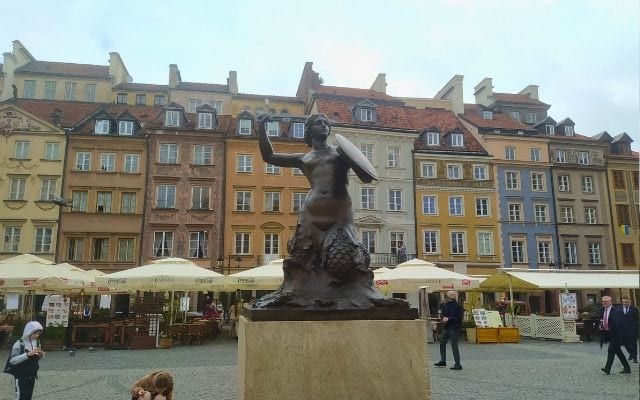
Grab a bite, get a drink, visit a museum, or just hang out—it’s a place where both locals and visitors congregate. You can take a long, leisurely, and scenic walk along Nowy Swiat and Krakowskie Przedmiescie to admire the diverse architecture of the city.
2| Palace of Culture and Science
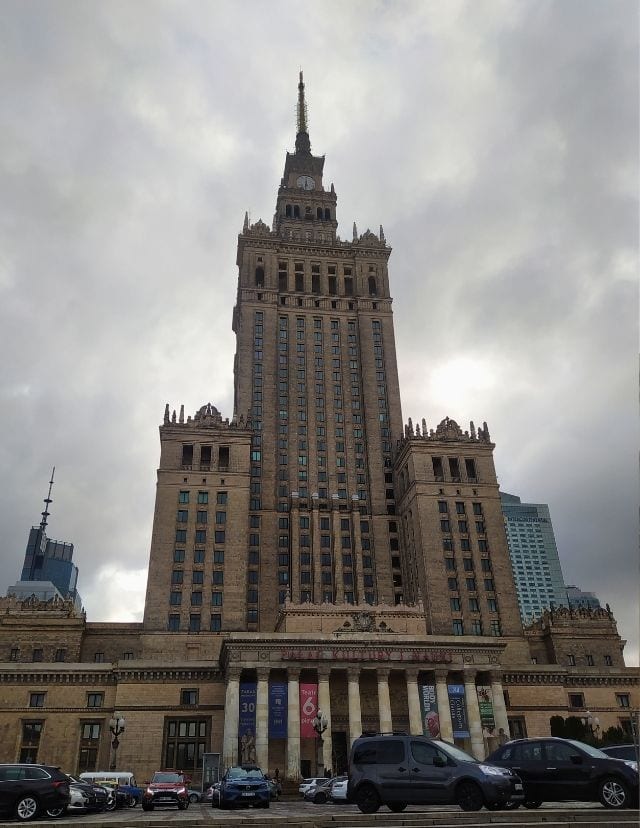
One of the most distinct architectural landmarks in Warsaw is the Palace of Culture and Science. It’ll grab your attention as you emerge from the train or bus station with its unique appearance. This relic of the Soviet Union houses conference halls, theaters, museums, restaurants, and shops. I recommend going up to the observation deck for panoramic views of Warsaw.
3| Wilanow Palace
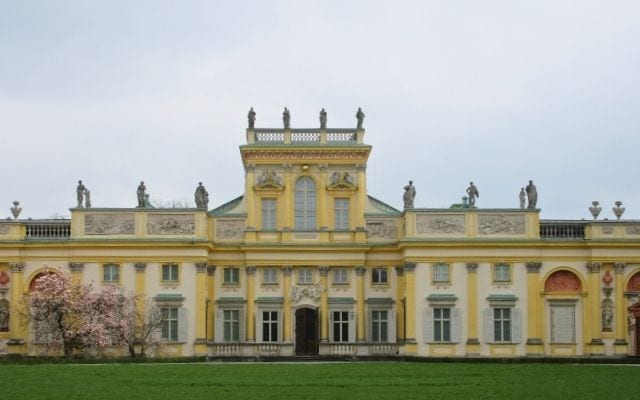
Make time to visit Wilanow Palace during your stay in the city. King John Sobieski III commissioned this palace complex in 1677, and it took approximately two decades to complete. While exploring, you’ll see paintings, elaborate rooms, halls, lavish furniture, silverware, and statues. After visiting the palace, take a leisurely stroll through the manicured garden.
4| Lazienki Park
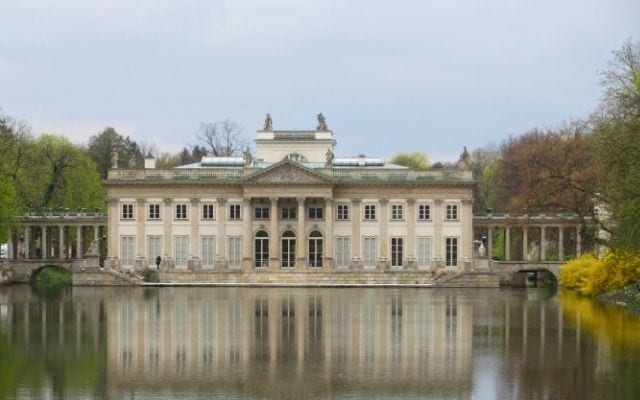
Escape the urban jungle by spending time in one of Warsaw’s largest parks, Lazienki Park. King Stanislaw August Poniatowski used the palace within the park as his summer residence. The park also serves as a venue for cultural events held in the city.
Historical Torun
I try to visit a small town whenever I travel, as doing so provides me with a glimpse of life outside the hustle and bustle of the capital or a famous city. One such place you can add to your itinerary while in Poland is Torun.
Nicolaus Copernicus Monument in Torun
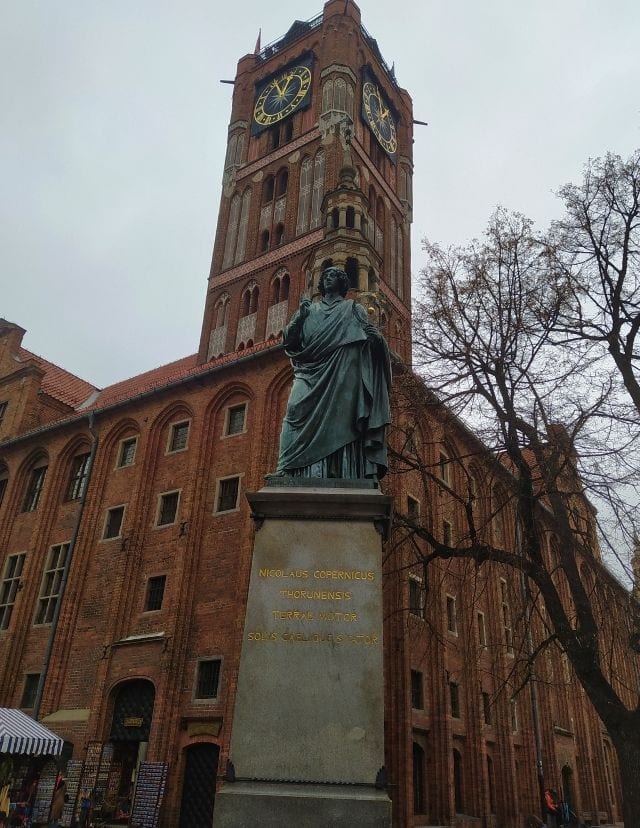
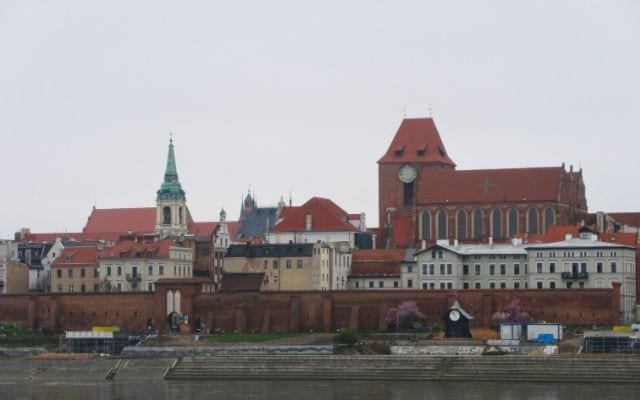
Torun’s claim to fame is that it’s the birthplace of Nicolaus Copernicus. His most famous work was creating a model that placed the sun at the center of the universe instead of Earth. The historic center of Torun is a UNESCO World Heritage Site. It is a vestige of the Teutonic Order and a vital trading route from centuries ago.
House of Nicolaus Copernicus

The Torun Cathedral is a Gothic architectural structure that harkens back to medieval times. Inside, you’ll find an awe-inspiring altar and religious works of art. Nicolaus Copernicus’ House offers a glimpse into the life of one of the world’s most renowned minds.
Regional Museum in Torun - Old Town Hall
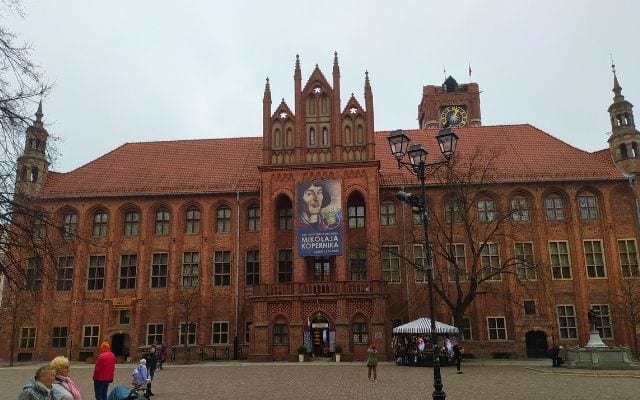
Like many other small towns in Europe, you’ll find an Old Town Square filled with traditional buildings and bustling local life. The Old Town Hall is the most historically significant and prominent feature of the square.
You have plenty of reasons to add Poland to your Eastern Europe itinerary. The country’s rich cultural heritage will make you want to visit again.
