

Living the Island Life in Limasawa

Why did I come to the island in the first place? I asked myself.
Limasawa, the smallest municipality in the province of Southern Leyte, is popularly known as the site of the 1521 Easter Sunday Mass celebrated by the Magellan expedition. While some visitors might first be drawn to its historical significance, those who stay for a few days or more are often captivated by its slower, more peaceful pace of life.
As for me, I visited the island not for its storied past, but because of its main draw: its inherent island-ness. I don’t just view the island as a historic place, but as a lived space, and I give much weight to the latter.
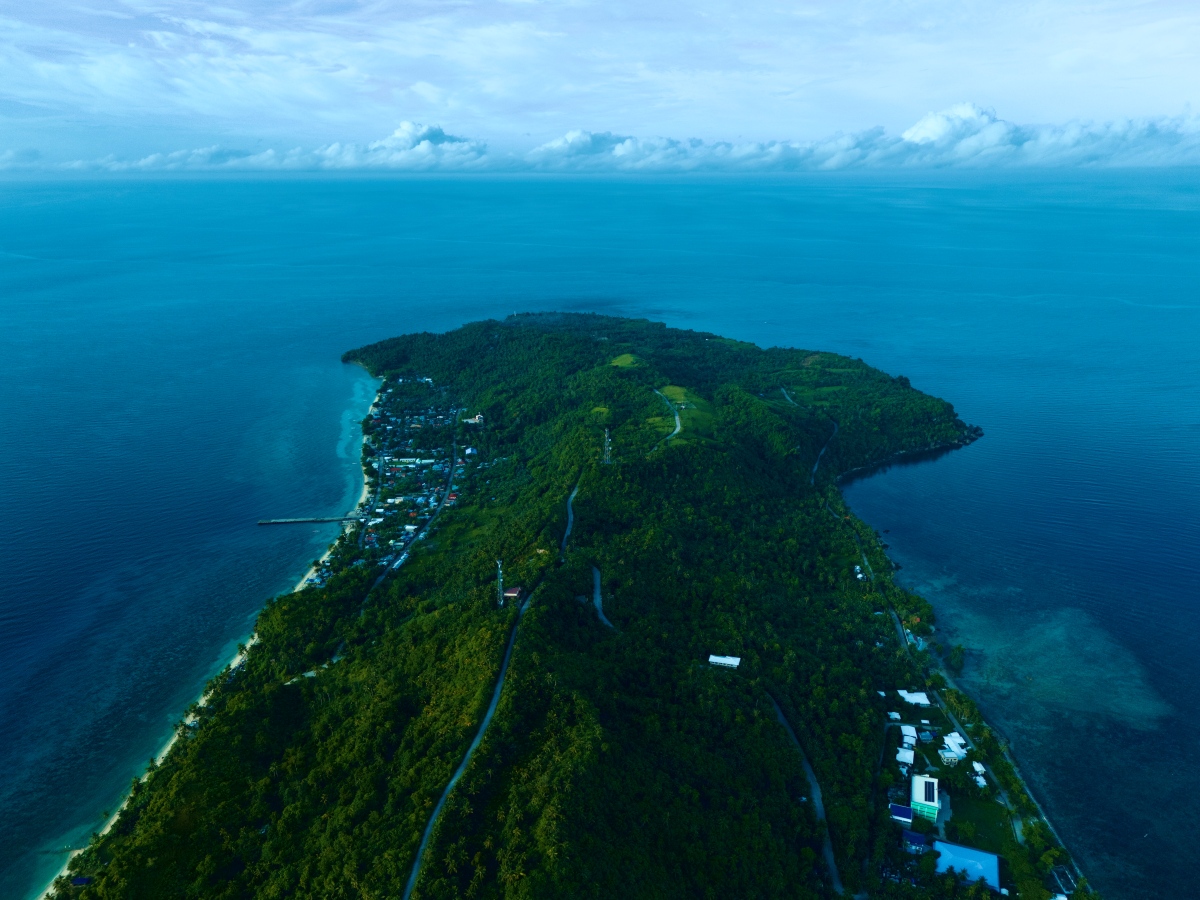
The tadpole-shaped island captivates visitors with its pristine natural beauty.
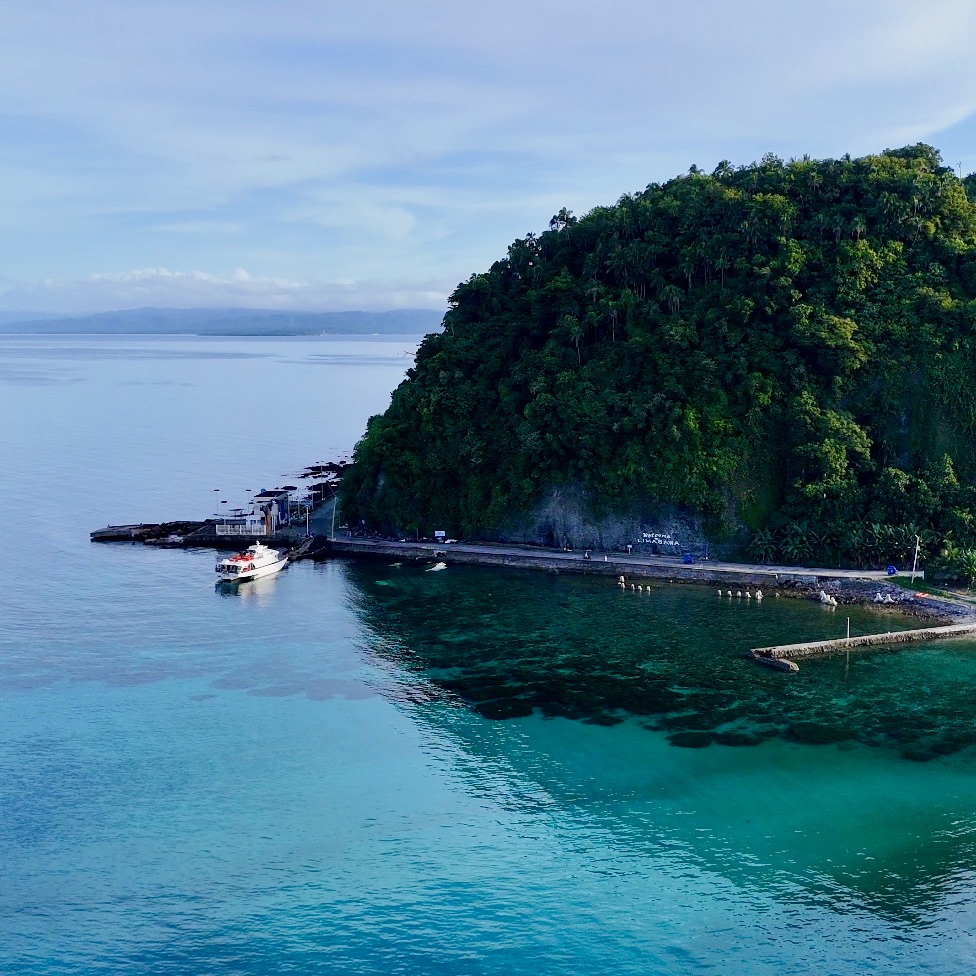
I boarded the M/V Evershine 2, the largest passenger boat en route to this tadpole-shaped island town. Upon arriving, the crew connected the gangway to a makeshift dock. They used a makeshift dock, I was told, because the port was left dilapidated by Typhoon Odette in 2021. Nothing remained intact except for the entrance arch and the passenger shed.
The Port of Limasawa
I hadn’t made any reservations for accommodation. Since it was summertime, I expected that almost, if not all, rooms in the main resorts on the island were occupied.
Still, I tried my luck and was fortunate to find that several private houses had been converted for traveler use as homestays. I found one and was happy that it was sea-facing. Aren’t all accommodations here close to the sea?
They all are.
Dakdak Resort in Barangay Lugsongan
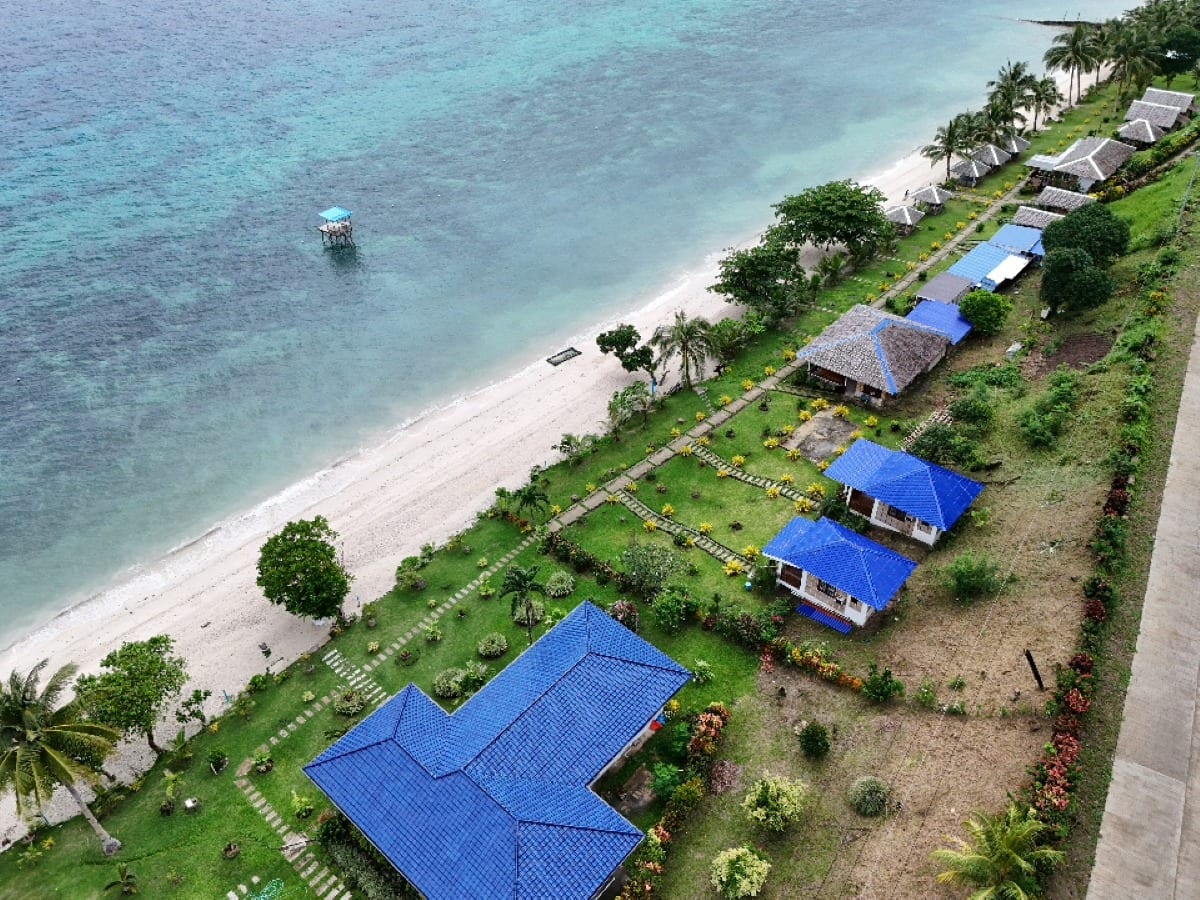
My first stop was Dakdak Resort in Barangay Lugsongan. I believe this is the first attraction that tourists would visit, given its distance from the poblacion (Central Limasawa). Going to this site helped me devise a mental map: starting from the port, past the island’s only high school, the main road climbs before dipping down to the eastern barrio, where the resort is located.
The resort has a well-kept garden that makes it even more inviting. It’s a beautiful refuge, I would say, with a pathway bordered by gumamela and bougainvillea. Just above the resort is the road, alongside which is a jungle festooned with wild vines. I imagined myself night swimming on their beach, then I’d stay for a while on the terrace of one of the tiny huts and feast on the tranquility, disturbed only by the crashing waves and the sporadic sound of crickets.
Dakdak Resort has a well-kept garden that makes it even more inviting.
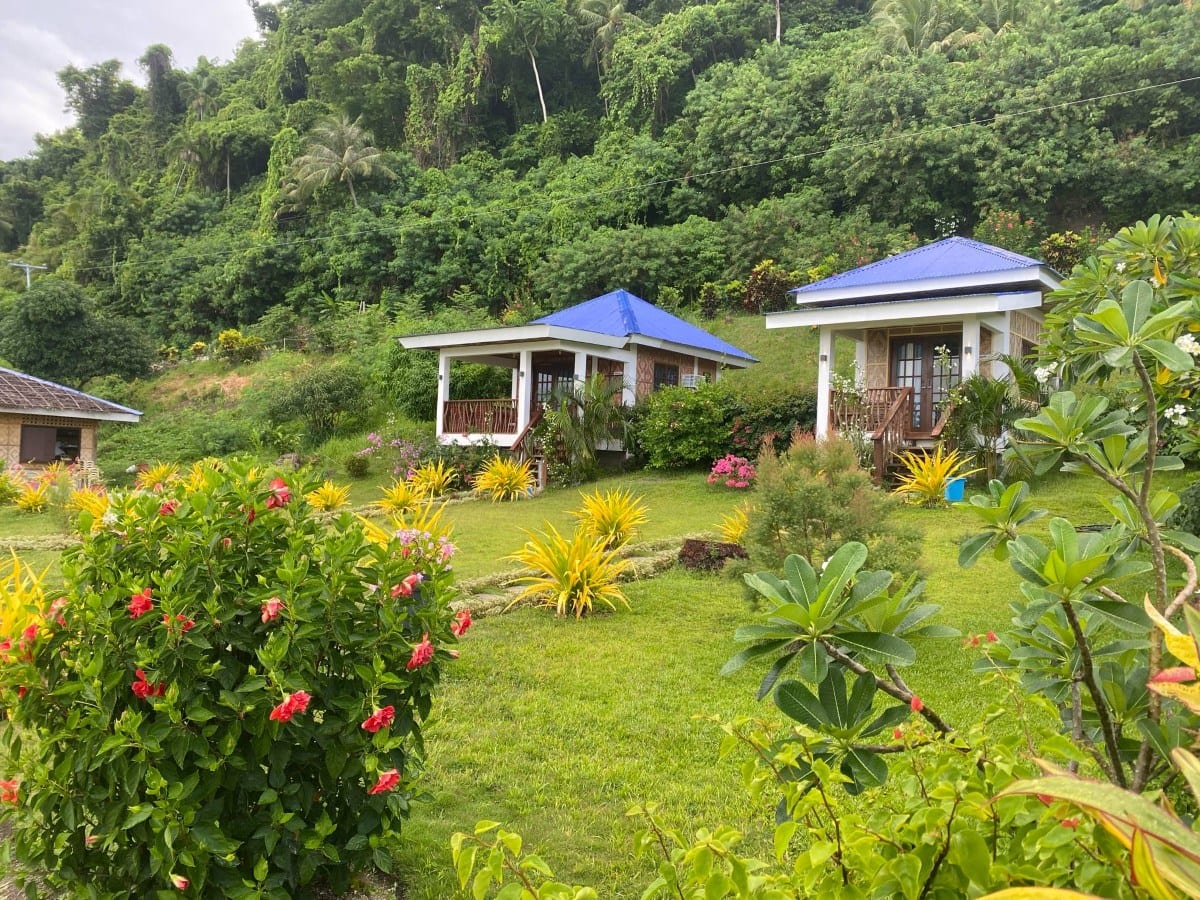
The resort is one of the two spots that have become staples on Facebook and TikTok reels. The other is the Island Lagoon.
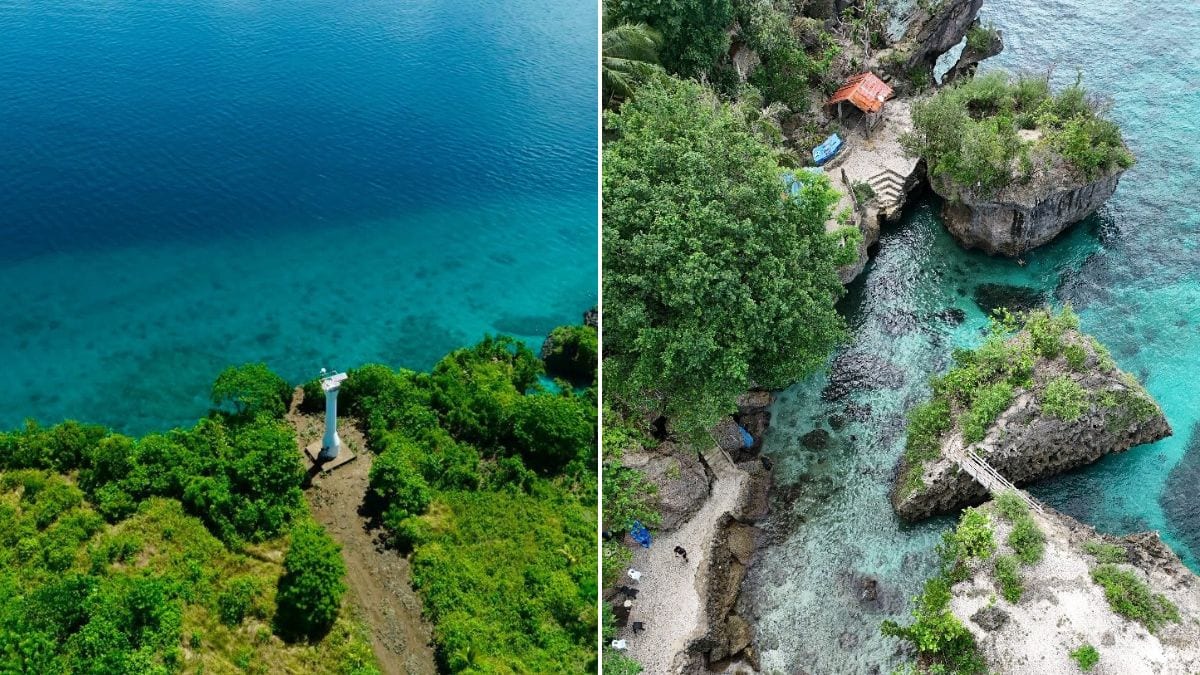
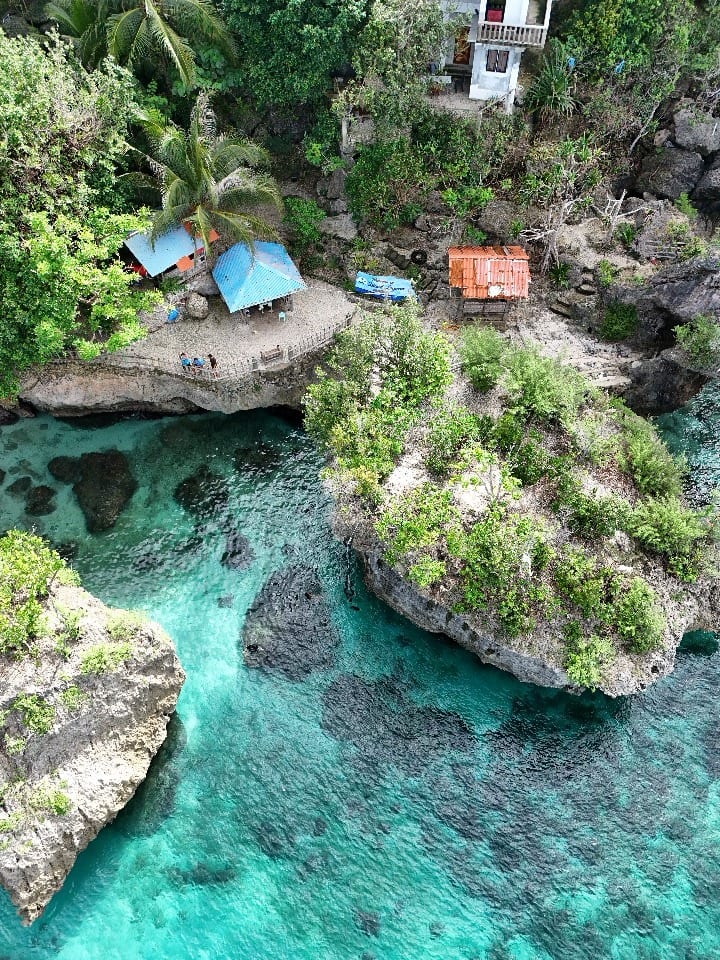
From the east, I set out to Limasawa’s northernmost part to see the lagoon. But I encountered a test: the lagoon itself lies below a cliff, so I needed to go down very steep stairs.
The natural pool is dotted with big rocks where tourists could jump off and absorb the restorative properties of turquoise, glassy-clear water. For tourists to have options from which to dive, locals connect the boulders with bamboo bridges.
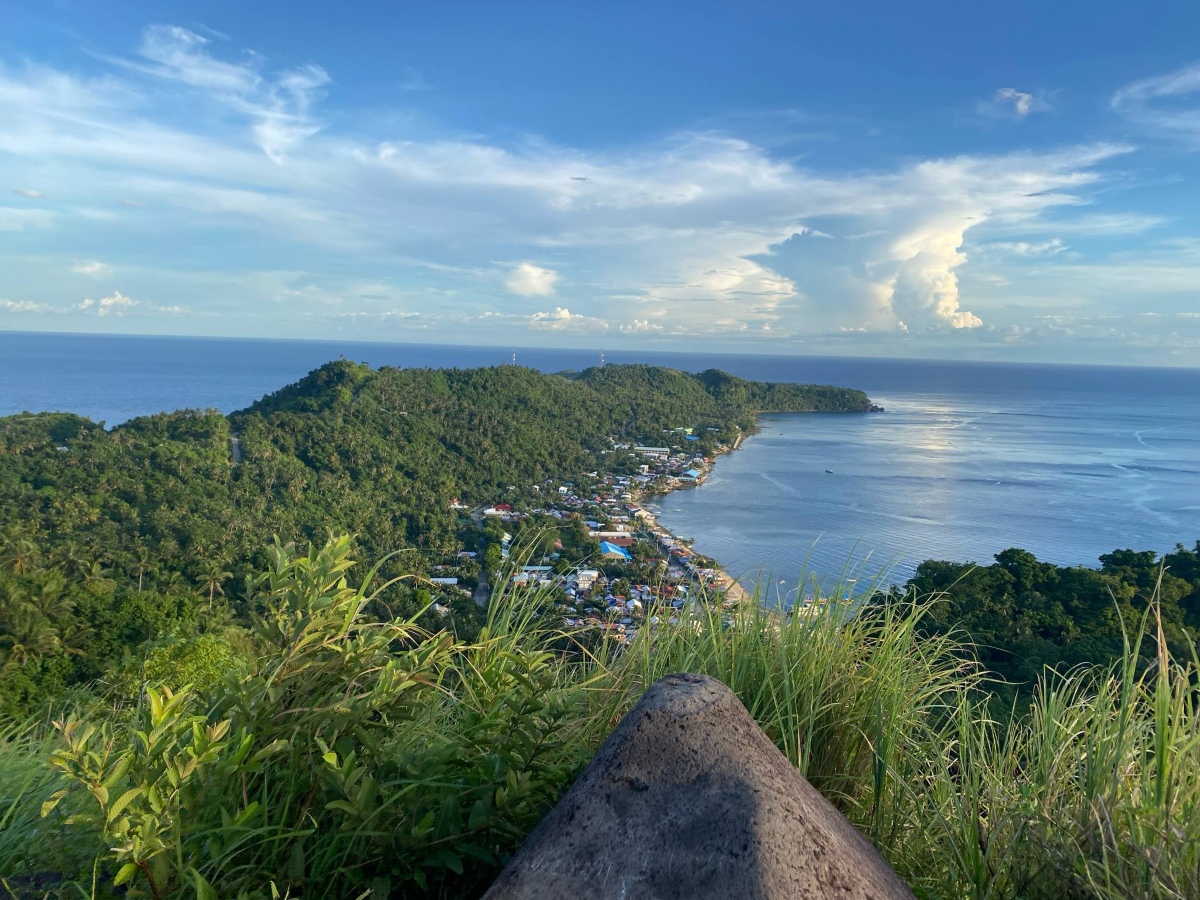
Since it was almost sunset, I went back to the poblacion and climbed uphill to Totoy-totoy peak, named as such because it has a pair and they resemble those of a woman’s bosom. Just to add some intrigue, Leyte-based historian Rolando Borrinaga has examined the site and reckoned that the planting of the cross on March 31, 1521, was done in the vicinity. I expected a beautiful sunset, but dark clouds hid the sinking sun. The good thing was, I had a sweeping view of the town proper and the other half of the island. From here, the town hall towers above all the structures below.
On my first evening, I scouted for a dining place but discovered that a restaurant named Pink Apple, which I surmised is the only restaurant on the whole island, doesn’t serve dishes meant for a solo diner. Glad that, in a spitting distance, there’s a barbeque stall. So, I ordered only to be asked by an old woman, perhaps a relative of the seller, if I traveled alone or in the company of someone.
“Asa man imo pares, sir?” she inquired cordially. For sure she believed I’m in a relationship. I responded with a shy grin. She proceeded by asking if I already had a room for the night. I said yes.
The old woman was a former public school teacher. She ended our short conversation by advertising a special deal: she added a room to her house for rent, and it costs 300 pesos a night. But she expressed a hint of regret, saying that the room is not yet fully furnished. This is a perk of going to a new place, you meet well-meaning people.
The natural pool is dotted with big rocks where tourists could jump off and absorb the restorative properties of turquoise, glassy-clear water.
By 8 o'clock, the island was enveloped in silence. At this time, only a couple of roadside stores remained open. Most young and old were already indoors, except for those connected to a Piso Wi-Fi vendo. The only enduring noise was the sound of the eight massive generators providing electricity to all of Limasawa.
A friend on Facebook messaged me asking if there’s a club or KTV or disco bar around here. Maybe he’s used to that kind of nightlife. But nightlife here takes a different form–neighbors sharing a late dinner of freshly caught squid, grown men having a drinking spree at the bend of the street, a fisherman or two pulling their boat onto the shore after a night of fishing.
How I have longed for a noise or sight that would be tolerable, something that wouldn't disturb my peace of mind or further harm my sanity.
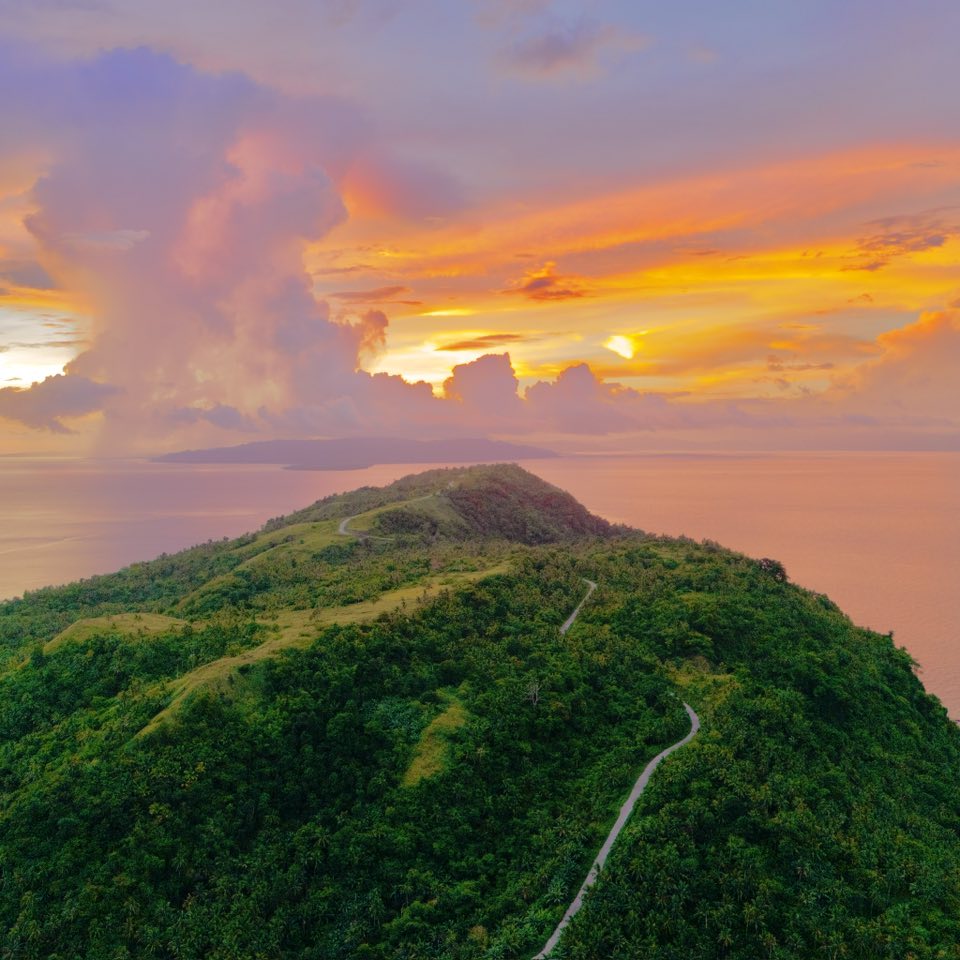
Limasawa Island remains a paradise of lush greens, impressive rock formations, and crystal-clear seas.
The following morning, I prioritized fulfilling a promise to myself. The promise was to sail around the island by boat. Of course, it wouldn’t be difficult to hire one, because boats are ubiquitous in this place. In front of my room, there were many to choose from.
I talked to a fisherman about my plan, but before he had the chance to ask a very familiar question, I said I am alone. I contracted his boat for 1000 pesos. Imagine, I’d be toured around the island, and it’s as if I had his boat all to myself. I did not haggle.
The moment he pushed his outrigger into the water and began starting the engine, I felt vulnerable. I can’t swim, so technically, the man was responsible for my life at that time. I trusted him. For sure, he has been sailing the sea since his boyhood.
The port of Limasawa at dusk.
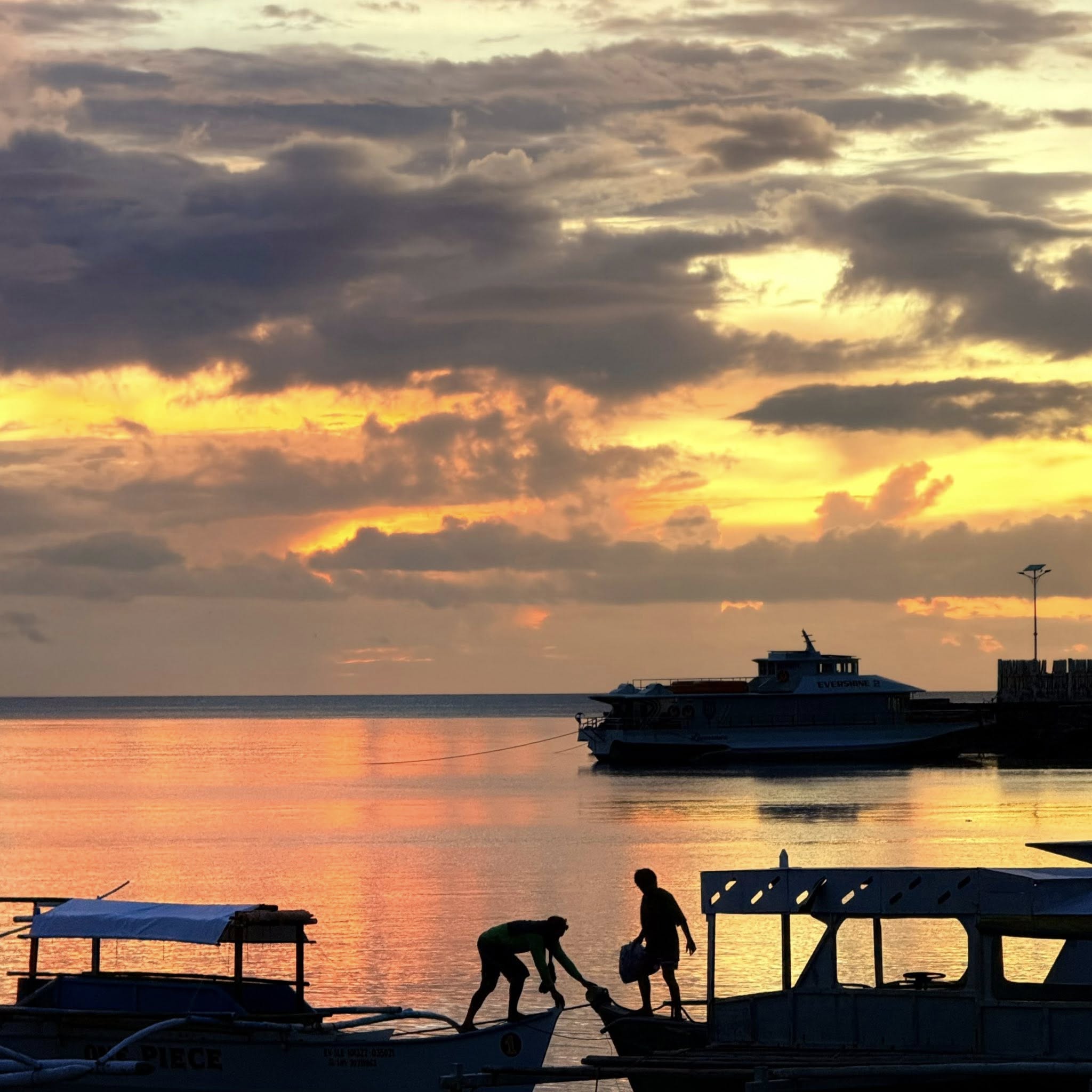
I was right all along. The familiar attractions, when viewed from the sea, became different. From this angle, they seemed more alluring, even mysterious. I was half-expecting that dolphins would convoy us. Half-expecting that we would chance upon two or three gentle turtles. Maybe it was the reels on social media that caused such harmless anticipation.
Limasawa, I thought to myself, is still an island per se. I mean, green is still the dominant color, and a large area remains uninhabited. Along the way, there are rock formations that stick out below high cliffs. Rock formations that have not yet turned themselves into springboards for tourists. And the biggest ‘turn on’? Its pristine seas.
ALSO READ
How Sagay City and Isabela de Basilan Became Benchmarks for Community-based Tourism
8 Cliffside Locations That Would Have Been Perfect for Widows' War's Finale
I couldn’t thank kuya, the boat man, enough for helping me fulfill a promise to myself. For letting me discover new spots by chance. Not minding how the sun had baked my skin.
After an hour-long boat ride, I decided to visit the national shrine, although it wasn’t originally part of my agenda. My initial plan was only to take a photo of the structure, but there was a woman at the doorway, busy scrolling on her phone. I later found out through our conversation that she works for the local government and is stationed at the First Easter Mass shrine in Magallanes, a barangay on the southeast of Limasawa. Her job is to entertain questions and provide visitors with historical tidbits (or tales) about the island once they enter.
National Shrine of the First Mass in Limasawa
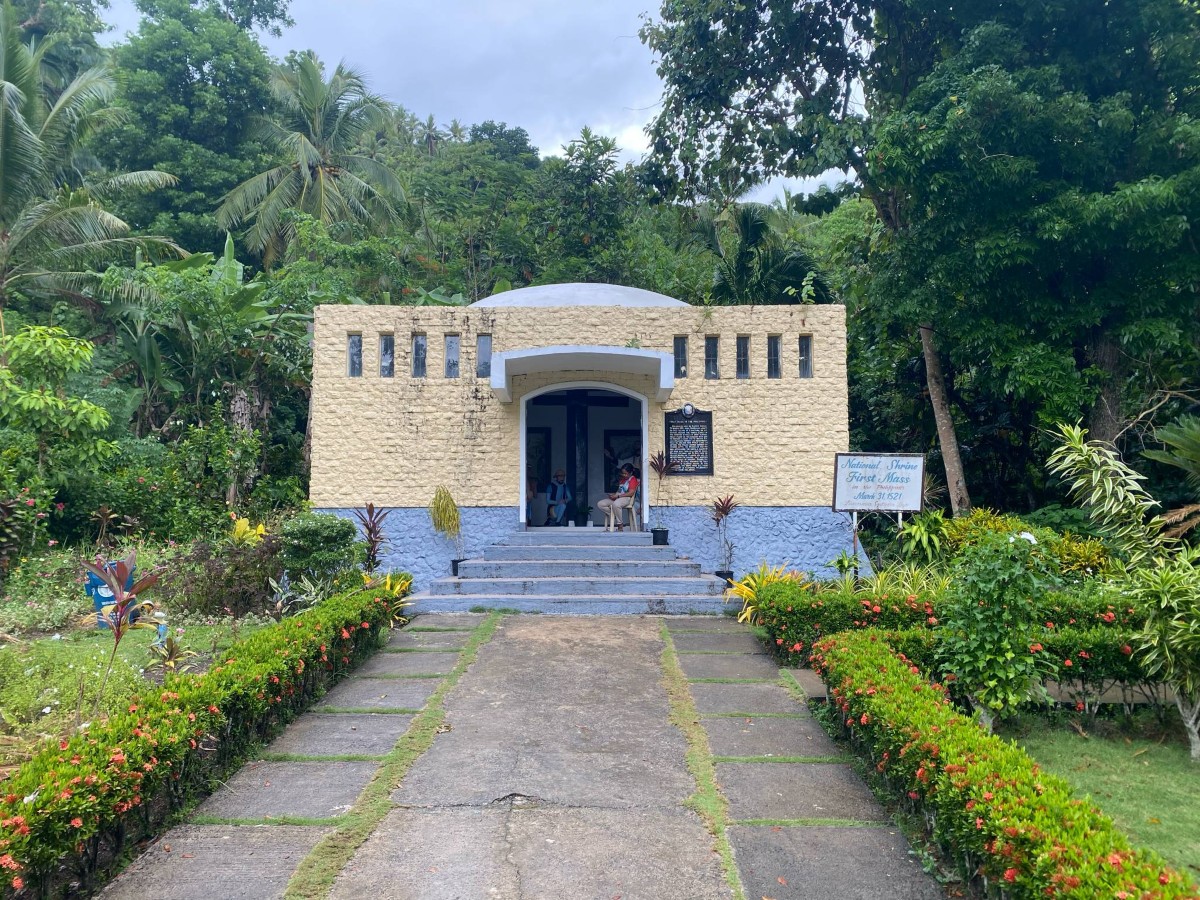
The barangay on which the first Easter Sunday mass was believed to have been held may not be the exact location. Historian Borrinaga has theorized that the mass likely took place in Barangay Triana on the western side. I wanted to tell the woman about this but ended up not pressing the point. I was drawn in by her passion as she shared familiar information, which I suspected she had been made to memorize.
I didn’t stay long. I left and headed to my homestay when a visitor arrived.
As I traveled back to mainland Southern Leyte, I thanked the island for letting me breathe, at least for the moment, away from the pressure of my real space. It was not a bittersweet goodbye because, after all, the spots that I had visited and the experiences I had gained demand revisits.
Jeric T. Olay is a 28-year-old teacher, poet, and opinion writer born in Macrohon, a small town in Southern Leyte.
