
Here's an Effective Way to Learn Japanese Before You Go To Japan

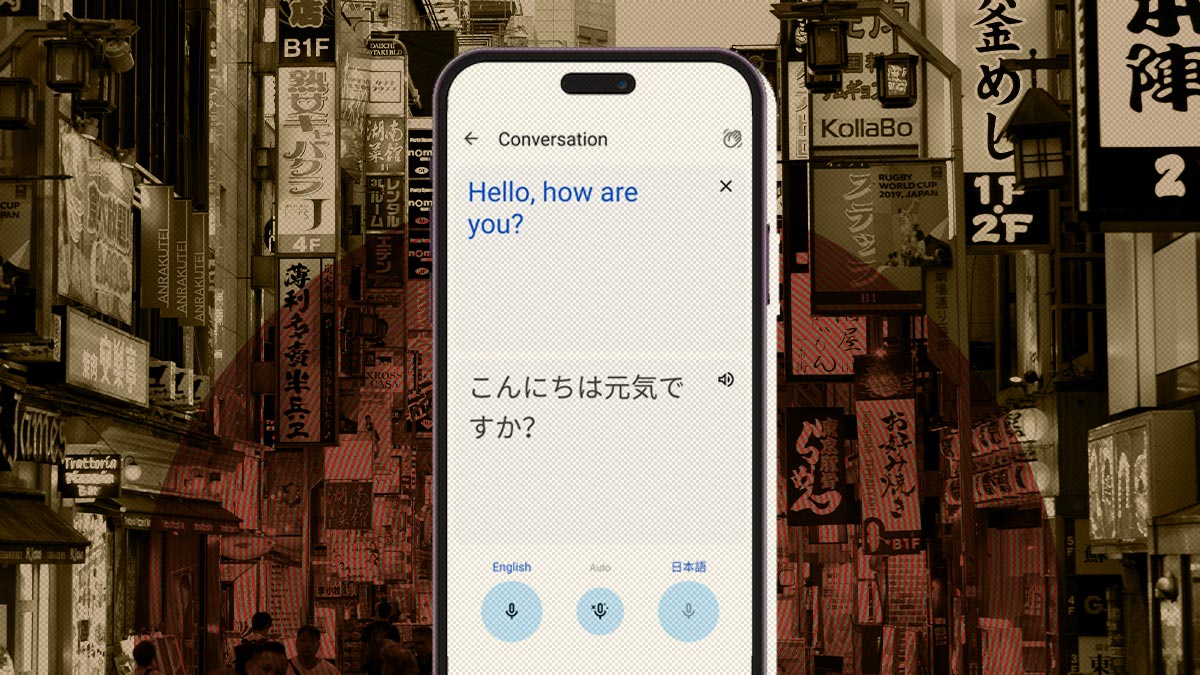
Many people who want to learn Japanese study the language so they could converse with natives, watch anime or films without subtitles, or simply to haggle prices with shopkeepers at local Japanese markets.
But how exactly should you go about getting good at the language before you finally say Konnichiwa to your dream destination? Spoiler alert: it’s not all just textbooks and weekend Japanese 101 classes.
All Japanese All the Time And Immersion Learning
An immersive method of learning Japanese that has gained traction over the years is called the All Japanese All the Time method or AJATT. This way of learning Japanese was made popular by YouTube creators Khatzumoto and MattVsJapan, who both achieved near-native fluency in the language after no more than 18 months of living and breathing the language.
The method involves consistently exposing and immersing yourself everyday to native Japanese content, which is consumed by regular Japanese natives and “acquiring” competency through constant feedback. Learning this way can be used to acquire any other language as long as the content being consumed was made for native speakers and by native speakers.
This is mainly done by watching anime, Japanese films, newscasts, listening to music, or even reading manga without English subtitles or translation, which is exactly how Japanese people do it.
To the dedicated learner, this may also mean having headphones on all day with only Japanese content playing or having videos playing all the time, hence the name of the method. This could be done either passively, which is not entirely focusing on the content being consumed, or actively through completely concentrating on the content to learn new concepts and vocabulary.
This mass immersion approach takes inspiration from Stephen Krashen's theory of second language acquisition in the 1980s. Krashen wrote of something called "Input Theory" which involves having information or content in the foreign language that is slightly above a learner's current level, ensuring progress through input that is "comprehensible" and challenging.
Most people who try to learn Japanese through beginner textbooks and classes often get into a rut since they end up sounding like their textbooks that use words and sentences that actual Japanese people don’t use.
The gist of the immersion method is treating your Japanese acquisition journey like how babies start learning languages through their parents and the world around them. Most children learn to communicate better more from their family members and friends than the basic grammar and English lessons they're taught in school.
By accumulating thousands of hours with the language through native and comprehensible input, the expecttion is to be able to then output in your second language through speech and writing much like Japanese people.
This way of learning is also seen to be highly effective since keeping the experience fun and engaging by consuming content you actually enjoy would compel your brain to retain more words than those learned in classrooms and textbooks.
The kind of content also dictates how your Japanese speaking and comprehension abilities develop. Many people may think they would end up sounding like an over-the-top anime protagonist if they only watch titles like Naruto or Attack on Titan since the language used in these shows are very dramatic and excessive. Learners may find it more practical to watch and absorb terms from Japanese reality shows like Terrace House, which follows three men and three women living their regular lives of varying backgrounds in a beautiful house, usually in Tokyo. The show's cast members are often young and relatable Japanese folk who try to build friendships and even seek romantic relationships during their time in the house. Think of it as a Japanese Pinoy Big Brother.
The trick is to balance the content you watch to distinguish which type of words or expressions to use when you communicate.
Also Read
Japan Visa Application Centers to Launch in PH This April 2025
Your Japanese Learning Essentials
1| A Streaming Service Subscription, Access to Online Content
While we all may enjoy indulging in bingeing any number of reality shows, dramas, and movies on services like Netflix or any other streaming platform, these can also drastically speed up your journey toward Japanese fluency. YouTube is also a goldmine for Japanese vloggers and content creators that will show you regular Japanese people speak and communicate. Another way to keep your Japanese flow going is through the countless podcasts available online, where these creators usualy talk about relationships, food, literature, among many other topics that you might be interested in.
2| A Virtual Flashcard Program
One of the main concepts that makes AJATT effective is something called spaced repetition retention, which a memorization technique based on reviewing vocabulary and grammar concepts at increasing intervals at a time. This would mean using a flashcard application on your phone or your computer such as Anki that would automatically determine when to review certain words that you want to remember. MattVsJapan preached about a practice called sentence mining, which involves picking up unfamiliar words that jump out at you from the native content and to make flashcards bearing their dictionary definitions in digestible doses. Many learners also download pre-made flashcard decks online which contain essential and commonly used Japanese phrases and sentences, saving may save you a lot of time.
3| A Basic Guide to Hiragana, Katakana and Kanji
While the immersion method may help you understand and eventually speak Japanese like natives, you will still need resources that would help you memorize the three basic writing sytems of the language: Hiragana, Katakana and Kanji to read basic texts. While familirizing yourself with Hiragana and Katakana can take just a day to memorize and master writing, you don't really have to memorize all of the nearly 50,000 complex Kanji characters to get by basic texts.
Remembering the Kanji by James Heisig has been a popular method to learn essential and most commonly used characters in a short time frame as it relies on storytelling and image association to help learners retain these characters by memory.
4| Language Exchange Messaging Platforms
After you have learned a substantial amount of Japanese through the immersion method and memorized several thousand vocabulary from your flashcards, it may be time to practice your communication skills with actual Japanese people. One way you can do this without having to go to Japan is to download dedicated langauge exchange apps like HelloTalk. The platform allows you to connect with Japanese people who also want to learn other languages like English or French. You help them as they simultaneously also help you practice your Japanese. If you're going to get good at a language you might as well make new friends online while doing it.
5| Time and Dedication
Reaching a level of understanding most Japanese content without subtitles will require time you can spare everyday dedicated to Japanese. MattVsJapan and Khatzumoto said that they spent at least six to eight hours a day at their peaks in about 18 months to reach near-native fluency. But a more realistic goal could be three to four hours a day since most people juggle school, work, and family. Don't let this discourage you since any time you put in to immerse in the language, which could even just be an hour a day, would still yield language learning gains.
You don't really have to be fluent in Japanese to explore and appreciate the beauty of Japan and its unique culture. But learning at least a bit of the language through methods such as immersion or AJATT could make you fortunate enough for locals in Japan to crack a smile or even compliment you on the effort you put in to earnestly communicate with them in their language.
