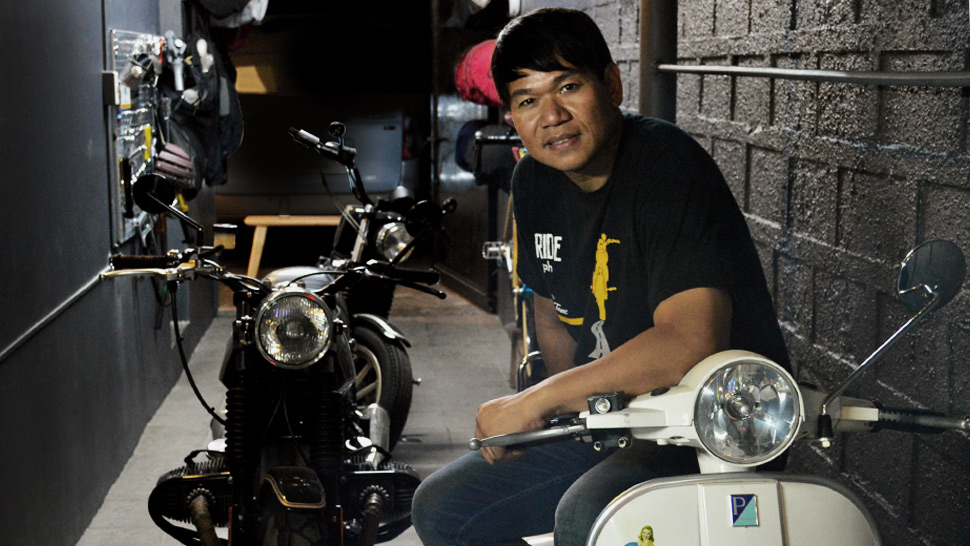
Senatorial candidate Ronald "Bato" dela Rosa made headlines last month when he said he hasno more time for debates. Days later, another headline quoted the former chief of police saying people attend political sorties to be entertainedand not to listen to issues. He says his knack for unfiltered commentary often gets him into trouble, and we tempt his candor once again, with this interview.
When the general arrived at our interview venue in San Juan—on the campaign trail between Cavite in the morning and Zambales in the afternoon—everybody in the restaurant stood up. There was a palpable change in the place’s atmosphere from when we had arrived two hours earlier. There was something authoritative in his mere presence.
To many Filipinos, Bato dela Rosa is known as the former chief of the Philippine National Police, possibly the most familiar since Senator Ping Lacson, with enough name recognition to take a shot at a Senate seat. Before he became the country's chief of police, dela Rosa was chief of Davao City's police force, where he first implemented Oplan Tokhang, a campaign against illegal drugs.
ADVERTISEMENT - CONTINUE READING BELOW
PHOTO: Jilson Tiu
Post a Comment
The son of a tricycle driver, dela Rosa grew up poor. As a young kid, he did his classmates' homework in exchange for food. To get to school, he walked eight kilometers from home every day. His familiarity with poverty may play a large part in what draws people to him.
CONTINUE READING BELOW
watch now
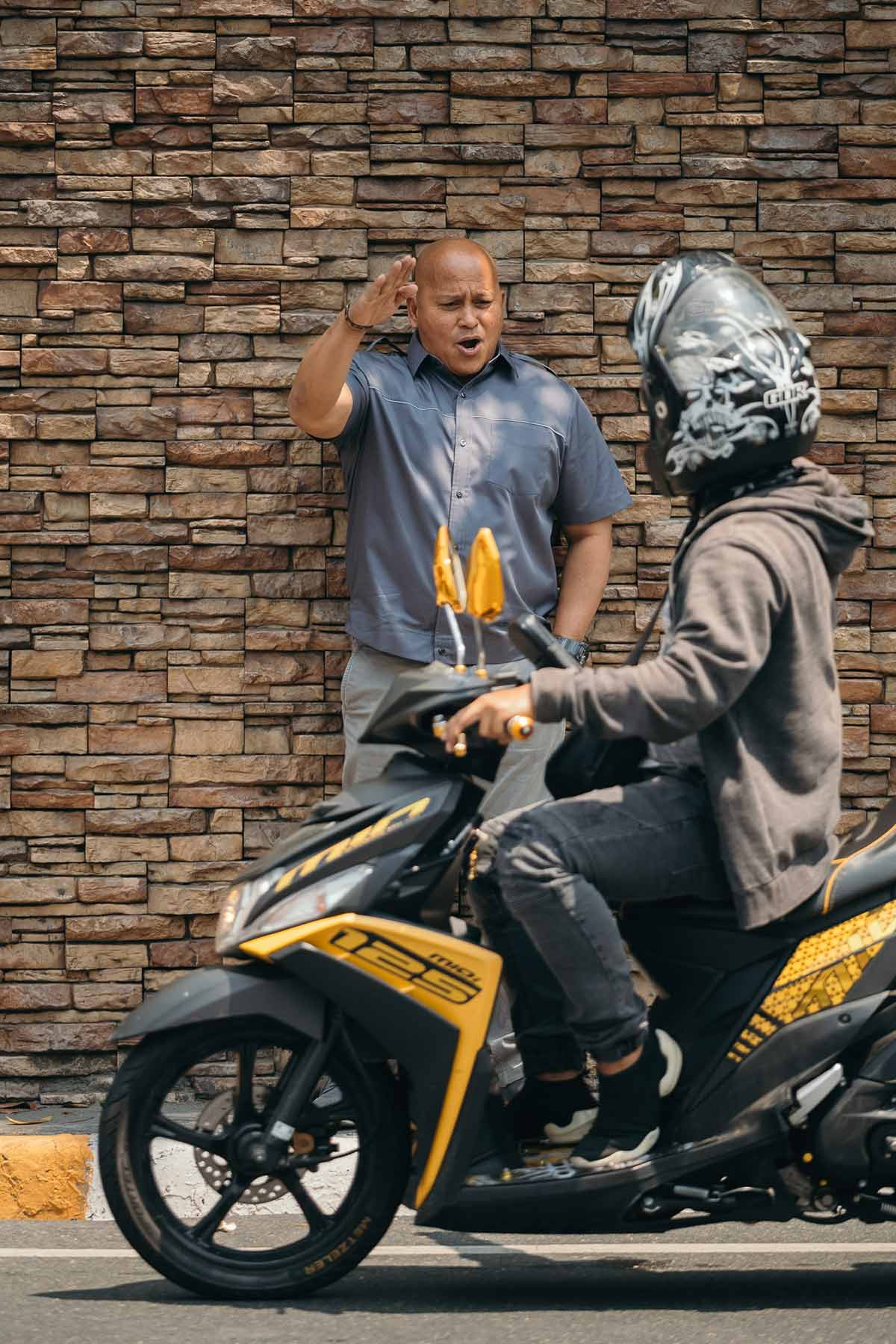
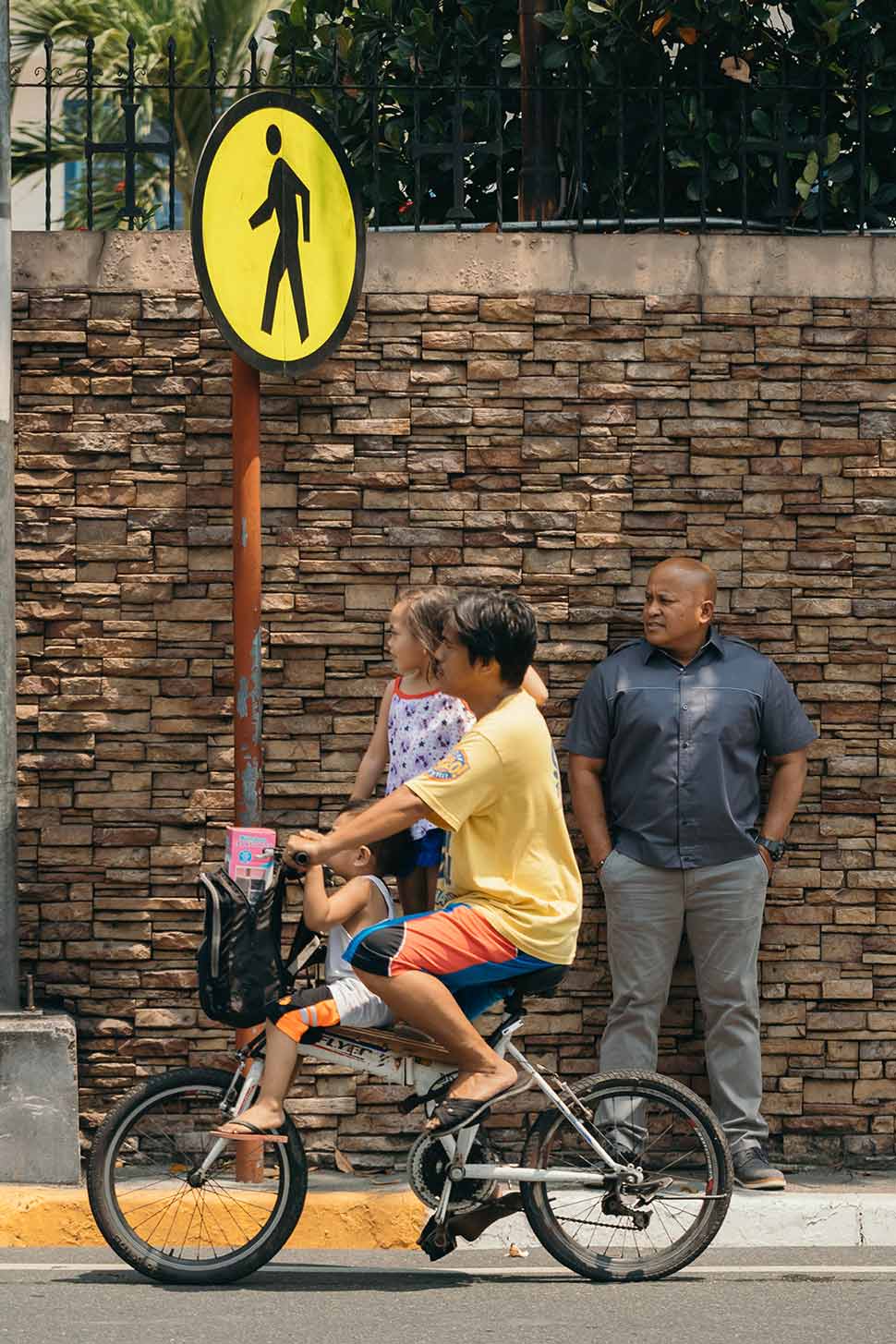
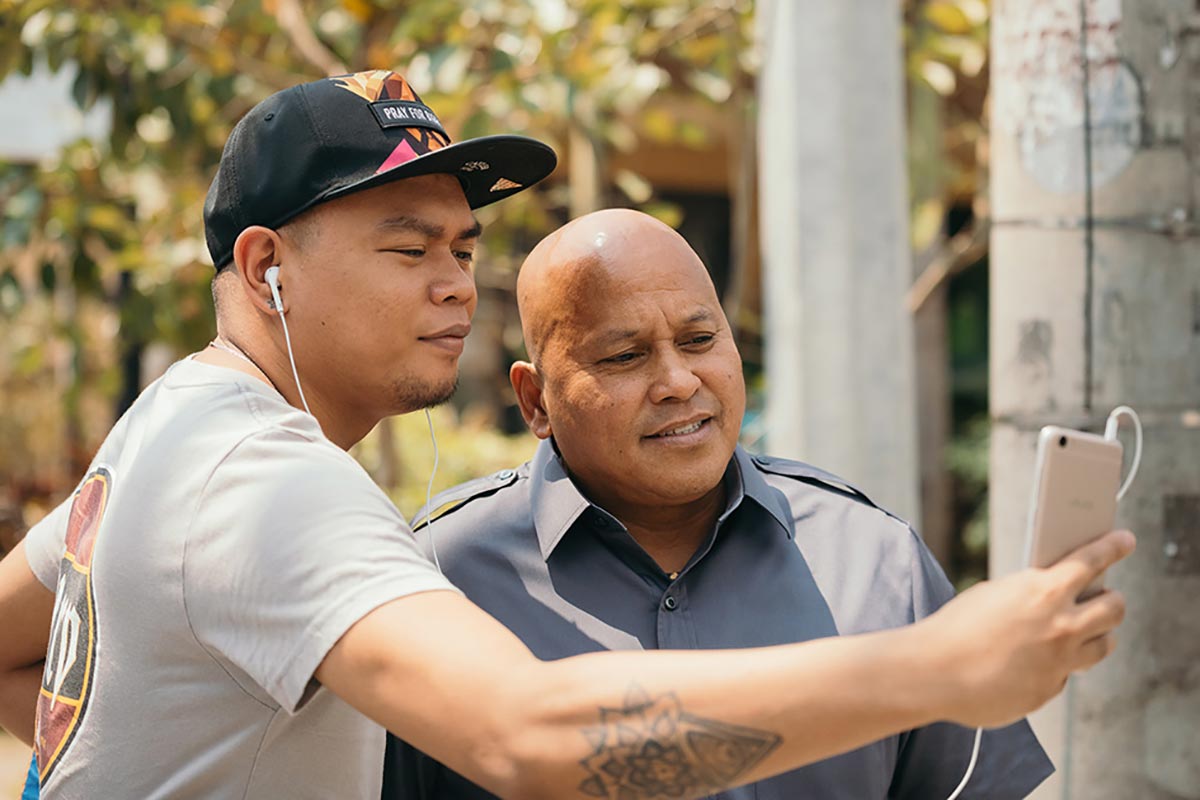
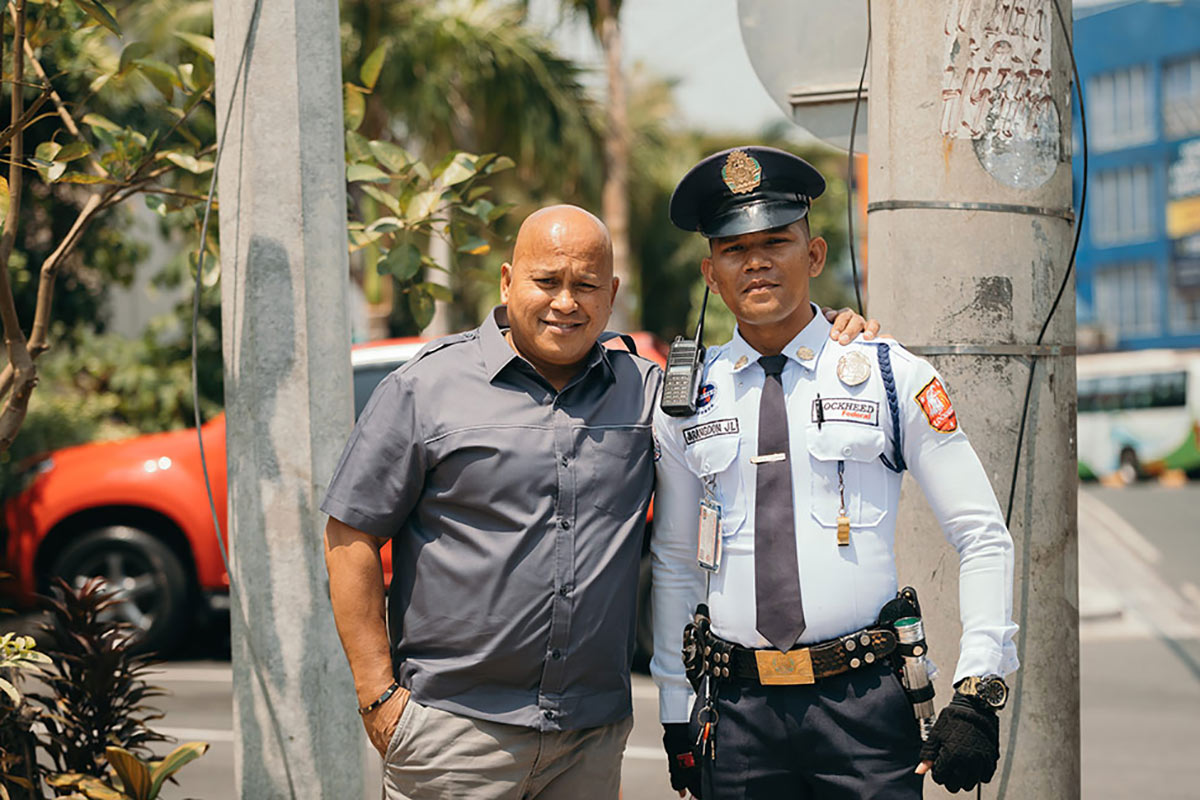
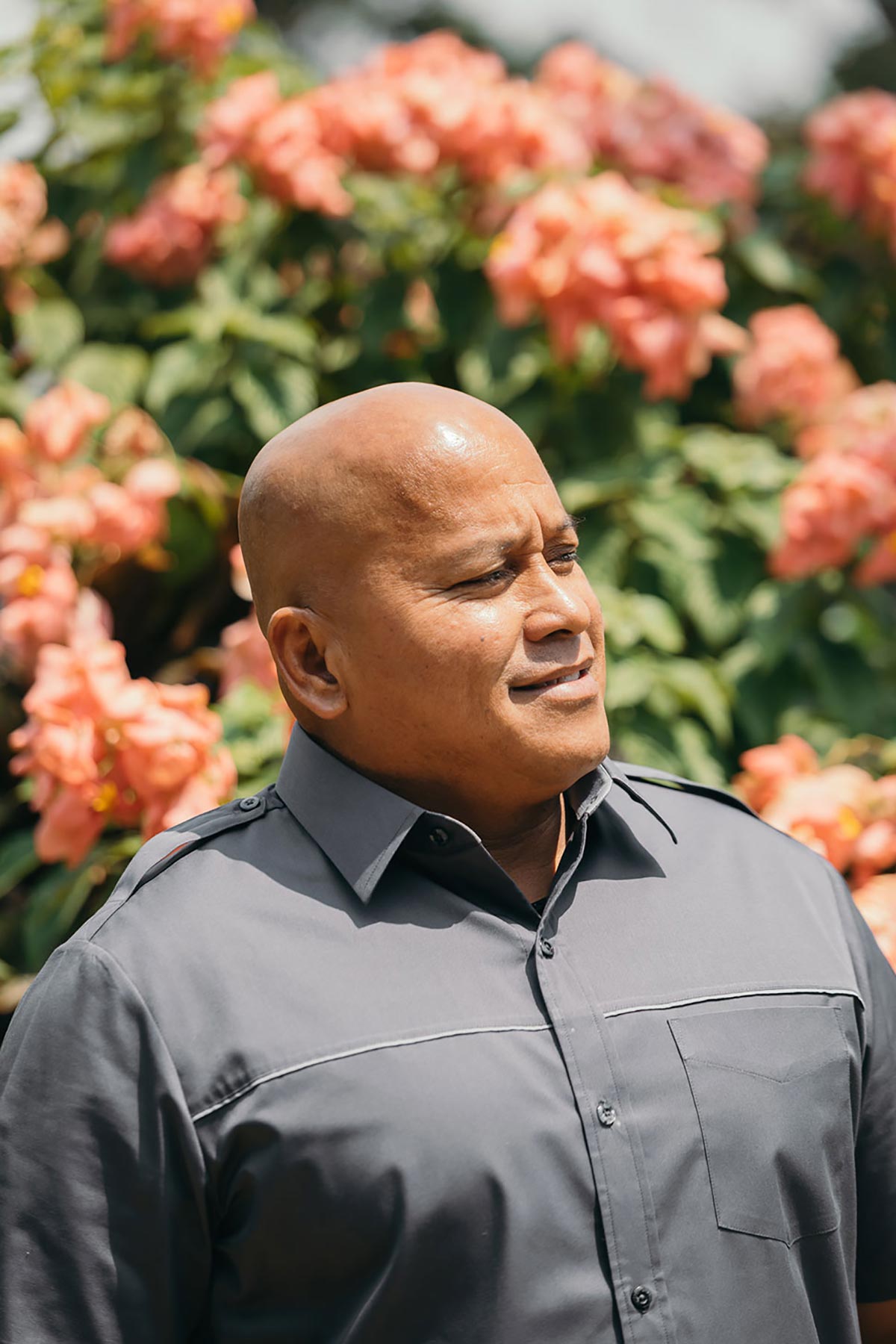
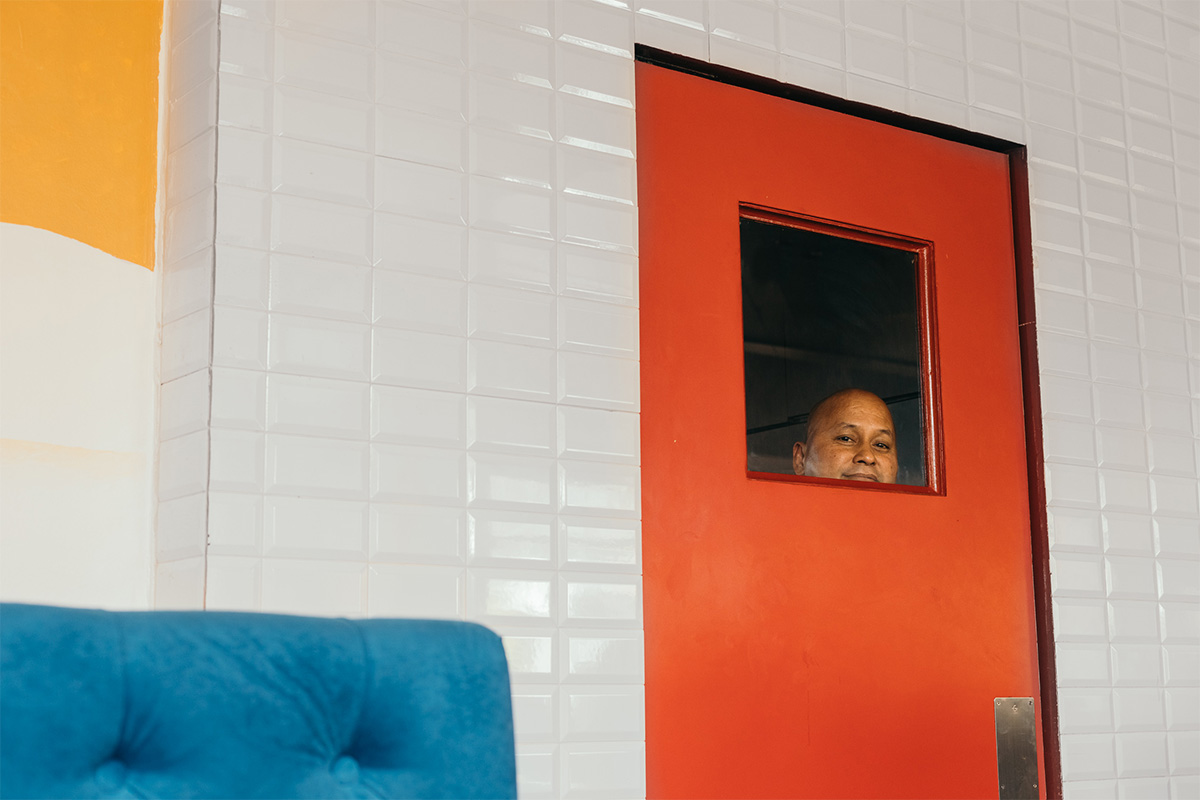
While we photographed him outside the restaurant, Bato, like a good soldier, obeyed the instructions given by the photographer. The “Chief,” as his aides refer to him, did not have any qualms about crossing a busy intersection or standing in the sun. The shoot took a bit longer than expected because buses pulled over so its passengers could wave at him, truck drivers honked their horns, and motorcycle riders shouted out his name. The general accommodated the security guards and passersby who came over to shake his hand, take his photo, or pose for a selfie with him.
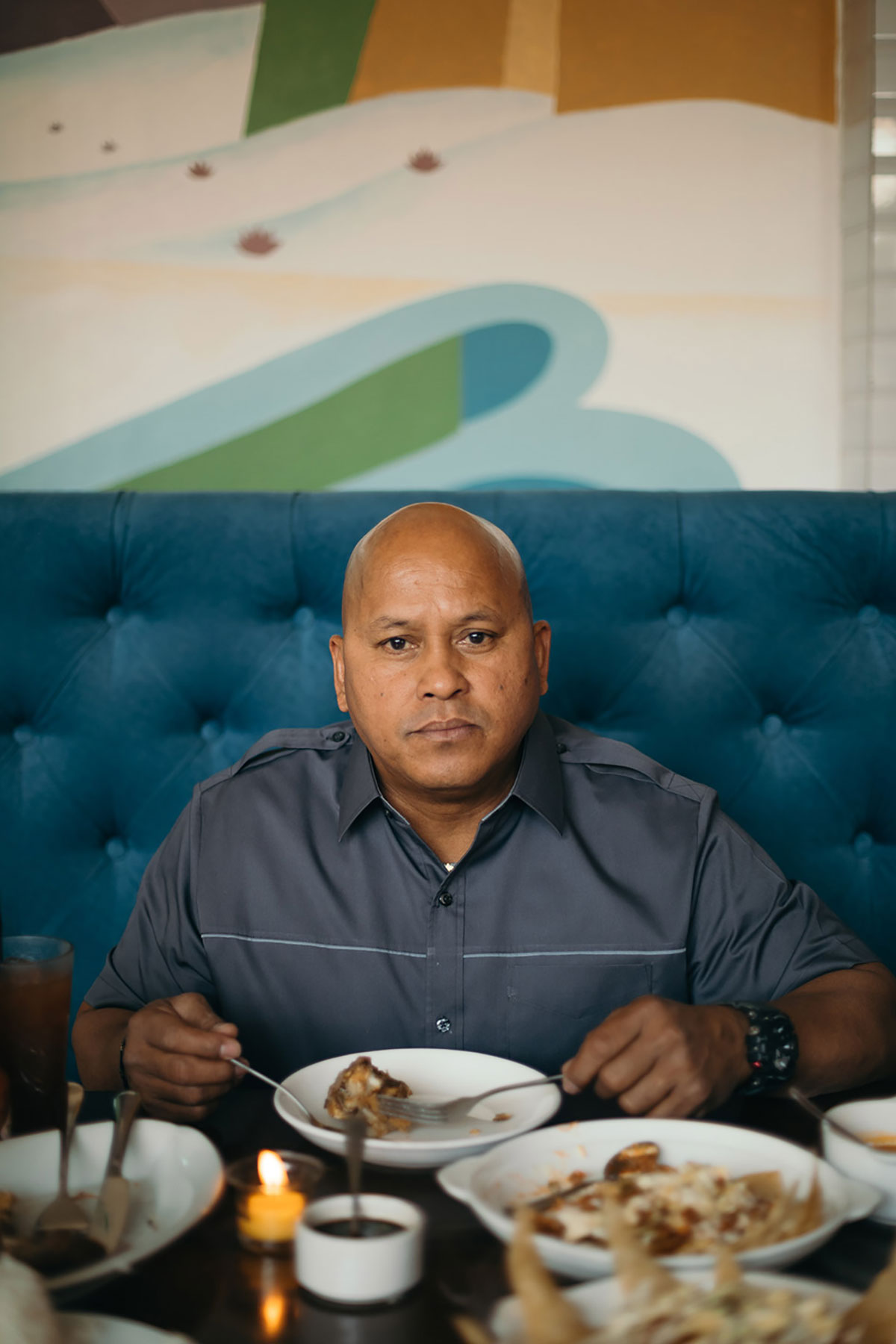
When we re-entered the restaurant, dela Rosa was greeted by requests for more selfies: with a group of children who are part of a football team, with an elderly woman who wished him well, with the kitchen staff who peeked out from their stations. He accommodated everyone despite his tight schedule.
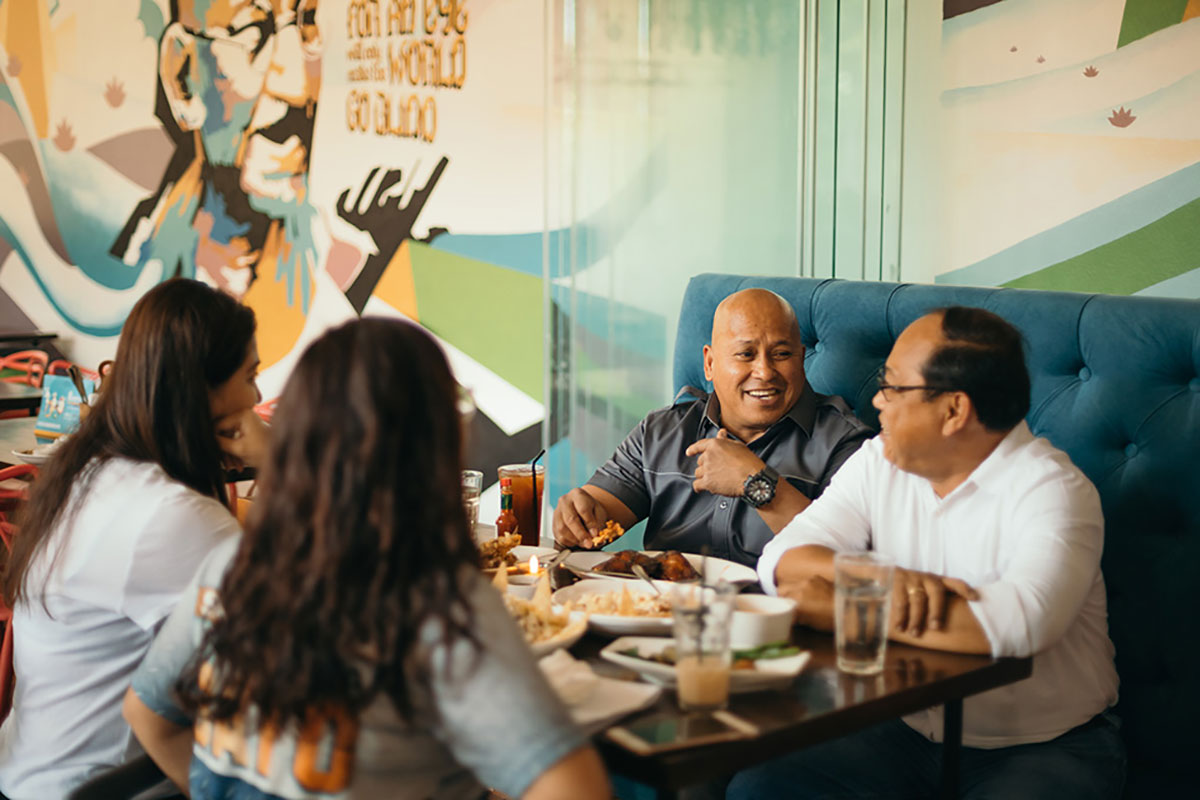
Once settled, there seemed to be nothing the could not talk about. Here, he tells us of the times he was in shoot-outs with enemies, his take on the controversial war on drugs, and his opinion about honesty in government.
ADVERTISEMENT - CONTINUE READING BELOW
PHOTO: Jilson Tiu
Post a Comment
ESQUIRE: Why are you running for senator?
BATO DELA ROSA: Gusto kong suportahan ang ating pangulo. Kailangan niya ng mga alyado sa Senado para mabilis na maisabatas yung kaniyang mga programa. So, I’m here to support the president. And it’s personal for me,nasasayangan din ako sa gains natin sa war on drugs. Gusto kong ipagpatuloy ang ating mgagains from execution [of the law] by supporting it with legislation.
ESQ: What laws are you planning to make?
BDR: Number one is the restoration of the death penalty for the drug traffickers.Hindi kasama dito yung mgapushers,hindi kasama dito yung mgausers,pati mgasmall-time drug peddlersdahil alam natin na mga biktima lang yan, either biktima ng kahirapan o biktima ngcircumstance.
Palagi kasing argumento ng mga opositor ngproposalna iyan ay ang magiging kawawa sadeath penaltyay iyong mga mahihirap lamang dahil sila lang ang nabibitay at wala silang pambayad sa abogado sa kanilang depensa sa mga kaso.Dahil diyan, hindi natin isasama ang mgasmall-time [drug pushers, drug users]sadeath penalty.Doon tayo sa mgabig time. Ito ‘yong mga tao na nagpapabaha ng shabu sa bansa. Ito ‘yong mga tao na nagpapayamanat the expense of our youth.Dapat mahinto na ito.
ADVERTISEMENT - CONTINUE READING BELOW
Another reason why I am insisting to reinstate the death penalty, because per my experience with the Bureau of Corrections when I was its director general,kinausap ko ‘yong mgaconvicted drug lords, convicted drug traffickersna nakakulong ngayon at nagse-servengsentencesaBilibid,at ang rason nila kung bakit nila gusto mag-trafficngdrugs sa Pilipinas is because we don’t have death penalty for drug trafficking here in the Philippines.
Added to that, chances are, if they get caught and convicted, and eventuallymag-servesila ng sintensiya sa loob ngBilibid,kapag mahina ang management ng Bilibid,lalo pang lalaki yung kanilangdrug empire sa labas. So imagine, convictedat nakakulong na, patuloy pa rin na gumagawa ngdrug trafficking. It has to stop, and the only way to stop this is by death penalty.
ESQ: You are talking about catching drug traffickers, the big fish, but some of your detractors are saying thattokhangmainly targeted poor people. What can you say about that?
BDR: Well, they should take into consideration the reality on the ground. The reality on the ground is that the organization of the drug syndicate is pyramidal. Pyramidal in the sense thatkakaunti lang ang mgadrug lordsa itaas, samantalangat the base of the pyramid,nandoon yung mararaming mahihirap na tao na na-involve sa droga. When you wage a war on drugs, you cannot be selective.
Otherwise,pag sinabi mong‘huwag nating gawan ngoperationang isang tao o lugar dahil mahirap lang iyan,’o kaya, ‘O itoprioritynatin ito dahil mayayaman,’ that can be considered as selective justice. In the implementation of the law,wala ka dapat pipiliin.Mahirap man o mayaman, uniformang pagpapatupad ng batas—kaya nga maraming tinamaan na mga mahihirap dahil mas maraming mahihirap na sangkot sadrug trade.Maraming nagtutulak na mga mahihirap, kaya ito ang mga palaging nahuhuli sabuy bust operations.
Ito namang malalaki, hindi rin naman masasabi na hindi ginagalaw. Marami na. Marami na tayong mga drug lord napoliticians like the mayor of Ozamiz City, the mayor of Leyte,at marami pang mga mayor doon saMindanaona isinailalim natin sa malalakinganti-drug operations,itong mga“narco politicians.”
‘Yong mgaChinese traffickers,marami na tayong nahuli. Paano yung napatay natin nadrug chemists doon sa Valenzuela?Paano yung nahuli nating nagmamay-ari ngfloating shabu laboratorydoon saOlongapo? Those are big-time drug traffickers.
PHOTO: Jilson Tiu
Post a Comment
"Walang kinabukasan ang Pilipinas kung nandiyan palagi yung korapsyong ginagawa ng ating mga opisyal sa gobyerno, kaya dapat matugunan ito sa pamamagitan ng death penalty para matakot talaga sila magnakaw ng pera ng bayan."
ESQ: Since you came into office as PNP chief, you have always supported Duterte and been consistent in saying that the number one problem in the Philippines is drugs. Can you identify three other big problems in the Philippines and why you consider them as such?
BDR: Criminality is one, and this is highly connected with the drug problem. Another one is corruption and another one is terrorism. We believe that peace and order is paramount in achieving economic development. It’s the number one requirement. You cannot have development without peace and order.
ESQ: As senator, how to you plan to address these three things?
BDR: Number one,sadrugs,ibalik yungdeath penalty. That is part of the supply reduction strategy. For the demand reduction strategy,dapat magkaroon tayo ng batas na magsasabi saDepEdna isama sacurriculum ‘yong drug awareness and resistance education,mula sa pinakamababanggrade levelhanggangmag-graduate sa college.Dapat nandiyan lagi sa curriculum iyanto instill in the minds of the youth the ill effects of drug abusepara matakot talaga sila gumamit ng droga. Dapat nandoon iyan sa educational system natin, sa curriculum.
Ito naman sacriminality, as I have said, when we hit the drug problem, we also hit the criminality.Pag mataas angdrug problem,mataas din angcriminality.Pag mababa angdrug problem,ganoon din sacriminality. We have proven this during the early days of the Duterte administration when we hit hard on the drug problem.Noong nag-surrender ‘yong1.3 million,noong nahuli‘yong 130,000 nahanggang ngayon nakakulong pa, it resulted in the decline in the index crime volume by 49 percent—napakalaki ng ibinaba, somalakiyung correlationng dalawa.
For corruption, believe it or not, oncemakalusot itongdeath penalty for drug traffickers, the next target is death penalty for corrupt politicians and government officials. We should once and for all address this issue.Walang kinabukasan ang Pilipinas kung nandiyan palagi yung korapsyong ginagawa ng ating mga opisyal sa gobyerno,kaya dapat matugunan ito sa pamamagitan ngdeath penaltypara matakot talaga sila magnakaw ng pera ng bayan.
I can see how this will be a very lonely battle because I don’t think I will win much support from other legislators when it comes to legislating death penalty for corrupt politicians. I hopedarating yung punto na makonsensya na silafor the sake of the fututre Filipino generation.Sana makatikim na sila ng Pilipinas nawalangcorruption.
PHOTO: Jilson Tiu
Post a Comment
"Honesty is the best policy. No more, no less. You have to be honest... regardless if the truth hurts, if it is the truth, you can never go wrong. You stay with the truth."
ESQ: Earlier, you mentioned that you are running for senator because you want to support President Duterte. Tell us about your relationship with the President.
BDR: Our relationship dates back to 1986—that was 33 years ago. From then on,naging ninong ko siya sa kasal, at saka parati siyang nagmo-monitorsa aking mgaaccomplishments.
From 1986 to 1989, insurgency in Davao City was so bad. Literally almost the whole city was being penetrated and held by the Sparrow Unitsof the NPA. Every day, we had encounters with the New People's Army, and back then, Mayor Duterte monitored all our operations.Doon nagsimula ang amingrelationship.
We share the same dreams and aspirations, we share the same beliefs, we share the same passion. Kaya nag-click ang aming samahan.
ESQ: Your partymates, particularly Mayor Sara, mentioned that honesty is not an issue in this election. Do you agree?
BDR: In fairness to Mayor Inday Sara, she was able to say that out of frustrationsiguro na, ‘puro kayo kwan, pareho naman kayong mga sinungaling na mga pulitiko,’ parang ganoonsinasabi niya.Ginagamit ng oposisyon, ng kabila, yungissue about yung Imee Marcos, di ba? Inday Sara, being the chair of Hugpong ng Pagbabago, humanap lang siya ng paraan na madepensahan yung miyembro ng kaniyang team.
Pero sa akin naman talaga, honesty is the best policy. No more, no less. You have to be honest, you have to be honest. I’m known by the people to be an honest officer, a transparent individual, sometimes to the point thatyung akinghonesty sometimes leads to troubles becausenasasabi ko yung mga dapat hindi ko sabihinat the expense of my organization, at the expense of myself.
Pero sabi ko nga, at the end of the day, regardless if the truth hurts, if it is the truth, you can never go wrong. You stay with the truth. Iyon ang aking policy. Importante iyon, otherwise, if we don’t value honesty, what will become of the Philippines? It will become a nation of liars?Sinungaling tayong lahat? It’s not good.
ESQ: What are the three most important things to you?
BDR: Number one, love of God. If you love God, then you will be guided in your actions, regardless of whether you are being pushed to the wall, you will find no other recourse for survival. If you believe in God, something good will happen to you.
Number two is love of country.Marami tayong Pilipino ngayon na nagkukulang dito, yung pagmamahal sa ating bansa. If you love our country, that means you must be patriotic. You must be nationalisitc. Mahalin mo iyong bansa mo.
Number three is love of your fellow men.Kailangan marunong kang maki-kapwa. Mahalin mo iyong kapwa mo lalong lalo na 'yong mgamarginalized.Ako kasi, I am known to be a "pusong bato"when it comes to criminals, pero ako’y "pusong mamon" pagdating sa mga inaapi. My heart bleeds for the these people.Ayaw na ayaw ko na may inaapi,kayayou should love your fellow men.
PHOTO: Jilson Tiu
Post a Comment
"Ilang beses ako nakipagbarilan sa mga hostage takers, ilang beses akong nakipag-giyera sa mga NPA. I’ve been through a lot of armed encounters with the enemy, but I don't consider them as my greatest accomplishments."
ESQ: Incidentally, we were talking about this earlier. Why are you called “Bato”?
BDR: (Laughs) Well, literally and figuratively,dahil nga ‘yong aking katawan pagka-graduate ko saPMA (Philippine Military Academy)ay talagangphysically soliddahil satrainingnamin saSROC (Scout Ranger Orientation Course)saTanay, Rizal.Pagka-graduateko saSROCat pagdating ko safirst assignment ko sa Davao CitysaCamp Catitipan,nakita ako ng mgasenior officialsdoon.Ang tawag nila sa akin“Bato”noong nakita nila ‘yong katawan ko na batong bato.
Na-developna rin iyong“Bato”dahil na rin ina-associatenila ako sa aking barangay, ako’y ipinanganak at lumaki saBarangay Bato, Sta. Cruz, Davao del Sur. So,iyon na.Kaya ngayong tumatakbo akong senador, ang nakalagay sa balota ay“Bato.”Angfirst name ko ay “Bato,”nawala na 'yongRonald. People remember me as “Bato” and not as Ronald. Sometimes, people forget me as General Dela Rosa, they call me as General Bato. Sonandoon na.Tumatak na sa akin iyong“Bato.”
At saka nagkataon rin na“Bato” is fighting “bato,” you know—shabu. So “Bato” laban sa “bato”! (Laughs)
ESQ: Apart from becoming PNP chief, do you have any achievement that you consider your biggest so far? For example, perhaps you busted a big time crime syndicate?
BDR:Ay, marami, marami na-bustedna sindikato. Before I was the PNP Chief,marami akong na-rescuena mgakidnap for ransom victims.Ilang beses ako nakipagbarilan sa mgahostage takers, ilang beses akong nakipag-giyera sa mga NPA. I’ve been through a lot of armed encounters with the enemy, but I don’t consider them as the greatest accomplishments. Ang kino-consider ko lang na greatest accomplishment in my life and in my career is iyong I was able to bring back the PNP closer to the people.
Naramdaman ko noong ako ay nagingchief ng PNP,at hanggang ngayon, bumalik yung tiwala ng mga tao sa kanilang kapulisan.Humahanga ang mga tao dahil sa mga ginagawa ng kanilang mga pulis. Hindi komadi-discountyung mga ginagawa ng mgascalawag.May mgascalawag pa rin na humihila pababasa tiwala ng mga taumbayan sa ating kapulisan,pero nananatili pa rin 'yong paglapit ng kapulisan sa mga taumbayan.
ESQ: Do you have anything you want to say to the people or to your detractors?
BDR: To my detractors: God bless you! (Laughs). I hope that you become enlightened and stop yourself from being blinded by our political color.
Kahit anong ginagawa ng ating gobyerno o ngDuterte administrationna pangkabutihan, dahil nga lang kalaban niyo sa pulitika, ayaw ninyo na may magawang maganda iyong ating gobyerno.Ino-oppose niyonang ino-opposelahat kahit na pawang kagandahan at kabutihan ang ginagawa ng ating gobyerno.Sana matanggal na yung pamumulitika.Suportahan na lang nila ang ginagawa ng ating gobyerno. Lahat naman tayo nakikinabang dito, eh.
PHOTO: Jilson Tiu
Post a Comment
In this story: Produced by Clifford Olanday • Photographs by Jilson Tiu • Interview by Mario Alvaro Limos • Location Alta by Relik, Santolan Town Plaza
This story is part of our ongoing series featuring the candidates of the 2019 Philippine Senate Elections. For more, click the links below:
We use cookies to ensure you get the best experience on Esquiremag.ph. By continued use, you agree to our privacy policy and accept our use of such cookies. Find out more here.