
Apayao Province Is Now a UNESCO Biosphere Reserve

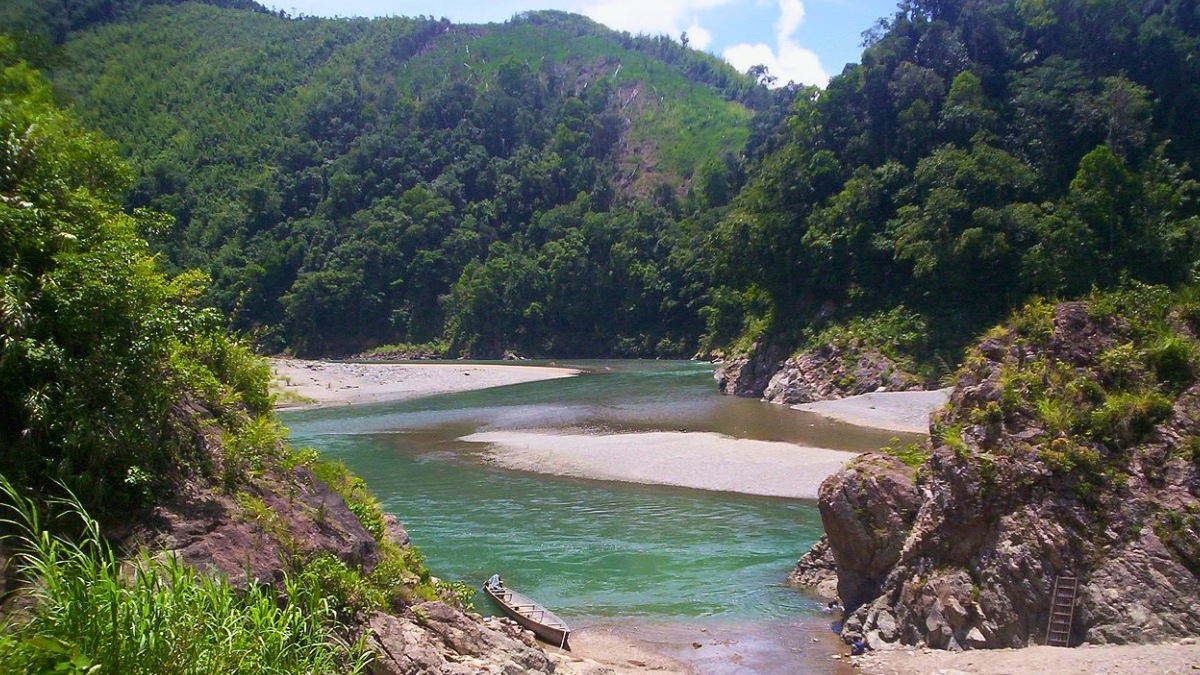
The province of Apayao in the Philippines has been named a UNESCO Biosphere Reserve. This was announced during the 36th session of the International Coordinating Council of the Man and Biosphere Programme held from July 2 to 5, 2024, in Agadir, Morocco. The recognition underscores the critical role that Apayao's ecosystems play in promoting sustainable development, protecting biodiversity, and addressing climate change.
About the Apayao Biosphere Reserve
Apayao, often referred to as the last forest frontier in the Cordillera region of northern Luzon, is now the fourth biosphere reserve in the Philippines, joining the ranks of Puerto Galera (1977), Palawan (1990), and Albay (2016). This recognition highlights the province's ecological significance, specifically within the Apayao Lowland Forest Key Biodiversity Area, home to a diverse flora and fauna and several endemic species. It also serves as a refuge for critically endangered species like the Philippine eagle (Pithecophaga jefferyi).
The Philippine Eagle Foundation (PEF) has been working with the local government to study Philippine eagle nesting sites in Calanasan, a municipality in Apayao. It was in April 2015 when PEF, along with Isneg research assistants, first documented the presence of the Philippine eagle in the area. The eagles have a wing span of one and one-half meters.
The unique biodiversity of Apayao's forests extends beyond avian species. The region's rich plant life, including various hardwoods, medicinal plants, and rare orchids, contributes to the ecological balance and provides resources for local communities.
In terms of geology, Apayao is characterized by two regions: the Upper Apayao, which has towering peaks, plateaus, and valleys; and the Lower Apayao, which has flatlands with rolling hills. It also has the 180-kilometer Apayao River, which serves as a watershed for 18 tributaries.
ALSO READ
Metal Straws vs. Plastic: Their Impact on the Environment
You Can Live Sustainably Without Being Annoyingly Self-Righteous
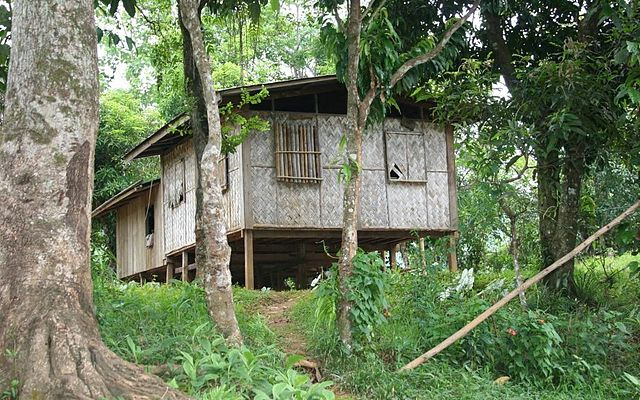
The Isneg Community as Guardians of Apayao's Forests
UNESCO has also recognized the Isneg community in Apayao as the guardian of its forests. As people who traditionally relied on the forest for their livelihoods, they are known to practice sustainable methods of agro-ecology and water management. Their "lapat" system, a unique customary practice regulating the use of natural resources and protection of the environment, has been passed down from generation to generation.
This practice involves designating parcels of forest land and their natural resources as off-limits to ensure their preservation. Lapat can be implemented in areas where trees are cut off for lumber, a fishing section of the river, or a forest area where hunting is rampant. Banning the cutting of narra for five years in a certain area is another example. This strategy allows the natural recovery of the forest that was previously exploited by letting its plants to regenerate and its wildlife to reproduce. Lapat can also be as specific as allowing only a seasonal collection of certain wild fruits and vegetables or certain species of fish. This allows the Isneg to be still self-sustaining, while regulating their use of natural resources.
Customary laws ensure the implementation of the lapat system, as overseen by the elders ("lapat panglakayen"). The elders also craft the policies and sanctions. A "bagawas" ritual is performed when designating an area, and this ritual includes the elder's utterance of a prayer and offering of basi and white chicken. The ritual makes the prohibition known among the community members. Slaughtered carabao, cattle, or pig is also shared between villages to further spread the word about the "nailapat."
The designation of Apayao as a biosphere reserve aims to support these practices, promoting green income generation and enhancing the resilience of local populations.
The Importance of Biosphere Reserves
Biosphere reserves are unique regions designated by UNESCO as "learning places for sustainable development." These areas serve as testing grounds for interdisciplinary approaches to managing the interactions between social and ecological systems. They aim to provide local solutions to global challenges, such as biodiversity conservation, climate disruption, and sustainable development. The reserves include terrestrial, marine, and coastal ecosystems, promoting innovative methods to reconcile the conservation of biodiversity with its sustainable use.
The concept of biosphere reserves was established under UNESCO's Man and the Biosphere (MAB) Programme. These reserves are nominated by national governments and remain under the sovereign jurisdiction of the states where they are located. Their status is internationally recognized, and the designation process involves the Director-General of UNESCO following the decisions of the MAB International Coordinating Council (MAB-ICC). The Council, composed of representatives from 34 UNESCO Member States, is integral to the governance of the MAB Programme.
Biosphere reserves are not just about protecting nature; they are about fostering a harmonious relationship between humans and the environment. Each site promotes sustainable development solutions that are innovative and locally tailored. This includes practices such as agro-ecology, water management, and the generation of green income. These reserves also play a crucial role in supporting local and indigenous communities, ensuring that their traditional knowledge and practices contribute to the sustainable management of these areas.
The significance of biosphere reserves extends to global environmental goals. They contribute to achieving the targets set by the Kunming-Montreal Global Biodiversity Framework, adopted in December 2022. This framework includes ambitious goals such as designating 30% of the Earth's land and marine surface as protected areas and restoring 30% of the planet's degraded ecosystems by 2030. Biosphere reserves are essential in meeting these targets through their innovative approaches and sustainable practices.
Other newly declared Biosphere Reserves alongside Apayao are the Kempen-Broek Transboundary in Belgium and the Netherlands, Darién Norte Chocoano in Colombia, Madre de las Aguas in the Dominican Republic, Niumi in Gambia, Colli Euganei in Italy, Julian Alps Transboundary in Italy and Slovenia, Khar Us Lake in Mongolia, Changnyeong in Korea, Val d'Aran in and Irati also in Spain.
