
Driving Reform: What the LTO Can Learn from Driver’s License Regulations Around the Globe

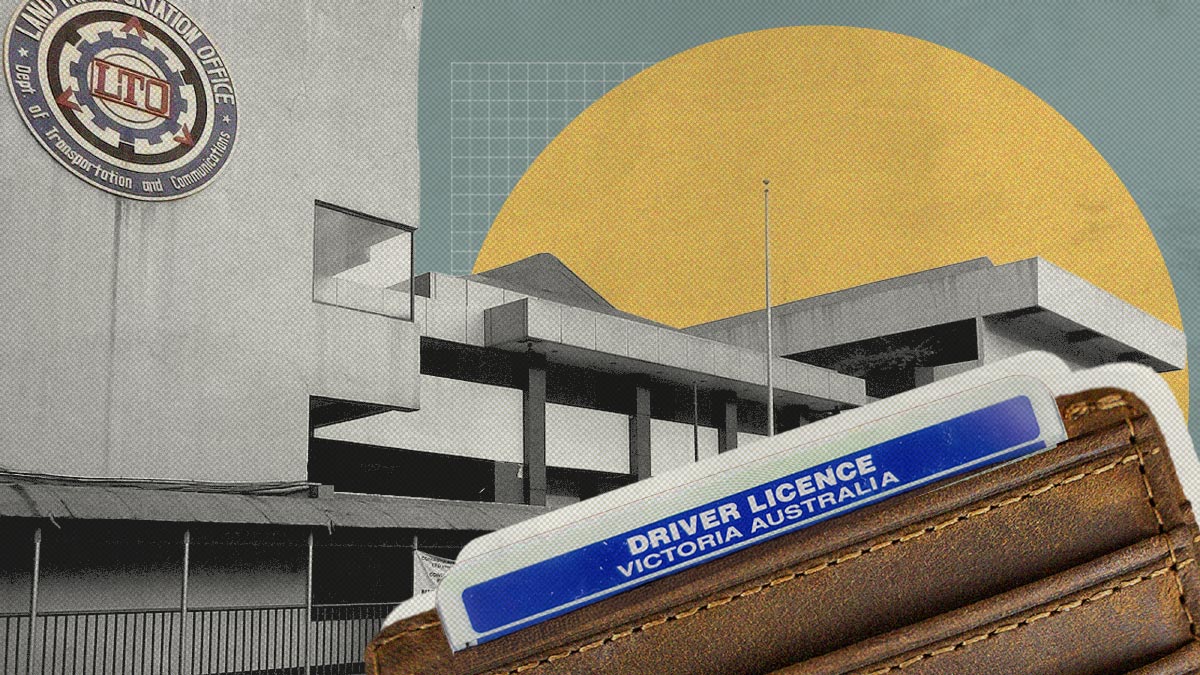
In the wake of recent tragedies on Philippine roads, public discourse has turned from scrutiny of individual mistakes to how the accidents could be symptomatic of deeper systemic failures affecting how the country trains, tests, and certifies those behind the wheel.
What we can all agree on is that the roads should be safer. But not only are our thoroughfares glutted with undertrained drivers–it’s also become increasingly clear that overworked professional drivers, pushed to their physical and mental limits, are pressured to navigate risky circumstances with few alternatives and little support. Meanwhile, an underdeveloped public transportation network only compounds the problem by flooding the roads with more private vehicles, many driven by those whom the system has not adequately prepared for the responsibility.
So what can the Philippines' Land Transportation Office do to address these concerns? Around the world, other governments have reimagined what it means to be road-ready. Their examples may offer a blueprint for reform in the Philippines, with the goal of reducing accidents, building a stronger driving culture, and restoring public trust. Here are six countries we can look to for guidance.
ALSO READ:
Is Manual Driving Dead in the Philippines?
The 10 Driving Mistakes No One Knows They Are Probably Making
1| Finland: Mandatory Driving School & Risk Preparation
In Finland, driving is emphasized as a life skill, not just a legal requirement. Learners complete a mandatory 22 hours of structured lessons: eight hours of theory, 10 hours of practical training, and four hours dedicated to risk scenarios like rain, darkness, or icy roads. Even the review materials are extensive–19 modules in all, covering everything from planning your trip to urban vs. rural driving techniques.
2| Japan: Four-Test Licensing System
Japan’s process is known for its rigorousness. Aspiring drivers must pass an initial written test and basic driving exam just to qualify for a learner’s permit. After fulfilling mandatory practice hours, they face a final, much more detailed, written test and a complex driving assessment that includes navigating narrow streets, executing proper parking, and even using blinkers as a form of etiquette. With few passing the four-test process after their first (or second!) attempt, a license in Japan is a symbol of true driving competence.
3| Germany: First Aid as a Core Requirement
Before receiving a license, every applicant in Germany must complete an eight-hour certified first-aid course taught by the German Red Cross. The country recognizes that on the road, drivers are often the first responders. So emergency preparedness is seen as a requirement for being a responsible motorist.
4| Australia: Fatigue Management for Long-Haul Drivers
Heavy vehicle operators in Australia must complete fatigue management accreditation as part of their requirements to get on the road. The program includes lessons in scheduling rest breaks and health monitoring. Employers are likewise regularly audited to ensure compliance, reflecting a shared accountability for road safety.
5| South Korea: Road Rage Education
Those licensed to drive in South Korea must master emotional regulation and road courtesy. The country’s detailed exam tests a driver's recognition of "appropriate mindset" on the road, as well as best practices for reducing stress and rage while driving. Educating the public on road rage helps to reduce aggressive driving and promote empathy on the road.
6| United Arab Emirates: Multi-Language Testing and Cultural Training
To accommodate a multilingual population, the UAE offers its driving test in 11 different languages, allowing the public to access important road information in their mother tongue, with more languages added as the population diversifies. Additionally, public-facing drivers, such as those in taxis, undergo cultural sensitivity training, ensuring that driving in a shared space respects the identities and expectations of all.
Key Takeaways for the Philippine LTO
If the goal is to have safer roads, a more dignified driving culture, and better trust in the system that is meant to equip motorists to care for themselves and each other, then the Philippines does not necessarily need to copy-paste the policies of other countries. Instead, what we can take is the principle of adjusting our system so that it serves the needs of the public, as opposed to having the public adjust to the bureaucratic needs of the system. Ultimately, Filipinos should not insist on making the process of getting a license more difficult for difficulty’s sake, but rather to encourage a meaningful reform that prepares–and supports–drivers of all kinds, so that the road remains safe for everyone.
