As we sit in the cozy and beautifully decorated condo unit, I see the breathtaking view of Taal Lake and Volcano. It’s a cloudy, slightly rainy Saturday afternoon, so the usual open and serene view of the volcano is made more ethereal as it gets blanketed by a thick layer of fog. Every so often, the famous volcano hides behind the sea of clouds and then reappears, seemingly teasing us to catch a glimpse of its silent majesty.
To live in such a place, waking up to one of the most famous tourist spots in the Philippines, is perhaps quite appropriate for one of the world’s most traveled people. Riza Rasco holds the distinction of being the first woman to visit all 203 countries around the world (193 United Nations member states plus 10 other states) and to visit all 82 provinces of the Philippines.
Riza Rasco in Amritsar, India
Riza Rasco
ADVERTISEMENT - CONTINUE READING BELOW
For someone who has been literally everywhere in the world, though, some might find it unusual for someone like her—who holds Philippine, US, and UK citizenships—to decide to finally settle in such a relatively quiet and laidback place.
“I really love living here (in Tagaytay),” she shares, “because of the temperature. The climate is cooler, the amazing landscape, the fresh vegetables and food that is available around here.”
But home has not always been Tagaytay. In the course of Rasco’s life, she has lived in the USA and the UK, although she was actually born and raised in Los Baños, Laguna.
“My parents are scientists,” she says, just as she’s one herself. “They were university staff at the University of the Philippines in Los Baños.”
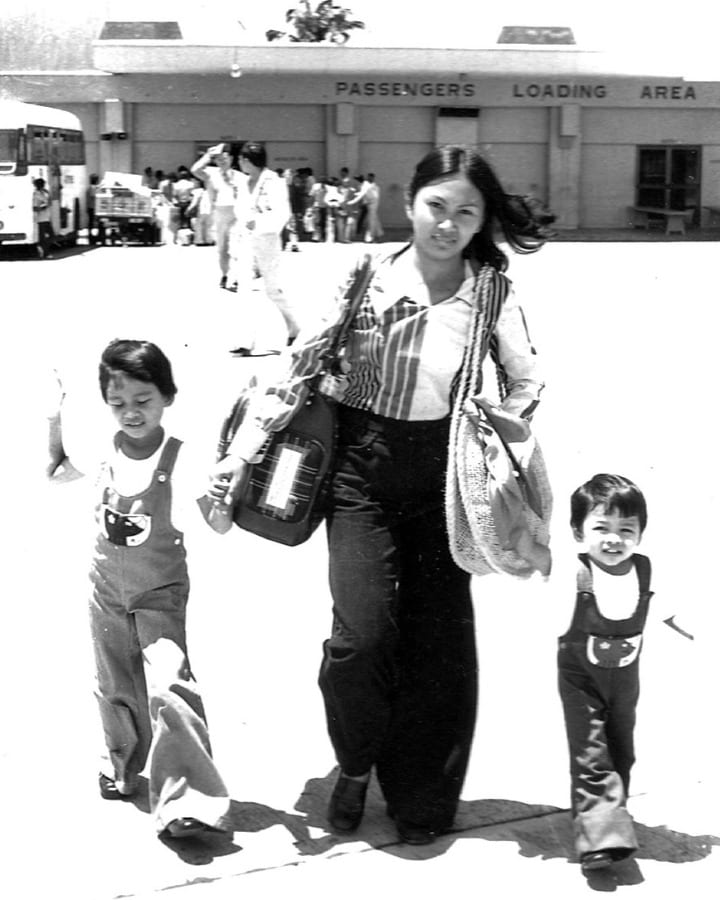
Her first plane ride
PHOTO: Riza Rasco
Visiting the USA as a child. It was her first country outside of the Philippines
CONTINUE READING BELOW
watch now
Riza Rasco
It was her parents’ work that not only inspired her future profession but also influenced her desire to travel. “My father traveled a lot when I was young,” she adds. “We traveled as a family. When I was five years old, we went to New York where my father studied for his PhD degree. We lived there for two years, and then we came back. That was my first exposure to travel.”
ADVERTISEMENT - CONTINUE READING BELOW
As an adult, she started as a bioengineer for a multinational American company where she stayed for 17 years. “My profession as a scientist took me to conferences around the Philippines at the time when I was still based in here,” she says. “I (later) moved to the United Kingdom.”
Her career interests evolved, and she studied business management, which enabled her to go into the field of technology transfer, protection and generation of revenue from discoveries, IPs, and patents for 10 years.
However, the call of travel was just too strong.
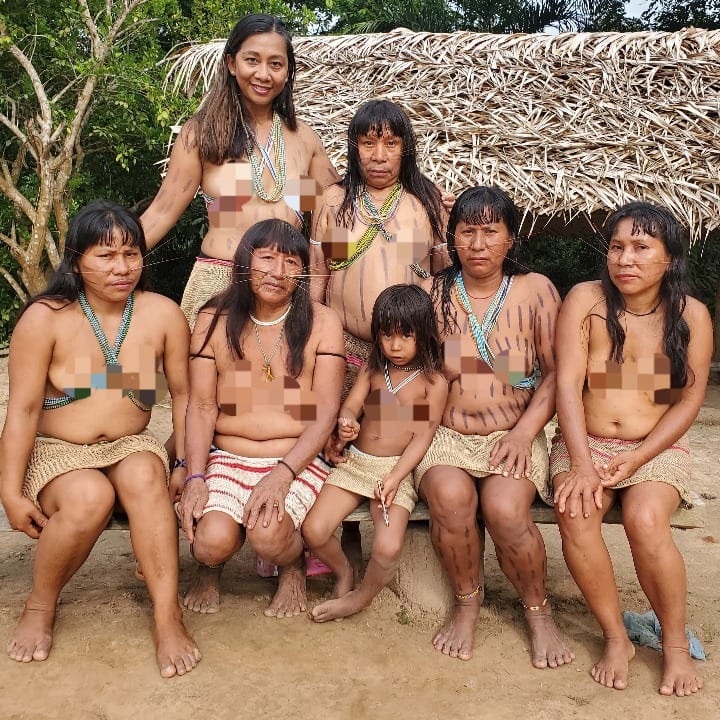
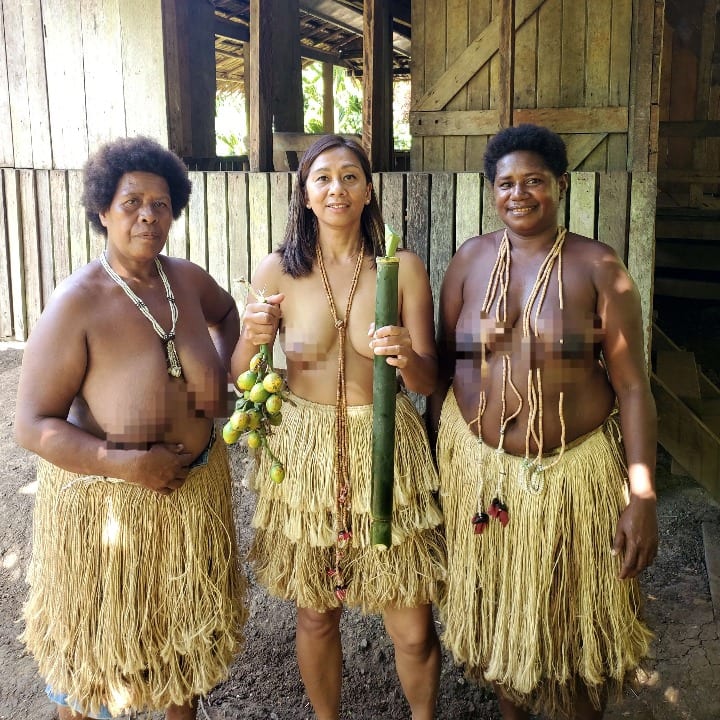
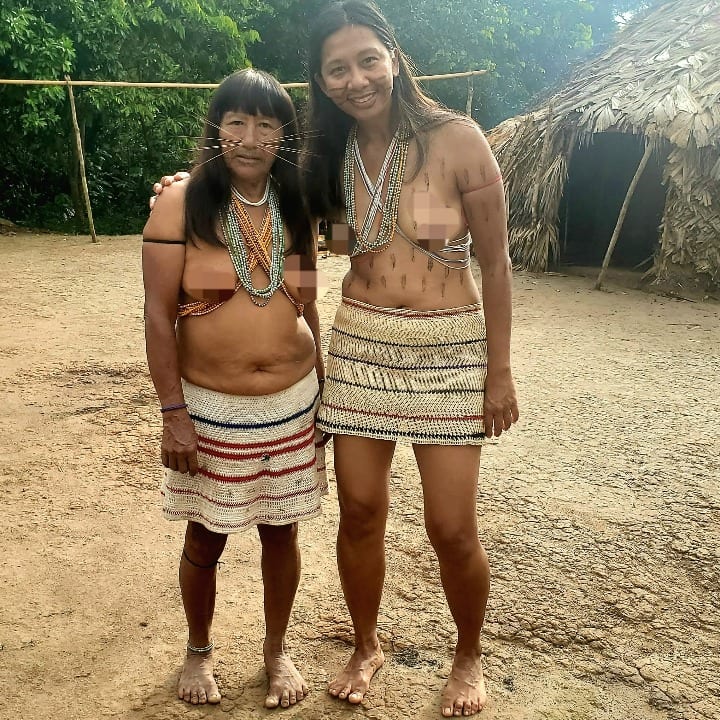
With three generations of Matses women in the Amazon rainforest
Riza Rasco
“When you live in Europe,” she shares, “it's very easy to travel because there are clusters of countries. And Europeans have this culture of using every vacation they have to travel, to see the world, to see a different country. I kind of acquired that when I was living in the United Kingdom.”
It was this exposure to what she calls serial travel—"using all my vacation to see different countries each time I had the opportunity”—that led her to quit her 9-to-5 job and dedicate her life to full-time travel. For 10 years now, as part of her travel advocacy, she has been building communities and social enterprises such as Explore Africa for Impact, her work in Africa. In the Philippines, she co-founded the Philippine Global Explorers and the Philippine Travel Masters Club.
What many may find interesting though is that, even before she explored her home country, she had already traveled to all global destinations save for one: North Korea. She hadn’t yet ventured to all provinces of the Philippines before, which is something pioneering local travelers have done. However, as she was preparing for her trip to the last country she had yet to visit, the pandemic hit, and borders were closed.
“I was stuck with one country left, North Korea. I was stuck for three and a half years,” she narrates. “I was waiting for the country to open. And it wasn't like I wasn’t doing anything. I was doing a lot of things during that time running Philippine Global Explorers. Then (visiting all the provinces of the Philippines) occurred to me because I came back home.”
Completing the 82-province challenge in the Agusan Marsh
Riza Rasco
At that point in her life, she had already visited around 60 provinces. “I had like 20 or 21 more left. So I decided that I was going to finish it.”
And so she did. By the time North Korea opened, she had completed all 82 Philippine provinces. “It was something that wasn’t exactly planned, “ she reminisces, “ but It happened.”
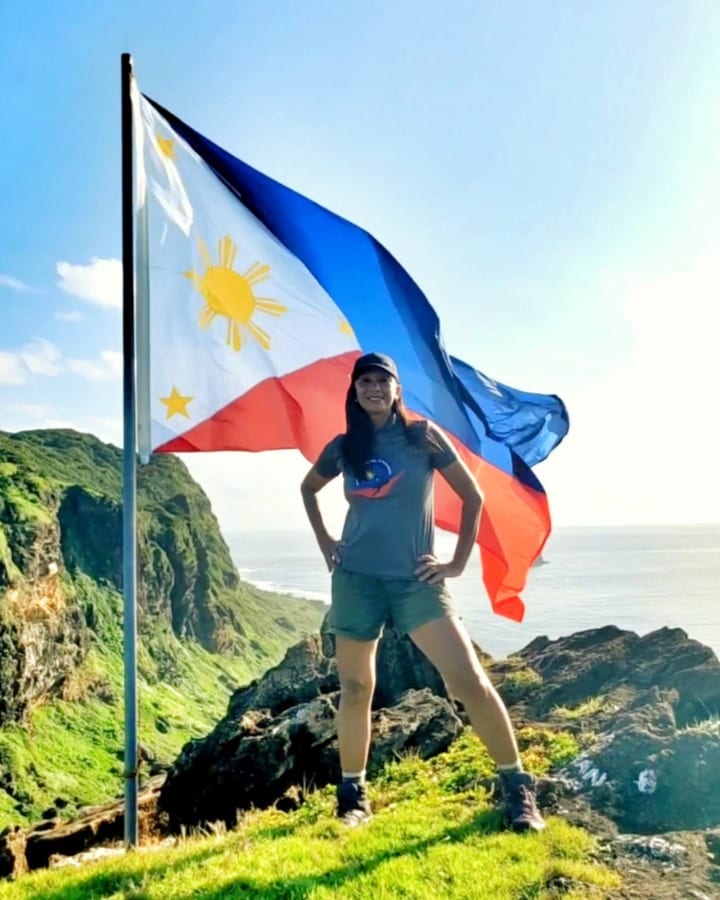
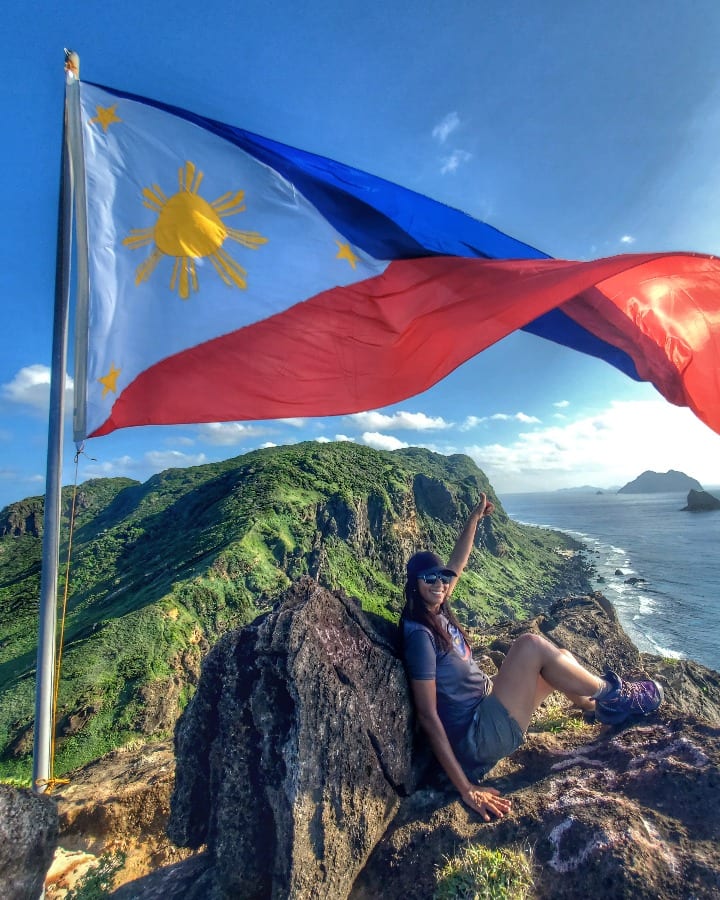
Mavulis Island in Batanes is the northernmost island of the Philippines
Riza Rasco
Having traveled across the country, she poins to Iloilo City as her favorite city. “Iloilo surprised me. I have roots there. My grandfather is Ilonggo. It's a city that is very well managed. Whoever is mayor or administering the city right now is doing a great job… their esplanade, the river, the food is great. The colonial architecture is very nice.”
Her face lights up when she brings up the Garin Farm just outside Iloilo City and I say that I had already been there, too. “It really feels like you died and went to heaven, and everything was white. It belongs to Atlas Obscura for me, one of these obscure places. We should highlight that.”
Somewhere in Northern Thailand
Riza Rasco
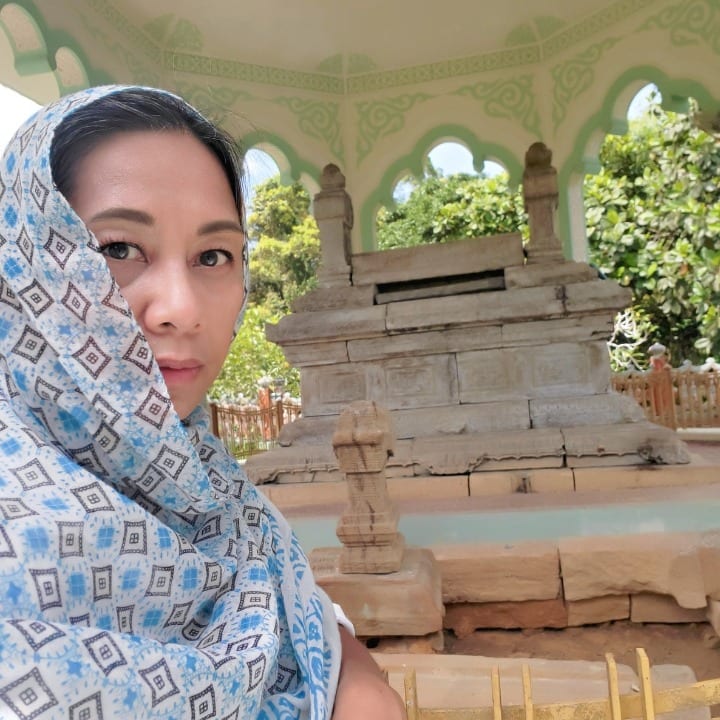
As for her favorite province, she names Sulu as her top experience. “I love Sulu. First, we have this Muslim culture down south. We need to embrace that. There are two billion Muslims around the world,” she adds. “Can you imagine the market for attracting Muslims to visit the southern Philippines ? I think we're kind of neglecting that opportunity.”
She describes Sulu as an island that “packs a punch,” having everything from really good people to beautiful pristine beaches. Diving, hiking, and bird-watching are just some of the many activities in Sulu. She speaks highly of the cuisine as well. “They have amazing food; Tausug food.
“The history is amazing,” she adds. “It used to be part of the Kingdom of Brunei, so it has this sultanate history.” She goes on reiterate that after years of the military fighting terrorism in the region, Sulu has finally achieved peace in the area, “so much so that we collaborated with them and we brought many foreigners to the island.” In fact, this was one of the big projects of the Philippine Global Explorers: placing Sulu at the forefront of tourism, resulting in more foreign visitors coming in.
Waving the Philippine flag in Mavulis Island
PHOTO: Riza Rasco
Having visited the entire country is a source of pride for Riza. She compares our challenges and limitations to other archipelagic countries like Sweden. “Sweden is so developed. They have the money, they have the infrastructure, they have all the transportation, and the safety to travel from one island to another.
“But for us (in the Philippines),” she continues, “we don't have a lot of infrastructure. It's not easy to visit certain islands or places that are interesting to see. Getting to remote islands in the Philippines, there won't be ROROs, there won't be ferries. There won't be even be a nice boat that you can hire from fishermen. When I went to Mavulis Island, the northernmost island of the Philippines, I had to talk to a fisherman to take me there. So you need to be resourceful. You need to be able to trust people.”
Seeing the world
Of course, being a world traveler helped her navigate her achievement in the Philippines.
Al-Shaheed Monument in Baghdad, Iraq
Riza Rasco
But the success of conquering the entire world was not something that just happened in one go nor was it something she had even planned.
“It kind of evolved over time,” she says. “I didn't know at the beginning that you can actually ‘count countries.’” She narrates that, as a child, she also dreamt of getting opportunities to travel abroad. “Nakapag-abroad na naman ako (nung bata ako), pero nung tumanda ako, gusto ko (pang) mag-abroad.”
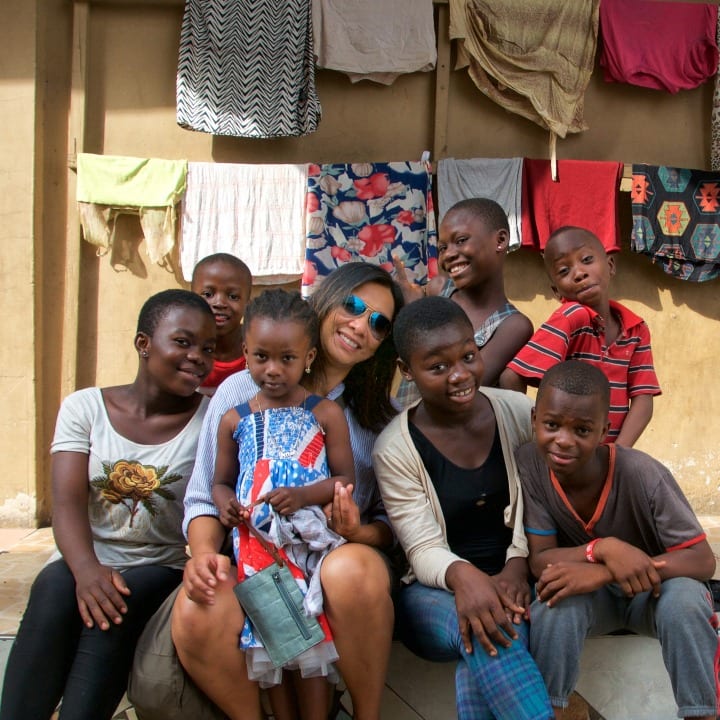
With the Kumasi people in Ghana
Riza Rasco
Hanging out with the locals in Chad
Riza Rasco
She recalls being in bed one morning, dreaming about traveling to the USA. “I kind of made this pact with the Lord: makarating lang ako sa US, pwede na akong mamatay,” she laughs.
But she went to Europe first. “In Europe, it’s so easy to ‘collect countries.’ One hour lang, nandun ka na sa kabilang country. (Traveling there is) not just for the rich, it’s for everybody. And then I was traveling for work, so medyo naiipon na yung countries ko. (By 2015), I had visited mga 60 countries. Then I quit my job.”
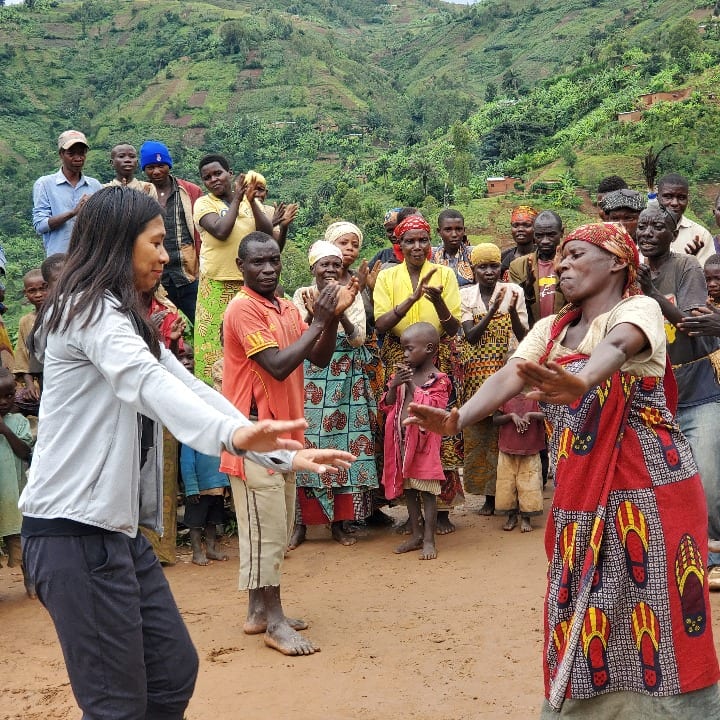
Dancing with the Twa people of Burundi
PHOTO: Riza Rasco
A number of factors prompted this decision. Her mother passed away, and mentions infertility issues, preventing her from having a child and starting the family she always wanted. “Parang nag-build up yung mga frustrations ko with not achieving these personal dreams. I really wanted to do something else with my life.”
So, in her early 40s, she quit her job and signed up for a nine-month trip around the 54 countries of Africa, in the back of a refurbished military truck. “It was very difficult. I hated camping, but I was so depressed at the time, and I really wanted to shake myself. By the end of that journey, I was close to 100 countries.”
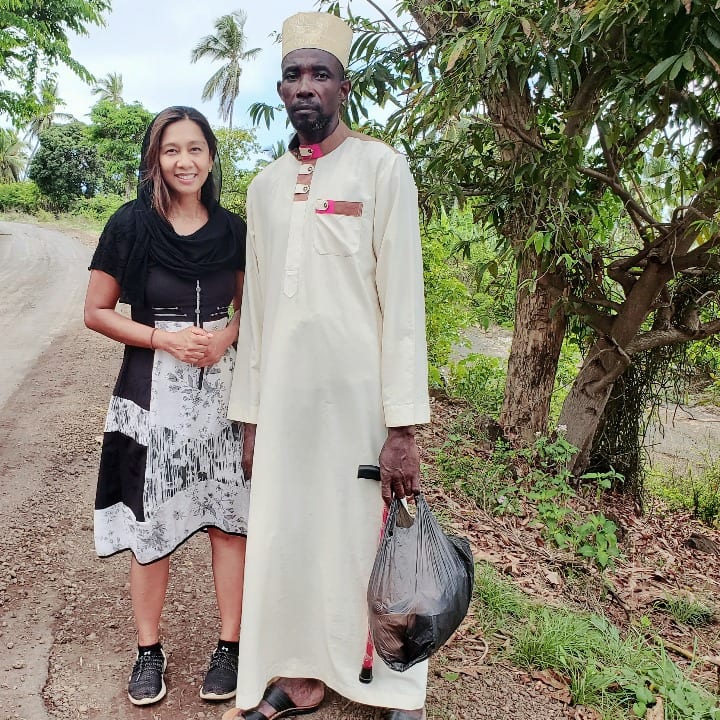
As a local in Comoros
Riza Rasco
With the Basotho people in Lesotho
Riza Rasco
It was in that truck that Rasco learned that her fellow avid travelers were counting countries. “We had a blackboard inside, and they put everyone's name in there.” They would keep score every time they crossed a new border.
After that trip, she went back to the USA and researched about travel organizations, including one that accepts members who have traveled to at least 100 countries. This became her new aspiration: to be a member of Travelers’ Century Club (TCC) and meet other travelers who would inspire her. And when she hit that goal, she also learned that many of these travelers were aiming to finish the 193 member states of the United Nations.
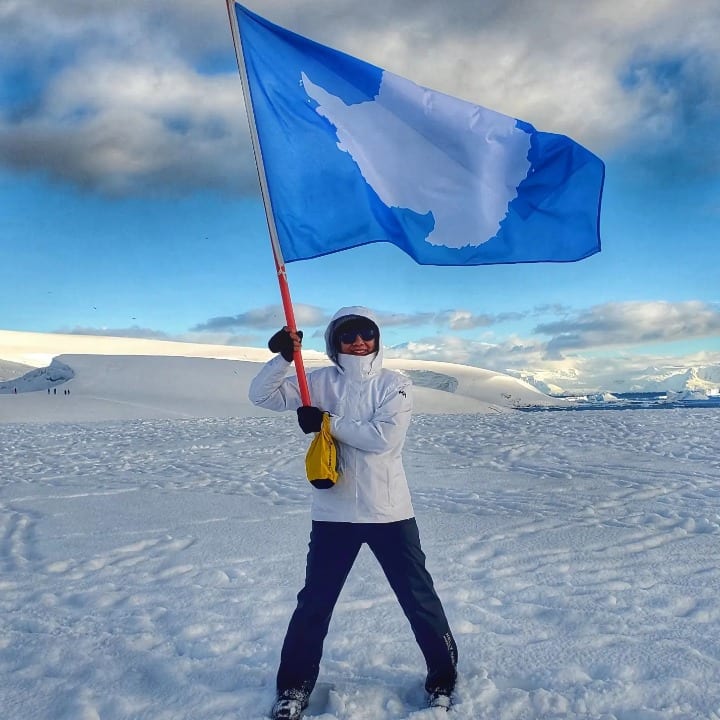
So she aimed even higher – and succeeded. And not just with the UN member states. It even included the continent of Antarctica.
“At this point,” she counts the total countries and states she has been to: 203.
Posing in Myanmar
Riza Rasco
Lake Inle in Myanmar
Riza Rasco
“Two hundred three because 10 are de facto independent states, or countries that are self-governed. They are autonomous countries. They pass all the criteria of being an independent nation, only that they are not members of the United Nations. And the reason, more than anything, is political.”
She names places like Taiwan, Vatican City, Palestine, Niue, Cook Islands, Somaliland, and Kosovo as some of these places beyond the UN 193.
The topic of such politically controversial places brought the discussion to the challenges of visiting such a wide variety of places with different socio-political climates. She shatters expectations around countries viewed as difficult to visit.
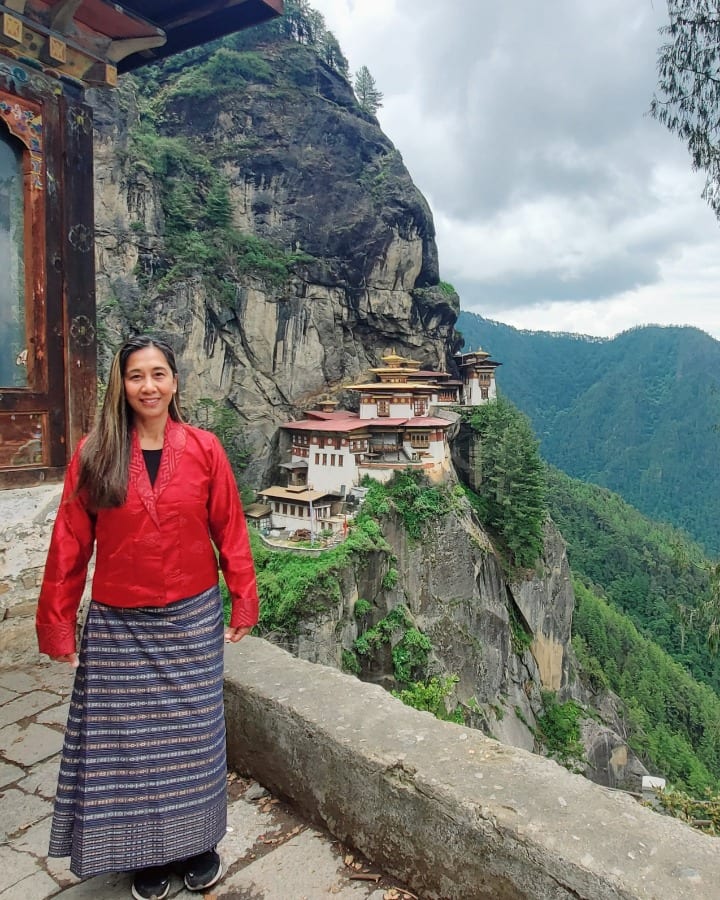
Bhutan
PHOTO: Riza Rasco
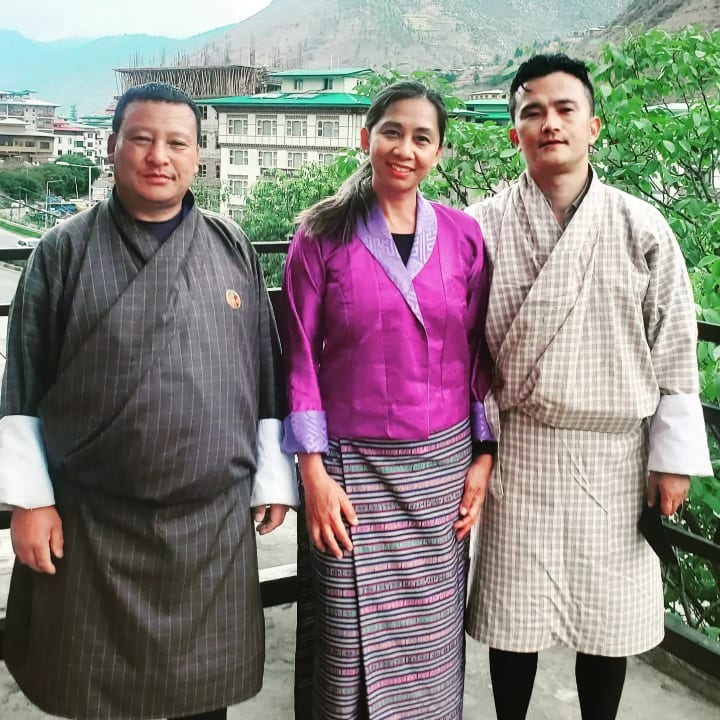
Posing with locals in Bhutan
Riza Rasco
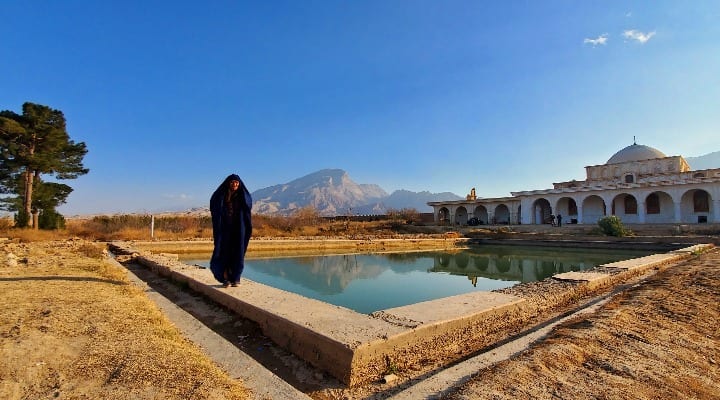
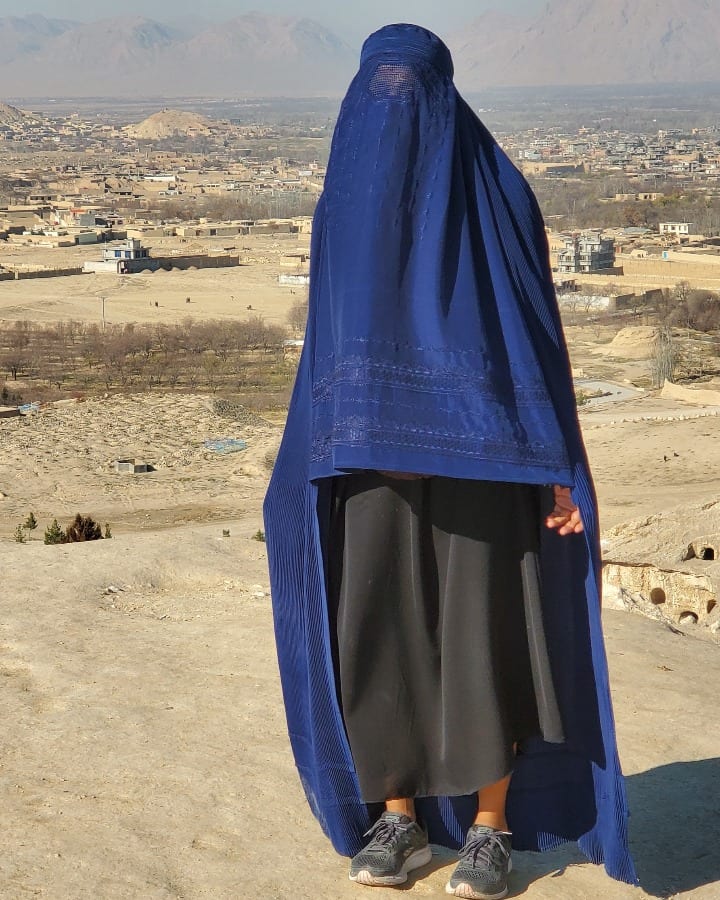
“You would think those (difficult places to go to) are the countries at war: Libya, Afghanistan,” she says. “For me, it was not difficult (as) long as you have a good contact. And I belong to a big network of travelers (who refer me to) guides. When the guides go to the war zones, they know where the danger is, so they can take you to places that are safer for you to visit.”
To Riza, the more difficult experiences were the ones where getting visas was not easy.
Participating in Papua New Guinea's Hagen Festival
Riza Rasco
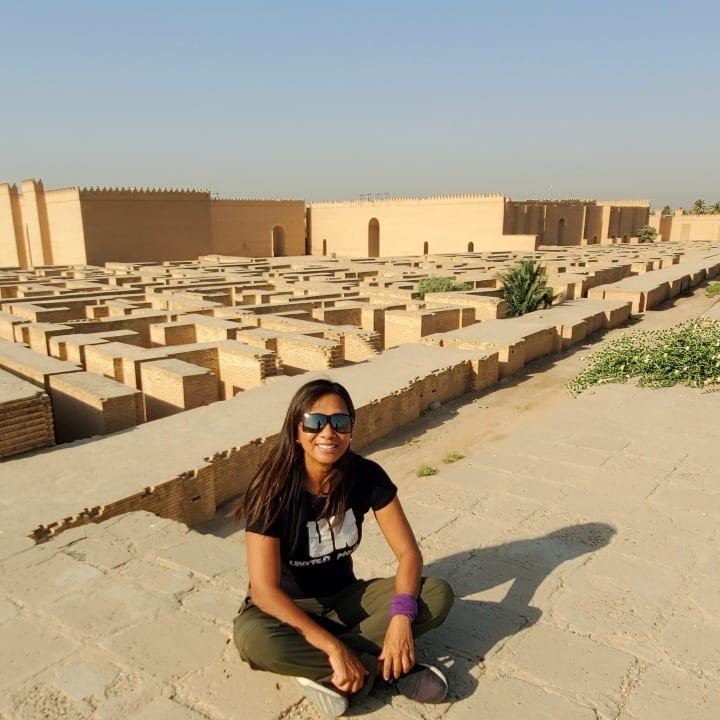
Babylon, Iraq
Riza Rasco
Aside from North Korea, mainly because the borders were closed at that time, she names Nauru, a small island in the Pacific, as arduous. As a nation that doesn’t make money out of tourists and largely depends on aid from Australia, “they don't care if they give you a visa or not. So they take their time. But maybe it has changed now.”
The matter of passport strength is also one of the key things that any traveler has to consider.
“I’ve never really had any visa rejection,” she shares matter-of-factly. “At least for the UN countries. I travel with three passports. I have a Philippine passport. I'm a British citizen because I lived in the UK for 10 years. That entitled me to citizenship. I'm also an American citizen, and I have an American passport.”
She notes that there are actually places where it’s more advantageous to use a Philippine passport. “Like when you go to Suriname, Filipinos don't have to pay a visa fee there. So there's really an advantage to having multiple passports.”
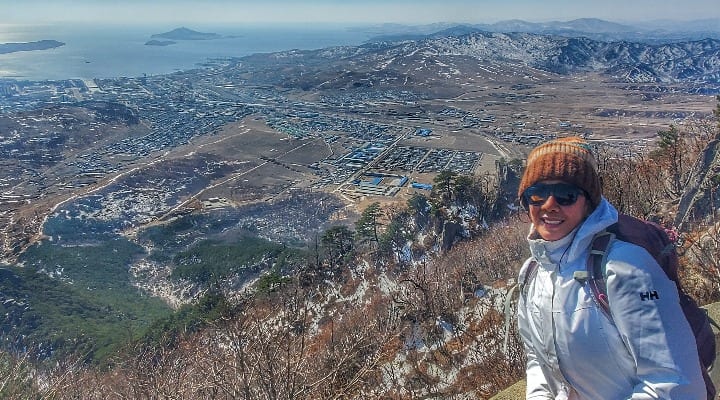
Makingi it to her 203rd country: North Korea
PHOTO: Riza Rasco
And because of that, the only point in her travel life where she felt she might not fulfill her dream was towards the end, when only North Korea remained. “It was totally out of my control. It was so frustrating. Maiyak-iyak na ako sa frustration.”
For someone who has always been in control of her life, it was upsetting to have no control over the situation. The country had closed borders due to pandemic, and she had no idea when (or if) they would even reopen. Having traveled so far with only one country left was the only point when she felt almost defeated.
“Thankfully, nagkaroon ng small window noong February (2025),” she shares. “I was part of the first group of people who were (allowed in). And it's a good thing kasi sinarado na naman ngayon.”
Beyond the challenge of trying to get there, the actual experience in North Korea, which was contrary to what many others fear, turned out to be great for Riza. In particular, she highlighted the food experience. “I've tasted the most unique seafood in that country!” She didn’t feel it was any different from her time in China as well, mentioning the Asian culture, sense of history, even the climate.
In Brunei
Riza Rasco
In Northern Thailand
Riza Rasco
That said, her experience after returning from North Korea was something else, one that really made her wonder how and why people tended to focus on the negatives of her trip.
“Ang dami kong interview (such as with) The Telegraph,” she says. “And they all kind of want juicy gossip. (It was almost like) they want negative things to validate what everyone has been saying.”
But having experienced multiple cultures and having interacted with different people—from her travels and also from living in the four different continents—she has learned to be more understanding and tolerant. “I understand how certain people behave. When you’re exposed to many kinds of cultures, you just have to stand back and not put yourself in a situation na nagrereact ka kaagad sa hindi mo nagugustuhan. Sometimes it’s a strength to just keep quiet and just watch what’s going on, whether you agree or not.”
At the Leptis Magna ruin in Libya
PHOTO: Riza Rasco
Immersive travel
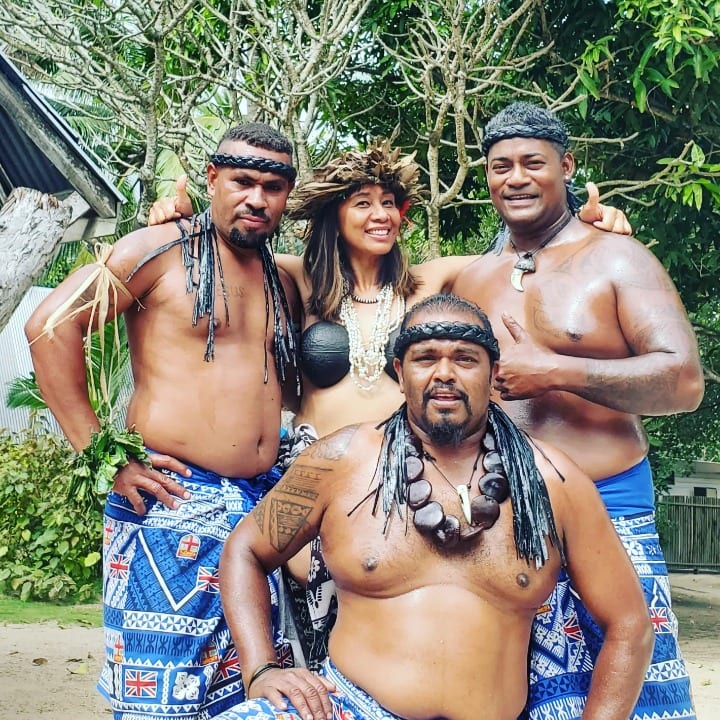
As a global traveler, while she has visited the many classic tourist spots around the world, Rasco has a soft spot for visiting and immersing in local communities and cultures, which is something she is well-known for in international travel circles. She visits tribes and indigenous groups, often living and staying with them.
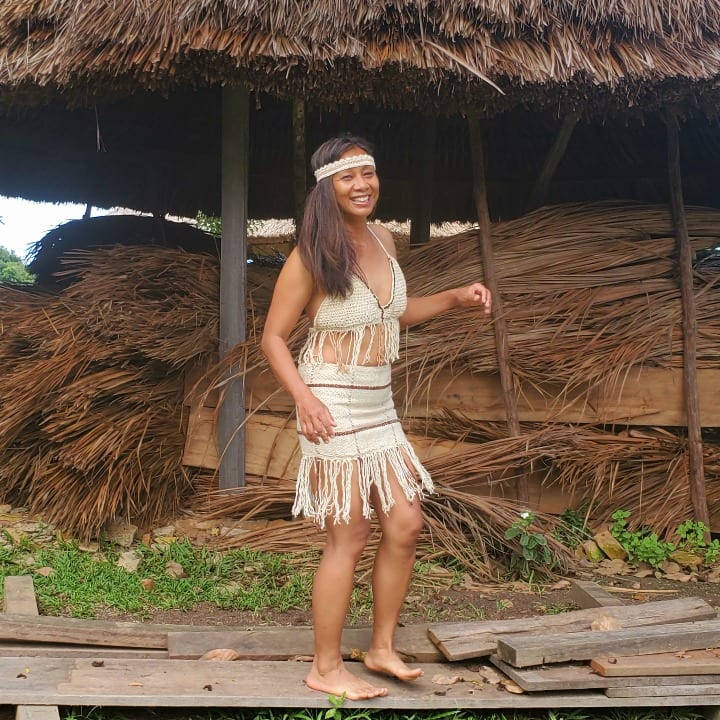
“Whenever I go to a tribe, I try and dress like the women do,” she says. “Hindi ito costume; ‘yung totoong sinusuot nila every day. And then I try to do what the women do: mga daily tasks of the women, how they mingle with their group, I just try to learn how they live their lives basically.”
Garavu and Manukiki hill tribe in Solomon Islands
Riza Rasco
In Fiji
Riza Rasco
Among her favorites are the Matses people in the Amazon rainforest along the Javari River bordering Peru and Brazil. “It takes two plane rides and then nine hours by boat on the Amazon River tributary (to get there). I stayed with the Matsies for four days, three nights.” She describes living with and like the women, sometimes going topless, making beads, painting their bodies and faces, going into the forest to gather fruits and food. She would join in butchering what the men brought back from their hunt. She says at no point did she feel unsafe while she was there.
She also did the same in other places, like living with the Mindari people in South Sudan as well as a local tribe in the Solomon Islands.
With a member of the Matses tribe in the Peruvian Amazon
Riza Rasco
“It's interesting to learn how they live,” she says. “We all want the same thing: food, shelter, safety, health. But we go about it in different ways. And it's great to learn and to compare, like how we do it in the Philippines (to) how they do it.”
These experiences further helped shape her world view. “Maraming mga situation na, oo nga, bakit hindi natin naisip ‘yun gawin? We have the same food or plant resources; bakit hindi natin naisip gawin ‘yung ganito? So maraming mga ganyan, mga revelation din.
“Connecting with people, that's really key,” she adds. “Key to learning about other people, key to immersing yourself, and key to making the most out of your travels is that ability to connect with people, with communities, with tribes.”
Indigenous Amerindian in Guyana
PHOTO: Riza Rasco
And of course, cultural diversity around the world is one of the most enticing things for travelers like Riza. She has, for example, shared the vast type of unique food and cuisines she has tried. “Asian food is very adventurous,” she reveals. “You go to Cambodia, you can eat spiders, fried insects, cicadas. You go to China, you can eat snake.”
Such cultural diversity found globally is why it’s hard for Rasco to answer when asked to pick just five countries outside the Philippines where she’d like to go back.
In Cuba
Riza Rasco
“This is the most difficult question you can ever ask,” she says , “because for me, my favorite country is the last country I visited all the time. I love many countries. You have to learn to appreciate what each country, what each place offers you. And you have to appreciate whether it's because they have good people, very welcoming people, or whether they have beautiful landscapes, or because they have good food. Every place has something.
“But having said that, if you're forcing me to,” she laughs, “I will just say five countries off the top of my head. But in reality, there're most countries I really love. So Ethiopia, I love Ethiopia. Lesotho is one of my favorite countries. I love New Zealand. I like Bosnia and Herzegovina. And then say in South America, Paraguay is one of my favorite countries, which is kind of different from what most travelers would probably say.”
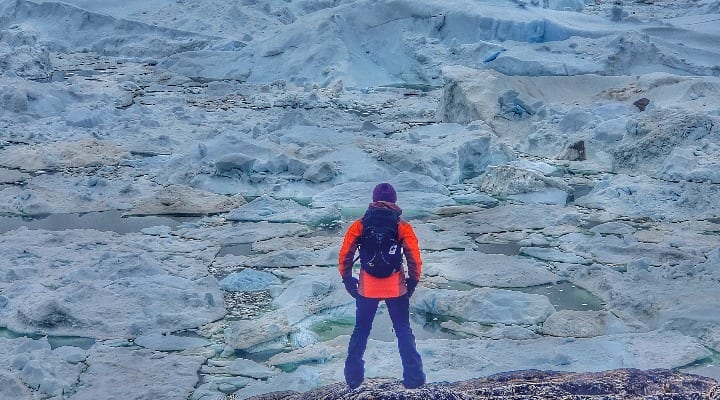
In Greenland
Riza Rasco
She also notes some of these places are underrated. For instance, stereotypes about poverty in Ethiopia gave her qualms about traveling there, but it turned out to be one of the most beautiful and diverse countries she has been to, with great landscapes, amazing food, and of course, it is the birthplace of coffee.
Selling the Philippines
Having traveled across both the world and the entirety of the Philippines, Rasco shares her opinions around how Philippine tourism can be stronger in the global landscape. She notes that the our country is actually one of the most difficult countries to visit for a tourist. A friend of hers, who is a tour operator and also one of the world’s most-traveled people, approached her when he learned she has visited every province in the country. “He was asking me, ‘So what can you recommend? What have you seen that I can put a tour together for?’”
And Rasco has plenty of ideas.
Summer in Iceland
Riza Rasco
“You know, we have Romblon,” she highlights. “It’s a very special place to me. With the marble industry, we can do a lot of things in that province to cater to tourists.” She feels that we have not been maximizing the potential of Romblon, that we can be like the Italians if we elevate the marble industry to cater to beyond religious art, which a sizable part of the industry relies on.
“It’s like a European city,” she muses. “It has a fort on top of a hill meant to protect the village. You can see what's coming from the sea. That's very European, that kind of structure. It's probably the only city in the Philippines that is very much like Europe.”
She then entions nearby Sibuyan Island. “It’s been labeled the Galapagos of Asia. In the history of how it was formed, it is very different from the rest of the Philippines, which separated from the mainland. Sibuyan…emerged from the ocean all the way up on its own. That's why it has different species. It's rich in biodiversity. There are a lot of plants, a lot of animals, and we can showcase them.”
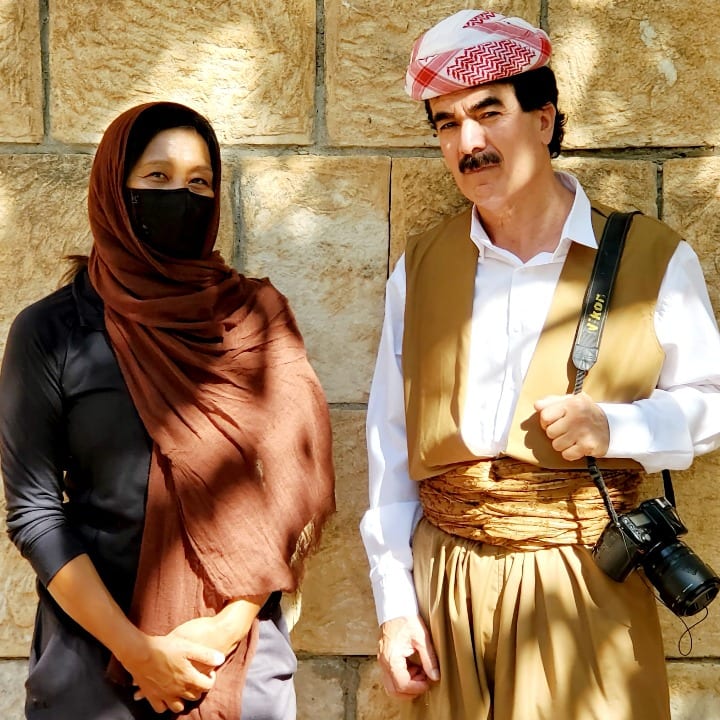
In Kurdistan, Iraq
Riza Rasco
Travel tips from a true professional
For one, Rasco documents her travels mainly with photos. “I'm a very visual person. And at some point, I was a little bit more serious about photography. And I had the whole gear of a digital SLR camera with all my lenses.” But getting serious about travel meant she had to start packing light. With phone cameras improving in quality, she later decided to get rid of all her camera gear and just carry her phone.
She also shares jet lag is rarely a problem for her. “Since I traveled full time, I never had to rush. I can stop wherever I want. I can stay in one place; if I feel tired, I can spend a day to rest. With the full-time travel, you know, you have a little bit of flexibility. So I feel like I don't have that pressure.”
First landing in Antarctica on her birthday
PHOTO: Riza Rasco
The caveat though is if she ends up being in a place that’s expensive. “Ang pressure lang is if one place becomes too expensive. You don't want to linger too long. But once I get to a cheaper place, then I stay a little bit longer. And then I take advantage of staying longer and resting.”
She also gives advise on how to pack light. Nowadays, she herself never brings any check-in baggage. “When I travel, I just have a backpack with me. Maybe sometimes I have a body bag as well. And it is really surprising how little you need in life in general.”
As such, she recommends wearing clothes that dry easily, such as sports clothes made of light material that doesn’t wrinkle or need ironing. “Kapag laba mo in the evening, the following morning dry na sya.” This goes for tops, bottoms, and even underwear.
For cold countries, instead of thick jackets or coats, she suggests working on layers. She also only usually wears hiking shoes and brings an extra pair of sandals in her bag.
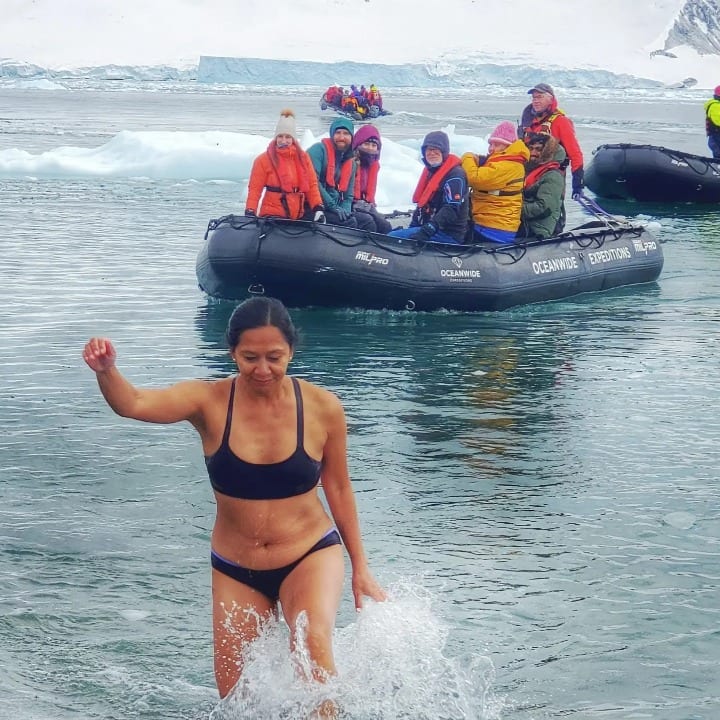
Doing a polar plunge in Antarctica
Riza Rasco
Giving back
As a successful global traveler, Riza has co-founded the Philippine Global Explorers. But its roots came from her time in Africa.
“I had a tour company there in West Africa,” she narrates. She set up a company that was a social enterprise, with the income used to help local communities. She trained African women to become tour guides, which is traditionally a male job on the continent. Raco is, after all, big on giving equal opportunity, and she ended up helping the women she trained find employment. “African women are particularly very strong women,” she notes. “You know, they also work in the fields, they carry heavy loads on their head. “
Then the pandemic happened, and she had to close down the social enterprise. At a cross-roads, uncertain about what to do, it dawned on her, “Bakit ko ginagawa ‘to sa Africa? Bakit hindi ko gawin to sa Philippines? And then, naisip ko rin there's a need to bring all the Philippine travelers together.”
With the Ma’da?n tribe, the Arabs of the Marshland, in southern Iraq
Riza Rasco
This became her motivation to form the Philippine Global Explorers, which is an organization that aims to bring all the most traveled Filipinos together from all over the world. They outlined criteria for membership. For example, one needs to have traveled to at least 20 countries.
“It wasn't only about bringing a community of travelers but using this network, their skills, to give back to our country. So essentially, I was copying what I did in Africa, giving back to local communities.”
The difference, of course, is that the group is composed of mostly privileged Filipinos.
“We can do something para lang hindi tayo matingnan na privileged people, privileged travelers. Let's try and give back. And with all the things we learned from traveling around the world all our privileges, all our skills, we can help our local communities. So that's what we did. Meron tayong mga taga-Zamboanga, taga-Tondo, tag-Romblon, taga-Cagayan Valley, taga-Lanao. They're all thinking of projects to help their own communities, and then they bring everyone together. It becomes a project ng PGE kasi all the members chip in and help out.”
In Apia, Samoa
Riza Rasco
Members pitch projects that aim to help struggling communities. “We can easily raise these funds within our community kasi andaming very generous people within our community. With those projects, we can raise enough money in order to support these kinds of projects. This is what Philippine Global Explorers is about.”
Sharing her adventures
The other thing occupying Riza’s time now is writing her book. The World is My Mirror: One Woman’s Global Journey To Reinvention is her traveler’s memoir that is set to be released this November 2025.
Riza Rasco
“It’s a reinvention story,” she shares. “It's targeting mainly people who are at the crossroads of their life, who want a change in their life. And this book would hopefully inspire them. So the arc here is the transformation, my transformation, and my reinvention story from being a scientist to now being a community builder, running Philippine Global Explorers and being involved in these service projects, which I'm a lot more happy to be doing.”
She believes we all reach a certain point where what we want in life may change.
“It’s just a matter of taking action,” she says. “It's embracing the unknown and the change. For me, travel was my vehicle for being able to embrace the unknown and learning a lot from all these places that I have visited and all the people I've met. I had a lot of reflections in life during my travels. So there are specific events, or places, or countries that gave me some inspiration or important reflections that made an impact in my decision. And I share it in this book.”
Riza Rasco
And to anyone who wishes to travel as she has done, Rasco believes you can always dream higher like she did, and that it is doable. “I'm living proof that it can be done with education. Education was my passport to the world. And hard work.”
Unforgettable moments
From bringing a Greek tourist to our own Agusan Marsh and staying with the Manobo tribe there, to driving in Saudi Arabia—one of the first and few women to do so when the country legalized it—to visiting the tragic site of Chernobyl, from eating steaks in Argentina and drinking wine in France to exploring Thailand and Kazakhstan, Rasco has pretty much indeed seen it all.
And so the question of what home now truly means for someone like her lingers in the air.
“After seeing the whole world, guess where I am? I'm back here in my country, and I decided to live and base myself in Tagaytay City.”
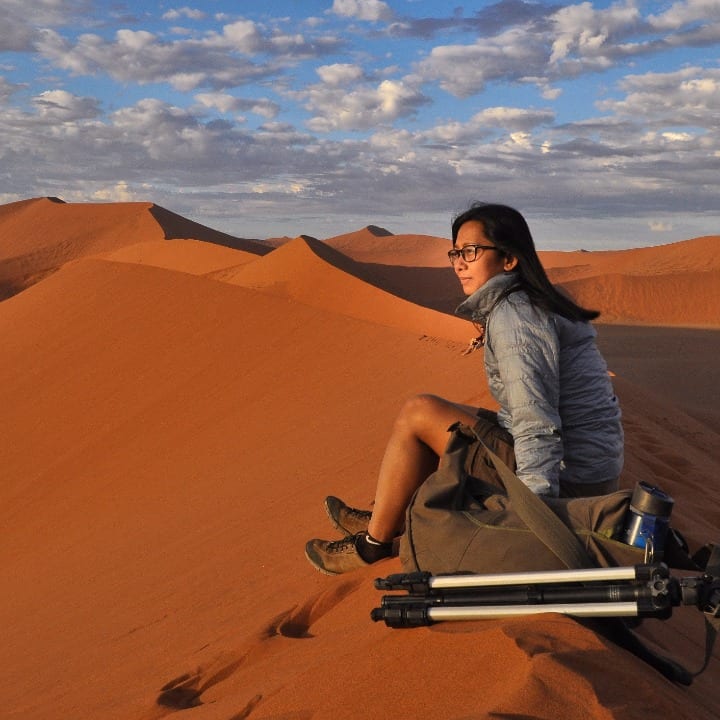
On top of Dune 45 in the Namib Desert in Namibia
PHOTO: Riza Rasco
Clearly, her roots in the Philippines still ground her here even as she has become a global citizen.
“I'm proud to be the first Filipino to both visit all countries and visit all (our) 82 provinces. That to me shows my dedication, not just to international travel, but not just to see the world, but also to see our country.”
Riza Rasco’s book, The World is My Mirror: One Woman’s Global Journey To Reinvention will be released on 4 November 2025. It is available for pre-order via Amazon.
We use cookies to ensure you get the best experience on Esquiremag.ph. By continued use, you agree to our privacy policy and accept our use of such cookies. Find out more here.