
Pope Leo XIV: Why He Chose That Papal Name

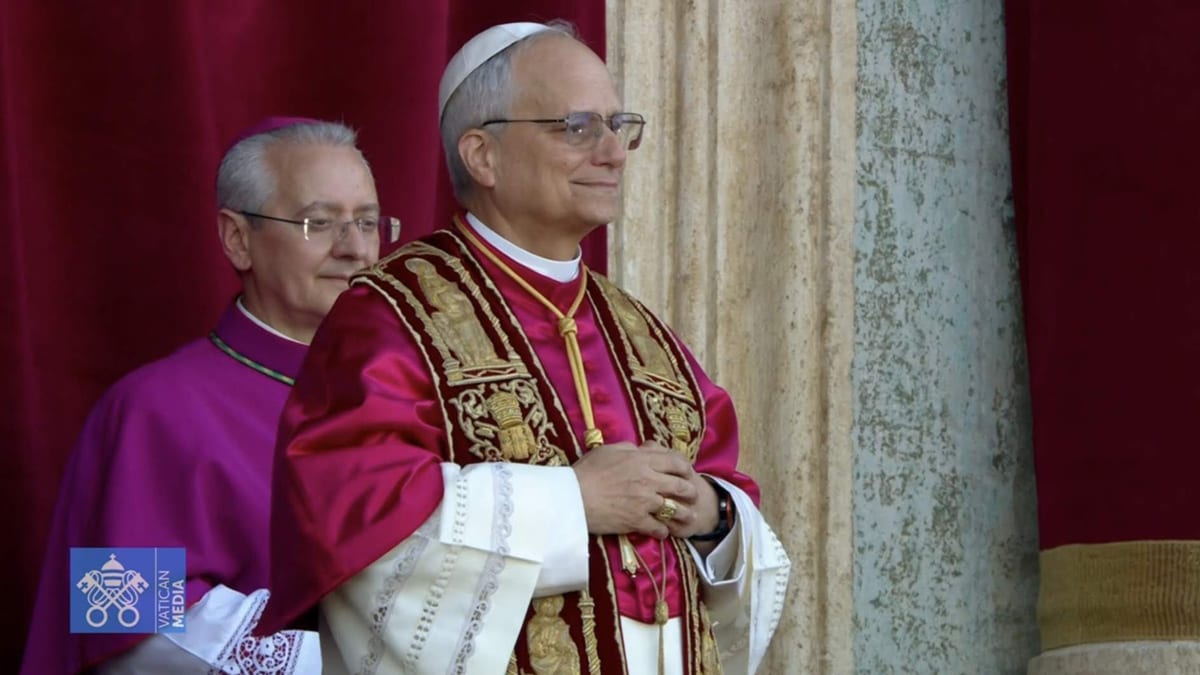
White smoke finally billowed from the chimney of the Sistine Chapel at 6:07 p.m. on the second day of the conclave at the Holy See, May 8 (Thursday, Vatican Time). It looked like the third time was the charm, after two black smokes were let out earlier in the day and the day prior. And when the newly elected pope finally came out of the central loggia of St. Peter's Basilica, it was a historic moment, even for Filipinos who stayed up past midnight to stream the special coverage.
Conclave-elected cardinal Robert Francis Prevost (69 y.o.), the prefect of the Dicastery for Bishops and president of the Pontifical Commission for Latin America, is the 267th occupant of the seat of St. Peter. He is the first Augustinian pope and the first Roman Pontiff from the United States, born in Chicago, Illinois, on September 14, 1955. His father, Louis Marius Prevost, is of French and Italian descent, while his mother, Mildred Martinez, is of Spanish descent.
He has a degree in Mathematics from Villanova University in Pennsylvania, where he also studied Philosophy. He entered the novitiate of the Order of Saint Augustine (O.S.A.) in Saint Louis, in the Province of Our Lady of Good Counsel of Chicago, in the same year, and received his theological education from the Catholic Theological Union in Chicago.
He was ordained a priest in 1982 and spent most of his time in Peru, first for an Augustinian mission in Chulucanas, then in Trujillo. In 2015, he was appointed Bishop of Chiclayo by Pope Francis (Jorge Mario Bergoglio); in 2020, appointed Apostolic Administrator of the Peruvian Diocese of Callao; and in 2023, President of the Pontifical Commission for Latin America, promoting him to the rank of Archbishop. He was created a Cardinal in September 2023, and assigned the Diaconate of Saint Monica officially in January 2024.
Prevost succeeds Pope Francis, who died on April 21, 2025. Interestingly, he is also the second Pope from the Americas, with Bergoglio as the first (though coming from the southern part of the continent).
Prevost took the name Leo XIV for his papacy.
ALSO READ:
From Buenos Aires to the Vatican: The Unexpected Papacy of Pope Francis
What's Inside The Vatican Walls?
How Popes Choose Their Papal Name
A papal name or pontifical name is a name chosen by the head of the Catholic Church during their reign. But this hasn't always been so, as popes in the early centuries just retained their baptismal names after election. Adopting a regnal name only began in AD 533, when Mercurius used the name John II. Articles surmise that it's likely because Mercurius, a major god in Roman mythology, isn't very Roman Catholic at all. The name honored his predecessor John I, the first pope to go to Constantinople and venerated as a martyr.
At the time, however, it wasn't mandatory, and the last pope to use his baptismal name was Marcellus II (Marcello Cervini degli Spannocchi) in 1555.
There is no system in choosing a papal name. It can come from an immediate or distant predecessor, mentors, saints, or family members. It can also be derived from the pope who elevated them to a cardinal. But in the mid-20th century, the choice of a papal name also signals a direction and vision of the new pope, how he intends to lead the Roman Catholic Church during his reign.
As of writing, the most frequently used papal name is John, with 21 popes. Gregory (16), Benedict (15), Clement and Leo (14 each), Innocent (13), Pius (12), Stephen (9), and Boniface and Urban (8 each) make up the top 10 most used names. Forty-four papal names have been used only once.
A newly elected pope gets asked his name right after the acceptance of the election. This is then announced senior cardinal deacon or cardinal protodeacon to the public.
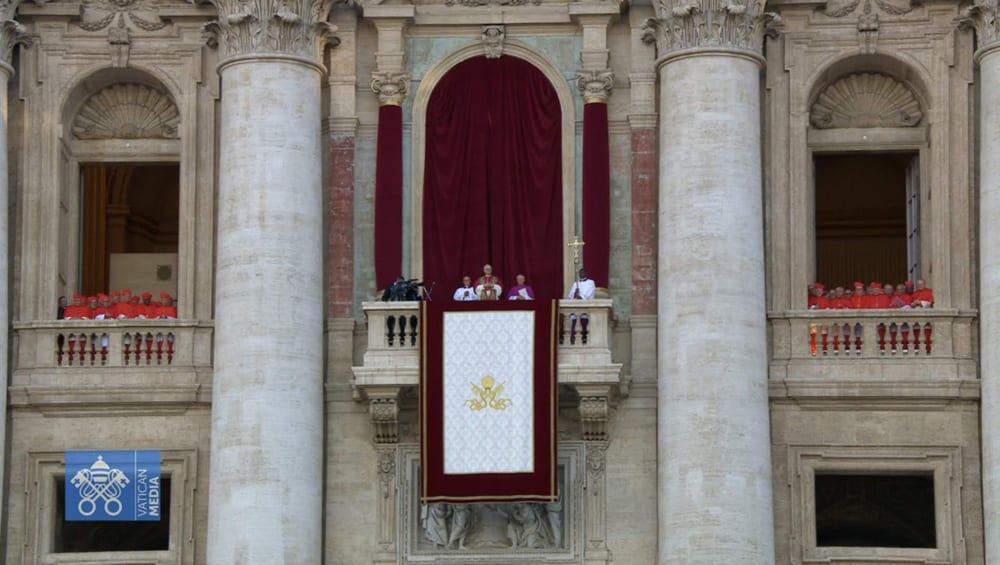
On the second day of the conclave, it was Cardinal Protodeacon Dominique Mamberti who announced the name of the new pope to the waiting crowd at St. Peter's Square.
"Annuntio vobis gaudium: HABEMUS PAPAM. Eminentissimum ac reverendissimum Dominum Robertum Franciscum, Sanctae Romane Ecclesiae Cardinalem Prevost, qui sibi nomen imposuit Leo XIV," he said from the loggia.
This translates to: "I announce to you a great joy: WE HAVE A POPE. The Most Eminent and Most Reverend Lord Robert Francis, Cardinal of the Holy Roman Church Prevost, who has taken the name Leo XIV."
Why the New Pope Chose Leo XIV, Honoring Pope Leo XIII
Matteo Bruni, Director of the Holy See Press Office, confirmed what people have been saying about Pope Leo XIV's choice of name. According to him, it was a clear and deliberate reference to Pope Leo XIII, author of the 1891 encyclical Rerum Novarum.
"In this context," Bruni said, "it is clearly a reference to the lives of men and women, to their work - even in an age marked by artificial intelligence."
Pope Leo XIII stood as a towering figure who navigated the Catholic Church through a period of profound change and upheaval. Born Gioacchino Vincenzo Raffaele Luigi Pecci, his papacy from 1878 to 1903 was marked by a steadfast commitment to the Universal Church amidst the seismic shifts shaking Europe. His life and work were a testament to resilience and foresight, providing a beacon of stability in an era rife with revolutionary fervor.
His groundbreaking document, Rerum Novarum, laid the cornerstone for modern Catholic social teaching, offering a visionary framework that addressed the pressing social issues of the time. It underscored the inherent dignity of workers and advocated for their rights, setting a moral compass for the relationship between employers and employees.
At a time of rapid industrialization and unrestricted capitalism, the encyclical boldly asserted that human rights within the workplace were essential for a just society. It emphasized that moral virtue, rather than material wealth, was the true measure of a person's worth. This notion of virtue as a universal inheritance, accessible to all regardless of social status, was revolutionary. It posited that virtue, wherever found, would lead to everlasting happiness, offering a spiritual dimension to the discourse on social justice.
The open letter addressed the condition of the working classes, where the primary concern is alleviating the unjust misery faced by most workers. Its relevance endures in contemporary discussions on labor rights and social equity. It calls for just work policies and practices that honor the dignity of every individual. The encyclical's message resonates with the modern quest for fair wages, safe working conditions, and the right to organize.
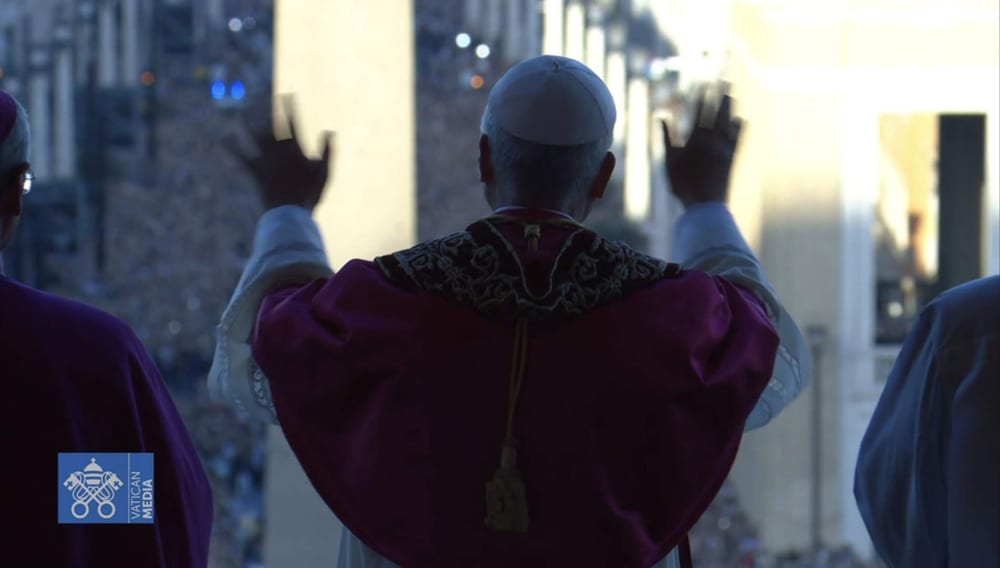
Pope Leo XIV's first words to the public as the Successor of Peter from the Central Loggia of St Peter's Basilica were: "Peace be with you!," referring to the first greeting of the risen Christ. "Allow me to continue that same blessing. God loves us, all of us, evil will not prevail," he added.
