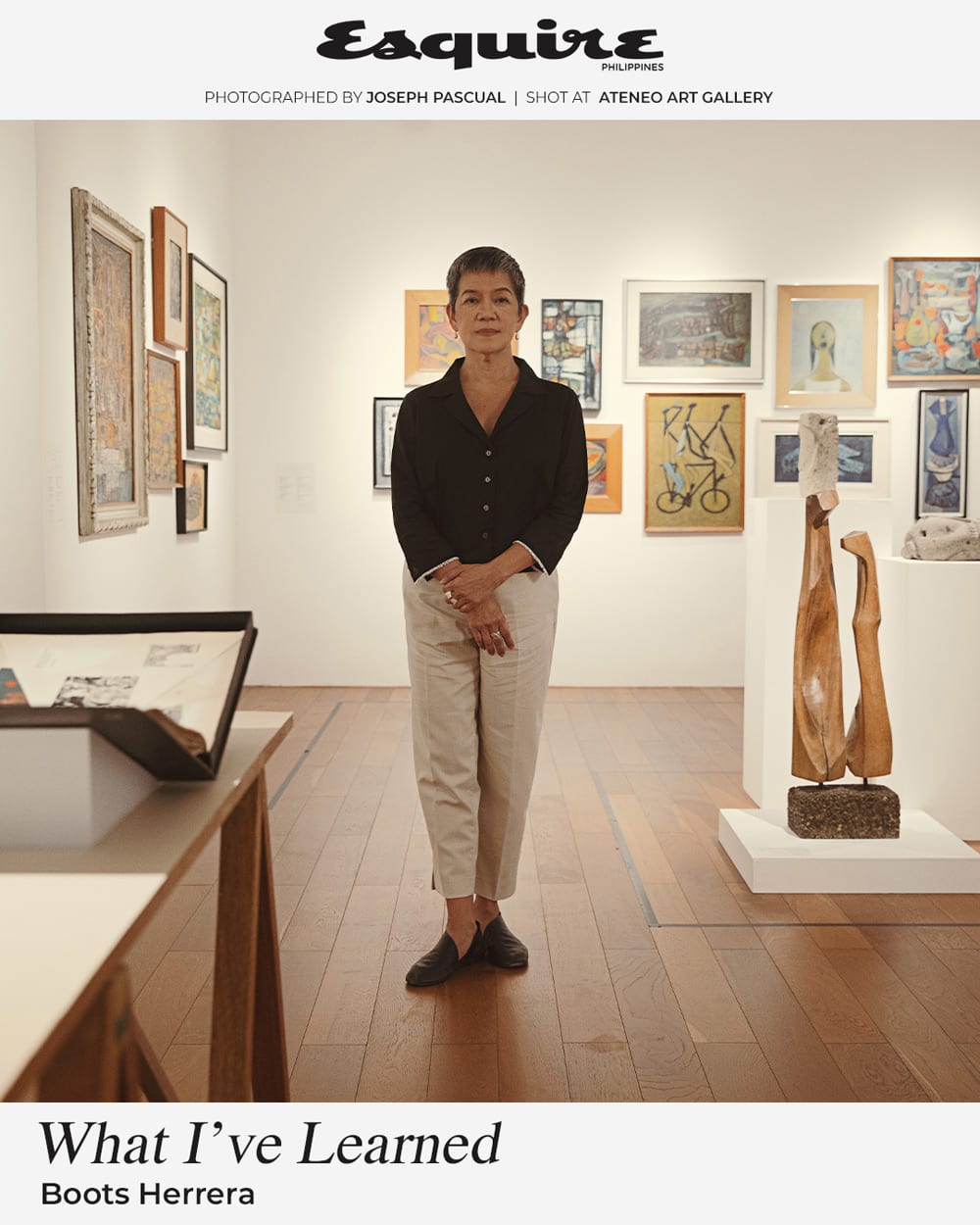
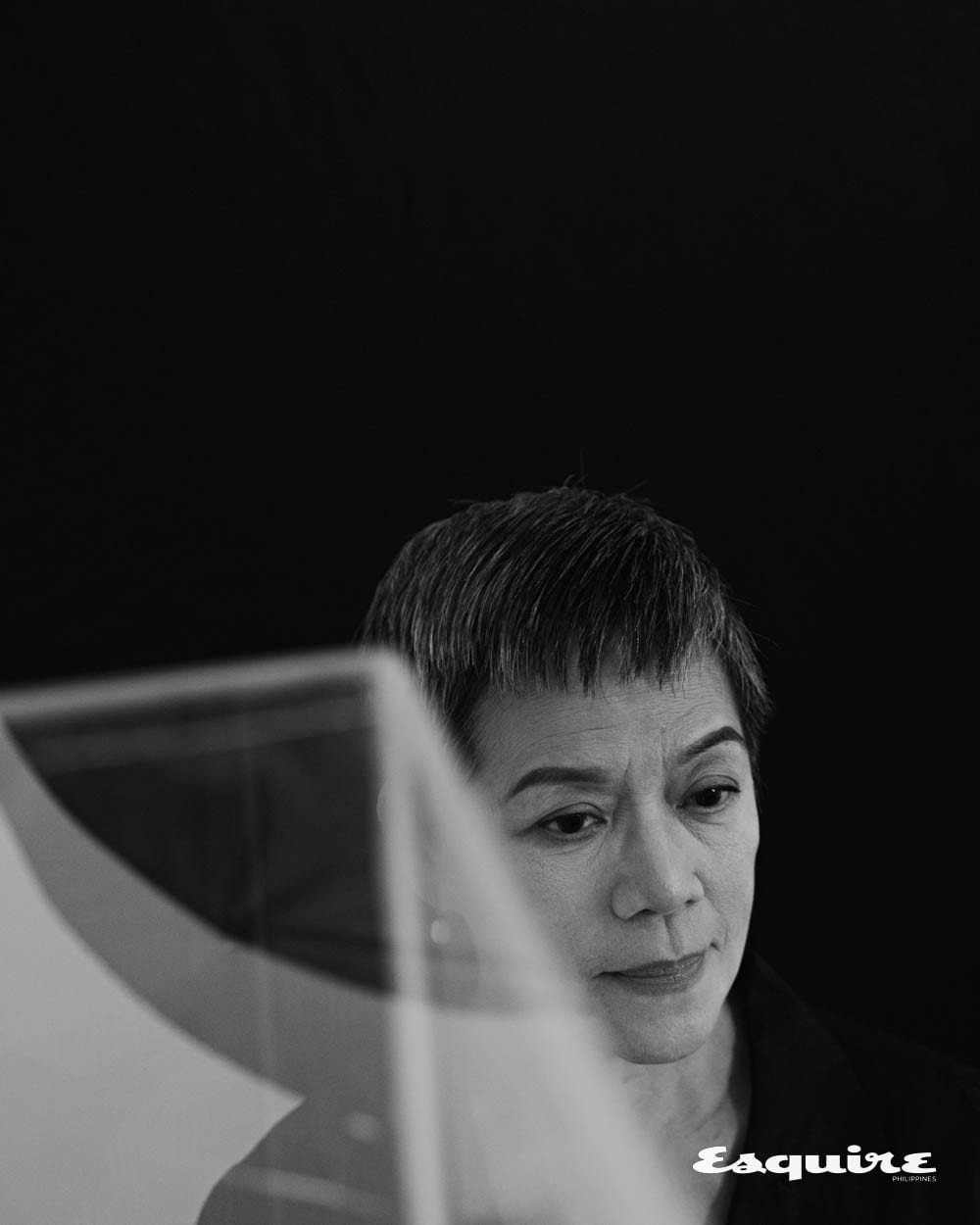
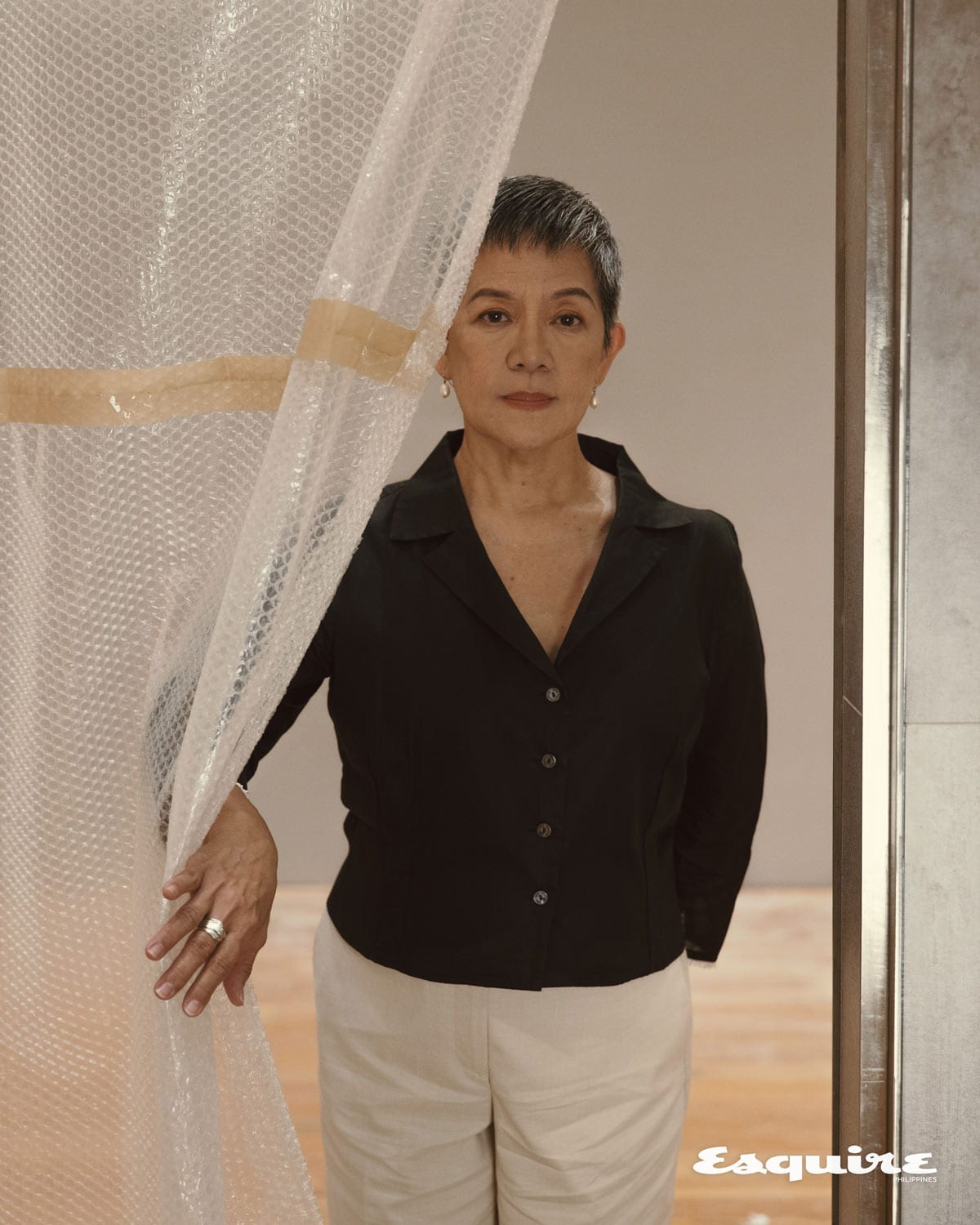
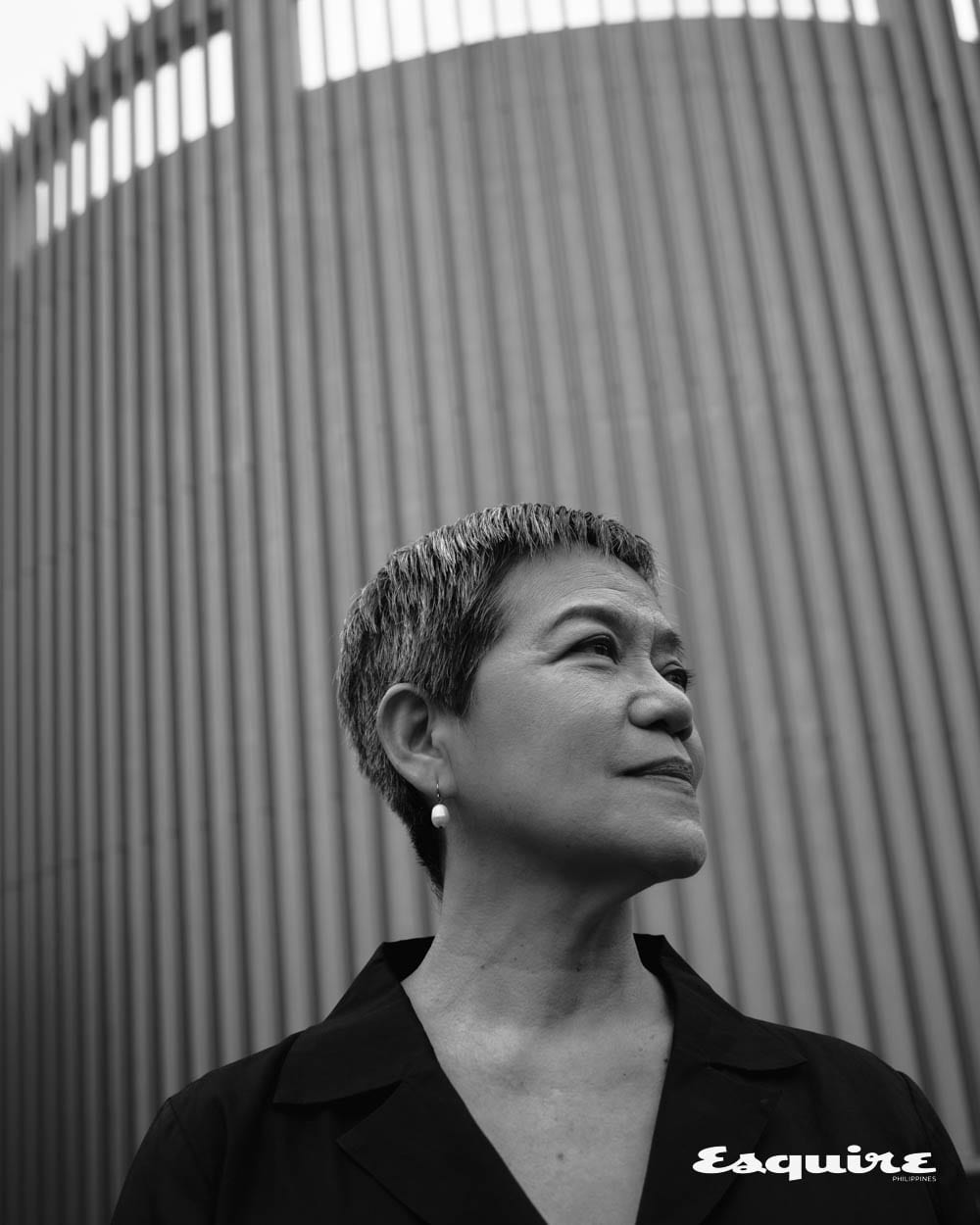
Stepping into museums and galleries, we experience art as finished pieces neatly displayed on walls or carefully arranged in spaces. But between the measurements from one canvas to another is an intricate process of decisions, research, and creative direction involving artists, institutions, and audiences. The curator serves as the intermediary in weaving these elements together, shaping how artworks are presented and experienced. At the Ateneo Art Gallery (AAG), the woman who is making it all happen is Director and Chief Curator Victoria "Boots" Herrera.
Her career in the arts spans about four decades, but she never thought that it was an industry she would find herself in.
Joseph Pascual
ADVERTISEMENT - CONTINUE READING BELOW
Herrera initially took up Political Science at the University of the Philippines - Diliman, then shifted to Economics. Having a genuine interest in one of her electives: The Classical Tradition in the Arts under Professor Deanna Ongpin-Recto, she almost shifted again—this time, to Humanities, Major in Art History. Never giving up, she spent three more semesters to earn a second AB.
After a short stint at a small gallery, she got into teaching: first, at the Philippine Science High School for about a year, then at UP's Department of Art Studies, where she would serve as a faculty member for over 20 years before moving to the other side of Katipunan. In between, she was seconded twice to the Cultural Center of the Philippines as Director of the Visual Arts and Museum Division: first from November 1995 to June 1997, then from January 2012 to April 2015. She officially joined the Ateneo Art Gallery in May 2015, about two years before they moved from a small space on the ground floor of Rizal Library to three floors on the Arts Wing of Areté.
CONTINUE READING BELOW
watch now
PHOTO: Joseph Pascual
In an hour-long conversation with Boots Herrera, we distill the most valuable lessons she learned, as well as the wisdom that she continues to teach to the next generation of curators:
On Working at CCP and AAG
There is a different sense of responsibility if you're working within an institution. You have to think of how your work and the way you conduct yourself reflect on the institution. That's also the way I would conduct myself as a curator.
Two projects at the CCP gave me a strong grounding in curatorial work. One was Edades and the 13 Moderns (1995), guest curated by Dr. Rod Paras-Perez (1934-2011). He was a very strict person. Has a very particular way of doing things. Very methodical. The idea of "puwede na," hindi pwede sa kanya.
The other was a retrospective on Architect Leandro Locsin. I would not consider myself to be part of the curatorial team, but I was there to make things happen. As a representative of CCP in that project, my task was to make sure that the ideas they put together were executed. That was another aspect of art management.
ADVERTISEMENT - CONTINUE READING BELOW
Every project is rewarding if it's properly done. I've been fortunate to have been part of many projects. The challenge is to get to the opening day.
I would tell my younger self to trust my instinct, trust the passion that I have, and not be too bothered with if I can make a living out of it. It's still something that I would remind myself of today: trusting my instinct. There are projects or instances when I waiver, I question myself, my decisions, but then in the end, tama naman.
A fulfilling career is being able to do what I love every day for 40 years. I'm blessed and privileged in that sense. There are downtimes and very challenging moments. But in the end, having to complete and realize a project and work with very good artists and curators are the privileges that we have in this position and in this institution. So I'm very thankful to be given that opportunity.
Joseph Pascual
On Her Core Values as a Curator
Curators should just be in the background because it's the artists and the artworks that really shape any project. The curator has a hand in that, but it shouldn't be about you as the curator. It’s basically having respect for the artist, the creative thinker. Being an art manager or art curator, you’re not higher. You're not the person who should be highlighted. It should be about the ideas that you want to present in collaboration with the artists and how they can be made accessible to the audience.
ADVERTISEMENT - CONTINUE READING BELOW
Any curatorial work is teamwork, even if I'm in the position of the lead curator. You will depend on other individuals and other members of the team.
I'm very mindful of ethical practice. In the museum world, that's a very important part of our profession, mainly because we curators have access to collections that can be used in different ways that can be taken advantage of. With the privilege of being able to work with collections, you have to establish checks and balances.
You're mainly stewards of these cultural treasures—the collection that’s entrusted to you, whether it’s a collection of an institution or a collection for a temporary exhibition. Sometimes, the boundaries can be blurred, and your personal interest may come before the interest of a project or of an institution—and we’ve seen that happen. Being stewards is different from owning it. We’re not the owners; we’re mainly stewards who will take care of them for future generations.
Whether the artist is still around or not, you have to respect the works. Sometimes, you're looking at good works, but if they're not well exhibited, it's actually not fair. You're not giving justice to the artworks and to the artist.
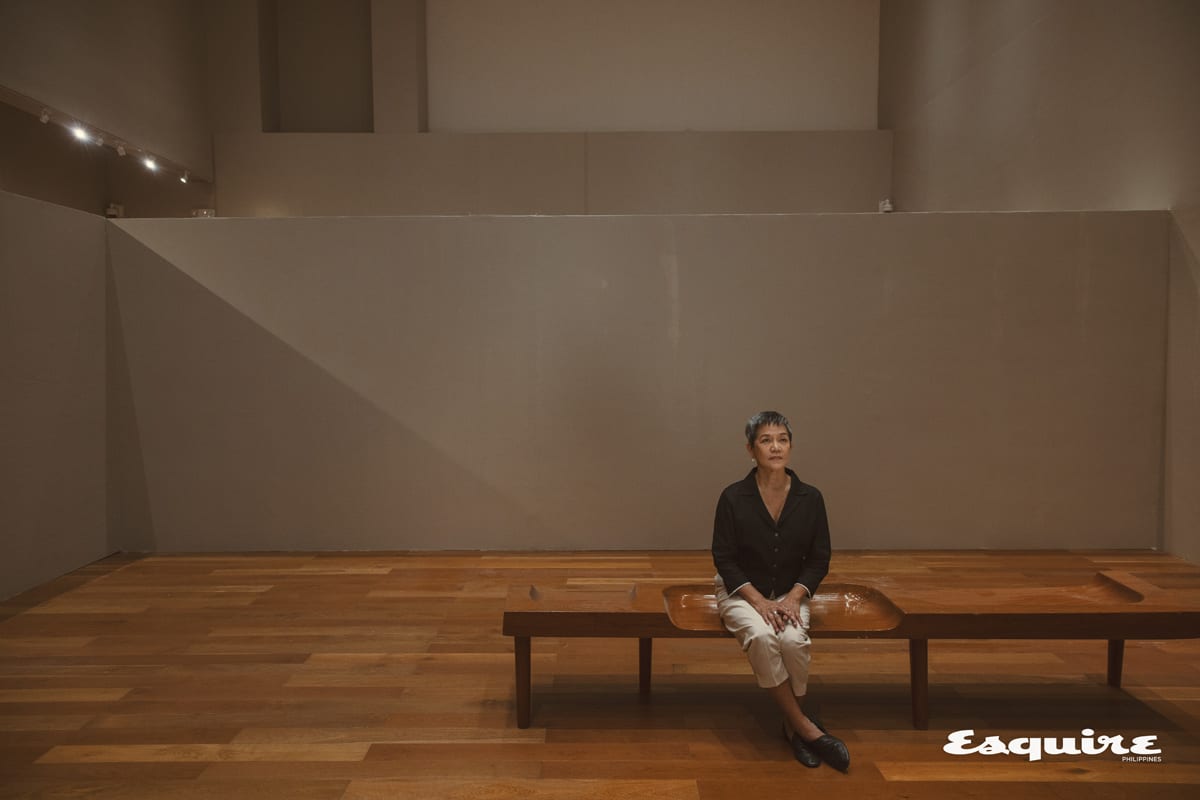
PHOTO: Joseph Pascual
On Museums, Galleries, and Art Writing
The museum is not just a space to be in awe of what you're looking at. We need to create conversations and encourage students and viewers to express their own opinions and questions. As a university art museum, it is important for the Ateneo Art Gallery to be assertive in creating programs that make that possible.
The words and language that we use are very important. Art by itself can be difficult for many people to understand. We should make it easier for them to relate to the ideas that we're tackling in any curatorial project.
Be direct and concise with your writing. It's actually more difficult to write in a simple and direct manner than using heavy words. The heavy words in art writing have their own place in academic journals. Exhibitions are not the place for academic writing. Otherwise, the ideas will just go over people’s heads. It’s a missed opportunity if you're not able to encourage that connection.
Joseph Pascual
On Her Observations of the Philippine Art Scene Throughout Her Career
It's a bigger art scene. There are more players now. More universities are now producing good artists, that's why there are more young artists. This really creates an exciting art scene.
There's also a resurgence of art initiatives, which are initiated by artists who are very established. Their objective is to give back to the community or to help young artists, which is a good development. It's not necessarily to direct how the young artists would develop their styles, but to how to navigate the art scene, which is something that they probably didn't have when they were younger.
Museums are also more active, especially in the expansion of programming. For our part, the Ateneo Arts Awards continues to encourage and pay attention to young, innovative artists.
Unfortunately, the art scene is also very much focused on the commercial aspect: the prices of artworks. Of course, that benefits the artists, the collectors, and the dealers. But it can give young artists an impression that it's what they have to aim for. I think that's where these initiatives by more senior artists can come in because they are able to guide the younger artists and show them that it's not about how much you sell your work. You have to prove yourself first.
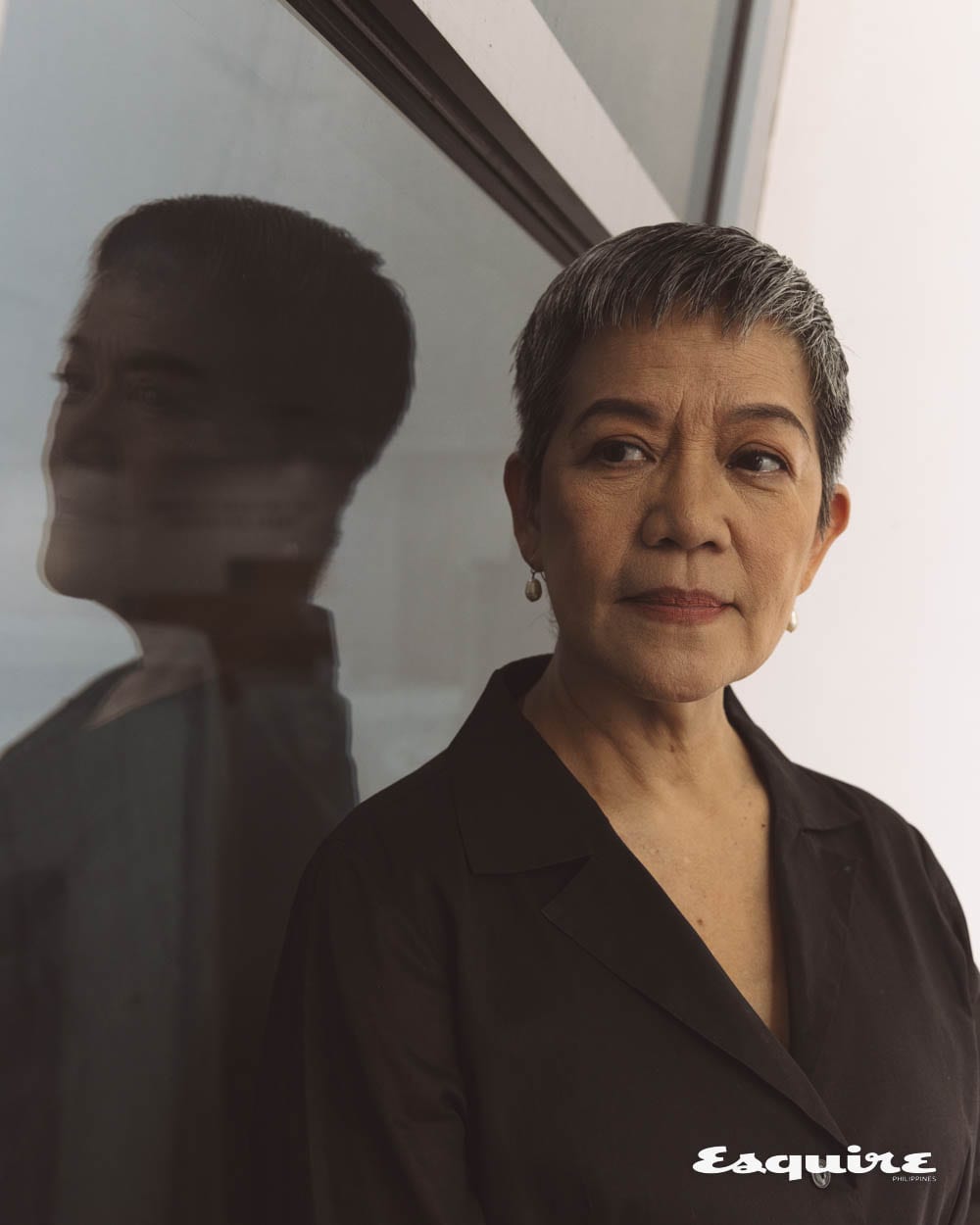
PHOTO: Joseph Pascual
On "National Identity" and Government Support
I think the question is: Do we have to have just one identity? Government policies of promoting "national identity" have been questioned. I think it's good to generate a variety of voices. That's what creativity is about.
What's important is to create room for growth among artists, whether they are young or established artists. We have to promote or encourage creativity, not just marketing the creative industry. Because if you don't, eventually mawawala ‘yun e. It's not just about how much they can earn in terms of income but how much creativity is generated in the different sectors.
In the visual arts, residencies are very important. We are able to give a few through the Ateneo Art Awards, but we can only do so much. It would be great if the private and the government sectors could pitch in and offer those kinds of opportunities to artists.
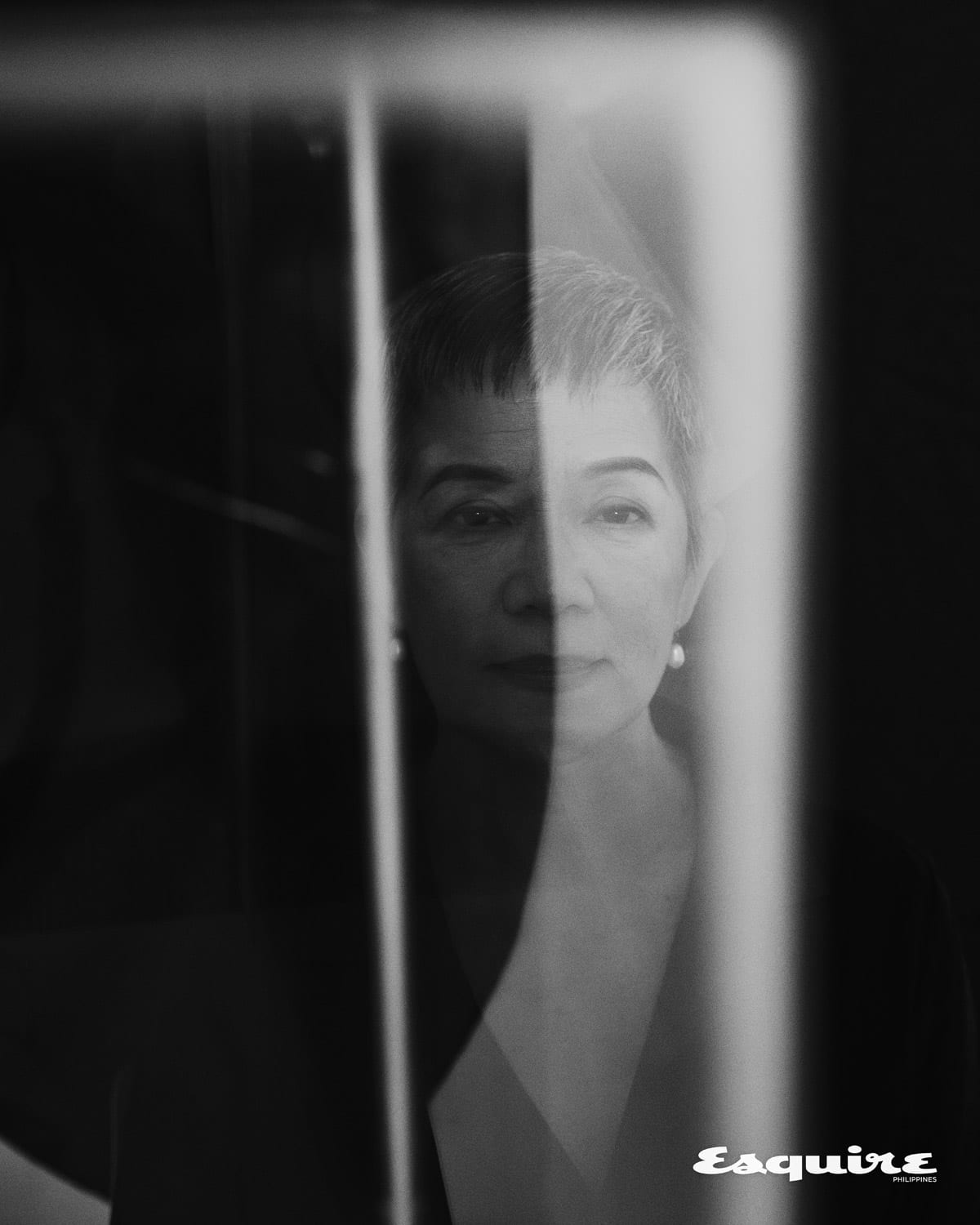
Joseph Pascual
Advice to Junior Curators and Arts Management Students
There are things beyond theoretical knowledge that are important in organizing exhibitions. Carpentry is very important, and I love doing it. It's a skill that I developed when I started working. Having a good sense of space is very important as well. Sometimes, they take it for granted. The dirty work is very important, and we need to go through that.
Be mindful of small details. The attitude of "puwede na" is unacceptable because, in the end, that will be apparent in the quality of the work that we do. Even the simple things, like finishing the surface of a pedestal. Be mindful of anything that needs to be corrected.
Compile your own toolbox. Those are literally the tools of the trade. You have to know how to hang a painting, how to frame it, and how to mount artworks. These are things that I actually learned in my first job as a gallery assistant. Recently, I had to do it again. Going back to the basics is very important.
Nurture friendships within the artist community. I continue to work with artists I've known for years. The friendship that we've had actually informs projects that I do with them kasi mas may laman. It's not like I'm coming from outside, coming from nothing. There's history.
The title or position of a curator has to be earned. It does not happen overnight. I tell my students, "You cannot call yourselves a curator after this class or even after you complete your degree. It's a lot of work, and you cannot rush it." For this generation and for a lot of curators practicing, it's easy for them to take on that title because it's fashionable, attractive, and has gravitas. But with that comes a lot of responsibility. Curators should empower artists, not overpower them or their works.
Story and production: Christa I. De La Cruz Photos: Joseph Pascual Video: Mig Mabanta, Jham Mariano Makeup: Xyrene Eugenio Hair: Lorna Matusalin Creative Direction: Igi Talao Editor-in-Chief: Paul John Caña
We use cookies to ensure you get the best experience on Esquiremag.ph. By continued use, you agree to our privacy policy and accept our use of such cookies. Find out more here.