

Financial Adviser: 5 Business Lessons Everyone Can Learn from the Founders of Baliwag Lechon Manok

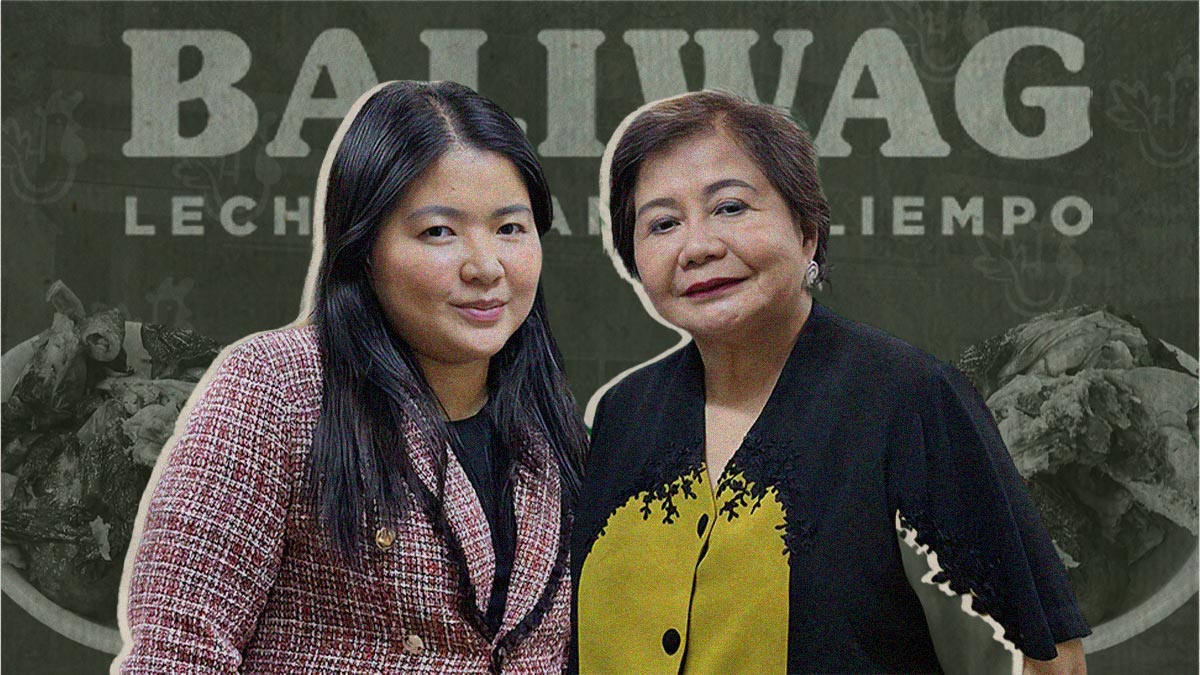
ILLUSTRATION: Igi Talao
The story of Baliwag Lechon Manok is one of grit, innovation and dedication to local cuisine. What began as a small business aiming to ride a popular trend grew into a lasting brand that has stood the test of time, becoming a household name across the nation.
Dolores and Edgar Dwight Salcedo started their entrepreneurial journey in the early 1980s with a Betamax rental shop in Project 8, Quezon City. At the time, Betamax tapes were a hit, but the couple noticed a growing trend in their area—lechon manok. Their street was busy with vendors selling roasted chicken, and the idea of entering the business caught their interest.
In 1985, the Salcedos borrowed money from their parents and opened their own lechon manok stall in front of their Betamax shop. They started small and managed both businesses, but as Baliwag quickly became more successful, the popularity of Betamax began to fade.
In the years that followed, Baliwag expanded steadily. The couple diversified their menu, adding liempo and other Filipino favorites like pancit, and barbecue. This expansion allowed them to cater to a wider audience and establish Baliwag as more than just a lechon manok stall.
Today, Baliwag Lechon Manok stands as one of the most recognized and beloved food brands in the Philippines. From its humble beginnings with a single stall in Quezon City, it has grown into a thriving network of over 500 outlets nationwide.
With their daughter Sarabeth Soriano now actively involved in the business, Baliwag Lechon is setting its sights on even greater milestones.
How did the Salcedos manage to make Baliwag Lechon Manok stand out in a market crowded with competitors when the business first started? How did they adapt to changing market trends and consumer preferences while staying true to the authenticity of their products?
Here are the five business lessons everyone can learn from founders of Baliwag Lechon Manok, Dolores Salcedo and Sarabeth Soriano:
ALSO READ
1| Know how to recognize and act on opportunities
Taking timely steps after identifying a trend is important for turning market insights into real business success. Recognizing a trend is only the first step; the true value lies comes from moving quickly to make the most of it.
Trends provide a roadmap of what’s already working. When entrepreneurs align their efforts with a popular fad or movement, they reduce the uncertainty of market acceptance, making it easier to gain traction quickly.
While trends may come and go, the experience and resources gained from acting on them can set the stage for future opportunities. Entrepreneurs can use this foundation to innovate and sustain their businesses even after the trend fades.
Dolores and Edgar Dwight Salcedo showed their willingness to take risks and pursue a business idea that aligned with the market demand at that time. Initially, they left their stable jobs to start a Betamax rental business, Sarah Betamax, in Quezon City during a time when Betamax tapes were highly popular.
When they saw the growing popularity of lechon manok in 1985, they leveraged their existing setup to test a new business idea by setting up a lechon manok and liempo stall in a space available in front of their Betamax shop.
The couple took calculated risks by borrowing money from their parents to start the lechon manok business, while managing their Betamax shop simultaneously. As the popularity of Betamax tapes waned, the couple pivoted their efforts by focusing entirely on the lechon manok business.
“When we were in college, mag-boyfriend na kami,” Salcedo says. “I used to work sa travel agency sa Escolta and my husband was an employee in a tile shop factory. Nag-resign kami to start a business. We started a Betamax rental shop in QC.”
“Betamax was uso. They named the Betamax shop after me, Sarah Betamax. It so happened their Betamax business was in Project 8, so it was the street kung saan ang daming litsunan na dumami, sa Shorthorn Street. So they decided, ‘Eh there’s space pa in front. There’s a big parking space, so lagyan natin.’ Since nandito naman na yung Betamax business nila, lagyan natin ng lechon manok dyan,” Soriano adds.
“Marami kaming suki dun eh, then nakita namin merong litsunan,” Salcedo says. “Yan yung trending at that time, nanggaya kami. That was the start. At that time, parang gusto lang namin makapag-concentrate sa business. Yung puwesto namin kasi nasa harap ng mga buses, yung yellow buses, sa West Avenue.”
“Yung lechon manok really became a fad in 1985, nagsulputan talaga lahat ng roasted chicken. So they decided, ‘Hey, why don't we try and put up our own lechon manok? So it was lechon manok and liempo, which they did. And they really started from scratch,” Soriano says. “They borrowed P10,000 from their parents, tapos yun so the suppliers and everything were really handled in our own house, in our own home. Dun sila magra-wrap ng liempo tapos from there kukunin ng delivery truck. This was all happening right in our own backyard in West Avenue kaya tuwing umaga the place was so busy. At that time, they had been married for about four years, and I was just three years old.
“The Betamax business went on for mga two years,” Soriano adds. “They didn’t close it when lechon manok was there, so it was both simultaneously—the Betamax was there and then the lechon manok. But when the lechon manok grew bigger, dun na sila nag-focus and, syempre, nawala na sa uso yung Betamax, so they didn’t continue it.”
2| Know how to differentiate and stand out in a competitive market
In a crowded marketplace, customers have countless options, and businesses must offer something unique to capture attention and build loyalty. Differentiation allows a business to establish its identity, communicate its value, and highlight what sets it apart from competitors.
Knowing how to differentiate is not just about competing; it's about building a brand that resonates with customers and creates lasting value. Businesses that understand this principle are more likely to thrive, even in highly saturated markets.
From the beginning, the Salcedos worked tirelessly to perfect their marinade through trial and error, with the help of her cousin, who had experience in roasting chicken. This focus on flavor became Baliwag’s defining characteristic, which kept customers returning and consistently set it apart from competitors.
The Salcedo’s commitment to improving their product was evident in how she continuously refined the ingredients and adopted a meticulous approach to ensure the final taste met her high standards.
To compete, the Salcedos made their lechon manok not only flavorful but also affordable. Initially priced at just P39, they offered great value to customers. As demand grew, they scaled operations and established reliable supplier partnerships to ensure a consistent supply of raw materials.
The Salcedos also differentiated Baliwag by expanding strategically. Edgar Salcedo focused on finding prime locations, while Dolores ensured operational consistency. After their first store performed well, they opened branches in Project 6 and beyond, growing steadily.
“Taga Baliuag kami pero ang (pwesto) namin dun different name. Nag-apply kami ng Baliwag Lechon Manok, Manuka Lechon Manok, Dolly’s, puro different names ang ginamit namin pero ang na-approve Baliwag Lechon,” Salcedo says. “Ginamit namin yung W sa Baliwag, hindi Baliuag, para original na spelling. Pilipinong-Pilipino.
“Yung nag start kami, nagte-taste test kami with my cousin kasi naglilitson manok na sya noon sa ibang lugar, sa Parañaque. Isang branch pa lang kami nun, noong 1985 sa may Project 8, sa awa ng Diyos, maganda ganda naman ang benta namin nung nag-umpisa. P39 pa lang yung presyo ng lechon manok, mura pa, tapos nag branch-out kami sa Project 6, then after that, sunod-sunod na. Yung husband ko ang naghahanap naman ng mga location nun. Mga after four years, nag-start na kami maglagay ng sunod-sunod.”
“They got the panimpla, the marinade, from trial-and-error, with my mom's cousin na mahilig magluto,” Soriano adds. “My mom naman mahilig talaga sya mag trial-and-error. Magluto-luto so parang, try natin, ganyan, ganyan until they got the marination and they tried to perfect it. So it was really like starting from scratch, doing their own thing and formulation talaga. Yun yung ginamit nilang marination for the first store.
“The first store did well daw but they had early challenges like how do you stand out from all these people, kasi nga dun sa Shorthorn street sa Project 8, ang dami nagbebenta rin ng lechon manok and liempo, so that's where the challenge was.
“The initial challenge was where to get the suppliers for the raw materials because they couldn't keep up with going to the wet market every day and doing it themselves kasi the supply was getting bigger. Tapos ang hirap naman na every morning they had to go there. And they had two toddlers with them in the house, so it was a challenge.”
“Marami bumibili samin kasi pag may mga fiesta,” Salcedo says. “Nakakain daw sila, hinahanap nila yung taste na yun. Yun pala sa Baliwag Lechon manok. That's the difference. Gusto nila yung taste nung lechon manok namin tapos ini-improve namin yung ingredients. In-improve namin ng in-improve lahat, parang Chinese style. Yun ang naging parang sikreto namin. Yun ang parang naging diperensya namin sa kanila. Laging ganon. Even naman ngayon, yung ready to eat namin, puro ganon din, ako din ang final taste. Mahilig ako sa mga food na Filipino.”
“My mom, she is really hands-on with the taste and what to do,” Soriano says. “She knows what she's doing. Nagluluto rin sya ng mga very simple Filipino food lang, mga ganyan, pero very particular talaga siya with taste like, ‘Oy eto dapat ganito. Ito kulang sa ganito,’ so I could really see her persistence. Yung step by step kahit hanggang ngayon, even if we try to formulate new, new like the sauce. Yun talaga, she doesn’t get tired and di puede yung pwede na yan.
“If you try our chicken, pwede ipanlaban yung lasa. So we really think it's the taste. When the business was growing, my parents were very hands on. They were there every night, every day. Very consistent and sobrang dedicated sila that they were always there checking the taste. So I think that's what really just stood out kasi, obviously ngayon halos wala ng lechon manok there, konti na lang siguro yung natira dun sa Shorthorn street.
“Yung medyo dumami na yung branches namin na naging 10 stores na dati, umiikot talaga kami every night, tapos hindi na kami sa Shorthorn nakatambay. We didn’t stay there na for a long time kasi umiikot na eh. Driver yung daddy ko tapos yung mommy ko would go there to get the cash.”
3| Know how to grow beyond the comfort zone
Growth requires calculated risks and a willingness to step into the unknown. By pushing boundaries, businesses can unlock their true potential and achieve success that would not be possible by staying within their comfort zones.
Breaking away from familiar territory enables businesses to explore untapped markets and introduce new products. Venturing into unfamiliar areas often uncovers opportunities that might otherwise remain hidden. This proactive approach promotes a growth mindset that equips companies to adapt and thrive in a constantly developing market.
The Salcedos ventured into new business models while staying true to their core values. With their daughter, Sarabeth Soriano, co-managing the company, the couple explored the idea of expanding into food court outlets and full-service restaurants.
Instead of sticking to what they already knew, they embraced the challenge of creating combo meals by smaller portions like one-fourth chicken with Filipino side dishes such as sisig, pansit, and chopsuey. This menu catered to the preferences of mall customers who sought convenience and variety.
Entering the highly competitive food court setting also pushed them to innovate in areas like food presentation and pricing strategies, which were less critical in their kiosk model.
“I graduated when I was 21,” Soriano says. “I finished Legal Management in Ateneo, because I thought of being a lawyer, pero I didn't push through with it kasi nag-business na ko to help my family. I know a lot of kids of business owners na, the more they don't want to get into the business, may ganon, but not for me. When I was growing up, I wanted to help, tapos right after college, I knew what I wanted, and even if I did become a lawyer, I would probably be a lawyer for the company, so it was really for the family business.
“I started with the food court in the mall. Because at that time, we didn't have outlets in the mall, tapos we only had probably like one or two na grill and restaurants, so I focused on the grill and restaurant and the food court kasi the kiosk it was all there na. It's really just more of expansion na lang.
“It’s called ‘Baliwag Lechon Manok Atbp,’ pero may combination meals, tapos nag-expand na kami na puro Filipino meals, you can order the chicken with sisig, chicken with pansit, chicken with chopsuey, mga ganyan, so that's when it started.
“At that time, it was all new to us. We’re not used kasi to this set up. We used to sell whole chicken, so this one is one-fourth chicken, or half chicken—it's very different and it's dine-in. So syempre it's different plating, different presentation. Dati kasi it's all buong manok lang na nasa plastic, so now it's all different na, combo meals na. Tapos ang dami nyo ring competition in the mall, right?
It's very competitive in the food court, and not just the price—it’s very visual. Because people are walking, so it’s very visual na kung ano yung what catches their eye. So it’s not just about the kiosk. That’s one difference, kasi yung ayos ng pagkain mo, yung display, it matters. So yun, that was a very big change because we didn’t use to do that much with the kiosk, right? So that was something I had to learn.
“You had to observe the competitors kasi we're new, so we can’t pretend na, ‘Uy galing kami sa kiosk alam na namin to, kaya na namin to.’ No, we don’t approach it that way. We really approach it like, we really need to learn. We need to know the price point. We need to find suppliers who will allow us to sell at this price. You know, we can’t buy from suppliers na masyadong mataas ang price na hindi natin mabebenta ng mas mura.
“Thankfully, we had that advantage kasi may pangalan na yung kiosk, so I was very lucky in that area kasi when we started there, people had some recall na of what Baliwag is. Tapos magugulat na lang sila, ‘Uy may iba na palang ulam dito’ or ‘Uy pwede one-fourth na manok lang or one-fourth na liempo and then we can choose whatever food that comes with it.
“So there, and we also had to think of the food. We had to stay with the Filipino brand because, you know, like our vision is always the salo-salo and stuff like that—yung salo-salo ng pamilya, ng barkada. But we have to sell it also na Filipino, pero hindi naman pwede na lalagyan natin ng walang American food don, so we have to stick to the Filipino na concept ng Baliwag.
“My parents were very open with what I can do. They didn't tell me na you should do this or do that, but then I guess it was my exposure na rin, because I grew up here, and I liked it. I had no bad experience na, ‘Oy, ayoko gawin yan, masakit sa ulo.’ It wasn't like that because I could see how my parents handled problems. They didn't let the problems bring them down.”
4| Know how to innovate while maintaining quality
Aligning innovation with a brand’s commitment to quality is important for sustaining trust and promoting customer loyalty. Innovation introduces fresh ideas that adapt to changing market demands and consumer preferences. However, without a strong commitment to quality, these new developments risk diluting the brand’s reputation.
When innovation aligns with quality, customers are more inclined to embrace new products, confident that the brand's standards remain intact. Moreover, it also reflects a brand’s ability to adapt responsibly.
Because using charcoal was prohibited in malls and other enclosed spaces, the Salcedos adapted by employing machines designed to mimic the effects of charcoal grilling. This ensured that the flavor remained consistent that satisfies customers’ expectations for the distinct taste of their roasted chicken.
In addition to adjusting cooking methods, they also refined their product presentation and packaging. The sauce, an important component of their brand, underwent trial-and-error development to achieve the perfect flavor. While the original recipe was preserved, they improved its packaging to ensure freshness and convenience.
"If you go to our kiosk, we use charcoal, but in the mall, bawal ang charcoal,” Soriano says. “Sobrang bawal doon, so we use electric. That’s a very big difference for us kasi sanay na sanay kami sa charcoal. We all prefer charcoal because the food is mas malasa. It’s crunchier, it’s juicier, but we cannot use charcoal in the malls, in restaurants, or in buildings, so we have to use machines.
“Yung machine, may design lang na parang charcoal, pero machine pa rin. You can’t really use actual charcoal. Yung ihawan namin, It’s so big, eh hindi naman pwede ipasok yun sa mall, tapos mas mausok, diba? So yun ang isang problema.
“Para sa amin, we would really prefer to use charcoal if we will be given a chance, so kahit meron kaming dine-in na restaurant, kunwari kung pwede kami mag charcoal, magcha-charcoal kami. I think anyone who cooks would know na mas masarap kapag charcoal.
“I think organic kasi yung lasa kapag charcoal ginamit. I think the charcoal also gives its flavor kasi even if you see sa mga ibang nagluluto, parang mas may flavor talaga pag charcoal, yung inihaw flavor. Iba talaga yung lasa kahit na barbecue charcoal, mas masarap talaga.
“Yung sa sauce naman, it's trial and error talaga. We use liver sauce. We didn't have any outside suppliers whatsoever who developed it for us. Walang ganoong nag-offer na, 'Oy, kami mag R&D for you.' So it was really my mom. Ngayon, ang na-improve na lang siguro is yung packaging. Dati, our sauce was really in plastic na, yung mano-mano tapos tinatali. It was really like that.
“Tapos ngayon, we just improved it with better packaging, so more automated. Yung packaging namin ngayon zip lock na, so you know we just try to improve it like that pero the taste, even the atchara, if you try the atchara, it's still the original. Dati kasi yung atchara libre lang sa manok, so now we came up with the bottled atchara.
“Yung sauce, hindi naman namin pinu-push na it has to be the sauce. The goal is that you can eat it even without the sauce, but it's better with the sauce if you want it. Nagkaron kami dati ng blind test sa TV. Blind test siya, it was a big event na ang daming ibang players. Tapos ang nanalo Baliwag, so dun nakita din namin na it’s really the taste. The real goal is juicy sya, malinamnam, malasa sya, and masarap talaga sya and its not just for that, but also for the liempo
“Nung pandemic, we came up with so many new products, which the people wanted kasi syempre iba na yung market nun. We came up with ready-to-heat products, so the food in the restaurant and the food court, we made it into frozen kasi nga a lot of people weren't going out, so we had the sisig, the laing, the bopis, or kaldereta, lahat. So it was all frozen na and now we sell it in the kiosks. So all in one na yung kiosk now, meron na rin silang ready-to-heat food.”
5| Know how to leverage competition to strengthen the business
When businesses pay attention to their competitors, they gain valuable insights into market trends and consumer behavior. This knowledge allows them to identify areas for improvement and differentiate their products or services.
Competition promotes innovation. By observing what competitors are doing well, businesses can adopt new strategies and create superior alternatives. It also encourages companies to think creatively about how to deliver better value to customers, whether through pricing, quality, or customer service.
Moreover, competition motivates businesses to maintain high standards. In highly competitive industries, resting on past successes is not an option. Businesses must continuously improve to stay relevant, and ensure they meet or exceed customer expectations.
Instead of fearing competition, the Salcedos viewed it as proof of market demand. They recognized that the presence of new competitors indicated a thriving market, which motivated them to improve further. Regular feedback from supervisors about competitors in different areas also helped them stay informed and adapt to changing market conditions.
They capitalized on competition as an opportunity to broaden their reach and attract both high-end buyers and mass-market consumers. Their ability to appeal to various demographics strengthened their market position
The Salcedos ensured their prices remained competitive by monitoring their competitors' pricing and positioning. They also acknowledged the inherent risks of competition but focused on minimizing losses.
“We compete on quality and the taste kaya we've been trying to innovate it,” Soriano says. “We make use of newer technology para consistent yung lasa. Oo, kasi diba malaki na yung quantity, yung production so we can’t keep it as consistent kung konti lang, ok lang baka pwede lahat. So now, we use innovation like machines to keep the quality and the seal. Kaya we have the new zip lock packaging para fresh. Mas fresh yung pagkain even when it's delivered. We have the freezer van para fresh talaga yung products namin. And yun nga, we use yung technology kasi para mas consistent yung taste.
“We check the prices of competitors kasi kailangan. If we really can't bring down the price, it's not a problem. We trust the brand na kung mas mataas kami, okay lang pero we can’t be too far off kasi, of course, we're very aware of our market. So we don't want to be too expensive.
“I always say we welcome competition kasi it means marami may gusto ng manok. Magugulat ka na after all these years, di ba? From the fad nung 1985, andami pa ring nagsusulputan na bago. Ang dami. Masaya nga kami kasi dumadami, sobrang dami.
“When we had meetings, syempre hindi naman kami nagpupunta sa Cavite. Yung mga supervisor namin sasabihin, 'Ma’am, may nagtayong ganito, ganyan.' Parang ang dami, so it’s good kasi ibig sabihin may gusto ng tao, may demand. We’re happy na gusto ng tao yung manok.
“Everything is a risk. We just try to minimize it, so we really try to look at and get the feel of the place, the residents, the market, the offices. We just try to minimize the risk, but you know, there's really no guarantee. There's no 100 percent na, ‘kikita ‘to ng malakas’. There's no such thing, so we really just try to minimize it.
“If an outlet is losing, we try to give it a chance for even a few years, but we do close stores. We're not yung ayaw namin magsara basta lang dumami. We're not like that because my dad always would say we have to cut our losses. He really believes in cutting losses pag hindi na kumikita yung store. I mean, we try to give it our all, as in pinipiga namin. We really try to saturate what we can do for the store—kung papagandahin ba namin yung store pa or we have to give marketing materials.
“Because, you never know. Sometimes there's just really a broken road, may road construction kaya sya mahina. Or maybe in a year, mawala yung road construction, then it might get better. People can just pass by the road, so we try to give it a try.
“Right now, my priority really is to expand the business. That’s what I'm really trying to work on and also to make Baliwag more of a household name. Well, parang household name naman na, but more pa, like how do we make it more accessible to people and not just certain demographics? We want to be accessible to everyone because our priority ever since was not just for the family, kasi syempre, we used to sell whole manok, so it's not just for the family, but also for the barkada.
“Personally I like reaching out to different demographics. Marami na din kaming high-end na bumibili eh. Nung nagmamahal yung chicken, we noticed talagang medyo dumadami yung high-end buyers, so actually it's really all classes now. We're happy with that kasi we get to reach different target markets. Actually, wala na ngang target. Yung market na lang and we're happy to reach that market.”
Henry Ong, RFP, is an entrepreneur, financial planning advocate and business advisor. Email Henry for business advice [email protected] or follow him on Twitter @henryong888
