

Financial Adviser: 5 Business Lessons Everyone Can Learn from Chef Florabel Co-Yatco, Founder and CEO of Florabel Group of Restaurants

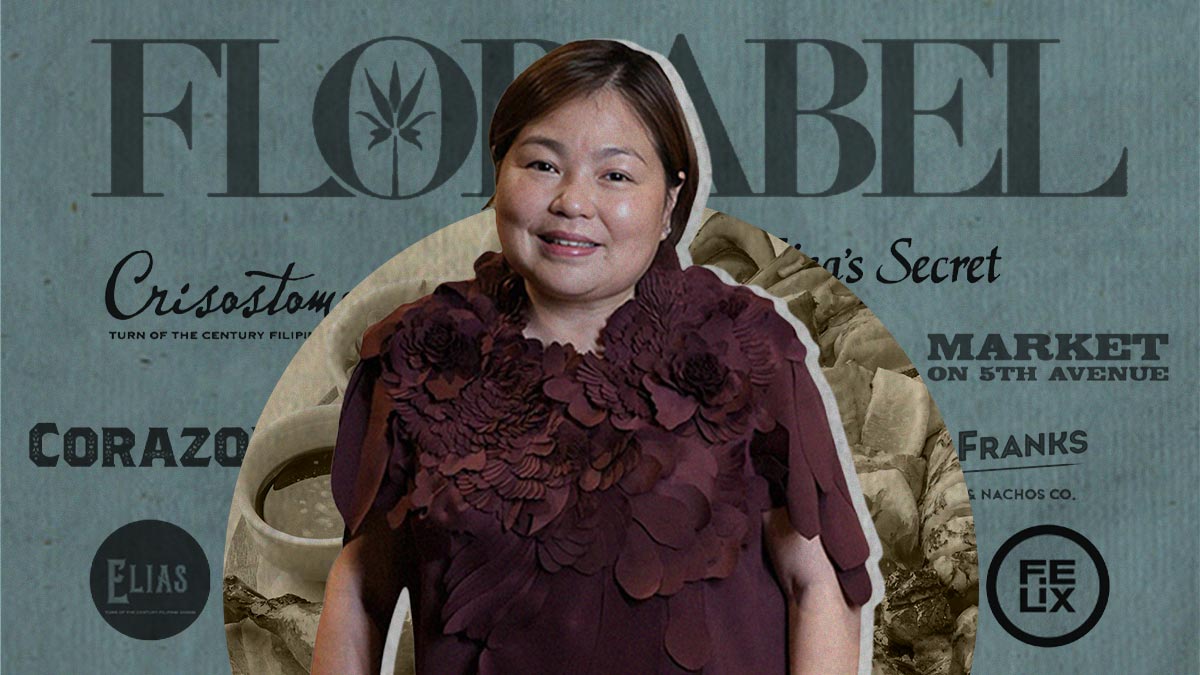
ILLUSTRATION: Igi Talao
Florabel Co-Yatco's journey from a young aspiring chef to becoming a celebrated restaurateur began during her college years at UST, where she completed a practicum with the legendary Glenda Barretto of Via Mare. Working as Barretto’s protégé, she honed her culinary skills and developed a deep appreciation for different cuisines.
After two years, she joined Le Soufflé, where she had the opportunity to work alongside renowned chefs Billy King and Jessie Sincioco. Over the course of eight years, she developed her abilities, mastering the art of fine dining while also exploring and experimenting with various cuisines during her free time.
In 2005, an opportunity presented itself when Steven Tan, then the mall manager of The Podium and now the president of SM Supermalls, offered Yatco a prime space in the mall. Seizing the chance, she launched her first restaurant, aptly named Florabel. The establishment quickly gained a loyal following, which attracted food enthusiasts and celebrities alike.
Among its notable patrons was Kris Aquino, who frequently dined at the restaurant and even invited Yatco to appear on her TV show. This exposure significantly boosted the restaurant’s popularity.
Seven years later, in 2012, Kevin Tan of Megaworld invited Yatco to open a restaurant in Eastwood City. Initially considering another branch of Florabel, she suggested to open a Filipino restaurant to cater to the mall’s clientele. This led to the creation of Crisostomo, a restaurant that celebrates Filipino heritage through innovative dishes and nostalgic ambiance. Crisostomo’s success cemented Yatco’s reputation as a visionary in the culinary industry.
Today, Florabel group of restaurants operates 25 outlets under various brands, including: Crisostomo, Florabel, Sisa’s Secret, Corazon, and Mr. Franks. Each brand reflects Yatco’s commitment to quality, innovation, and a celebration of diverse culinary traditions.
How did Yatco grow her single restaurant into a thriving group of diverse dining concepts? How did she ensure her restaurants remained competitive in an industry with constant new openings over the years?
Here are the five business lessons every entrepreneur can learn from Florabel Co-Yatco, founder and CEO of Florabel Group of Restaurants:
ALSO READ
1| Know how to gain the right skills and experience before launching a business
Developing the right skills equips entrepreneurs with the tools they need to handle the various aspects of running a business, while experience provides the practical knowledge to apply these skills effectively to minimize mistakes and inefficiencies.
A strong skill set and relevant experience earn the trust of customers, investors, and partners. They reflect competence, professionalism, and a dedication to providing value, all of which are essential for establishing a successful brand.
Yatco’s path to becoming a successful restaurateur was a deliberate and carefully planned process, built on years of experience and a strong foundation of skills. From the very beginning, she prioritized learning and growth, which ensures that she was fully prepared before venturing into her own business.
Her experience from Via Mare exposed her to the fundamentals of Filipino cuisine and the inner workings of a reputable restaurant, while her tenure at Le Soufflé gave her hands-on experience in every aspect of running a restaurant, from kitchen operations to management.
Before opening her restaurant, Yatco tested her capabilities by cooking and catering from home. She took on projects like preparing South Beach diet meals to gauge whether she could handle the demands of entrepreneurship. This phase of her journey allowed her to refine her skills and build confidence in her abilities.
Yatco embraced the importance of starting small and learning from others. Her resourcefulness and strategic mindset enabled her to overcome challenges and build a sustainable business.
“Nung nasa college ako sa UST, nag practicum ako for one year with Glenda Barretto of Via Mare, tapos nag-work ako dun for one year as her protégé,” she says. “After that, I worked with Chef Jessie and Billy King at Le Soufflé for eight years. I rose from the ranks kumbaga, from regular na taga-balat ng gulay, to taga-sauté line to the head chef to the general manager, so I experienced everything in the restaurant.
“I’m a very extroverted person and marami akong kaibigan at kakilala. Ang tanong nila sa akin parang, ‘Why are you still working? Di ba, pag sa Chinese, bakit ka pa nagtatrabaho? Why don’t you have your own business? Eh ako it’s not enough that you know how to cook. You have to learn the operations. Hindi ganon kabilis. Kasi I may not survive.
“So sabi ko, I have to gain experience. Imbes na mag-practice ako sa sarili ko, I have to practice sa iba, para matutunan ko. Kasi kahit mag-aral ka pa, iba ang experience. Experience is the best teacher.
“Bago pa ko nag-open ng restaurant, nagluluto-luto na ko sa bahay. Nagke-cater, cater na ako. Ako nag-start nung South Beach diet meals (dito). Nagluluto-luto ako. Tiningnan ko muna kung kaya ko, ganon yung nangyari sa ‘kin.
“Kasi my feeling was, I needed to learn how to operate a restaurant, but the only sign that I wanted was finding a restaurant na okay yung rent. So at that time, after resigning from Chef Jessie, sabi ko mag re-restaurant na ko. It took me like mga one year pa na nagluto-luto. Sinabi ko na kailangan meron akong makitang lugar na okay talaga. Yung dapat maayos and walang problema.
“At first, we went to see yung tapat ng Podium. Yung El Pueblo, puro restaurants yun eh. May nakuha akong pwesto dun kaso sobrang laki, tapos ang laki ng investment because you have to renovate. Then, sabi ko ay hindi ito pwede, kumbaga I have to work on the money that I have lang at that time.
“Tamang-tama si Podium in-offeran ako na minimal lang yung renovation. We weren’t a rich family. We were just a normal, average family. So syempre, kung gusto mong mangarap to have your own restaurant, you have to have enough money. So my uncle and my aunt helped me parang, ‘Oh you want to have a restaurant? Here’s some money.’
“After na turnover sa akin yung space, as in lahat tumulong sa ‘kin. Friend ko tumulong sa construction, yung isang friend ko naman, tumulong sa mga supplies on where to buy kasi I didn't know where to buy; basically ang alam ko pa lang at that time was magluto. In 1995, I opened my own restaurant, Florabel in Podium.”
2| Know how to sustain and grow a thriving business
Sustaining a business involves consistently delivering quality products or services, which builds trust and loyalty among customers. This foundation of reliability strengthens your brand reputation and ensures customer retention. As the business grows, it can expand its offerings and attract new customers.
When Yatco first opened her restaurant, success didn’t come instantly. Customers trickled in slowly, and the initial phase felt like a learning experience. She immersed herself in every aspect of the business, treating it as an opportunity to grow and improve. This hands-on approach helped her understand her operations deeply and refine her processes.
As time passed, she began evolving her menu, adding dishes that reflected her personal tastes and what her loved ones enjoyed. She relied heavily on word-of-mouth marketing, which allowed her to build gradually a loyal customer base. This organic growth strengthened her reputation and helped establish her brand.
When the opportunity to expand arose, Yatco responded to market demands to ensure success. Rather than replicating her Florabel concept, she introduced Crisostomo, a sophisticated take on Filipino cuisine that addressed a market gap in Eastwood.
Yatco’s hands-on leadership created a loyal and dedicated team, many of whom remain with her across her restaurants to this day. Her resilience enabled her to overcome mistakes and slow starts.
“Nung nag-umpisa yung restaurant, hindi siya yung parang dagsaan yung mga tao,” she says. “Nung time na yun, konti-konti lang kumakain. It was really my first time in everything—from the front of the house to the back of the house, so syempre parang nag-aaral lang din kami and natututo. As we went along, nagdadagdag kami ng menu, nagi-improve kami and at the same time I did a lot of marketing. I invited friends, mga ganon kasi dun ka naman mage-evolve talaga.
“Everything I offer is what I like to eat, the reflection of my food is the food I eat at home. It's always like that. What my loved ones want to eat, or what my dad's favorite is. What's my dad's favorite food? Yun yon, because for me, kung masaya sila kumain nito, I’m sure the guests will also enjoy the food that I prepare.
“My dad was my number one critic. Kasi nung college ako, lagi akong nakikipag-compete sa cooking show. Siya rin nagsasabi sakin kung masarap, hindi masarap. Kumbaga parang everything that you see now is really hard work, my passion. It's really passion from everything.
“Wala namang perfect, so yung kumakain at that time, padami ng padami. Yung pinaka marketing ko was more of the word-of-mouth. Pero to be honest, hindi ako nagka-worry nung time na yun na baka walang tao, kasi naniniwala ako sa capability ko. Syempre hindi naman lahat ng nafi-feel ko, tama. Marami rin akong naging mistakes, but you have to move on. You learn from your mistakes and move on.
“When we were starting, ako pa ang HR. Ako nagi-interview from waiter to dishwasher, ako lahat. Yung head chef ko simula nung nag-umpisa ako dati hanggang ngayon kasama ko pa sila. Marami akong staff sa lahat ng restaurants ko na kasama ko pa hanggang ngayon.
“Sabi ko nga, it’s so easy to open a restaurant, but to sustain and maintain it is the hardest part. Nakatutok ka lagi eh, kaya nga minsan sabi ko, there are ups and downs in a restaurant. But in the restaurant, kung wala masyadong tao, wag ka ring masyado mag-relax kasi ang tendency ng (staff), yung mentality nila na, ‘wala namang tao eh.’ Kailangan anytime kung kailan may tao, kailangan naka-ready ka. Parang gyera yan, lagi ka nakabantay.
“So when I opened my Florabel, I was really focused on it. Then, in 2012, Kevin Tan of Megaworld offered me to open a restaurant in Eastwood. Sabi ko, anong gusto mong restaurant? Sabi nya Florabel. Sabi ko parang hindi naman bagay yun doon? Sabi ko, ano bang kulang nyo? Yun lagi ko tinatanong and sabi nya, Filipino. Sabi ko, oh sige. Kaya dun nag-start yung Crisostomo.
“At that time, hindi pa uso yung Filipino restaurant because people would think, when you say Filipino food, we can always naman eat at home. Ang laging malakas Japanese, Chinese. But when they say Filipino, eh kaya naman lutuin sa bahay yan.
“Pero when they started learning, wow, ang sarap pala ng Filipino food dito kasi dati meron mga grill na restaurants, yung mga ganyan? Ihaw-ihaw lang yan pero, ito medyo sophisticated. Doon nag-start. Yung nag open kami, sobrang daming tao.”
3| Know how to innovate while preserving your authenticity
Traditional dishes are an integral part of cultural heritage. By staying true to culinary roots, you honor the history, stories, and values embedded in these recipes. Innovating them ensures they remain relevant to current and future generations while maintaining their authenticity.
By blending tradition and innovation, you create unique offerings that not only stand out in a competitive market but also maintain the credibility and trust associated with traditional recipes.
Yatco’s approach to innovation was deeply rooted in her respect for tradition and her passion for elevating Filipino cuisine. She ensured her menu featured beloved classics like sinigang, tinola, monggo soup, and kare-kare, but each dish carried her unique touch.
Yatco’s innovations often began as experiments in her own kitchen. Her creativity extended to pioneering unique dishes, such as sinigang na beef with pakwan. She adapted her menu based on customer feedback and created dishes they loved while she stayed connected to her audience.
To further innovate, she regularly exposed her team to global dining trends by bringing them abroad to experience different cuisines. This not only broadened their perspectives but also inspired new ideas that could be applied to Filipino dishes.
“Pag sinabi mong Filipino restaurant, syempre lahat yun kailangan may sinigang, may tinola, may monggo soup,” Yatco says. “Lahat yun meron and we offered them the way I wanted it, like how it is cooked, yung gusto kong kainin. Kunyari itong bihon na to, gusto namin ganito, gigisahin muna. Pero yung food, pag sinabi mong kare-kare, favorite yan ng Filipino so style namin kung paano gawin.
“Another example, yung squid ball. Sabi nila, ang mahal ng squid ball mo dito. Sabi ko, hindi mahal yan kasi sure ka dito malinis yung mantika, tapos ibang klase yung pagkaluto. It’s the way I presented it. Tapos yung squid ball, we make our own. Kami gumagawa nun, and also itong barbeque. Meron din kami tortang talong, may lechon kawali or instead of eating a regular tilapia, we make it like a butterfly. Yun ang innovation ko.
“Lahat na nanggaling sa restaurant, nanggaling sa house ko. Experiment lang ako lahat. Alam mo naman, lahat ng tao may inspiration. Nakita mo si ganito, si ganyan. It’s how they present it or lulutuin. Kunyari ito, bihon, pero wala namang quail eggs so naglagay na lang ako ng quail eggs. Yung mga ganon, kumbaga mas ginagawa kong mas masarap.
“We also don’t use extenders. We make our kare-kare from scratch in the commissary. Mapapansin mo kahit mahal, we use oxtail. Sa ibang restaurant walang oxtail kahit mahal. I try to be very classic pa rin. Saka pag kinain mo yung food namin kahit malamig, masarap.
“Mapapansin mo at the end of the day, yun pa rin yun eh. Iniba lang namin ng konti, we tweaked i lang ng konti. I also listen to people’s suggestions, kung ano gusto nila. For example, mahilig sila sa ube shake, ube ice cream, so yan ang se-serve namin. We serve ube ice cream here, and we make our own ube ice cream. There was a time sobrang init, so gumawa kami ng ube shake. So kung ano gusto ng tao, we innovate.
“Did you know that I was the one who started sinigang na beef with pakwan? Nag-start sa amin yun. Ang nagturo sakin nun yung friend ko from Bacolod kasi pagkain ng Bacolod yun eh. Syempre marami naman gaya-gaya. But okay lang naman, pero mapapansin mo yung sinigang namin walang tomato sauce. Hindi pwede sauce. Totoong tomato ito. Ito yung original.
“From time to time, I also bring my staff, my managers, and my chef abroad to learn. They eat para they can also experience para alam nila ano yung dapat na magandang experience natin sa restaurant namin. Minsan, alam namin na may bagong bukas dyan, support lang natin pero tikman nyo na rin tapos, syempre sila magco-comment din sila.”
4| Know how to build trust and loyalty through superior service
Building trust and loyalty in the restaurant industry requires more than excellent customer service—it demands a commitment to delivering quality food and never shortchanging customers.
When patrons know they can count on a restaurant to provide dishes made with the finest ingredients, they are more likely to return, confident that their dining experience will always meet or exceed expectations. This level of care also drives word-of-mouth recommendations, as satisfied customers share their positive experiences with others.
Yatco built trust and loyalty with her customers by prioritizing quality, maintaining a customer-first mindset, and ensuring consistency in every aspect of her restaurants. For her, upholding high standards was important, even if it meant accepting lower profit margins.
She made strategic investments in top-quality systems, durable materials, and regular updates to keep her restaurants welcoming, functional, and aligned with her values.
Yatco designed her restaurants to provide the comfort of home-cooked meals while elevating them to a more sophisticated level. She also ensured that her dishes were prepared with premium ingredient and avoided artificial additives such as MSG or extenders.
Yatco stressed to her staff the importance of maintaining high standards, teaching them that excellence in every aspect of the restaurant—from food quality to cleanliness—was essential and non-negotiable. She also promoted a customer-centric mindset by reminding her team to consistently meet and exceed customer expectations. She believed that by delivering on their promises, they could keep customers coming back.
“For me, every mall or every target market in an area has different needs, she says. “So nung time na yun, kahit masabi kong okay na, it’s a continuous process—continuous learning, updating, innovating, lahat nun. Hindi yung basta okay na, kasi ang nangyayari minsan, pag okay na, okay na tayo. Hindi eh, kasi the lifespan of a restaurant is probably three to four years. After four years, you have to somehow renovate.
“In all of our restaurants, kumbaga parang anak mo yan eh. I have four kids, bawat anak ko may iba-ibang needs. Like, ‘oh ito dapat papinturahan mo kaagad. Itong area na ‘to ang pangit nang tiles laging nababasag, papalitan mo na yung tiles. Itong CR laging nagagamit kasi isa lang ang CR dito, kailangan parati nalilinis. Yung tiles laging maputi.
“Actually, wala kang tigil pag may restaurant ka. Tuloy-tuloy yan, especially when you’re in the food and beverage business. Ako, naniniwala ako dapat mag-invest din. Like for example, dati nung panahon ko, hindi ako naniniwala sa POS (point-of-sale system).
“Ayoko nun, tapos sabi ko sobrang mahal nun dati. Pero alam mo, mas mananakawan ka pag-naka manual ka eh. So right now, ako ngayon naniniwala na we need to invest in good systems, invest in cameras. I also invest in good quality paint, air conditioners, yung mga ganon. Yung pintura na walang amoy. I invest in chairs kahit na mas mahal pero quality, so very important sa ‘kin ang quality, lalo na when it comes to our food. Somehow, syempre, hindi ka naman pwedeng basta-basta magpapataas ng presyo. Kasi kahit na tumaas kunyari ang bigas ngayon, yung bigas natin sabihin natin P85. Hindi mo naman pwe-pwedeng sabihin na next month, magtataas na tayo. So naga-averaging kami. Ang sa akin, hindi baleng konti kita, basta consistent yung quality namin.
“Kahit na mahal ngayon ang karne, nagkaka-shortage ng ox tripe, kailangan yun pa rin ang ibigay mo. Hindi pwedeng short changed yung customer mo, yun ang pinaka-important sa ‘kin. As I said, all these dishes are all the food that I want to eat. It’s a reflection of, paano ako kumain, ang sarap kong kumain, so dapat kayo happy din kayo because I want my restaurants to be a second home of my customers, especially since everyone nowadays is so busy, and sometimes they don’t have the luxury of time to prepare the old-fashioned way of cooking kare-kare, magtuhog ng barbeque. Eh eto from scratch to eh, we use real peanuts for this one.
“Itong kare-kare, niluluto mo sa bahay mo pero busy na si mommy eh, pwede ka na lang mag-order sa Crisostomo at this amount, wala ka nang iistorbuhin pa. Hindi ka na namalengke, hindi ka na maghihiwa, hindi ka na maghuhugas ng plato. Ito na yon.
“For me, all my customers and even I would always say, ‘Pag kumakain kami sa restaurant mo o sa catering mo, yung pagkain para kaming kumain sa bahay na sosyal.’ Kasi, di ba, pag kumain ka minsan sa restaurant, parang, ‘Bakit parang ang daming vetsin?’ Wala kaming vetsin eh. ‘Bakit parang oily?’ Parang ganon. Dito, when you eat out, mas gugustuhin mong kumain pa rin lagi dito.
“This will be your second home, whether it’s a normal day or a special day to celebrate. I want Florabel to always be a part of your special day. Nowadays, parang ang daming bagong restaurant? I would always say to my staff, don’t worry about other restaurants opening up around us—whether it’s in front of us, above us, or below us. Because ang totoong kaaway natin or kalaban is ourselves. Why? Our service—we should always maintain excellent service for our clients and provide an experience they won’t forget. The food—you have to deliver the best quality. Kasi kahit naman may magbukas dyan na ibang restaurant, kung lagi naman tayong masarap, people may try the new one, but they will always come back to us.
“Hindi mo kalaban yun eh. Kumbaga, may ibang market, ibang preference, pero if you maintain your restaurant—the quality of your food, the quality of your service, and the cleanliness of the restaurant—you won’t have a problem.”
5| Know how to succeed in business without sacrificing family time
Success in business is not just about financial gains; it’s about creating a life that aligns with your values and passions. By knowing how to enjoy life while achieving success, you create a more meaningful and fulfilling journey. This balance allows you to find purpose and satisfaction in both your personal and professional endeavors, which creates a sense of accomplishment in all areas of life.
Yatco’s passion and dedication drive her to provide exceptional service and quality. However, despite her commitment to her business, she places equal importance on spending quality time with her family. She believes in living life at her own pace, making time for her loved ones, and finding joy in the simple things.
For Yatco, living within her means and enjoying life means not seeking excessive wealth or fame. Instead, she cherishes time with her child and family and values financial independence. Her success is not measured by material wealth alone, but by her ability to live a fulfilling life on her own terms.
“I am very, very passionate sa restaurant,” she says. “Sa lahat ng ginagawa ko even though, kunyari, may catering kami, malakihang catering namin, hindi ako aalis kaagad. Andun ako kahit tapos na i-serve yung pagkain. You will see me in the dishwashing area, tinitignan ko dapat maaayos kasi minsan tambak lang ng tambak sa catering.
“Sino-sort ko, dapat ito dito nakalagay, ito dapat doon, or, ‘Oh bakit may natapon na kutsara.’ Every single kubyertos, baso, plato pinaghirapan ko yan so syempre, pag something na pinaghirapan mo, you will always value it.
“Lagi akong ganon, saka lahat nung pera na pinaghirapan ko, ini-invest ko dito, and then kung nag-invest man yung mga friends ko sa kin, my name is very important to me. So kung pinagkatiwalaan nila ako to give their money to me, rest assured I will always value their money. Even though it’s a risk, I will still do my best and fight for the restaurant to the last breath hanggang kaya.
“In the restaurant, the lesson that I will always share to my staff and to my other clients is always give the best service and quality of food. Don't shortchange your client, even in our caterings. Kaya I guess maraming nagbubukas, maraming nagsasara, pero iilan lang ang nagsu-sustain ng own brand na restaurant.
“If I wanted to make money, then I could go into franchising. Pero I want to enjoy and live my life—at my own time and at my own pace. Because I don’t need an excessive amount of money. What’s important to me is that I can enjoy time with my child and my family. We have food to eat, I can travel abroad, and I can buy the things I want. Cooking is just my passion, yun lang yun. Other than that, this is the life I want. Of course, it’s nice to be like the Gokongweis or the Sys, pero okay na ko dito sa life ko na ganito.
“If I wanted to make money, then I could go into franchising. Pero I want to enjoy and live my life—at my own time and at my own pace, because hindi ko naman kailangan ng sobra-sobrang daming pera. Basta importante sakin nae-enjoy ko yung anak ko, yung pamilya ko. May nakakain kami, nakaka-abroad ako, and I can buy things I want.”
Henry Ong, RFP, is an entrepreneur, financial planning advocate and business advisor. Email Henry for business advice hong@financialadviser.ph or follow him on Twitter @henryong888
