

Ownership vs Access: If You Can't Buy a Car, Consider Leasing One

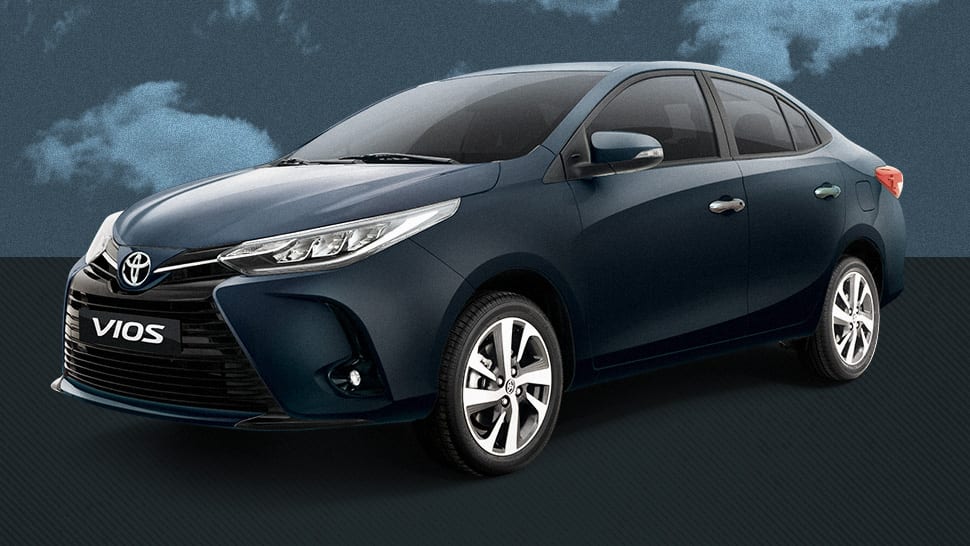
Most people’s idea of driving home their dream car involves the straightforward route: buying it. If you have enough money, you can pay for it in one go and then it’s yours. But most of us aren’t Bill Gates or Elon Musk, so if we want a car, we take out a loan with interest, and make monthly payments for a few years.
But there’s another option that you may want to consider if you’re bent on having a car you can call your own (at least for a few years). Leasing a car is essentially renting it for a pre-determined period of time and for a fixed amount. When you buy a car, you end up owning it after completing all of the payments. You don’t really get that with a lease, but it has its own advantages that may be worth considering.
“It's not just about savings,” says Rommel Ocampo, president of Toyota Financial Services Philippines (TFSP). “It's more about the convenience. The concept these days is ‘usership’ and shared services.” Ocampo says many people today don’t even think about ownership, as long as they have a vehicle to use.
“You don’t have to worry about anything,” he says. “Everything is there in the monthly rental—insurance, maintenance, registration. Wala ka nang po-problemahin.”
The minimum period for a lease contract is about three years, and when you’re done, you’re free to upgrade to a newer and better model. Clearly this isn’t something you can readily do if you’re purchasing one straight up.
Other advantages of leasing a car: you can often drive a higher-priced model that you ordinarily would not be able to afford; you’re driving the car brand new so there are less hassles, repairs, and breakdowns; and when your lease is up, you won’t need to worry about selling it as you just drive it back to where you got it.
Of course, there are downsides when you choose to lease instead of buying: you might feel like you’ll be making payments forever with no real payoff of actually owning the car; you’re tied to the lease for a fixed term, meaning it’ll cost you if you want to get out of it early; and you still have to pay for things like tire replacements, which might cost more if you’re driving a more premium make and model.
Still, you might find that leasing is an option for you. Ocampo says TFSP has improved its pricing scheme and rolled out a new product called Kinto One, which is a full-service vehicle lease package for individual customers, to make leasing more attractive to consumers. For instance, leasing a Toyota Vios will cost you around P24,000 a month for the duration of the term. That might seem like a lot, but remember that with regular financing, you have to settle a downpayment and then make monthly payments can go as high up as P18,000 per month. With a car lease under Kinto One, not only do you not need to shell out a downpayment, the amount also covers things like periodic maintenance service, normal wear and tear parts replacement, annual comprehensive insurance, annual car registration, plus an exclusive KINTO concierge service.
You can also compare leasing to actually renting a car, which usually starts at least P1,000 to P1,300 a day for a model like the Vios. That’s easily P30,000 a month, which makes the P24,000 not only reasonable but actually quite attractive.
TFSP also offers a corporate option called Kinto One Business for clients’ fleet requirements.
“Usership is a trend globally,” Ocampo says. “So we have to be the first one to offer this to the market.
“The future looks bright for the industry,” he adds. “A recent Automotive Market Study has revealed that demand for new vehicles is rising in the region, and that vehicle subscription is on the rise in Southeast Asia, as an alternative to ownership.”
