
The Philippines' Oldest Distillery Is Conquering Global Liquor Markets

Established in 1852, the Philippines' oldest distillery company, Destileria Limtuaco Co. Inc, remains to be a leader in the country's spirits industry. While navigating a tricky local sales environment, the 170-year-old company is aggressively expanding its international footprint, aiming for a significant boost in exports this year.
Company president Olivia Limpe-Aw confirmed the strategy: "For the 2025 exports, we are targeting a significant increase over 2024, driven by strong product demand and a surge in inquiries." Though she kept specific figures close, Limpe-Aw noted that several international markets have already surpassed their pre-pandemic performance, showing strong consumer desire and success with their expanded sales network.
ALSO READ:
The Destileria Limtuaco Museum is About Much More than Just Liquor
One of the more interesting parts of Limtuaco’s strategy is its push into the Middle East, a region traditionally not associated with high alcohol consumption due to religious customs. Yet, the distillery is finding fast success with its premium liquor offerings. In a move to tap into a wider consumer base, the company is also making a formal entry into the Halal market. Their non-alcoholic product, Maria Clara Punch, has already been introduced with Halal certification.
This expansion aligns with broader market trends: the Middle East and Africa alcoholic beverages market is projected to grow from an estimated $154.11 billion this year to $216.45 billion by 2030, according to Mordor Intelligence. The United Arab Emirates (UAE) is a major reason for growth, with the highest Compound Annual Growth Rate (CAGR) in the region at 8.23 percent through 2030. This growth is helped by a large number of business tourists, a varied expatriate community, and new rules that have made licensing easier, creating opportunities for premium and luxury spirits.
Across the Pacific, Destileria Limtuaco's top sellers in the U.S. market are the popular Manille Liqueur de Calamansi and Manille Liqueur de Dalandan. But it is not without challenges. Limpe-Aw is taking a "wait-and-see" approach regarding the impact of the Trump administration's recent application of a 19 percent import tax on Philippine products, including hard liquor.
Manille Liqueur de Dalandan
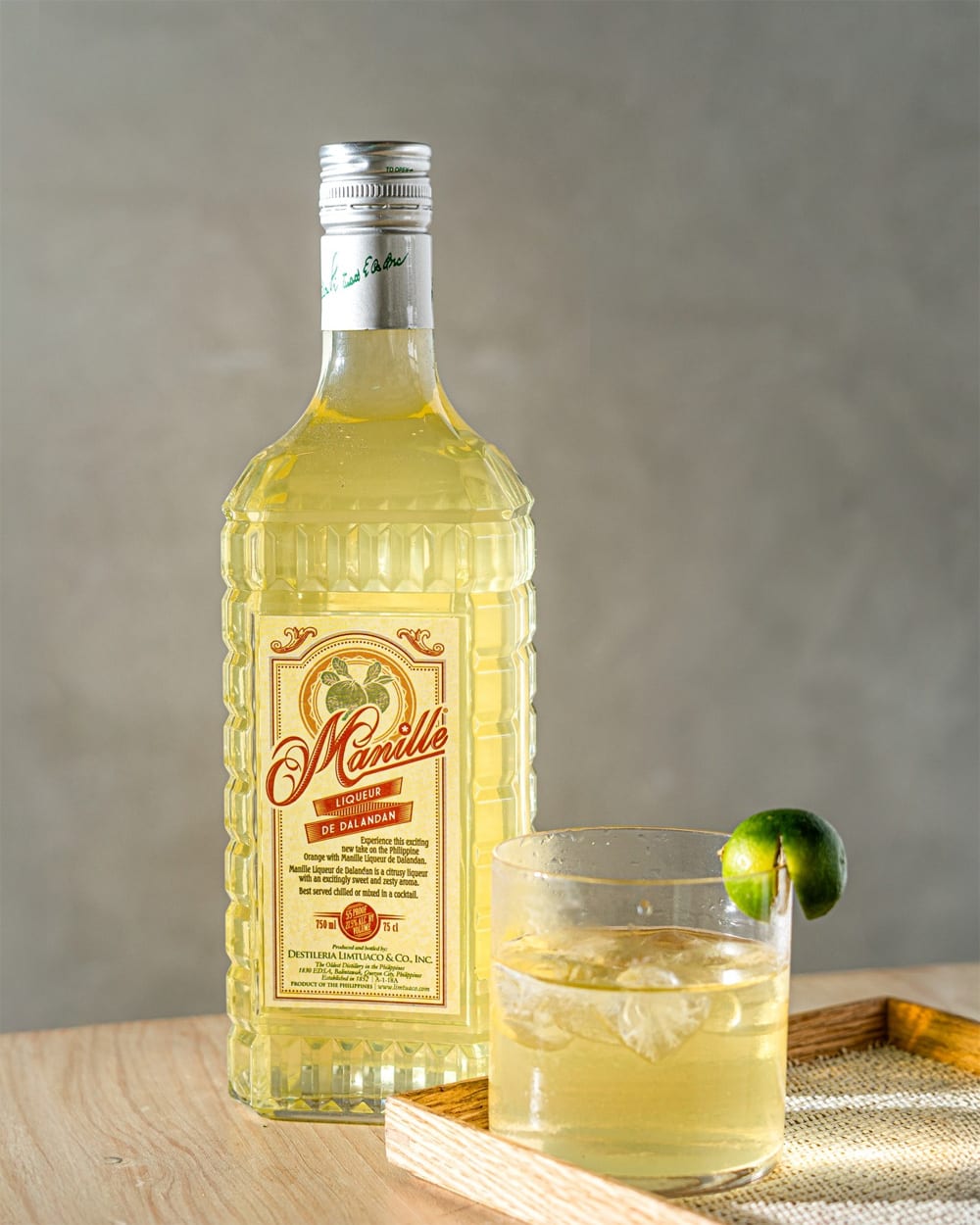
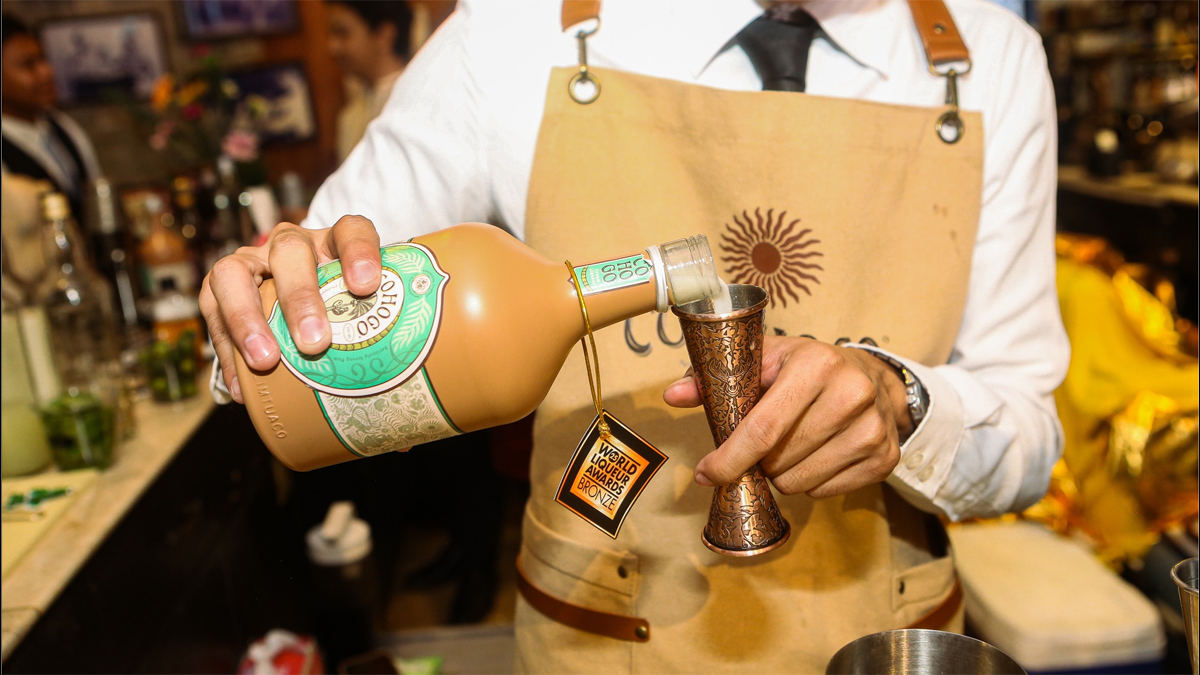
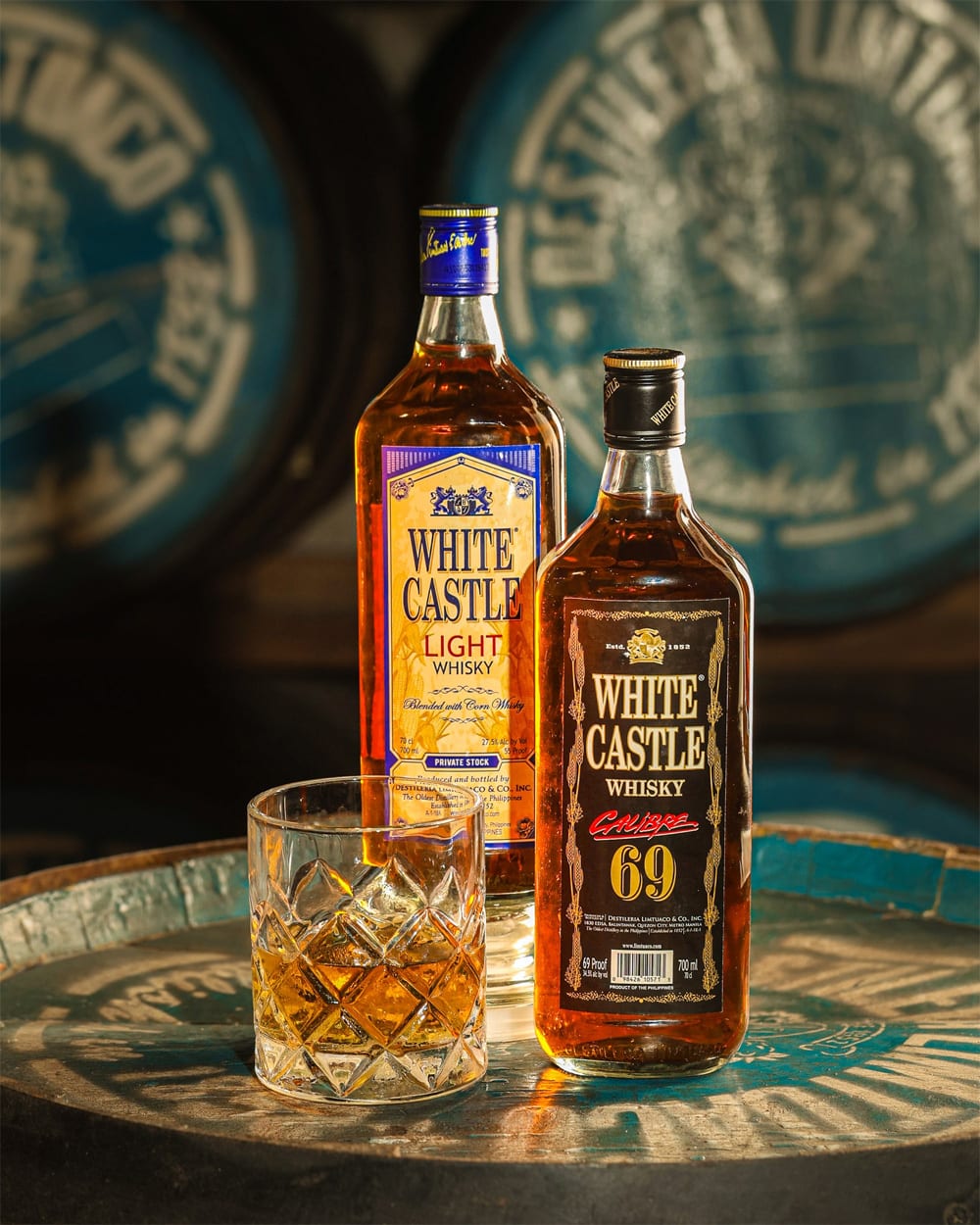
Despite these potential hurdles, the brand's quality speaks for itself. The company recently won global recognition at the World Drinks Awards 2025 in London for its flagship Philippine Craft Spirits line. Specifically, the Intramuros Liqueur de Cacao took home the title of World’s Best Chocolate Liqueur. The Manille Liqueur de Calamansi won Gold and was also named the Philippines' Best Fruit Liqueur. The Amadeo Coffee Liqueur was awarded the Philippines' Best Coffee Liqueur, and the newest addition, Cocohogo Coconut Cream Liqueur, received Bronze in the Vegan Alternative Category. Internationally, the White Castle Whiskey range, along with the Philippine Craft Spirits line, remains the top seller, contributing significantly to the $10.3 million in hard liquor the Philippines exported in 2024.
White Castle Whiskey
While global sales surge, the domestic Philippine market is proving to be a tougher nut to crack. Limpe-Aw observed a "steady stagnant growth" following the "revenge spending" boom of 2022. The major factor? Changing habits among the Gen Z market, along with a new interest in health and wellness, is pushing Filipinos toward alternative drinks.
Research by NielsenIQ (NIQ) highlights this shift: 42 percent of Filipino respondents reported drinking less, significantly higher than the 30 percent average across Asia Pacific (APAC). As CGA by NIQ’s James Phillips noted, "APAC consumers are no longer drinking out of habit—they’re drinking with purpose." But Limpe-Aw maintains a positive feeling, expecting a better year in 2026.
