Financial Adviser: 5 Business Lessons Everyone Can Learn from Ernilito Chan, Founder and CEO of Master Siomai

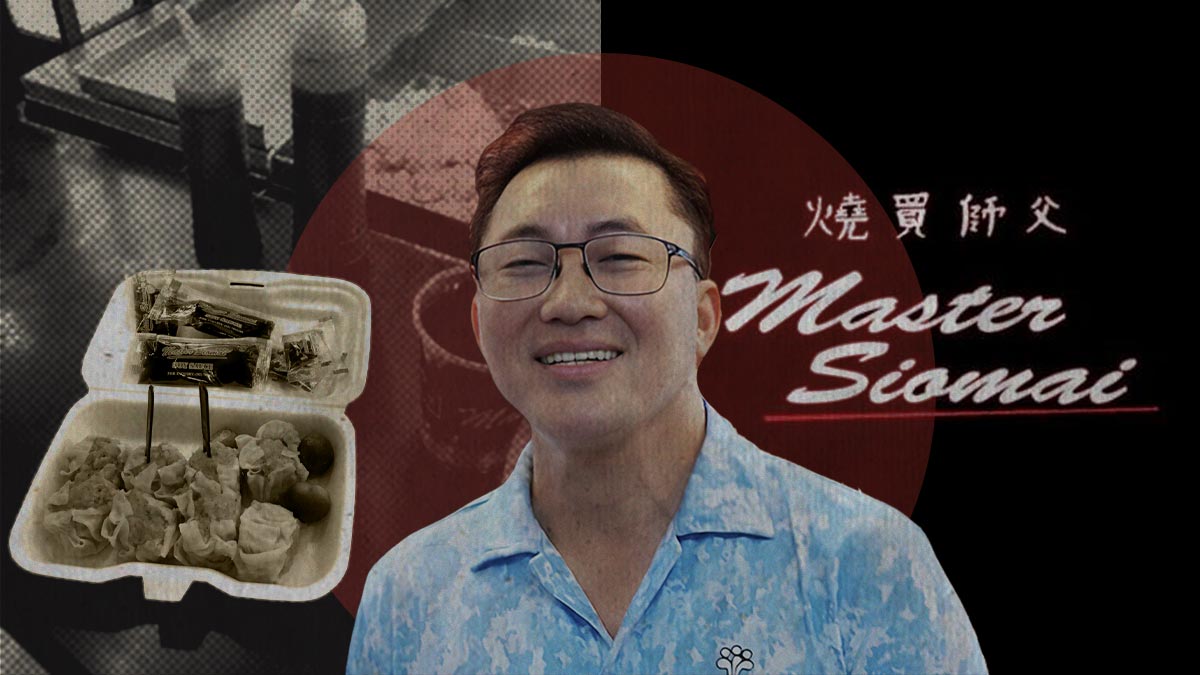
The story of Ernilito Chan and his rise as the founder of Master Siomai exemplifies the importance of resilience and his ability to capitalize on opportunities. Born into a family that faced financial hardships, Chan's commitment to supporting his loved ones started early. At age 17, he left school to find work and contribute to his family needs.
Chan began his journey working as a construction worker, then as a factory worker, and later as a taxi driver. He realized that to earn more, he needed to expand his horizons and so he took on a role as a salesman, selling water dispensers and other household items.
During this time, he stumbled upon the idea of making siomai when he experimented with a recipe at home using a cookbook he had purchased from a bookstore. He originally wanted to share it with his family and friends, but after receiving positive feedback from his neighbors and relatives, he decided to sell it at a wet market in Malabon.
Chan's siomai quickly gained popularity, and before long, he was distributing it to various wet markets across Metro Manila. For seven years, he diligently built his business until, in 2007, while passing by the LRT station in Recto, he got the idea of opening his own siomai food cart business, which he branded as Master Siomai.
The response to Chan's siomai food cart was overwhelming. Within just three months, he expanded to four outlets and then offered franchising. By the end of 2007, the total number of Master Siomai outlets rose to 50.
Today, Master Siomai has transformed into more than just a beloved siomai brand; it has firmly established itself as one of the leading contenders in the siomai cart industry, with an impressive network of over 900 outlets nationwide. This remarkable growth underscores the brand's commitment to quality and its ability to cater to the changing tastes of its customers.
How did Chan respond to the challenges in the siomai market, and what measures did he take to maintain Master Siomai's competitive edge? What lessons can aspiring entrepreneurs learn from Chan's journey from humble beginnings to becoming a key player in the food cart industry?
Here are the five business lessons every entrepreneur can learn from Ernilito Chan, founder and CEO of Master Siomai:
ALSO READ
Financial Adviser: 5 Business Lessons Everyone Can Learn from Steven Tan, President of SM Supermalls
1| Know how to capitalize on opportunities by leveraging word-of-mouth strategies
Adversity often serves as a catalyst for creativity and innovation within businesses. When entrepreneurs confront challenges, they have the opportunity to rethink their strategies and develop new products or services that effectively address pressing demand in the marketplace. This proactive approach not only enables them to overcome obstacles but also positions them with a competitive edge.
As these entrepreneurs work to turn their ideas into businesses, word-of-mouth strategies play an important role in driving business growth. Word-of-mouth relies on personal recommendations, which often prove to be one of the most effective forms of marketing. This authenticity resonates more deeply with potential customers compared to traditional advertising methods.
After facing financial hardships and leaving school at 17, Chan took on various jobs, from construction worker to factory employee and eventually taxi driver. These experiences instilled in him a strong work ethic and a deep understanding of the value of hard work.
Despite his efforts, Chan found that his fixed salaries did not provide the financial stability he sought. This realization prompted him to explore sales as a potential career, just like his father. He began selling various items, including herbal medicine and cookware, honing his skills in persuasion and customer engagement.
During this period, Chan began to develop an entrepreneurial mindset. He recognized that the key to success lay in identifying market demands and fulfilling them. His talent for selling and explaining products contributed to his growing confidence in his abilities. However, it was his love for cooking that led him to discover the idea of selling siomai.
Once he confirmed the product’s quality and appeal, Chan seized the opportunity to sell his siomai at a wet market in Malabon. His decision to introduce siomai into the market showcased his ability to adapt to changing circumstances and find solutions during challenging times.
Chan's commitment to providing a delicious and affordable siomai quickly garnered positive word of mouth. Satisfied wet market vendors began recommending his siomai to other vendors. This organic growth exemplified the power of personal recommendations in expanding his customer base.
“Before, marami akong pinasukang work,” he says. “Nag-work ako sa construction. May kaibigan akong contractor, nakuha akong worker doon. Na-assign ako sa may Quezon City. Nagi-install kami ng mga tiles, yung mga marmol, tapos hahasain, ipo-polish. Then nag-work din ako sa factory, dyan sa may Caloocan, sa Bagong Barrio. Pagawaan ng bote. Taga-linis ako ng bote, saka textiles. Mga 17 years old ako nun. Hindi ako nag college. Nag-aaral ako sa high school tapos nagwo-work na rin ako. Sobrang hirap ang buhay noon so gusto ko ng mag-work. Wala kaming pang college.
“Parang nahihiya na kong mag-aral sa college eh. Kasi adult na ako nun. Hindi ko na gaanong naging concern mag-aral sa college. Ang kailangan ko nun, gusto kong mag-work para kumita.
“Mga two years akong nag-work pero dahil hindi ako kontento dun sa sweldo ko kasi fixed lang, nag-try na akong mag-selling, maging salesman kagaya ng father ko. Nagbenta ako ng mga herbal medicine, cookware, purifier, insurance basta kung ano ano yung trending noong araw. Nagbenta ako ng mga fire extinguishers, mga safety equipment, eh mas, nagustuhan ko yung pagiging salesman kasi minsan may jackpot ka.
“Nakabili nga ako ng kotse nung 1995. First time kong magkaron ng kotse. May nakuha akong malaking deal so nakabili tayo ng pang-service. Marami akong mga special offers na ganyan, pinapatulan ko yan. Wala akong pinipiling trabaho, as long as legal yan at saka kailangan ng tao.
“May time na kailangan ng tao ng purifier, sige pasukin ko yang purifier. Marami rin akong nabenta. May talent ako sa selling kasi na e-explain kong mabuti yung product. Tapos dumating yung time na, na hindi naman sinasadya kasi gawa nga ng mahilig magtimpla timpla, at magluto-luto.
“Noong araw kasi nagtitinda rin ako sa palengke ng mga kakanin. Gagawa ako ng kakanin, ititinda ko sa palengke para bukas may baon. Kasama ko yung kapatid ko. Mahilig talaga ako magluto nung bata kasi panganay ako. I'm the eldest, so every morning magluluto ako.
“Minsan gumawa ako ng siomai kasi mahilig kami mag-asawa kumain ng siomai, squid balls dyan sa may Grand Central. Tumatambay kami dyan meron siomai na masarap dyan. Sabi ko gawa din kaya ako nito sa bahay? Hindi naman ako magaling sa cooking, nakakapag luto lang pero sanay akong tumikim eh. Sensitive ang panlasa ko. Madali akong matuto.
“Iniisip ko meryenda lang namin, tapos pag andun mga kaibigan ko pakakainin ko. Nag-research lang ako sa National Bookstore. Wala namang Google nung araw. Minsan magbabasa-basa ka lang dyan how to cook siomai, yung mga ganon. Ginawa ko yung pang-family lang pero nagustuhan ng mga friends ko. Masarap daw, so alam mo naman business-minded ako, naisip ko, try ko kayang i-alok sa palengke? Kasi yung sa wet market, may mga hotdog section doon. Dun ako nag-alok, at nagustuhan nila. Nag-repeat order.
“Tapos yung katabi nya nag-order na rin, at yung ibang katabi nag-order na rin, pati yung kabilang palengke nag-order na rin, so nag-word of mouth, dahil masarap yung product at mura. Kasi kwento-kwentuhan yan eh. Yun palang mga palengke magkakaibigan pala yan.
“Kasi may kaibigan sila sa kabilang palengke, nagtawagan. Minsan kasi nagtatawagan yan kung anong bago. May masarap ditong siomai, kuha kayo ganon. ‘Meron ako ditong siomai na nakukunan, masarap, kuha ka.’ Ganon. Kaya ire-refer kita don sa kaibigan ko sa palengke sa Blumentritt. Alukan mo ng siomai, kaya dumami ng dumami yung customer ko na puro palengke pa.
“Unti-unti hindi mo naman sinasadya, dahil nga masarap yung product, mura. Hindi mo sinasadya dumadami yung customer. Nagbenta ako sa mga palengke sa Metro Manila. Nagbenta ako sa palengke ng Blumentritt, Divisoria, meron ding Guadalupe Market, Balintawak Market, yang mga yan. Sa Nepa Q Mart tapos sa Malabon, Caloocan. Umabot ako pati sa Bulacan, sa Bacoor, Cavite.
“Hindi ko naman sinadyang magkapera eh. Kusang dumating lang dahil sa masarap yung product tapos mura. Pagkatapos nyan, may hotel pa. Kasi meron akong naalukan nun na merong contact sa hotel. Sabi nya, ‘Dalhan mo kami ng siomai para hindi na kami gagawa.’ So may mga hotel din kaming naging customer. Nakabili ako ng sasakyan noon, una muna Fiera tapos L300.”
2| Know how to adapt to market trends and expand the business model
Adapting to market changes allows a business to differentiate itself from competitors. Diversifying product offerings and expanding into new business models enables a company to spread risk. When one segment of the business faces challenges, others may thrive, providing a buffer against economic downturns or shifts in consumer behavior.
Expanding the business model by transitioning from traditional business-to-business operations to retailing opens new avenues for growth and customer engagement. This new approach enables direct interaction with consumers and creates opportunities to build brand loyalty and expand market reach.
By offering products into accessible locations, businesses can respond quickly to consumer preferences and trends, which enhances their ability to adapt to changing market dynamics. This diversification broadens the customer base and positions the brand as a familiar presence in the community that reinforces its market presence.
Initially, Chan focused on selling siomai to wet market vendors, but when he saw an opportunity to expand his offerings by selling burger patties, sweet ham, and bacon, he took the effort to research additional products that could complement his existing sales by attending seminars.
As his customer base grew, Chan recognized the importance of expanding his business model. After a vehicle breakdown caused him to arrive at the LRT station in Recto, he noticed a lack of competition for a siomai cart that attracted large crowds. This observation sparked his interest in the food cart model, which led him and his team to design and launch their first food cart.
The adaptability of Chan’s business model became evident as he opened additional outlets. Customer traffic in the beginning was low, but as people tasted the quality of Master Siomai, word spread rapidly.
The organic growth in his customer base highlighted his commitment to quality and customer satisfaction. Soon, other operators offered him space at additional locations, such as the Grand Central Caloocan and SM Center Point Sta. Mesa.
By diversifying his offerings and implementing the food cart model, Chan successfully addressed market demands and established himself as one of the fastest-growing siomai cart operators in the industry. His ability to recognize opportunities and adapt to changing circumstances enabled him to grow his business even amidst challenging conditions.
“Sa wet market kasi di ba may dry goods, may fish section, may meat section, may hotdog section kung namamalengke ka. Dun ako sa hotdog section. Ang customer namin dun yung parang cold cuts section kasi may siomai, burger patties, mga sweet ham, bacon.
“So naisip ko puede rin ako mag-benta ng iba kaya nagbasa ako. Tapos, nag-attend ako ng mga seminar sa DTI. Nag-attend ako ng seminar sa meat processing para mag-grow yung knowledge ko about food preservation and quality. Basta may seminar, dumadalo ako.
“Pag-umaga, inasikaso ko yung siomai, tapos yung paggawa ng bacon at burger patties. Manual pa yun. Katulong ko yung misis ko pati yung mga hipag ko sa paggawa. Ako muna nagmi-mix tapos sila yung nagfo-form. Tapos after nila mag-form i-steam nila yun. Tapos after nun, ide-deliver ko na sa palengke. Nung una ako lang tapos nakatulong ko na yung mga bayaw ko nung dumadami na order.
“Dahil nga gipit sa budget dati, nagsangla pa kami ng alahas nun. Yung wedding ring sinangla namin nun, tapos nangutang sa relatives para makabili kami ng mixing machine. Yung unang-unang mixing machine namin maliit sya.
“Ang halaga nyan nasa P50,000. Ni-loan namin yun sa bayaw ko para makagawa kami kasi ang hirap nga mag-manual. Masakit sa braso eh. Nung nakabili kami, yun talaga nakapag-supply na kami. Marami na kaming nasuplayan.
“Nung time na yun, 1999 tapos yung year 2000 nakabili na kami ng mixing machine. Unti-unti na kaming bumibili ng machine kasi marami na kaming customer. Nagdagdag na kami ng mga steamer, mga grinder, mixer, spiral mixer.
“Actually nung 2003, yung dumadami na yung mga food cart. Kinukumbinsi ako ng mga kaibigan ko na mag-food cart na ako kasi uso yung food cart nun. Sabi ko hindi ko na kailangan kasi marami naman kaming customer. Hindi ko talaga gusto mag-food cart, kasi baka maubos yung oras ko sa business. Feeling ko parang okay na ko. Kontento na ko dun sa wet market at ilang hotel na customer kaya ayoko ng pumasok.
“Pero nung 2007, merong instance na nasiraan ako ng sasakyan sa may Marikina. Ginawa ko, nag LRT ako all the way from Marikina to Recto station. Pag baba ko dun may nakita akong siomai brand dun. Sabi ko ang daming kumakain dun, tapos wala syang kalaban. Yung mga tao din, wala nang makainan kasi ang daming kumakain sa kanya.
“Kaya sabi ko, para bang nagustuhan ko lang kalabanin yun kasi nga nag-iisa sya, saka yung mga tao nag-aalisan na dahil punong puno sya. Wala syang kalaban, hindi katulad ng iba maraming french fries, shawarma.
“So pag-uwi ko ng bahay, nag meeting kami at nagpagawa na kami ng food cart. Nagpalagay ako ng food cart dun din sa Recto station. Una nilagay muna sa ibaba, wala raw bakante sa itaas. Dun kasi matao sa third floor eh, sabi ko okay lang kako wait lang kami dito sa baba. Basta mahalaga nakapasok na kami ng Recto station.
“Noong una, konti lang yung customer namin kasi hindi pa kami kilala. Pero nung matikman ng mga tao yung siomai namin, yung Master Siomai dumami ng dumami yung customer, tapos dun sa kabilang entrance may bakante. Sinabi nila, ‘Baka gusto nyong maglagay din dun sa kabila?’ Eh isa lang plano ko eh, kaso natukso na ko may offer. Edi sige gawa kami ng panibago, naging dalawa na outlet namin.
“Tapos hindi ko naman inisip na dadami biglang may lumapit na nagtratrabaho sa leasing department ng Grand Central Caloocan. Baka raw pwede kaming maglagay din dun sa mall. O sige, kako, maglalagay kami, naging tatlo na. Tapos nag-offer naman SM Center Point Sta. Mesa. Sige kako maglalagay din kami, naging apat na yung Master Siomai agad.”
3| Know how to accelerate business growth without compromising quality
Rapid scaling often leads to growing pains when quality is compromised. By prioritizing quality, businesses achieve sustainable growth that avoids reliance on temporary fixes or shortcuts. This approach ensures long-term success rather than fleeting outcomes.
A commitment to quality can serve as a key differentiator that attracts customers away from competitors who may offer lower quality at a similar price point. When customers recognize a brand for its consistent quality, they develop trust and loyalty, which can lead to repeat business and positive word-of-mouth referrals.
As Chan explored the idea of franchising, he recognized the importance of sharing the brand's identity while ensuring that each franchisee upheld the same standards that made Master Siomai successful. Initially unfamiliar with franchising, Chan took the initiative to educate himself by attending seminars and researching what it meant to franchise a business.
When the opportunity arose to open the franchise model, Chan did so with a plan to maintain quality across all outlets. He implemented a robust system for monitoring product quality by assigning supervisors to visit franchise locations regularly. This attention to quality control not only protected the brand’s reputation but also cultivated trust among customers.
Chan understood that scaling through franchising required a strong infrastructure to support franchisees. As the business expanded from about 50 outlets in 2007 to nearly 900 today, he recognized the need for specialized departments such as Quality Assurance and Plant Management. By investing in these areas, Chan ensured that Master Siomai could sustain its growth without compromising the quality that customers had come to expect.
By focusing on these values—commitment to quality, customer satisfaction, and proactive management—Chan successfully scaled Master Siomai. He transformed a simple idea into a leading brand in the siomai industry.
“Nanonood kasi kami ng misis ko sa gabi ng Master Showman noon, yung kay Kuya Germs. Nag-iisip kami ng pangalan nun, so ito naisip namin. Sabi ko, ‘Ito na lang Master Showman, Master Siomai.’ Doon namin nakuha yung pangalang Master Siomai sa show nya. Ganon lang ka-simple yun.
“Kaya nga nung buhay pa si Kuya Germs lagi kaming nag-iisponsor dun sa show nya. Tatawagan ako nun, sasabihin pwede ba kayong mag sponsor dito? Punta kami doon. Magse-set up kami ng food cart sa show nya.
“Kaya naman kami napasok sa franchising dahil minsan nakatayo ako dun, may mga nagsasabi pwede po bang i-franchise itong Master Siomai? Eh ako naman ignorante ako dyan, ano po ba yung franchising na yan? Ano ba yan? Anong ibig sabihin ng ipa-franchise mo yung business ko? So nagbasa ko tapos nagseminar ako sa DTI din. ‘How to franchise your business.’
“Nalaman ko yung franchising, yun pala yung pagpapahiram mo ng brand name mo. Gagamitin ng iba yung brand name mo, yung settings mo, yung concept mo. Ah ganon pala kako yan? Tapos babayaran ka, yun pala yung franchising. So sabi ko sige, open na ko for franchising. Kaya nung nag-open kami sa franchising, nag exhibit kami sa World Trade Center, nag offer na kami ng franchising noon 2007 din yun.
“After, dumami na yung outlet namin nun. Syempre nanganak na ng nanganak kasi open na for franchising. Siguro nung 2007 na yun, umabot kami ng mga 50 outlets more or less. Tapos nung 2008, padami ng padami yan. Ngayon nasa 900 na kami.
“Nung dumami na ung mga outlets, naisip rin namin na baka hindi ma-maintain yung mga quality ng mga franchisee, so nag-assign ako ng mga supervisor na umiikot para makita kung napapanatili yung quality ng siomai at hindi ibang siomai yung binebenta.
“Yung mga supervisors ko kabisado na nila yung lasa eh. Tapos yung itsura alam din nila pag hindi amin. Sa tagal ng umiikot ng mga supervisor namin, alam na nila kung sa tingin pa lang kung amin, kahit na hindi mo na tikman. Sa size pa lang, minsan hindi pareho eh.
“Dati isang department lang lahat eh. Ngayon nagkaron na ng mga mixing department, receiving department so sa bawat department may supervisor yan. Nakita namin na need ng Quality Assurance so nag-hire kami ng food tech. Nakita na namin na need ng plant manager, nakita na namin need ng accounting, marketing department.
“Palagi akong naga-attend ng seminar. Pag may mga nago-offer ng mga supplier na mga bagong raw materials, syempre itse-check mo yun. I-entertain mo, para maging updated ka. Basta samin kailangan ma-maintain namin yung quality tapos mura pa.
“Kailangan kami mismo kumakain. Kailangan yung mga pamilya namin kinakain yung siomai namin. Actually pati anak ko kinakain pa sya. Pag hindi na sya kinakain, yun na yung oras na hindi na masarap yung siomai mo. Kailangan kami rin mismo kumakain. Kailangan masarap pa rin yan, saka yung presyo, hindi ka mahal, tama lang. Hindi naman kami nalalayo.
4| Know how to stay ahead of competition through strategic differentiation and innovation
Differentiation enables a business to position itself uniquely in the marketplace. Offering distinctive products or services helps a company stand out from competitors, which makes it easier to attract and retain customers.
When a business successfully differentiates itself, it often builds stronger customer loyalty. Customers who perceive a brand as unique are more likely to return and make repeat purchases.
Continuous innovation enables a business to adapt to changing market conditions and consumer preferences. This flexibility is essential in a competitive environment, where trends can shift rapidly and new competitors can emerge.
Chan regularly conducted food tastings to assess the quality of other siomai brands, which emphasized the importance of understanding competitors while maintaining a competitive edge. He recognized that quality, price, and taste served as important factors in attracting customers.
To remain competitive, Chan closely monitored his rivals and sought feedback from customers, which demonstrated a willingness to adapt his offerings based on consumer preferences. His proactive approach resulted in continuous innovation. For instance, he developed a budget-friendly product that catered to the Class C market and filled a niche that his competitors did not target.
Chan also differentiated his brand by introducing a range of siomai flavors, including chicken, tuna, and beef. This variety set him apart from competitors that primarily offered pork-based options. By catering to diverse dietary preferences, especially in Muslim areas where pork consumption is limited, he expanded his customer base. This inclusivity reflects his commitment to understanding and serving the needs of all customers.
Chan promoted a culture of openness within his team and encouraged supervisors to share insights on successful strategies. He considered the imitation of effective practices a valid approach to enhancing his business, which created a collaborative environment focused on quality and continuous improvement. This commitment to teamwork and shared success underscores his belief in collective growth.
“From time, from time to time, nagfo-food tasting kami,” he says. “Tinitikman namin ibang siomai. Kailangan mind your competitor din, hindi rin sila dapat balewalain yung competitor. Hindi mo naman sinisiraan pero dapat mas may edge ka sa kanila. Mas maganda yung quality mo sa kanila, presyo saka sa lasa dapat mas okay ka. Sa presyong P50 syempre, kami na yung pinaka-masarap.
“Syempre there's always a threat. Nagche-check kami ng mga competitor. Nagche-check kami ng mga comments at lahat ng mga reviews. Willing kaming mag-change kung kailangan para makuha namin kung ano gusto ng tao. Kailangan mo ring mag innovate.
“Katulad nyan meron kaming pang class C na market. Three pieces na siomai for P15. Meron kaming ganon. Wala kaming kalaban. Ang pangalan nya ay Siogo. Ibig sabihin ng Siogo -Siomai on the Go. Meron kaming 100 outlets na nyan. Syempre ang gumawa non same factory na Triple A na gumagawa ng Master Siomai. Same technology, same quality.
“Ang isa pang difference ko sa ibang siomai ay meron kaming Japanese siomai, tapos may six variants pa kami. May chicken, may tuna, may beef, yung iba walang ganong variant. Kami yung pioneer dyan. Kaya ako nadi-differentiate din. Kami yung naiiba.
“Yung mga kalaban ko, pork lang sila. Eh papano kung ayaw ng pork? Lalo sa Muslim area, hindi kumakain ng pork, halimbawa. May tuna kami, may chicken, may beef ako so lahat ng klase ng tao nake-cater namin. Pero magkakaiba ng costing kasi usually yung iba mas mahal kaya hindi sila pare-pareho ng presyo.
“Kailangan natin mag-innovate kasi yung generation tumatanda. May bagong generation, kailangan mong mag-adapt sa new generation. Ayokong tumulad sa Nokia hindi nag-digital. Ang Kodak hindi nag-digital, nasan na sila ngayon? Kailangan mag adapt ka sa market. Wag kang matigas ang ulo. Napapakinggan natin sa mga seminar, nababasa. May mga kaibigan tayong businessman, napapakinggan ko yung mga good practices nila eh. Yung mga good practices nila ginagaya mo. Hindi naman sarili ko lang to. Kaya pag may award ako sabi ko satin lahat to.
“Yung mga supervisor kapag may sinabi rin sakin na magandang gayahin pinagmi-meetingan namin at pag nakita naming ok, isasama namin sa business concept namin yan, so open lahat mag suggest dito. Yung mga best practices nila inaadapt namin at hindi masamang manggaya. Wala namang taong hindi nanggaya eh. Ikaw pa lang, nang pinanganak ka ginaya mo ng itsura ng magulang mo, so hindi masamang manggaya, as long as best practices.
“Yung talagang ipagmamalaki ko, kami lang ang may outlets all over the Philippines. Meron kamin sa Visayas and Mindanao, yung competitors naming, Luzon lang sila. Kami nagpunta kami ng Cebu, nagpunta rin kami ng Mindanao.”
5| Know how to embrace continuous learning and create lasting relationships with customers
Entrepreneurs who prioritize learning often gain a competitive edge. They can quickly respond to industry changes, implement best practices, and provide better products and services than competitors who do not emphasize learning.
A focus on learning promotes a mindset of innovation. Entrepreneurs who actively seek new knowledge and skills can develop innovative products and services, as well as improve existing processes. This proactive approach can lead to significant advancements in their offerings.
Strong communication promotes trust and rapport, which are essential elements for building lasting customer relationships. Entrepreneurs who commit to learning ensure they uphold high standards in their customer service. This commitment leads to consistent quality across all customer interactions.
Despite not pursuing higher education, Chan recognized the value of knowledge and actively sought opportunities to learn. His experiences in various jobs, including working in a factory and driving a taxi, shaped his perspective on business and survival. He understood that mere survival was not enough; he wanted to thrive.
While selling cookware and purifiers, Chan built trust by educating customers about the benefits of his products rather than simply pushing for sales. His dedication to excellent customer service became a foundational principle of his business, as he believed that prioritizing customer satisfaction would naturally lead to financial success.
When he transitioned to selling food, he found that satisfied customers would reach out for more without the need for hard-selling tactics. This shift reinforced his belief in the importance of quality and service. He took pride in ensuring that his siomai was not only delicious but also affordable, which attracted a diverse customer base.
Chan’s journey illustrates how a strong focus on customer needs, a commitment to learning, and the courage to take risks can drive business success. By establishing an environment that values customer service and product quality, he built a brand that resonated with people and ensured lasting relationships and sustained growth for Master Siomai.
“Pag tinatanong ako kung ano yung pinagsisisihan ko sa buhay ko, yung isa sa mga pinagsisisihan ko ay yung hindi ako nagpatuloy sa pag-aaral,” Chan says. “Buti na lang naging successful ako, pero lagi ko namang sinasabi na yung pagka-college ay hindi naman garantiya yun na magkakaron ka ng magandang future. May edge ka lang sa iba kasi syempre yung magha-hire mas gusto yung college graduate, kesa sa high school graduate. Pero hindi garantiya yun na magandang future. Kikita ka lang ng maganda.
“Pwede ka siguro maging manager para makakaraos ka sa pang araw-araw pero hindi ka yayaman. Kailangan nagwo-work ka na kasabay nun nagbu-business ka. Pero hindi ko sinasabing wag kang mag-college kasi pang lamang mo yun sa iba.
“Nung nagtratrabaho lang ako sa factory, iniisip ko walang chance para yumaman. Ang sakin lang gusto ko lang maka-survive. Gusto ko lang kumita, gusto ko lang mabili mga gusto ko, syempre. Makain mo yung mga gusto mo, mabili yung mga damit na gusto mo kaya wala akong pinipiling trabaho. Wag lang illegal.
“Hindi ko naman na sinasadya na eto pala yung magiging business ko. Actually nag-taxi driver pa pala ako minsan. Nung nagta-taxi ako naisip ko, ito lang kinikita ko, P1,000 a day. Parang kulang, mas malaki pa din kikitain ko sa paga-ahente, salesman. Binitawan ko yung pagta-taxi.
“Pero sa selling, kapag nakabenta ka ng cookware o ng purifier maghahanap ka ng panibagong customer. Minsan kasi yung customer mo ayaw naman nila mag-refer nahihiya sila na istorbuhin yung kaibigan nila, halimbawa, ‘Oh boss paki-refer naman ako sa kaibigan mo baka makabenta rin ako ng cookware? O ng purifier?’
“’Nahihiya ako eh, ikaw na lang kumausap.’ So yung selling kasi na ganon kapag nakabenta ka, maghahanap ka ng panibago, ikaw yung maghahanap ng ibang customer.
“Unlike sa food, for example, ito nagustuhan nila yung product mo, o-order na lang sila. Tatawag na lang sila. Hindi ko na kailangan mag-alok, alok pa sa mga tao. Sila na mismo yung lalapit, tatawag sa kin, ‘Oh mag-deliver ka dito. Sila pa yung mangungulit minsan.
“Sa business, importante yung customer service. Customer service first and the money will come. Kasi yung iba yung profit ang inuuna, so nagsa-suffer yung quality. Hindi ka magtatagal, so i-love mo yung customer mo, i-satisfy mo yung customer mo and the money will come.
“Tapos, take the risk. Habang nag-aaral ka ng college, pag-uwi mo magbusiness ka, or after mo mag college mag put up ka ng business. At wag yung business na gusto mo, kailangan yung gusto ng tao. Huwag kang magbi-business na gusto mo. Kailangan kung ano yung gusto ng customer mo. Sila isa-satisfy mo. Pag na satisfy mo sila, the money will come.
“Sa akin, kaya mas malakas ang benta ko sa iba talagang pinapaliwanag ko yung detail ng service of product ko. For example, Happee toothpaste pinapaliwanag ko to bakit ito mas magandang gamitin. Hindi yung basta bili po kayo nito, kasi para makabenta ako. Pinapaliwanag ko sa kanila kung paano sila magbe-benefit sa product ko.
“Alam mo mas makakabenta ka kung maraming tanong. Pag hindi nagtatanong malabo. Ganon ako, pag nagtanong ah okay to, maraming tanong to basta maging honest ka.”
Henry Ong, RFP, is an entrepreneur, financial planning advocate and business advisor. Email Henry for business advice [email protected] or follow him on Twitter @henryong888
Henry Ong's “Five Business Lessons” column is now a book. Published by Summit Books, Five Business Lessons features some of the country's most familiar business leaders and entrepreneurs sharing the secrets to their success. You can pre-order the book here.