
Financial Adviser: 5 Business Lessons Everyone Can Learn from Ruben Lugtu II, Chairman and Co-Founder of Asialink Finance

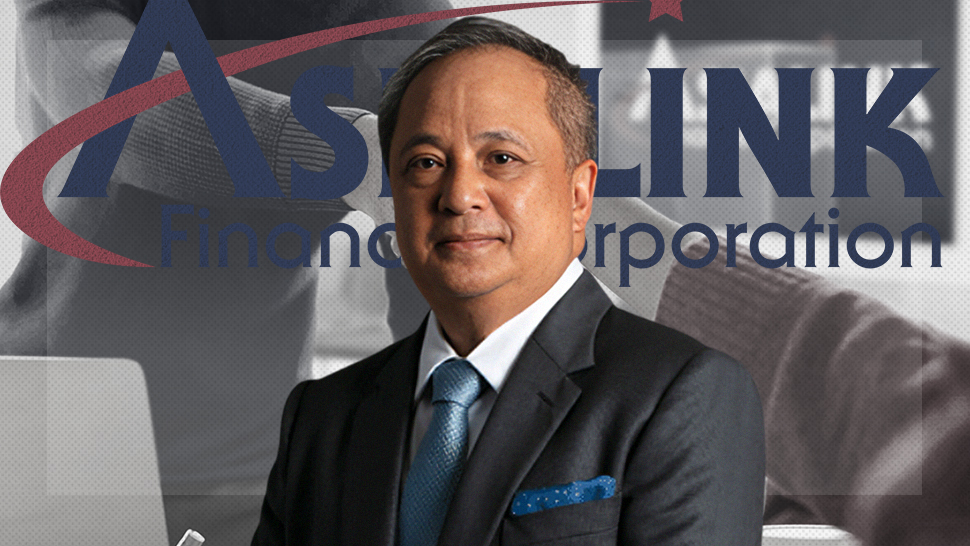
In a world where financial success is often measured by titles and degrees, Ruben “Rubby” Lugtu II defied convention. He wasn’t groomed in a corporate boardroom or taught business strategy at an Ivy League school. He learned everything on the field—by doing the dirty work, earning trust, and making tough calls.
Before he ever chaired board meetings or managed billions in receivables, Lugtu was simply a loyal son trying to prove himself to a strict, old-school father who refused to say, “I’m proud of you.”
What followed was a decades-long journey that saw Lugtu evolve from a lone credit investigator and appraiser to the Chairman of Asialink Finance Corporation, one of the largest and most influential non-bank financial institutions in the Philippines.
Lugtu’s journey started by supporting his father’s lending business. Working alongside his father, he quickly learned the ins and outs of credit, collection, and real estate through hands-on involvement. These early experiences laid the groundwork for his transition into mortgage lending, where he independently managed everything from sourcing clients to evaluating assets.
A turning point came during the 1997 Asian Financial Crisis, when the collapse of a key borrower’s real estate firm led Lugtu to acquire a significant stake in a small financing company called Asialink Finance. From that opportunity, he helped transform Asialink from a modest operation into a major player in the lending industry.
Today, Asialink Finance ranks among the largest non-bank financial institutions in the Philippines, boasting a nationwide presence, a multibillion-peso loan portfolio, and over 200,000 SMEs served nationwide.
From humble beginnings to helming a financial powerhouse, Lugtu’s career reflects the power of resilience and long-term vision built on real-world experience.
How did Lugtu transform Asialink from a modest lending firm into a market leader in the industry? How did he lead Asialink through periods of financial uncertainty and still manage to scale the business to a multibillion-peso institution?
Here are the five business lessons everyone can learn from Ruben Lugtu, Chairman and co-founder of Asialink Finance:
ALSO READ
1| Know how to be prepared when opportunity arises
Being prepared in business goes far beyond simply having a plan—it means equipping yourself with the knowledge, skills, and mindset long before any major opportunity arrives. It starts with being willing to learn the business early on, even through small roles, side hustles, or behind-the-scenes work.
This kind of experience builds a strong foundation: you understand how things really work, not just in theory but in practice. You gain insights into how to deal with customers, manage operations, handle money, and make sound decisions under pressure.
Preparation also means mastering the skills needed for your field—whether it's sales, finance, negotiation, or leadership—so that when a bigger challenge or opportunity presents itself, you don’t have to start from scratch.
You’re already operating at a level where people can trust you to step up. It’s about doing the hard work quietly, consistently, and often without recognition, because you know that when the moment comes, you’ll be ready to lead, act decisively, and create value. That’s how successful entrepreneurs and leaders turn quiet preparation into powerful breakthroughs.
From the start, Rubby Lugtu was never handed a manual or a structured training plan. Instead, he was thrown into real business situations by his strict but entrepreneurial father, who taught him independence and expected him to figure things out on his own.
As the “leg man,” Lugtu wasn’t just executing errands—he was actively involved in setting up businesses, managing operations, and learning firsthand how to make things work in the real world.
One of the earliest ventures he supported was a lending business for teachers. Although he started as an assistant, he quickly became the driving force behind it, where he gained experience in how to manage loans, assess clients, and operate informally within a network of trust.
When his father shifted to mortgage lending, he had already internalized the workings of financing. Again, with only minimal instruction, he taught himself how to appraise property, assess borrower credibility, and manage collections—all as a one-man team. This deep immersion helped him master practical financial skills and sharpen his judgment, particularly in sizing up whether borrowers would pay or not.
The opportunity with Asialink Finance came as a direct result of this groundwork. By then, Lugtu had already built not just experience, but trust and a reputation for reliability. He was prepared—not in theory, but in capability.
“My dad was sobrang strikto,” he says. “He taught me how to be independent. In a way, parang I got it from him to be a businessman. Pag meron siyang maisip na business, he would tell me, ‘Why don’t you try this business? We’re going into it.’ And then I’d be the one to support that business, ako yung leg man nya.
“One time, he said, ‘Rob, I stumbled into this guy. He offered me this business with teachers. Yung pautang sa teacher parang maganda, sali tayo.’ So that was our business then. As a leg man, ako yung nagtuloy nun. Ako yung nagtayo, not just as his assistant.
“We were part-owners of that company and the rest were his golf mates. But he's not a corporate person eh, so after a while, he told me, ‘Let’s just sell our shares, but we can continue lending to that company.’ Ayaw nya yung attend ng meetings, ayaw nya yung policy making. So syempre sya yung boss, I said, ‘Ok, let’s get out of this business.’ But by then, na-embed na sa akin yung financing.
“’So why don't you go into mortgage financing,’ sabi nya. That was it—just his order, without telling me how to handle the details. Wala syang tinuro, ganito gawin mo. Bahala ka, aralin mo, basta you make sure we get our money back.
“At that time, I was into tennis at Makati Sports Club. So the instruction was to find borrowers who were willing to mortgage their properties. I had to learn how to appraise properties. And it was actually simple for me because I liked real estate. Yung condominiums before 1995, booming eh.
“So I said, ‘Dad, this person is interested to borrow and he's a good friend.’ He said, ‘Oh kung kilala mo yan and you think you can trust him.’ He didn’t have any know-how either on how to go into lending. Basta sabi nya, magpautang tayo against the property, and so it turned out successful. We got paid, and we got a good rate.
“So we continued doing it. And then I found another client who was also a friend. So I just focused on three big clients. And I was the only one managing everything. Ako lang, one-man army. Ako yung CI, ako yung nagche-check ng background like ano yung nature ng business ng tao. I handled it all by myself.
“All I had to do was, in fact, hold the titles. I didn’t even know na kailangang patatakan yung mga ganon-ganon. It was all based on trust lang doon sa friends ko.
“Then I had this one client of mine, sabi niya, ‘Rob, mas maganda tayo na ang magtayo. Instead of buy and sell, I'm going into development na.’ So sabi ko, hindi ko kaya, hanggang pautang lang ako eh. He said, ‘So I’ll do this na.’ So they bought a property in Makati and started this company in development. It was successful.
“At that time, this client of mine was invited by Bobby Jordan who was setting up a lending business for appliances. This was Asialink Finance. But this client, for some reason, sabi niya, ‘I will not join that business if you don't invite Rubby Lugtu.’ Kasi malaki na 'yong pinagsamahan namin, kasi ako 'yong nagpapautang sa kanila.
“Sabi niya sakin, ‘Since tinutulungan mo ako, eto baka gusto mo eto. Linya mo magpautang eh, di ba?’ So sabi ko, interesado ako kasi one-man army ako magpautang. Eto, professionalized, partner ko pa si Bobby na bangkero talaga. I will learn a lot from him, sabi ko.
“Kasi my father, mag-request ka ng computer, pahirapan. Walang office. Wala akong lawyer. Mahirap. Pero ‘yon ‘yong naging training ko. Naging skill ko how to size up people kung magbabayad or not. So nangyari, si Bobby had no choice but to contact me because my client will not join without me. So yan naging condition.
“Then, here came the '97 crisis. Nag-collapse yung real estate business ng client ko. So what happened, sabi nya, ‘Since I owe you money, you can get my shares in Asialink—sayo na ‘yan.’ So naging majority kami.”
2| Know how to build the right team, attract capital and grow with vision
Building the right team allows a business to scale efficiently and operate with greater professionalism. A strong team brings diverse skills and experience, along with the ability to manage different aspects of the business, which promotes accountability and collaboration.
Relying too heavily on a single source of funding—especially personal or family resources—can expose the business to significant financial strain. Bringing in outside investors not only provides the capital needed to expand but also diversifies risk, strengthens financial resilience, and signals credibility to future stakeholders.
Leading with vision ensures that day-to-day actions align with long-term goals. A clear and forward-looking vision provides direction and guides strategic decisions. It helps leaders anticipate challenges and stay focused on building a business that can endure and evolve over time.
Lugtu’s transition from running a solo lending operation to co-leading Asialink Finance highlights his evolution as an entrepreneur who understood the power of collaboration and strategic risk management.
In his earlier ventures, he operated independently—approving loans, consulting lawyers, and making all key decisions on his own. But when he became part of Asialink, he recognized the value of working with a professional team. The presence of a seasoned banker like Bobby Jordan, who had deep experience in lending, introduced structure, operational control, and shared decision-making, certainly helped.
For Lugtu, this shift wasn’t just about delegation—it was about growth. He embraced the professional environment not only for its systems and efficiency but also because it gave him the opportunity to learn, improve, and legitimize his role in a formal business setting.
This collaboration reflected his humility and openness to mentorship. He admired how Bobby would generously share his knowledge without making him feel inferior, which created a space where learning could happen without ego.
At the same time, Lugtu displayed financial maturity by diversifying risk as Asialink expanded. With demand for financing rising rapidly, he realized that continuing to rely solely on his family's capital would create unnecessary exposure. Rather than overextend their financial risk, he took a strategic step: he sourced and invited new investor groups to share in the risk and the opportunity. By doing this, Lugtu not only protected his family's stake but also broadened the business’s capital base, which is an essential move for sustainable growth.
“At that time when we became majority, mahina pa ‘yong business na ‘yon, kasi parang walang value dun sa ibang investor. But I knew for a fact na I was not wasting my time. There was a future. Kasi you get the feel of the business once you’re always there. You're nurturing it, so alam kong may pupuntahan and nakikita ko si Bobby noon kung gaano siya kasipag.
“Before, I was just alone. Wala akong kausap if I would approve this loan or not. Ako lang nagde-decide lahat. Ako rin ‘yong, halimbawa, magtatanong sa lawyer. So when we got Asialink, eto, professionalized, may balance, may control, professionals, may office, and andyan si Bobby na expert na sa lending.
“Siguro it was my dream also of having a nice office, going to work na nakabihis ka. Getting to meet people. Nandun ‘yung utak ko na at least ito, hindi fly-by-night ang dating ko.
“I knew that I would learn a lot more—parang pumunta ka sa school eh. Si Bobby kasi if you ask him a question about this, he'll gladly explain it. Generous siya sa ganon, pero ‘yung tuturuan ka niya parang hindi mo alam, mukha kang tanga—hindi niya ginagawa ‘yon.
“Nung time na ‘yon, walang bangko na magpapautang sa amin. Wala, zero. Saka that time, allergic ang bangko sa financing. Pero nag-start kami nagpa-utang muna ng P3 million, P5 million, naging P10 million na ‘yong amount. Yung demand umapaw hanggang umabot ng P20 million.
“That time, yung common sense ko was telling me—baka ma-overexpose mo ‘yong dad mo if mag expand so nag-invite ako ng another group to invest. So instead of adding more risk to them, I got another set of investors so that they'll be the ones to have the risk. Spreading the risk. Different peoples’ money. Ako nag-source ng investors. I think ‘yon ang role ko eh—founders and get investors. Kasi ayokong ma-overexpose ‘yong tatay ko. So ang nangyari I invited two groups for South Asialink and Global Dominion.”
3| Know how to blend gut feel and due diligence to make smarter business decisions
Combining instinct and structure to manage risk effectively is important because it allows for more balanced, informed, and adaptable decision-making.
Relying on instinct alone—such as gut feel or personal judgment—can be powerful, especially when it comes from years of experience and a deep understanding of people. It helps you detect red flags that data might not immediately reveal, such as a client’s character or trustworthiness.
However, instinct without structure can lead to inconsistency and blind spots. That’s where formal systems—like documented processes, professional risk assessments, credit checks, and compliance frameworks—come in. These structures create accountability, standardization, and protection from emotional or impulsive decisions.
When you combine both, you get the best of both worlds: the intuition to sense when something feels off, and the framework to back decisions with facts and procedure. This approach minimizes risk and creates a more resilient business—especially in industries where trust and judgment are just as important as numbers and reports.
Lugtu openly admits that his early approach to business was primarily based on instinct. His process for evaluating potential clients wasn’t built around formal systems or reports, but around relationship-building and character judgment. For him, trustworthiness was often more visible in human interactions than in spreadsheets.
On the other hand, his business partner, Bobby Jordan, represented a more professionalized and systematic approach to risk management. Bobby was the kind of leader who didn’t need to broadcast his efforts or demand recognition—he simply got the work done. More importantly, Bobby had the corporate discipline to recognize red flags in financial behavior and apply structured analysis to lending decisions.
Together, they created a leadership dynamic that blended intuition with structure. Lugtu brought relational intelligence, street-smart instincts, and people-reading skills, while Bobby reinforced the operation with discipline, systems, and financial rigor. This complementary partnership allowed Asialink to scale its lending operations confidently by balancing personal trust with professional safeguards.
“Si Bobby, ang gustong-gusto ko sa kanya, hindi siya makwenta,” Lugtu says. “Let’s say in terms of time and effort devoted to the business, he doesn’t need to call me, ‘Rob, may emergency meeting tayo dito.’ Gagawin na niya. Hindi siya makwenta.
“Yong ibang partners ganon eh. Sasabihin, ‘Ako lang nagtatrabaho dito ah?” Kung kailangan niyang tumawag ng meeting, kung gusto mong umattend, umattend ka pero gagawin ko na ‘to. Doer siya eh.
“Eh ngayon para bumaba lang sa second floor, tinatamad na ko eh. Siya minsan, bababa sa meeting doon. Saka kung mag-barrage ng text ‘yan all over the companies, sabi ko, ‘hindi ka ba nagpapahinga?’ Ganon siya ka-professional and fair siya. So you know he means business.
“Saka I think alam din niya ‘yong importance of relationships. Kasi kahit anong pagod namin, pagka ang isang director ng bangko tumawag, gusto ng meeting, we give importance and priority. So halimbawa, nagyaya ng dinner kahit pagod kami, takbo kaming dinner. Kasi ‘yon ang business eh, relationship.
“So halimbawa niyaya siyang mag-golf nung Monday, ako may sakit, “Bob, ikaw na lang mag-golf.” Hindi niya sasabihin, ‘Bakit naman, samahan mo ‘ko.’ Walang ganon. Pag hindi ka pwede, di ako na lang.’ Ganon siya eh.
“Why? Because he knows. Kasi professional siya eh. Plus ako, gut feel lang ‘yong business ko eh. Example, may stranger uutang, pauutangin mo ba? Siya alam niya ‘yon, alam niya ‘yong red flag don. Ako, dinevelop ko muna ‘yong relationship, inaalam ko yung routine nito,
“Basically tinitignan ko yong background, so yong iba, when you play golf with a client, makikita mo kung magulang o kung walang hiya. Makikita mo kung pasado sayo, mararamdaman mo. If you play golf makikita mo ang ugali.
“May mga ganun, pag nakita yung score nya, nagdadabog na agad or mainitin ulo. O kaya habang naglalaro kayo kausap nya yong manager nya sa office nya, minumura nya. Ayoko ng ganon. Mararamdaman mo, 18 holes yan eh. Four hours kayong magkasama. So ganon.
“Meron ako client dati. Nag te-tennis kami and maraming kabarkada. Very close sya sa aming lahat. Hindi nya ma-afford na mag-away kami. Malaman nong kasama namin na niloko mo ko sa pera. Poprotektahan mo yong pangalan mo eh, di ba? Plus developer ka, iingatan mo talaga. Parang ako ngayon Asialink. I cannot afford to destroy my name. Lahat ng bangko pinautang kami.
“Who will trust you with that money, diba, kung di ka mag-iingat sa pangalan mo? So ganon din ‘yon, same formula ‘yon. The banks, without meeting me—they’ve checked my background.”
4| Know how to put family first without sacrificing the business
Maintaining a balance between family and business is important because it allows you to achieve long-term success without sacrificing your personal relationships or well-being. While building a business often demands time, energy, and focus, neglecting family can lead to emotional distance and strained relationships that no amount of business success can fix.
When you maintain this balance, you create a healthier, more fulfilling life. A strong family foundation provides emotional support, perspective, and motivation—especially during tough times in business. At the same time, setting boundaries and making time for loved ones helps prevent burnout and strengthens your sense of purpose beyond profit.
Ultimately, true success is not just measured by financial results or career milestones, but by the quality of life you build with the people who matter most. A balanced life leads to better leadership and a legacy you can truly be proud of.
Lugtu’s approach to balancing family and business is deeply shaped by his personal experiences growing up with a father who prioritized work above all else. His reflections reveal how the lack of emotional connection and quality time with his father made a lasting impression—one that influenced the way he chose to lead his own life and family.
Instead of repeating the same pattern, Lugtu made a conscious decision to reverse it. While his father was entirely consumed by business—rarely engaging in family activities—Lugtu embraced a different path. He recognized early on that success without presence leaves emotional gaps, and he didn’t want to pass that same emptiness to his own children and grandchildren.
As an entrepreneur, Lugtu built his business responsibly, yet never lost sight of what mattered most: his relationships. He prioritized being emotionally present and physically available. Moreover, he didn’t just extend this philosophy to his family—he applied it to his workplace culture too.
He became a loving and approachable leader to his employees, in stark contrast to the emotionally distant model he grew up with. By doing so, he cultivated a sense of care, trust, and balance in both his professional and personal life.
“Growing up, I always wanted to get a pat from my dad na, ‘Pare, galing mo,’” Lugtu says. “Yon lang ang passion ko—na mapabilib ko siya sa ’kin. Wala akong interes na yumaman nung time na ‘yon. Gusto ko lang bumilib siya sa ’kin and that I was able to prove to him na he had a good son. Kasi he never took me to golf, kaya ako nago-golf para makasama ko siya. Weird ‘yong relationship namin eh, pero mahal ko siya kahit na he never accompanied me to anything.
“Never nya sinabi na you're doing great, walang ganon. School ko wala syang pake. Ano nga eh, ako lang naghanap ng school ko. Hindi nya ko pinasok sa La Salle, Ateneo. Nagtaka nga ako, bakit yong iba kong kaibigan particular sa school yong parents, diba?
“Kasi there was even a time I was convincing him to buy in Forbes Park or in San Lorenzo. The properties that time P3 million lang, sabi ko, ‘Dad eto bilhin mo. Ayaw nya basta real estate until na-prove ko, pero too late na. Nagtaasan na.
“Kasi yong cash kaya nya gusto niya pinapaikot nya. Kapital nya yon eh. Wala syang excel file, wala syang computer. Mano-mano yon sinusulat nya pero alam nya yung due date. Meron syang notebook.
“We are five in the family, ako lang ang binigyan nya ng authority or trust to use his money for business. So hindi nya sasabihin sa ‘kin marunong ‘to kasi si Rubby, kayo wala akong tiwala. Hindi nya sinasabi pero yon na yung senyales diba? Bakit ako open line sa kanya? Kaya maingat ako lagi.
“How my dad treated me, opposite ako. I'm so loving to my family, to my employees. What I learned from my dad na hindi ko gagawin, I think—he lacks balance in life, number one ‘yon. Kasi ‘yon nga, yong memories namin na masaya—wala. It's all about when you get to spend weekends with him or dinner with him. My dad kasi it’s all business—forever business. And that’s the only topic he knows to talk about. And in fact, we never had a good Sunday with him, because he was always in his business. Pag Sunday siya, sabihin niya, “Oh, kayo na lang dito, ako magtatrabaho.” He never sacrificed time with the family. Tapos wala siyang social life, so ako naman, full of social life—sobra, talaga.
“Ako, now, when I travel, I always have my son or my wife with me para may kasama naman ako. I have grandchildren na so minsan I really make sure I can spend time with them. Playing with them, I go early to bed with them. So minsan I sacrifice my weekend for them, yon ang best time. Sabi ko by that time 70 or 80 na ko, you made the most out of the time with them.”
5| Know how to live fully without waiting for retirement
Enjoying your wealth while you’re still alive is important because it reflects a deeper understanding of what money is truly for—not just for saving or accumulating, but for living fully, building relationships, and creating meaning.
Too often, people delay happiness thinking they’re being practical or responsible, only to reach a stage in life when health, energy, or time no longer allow them to enjoy what they’ve worked so hard for.
When you choose to enjoy your wealth now—whether through travel, spending quality time with family, pursuing hobbies, or simply making life more comfortable—you’re not being reckless. You’re honoring the years of effort it took to build that wealth. You’re making your success visible and tangible, not just for yourself, but for the people you love.
More importantly, spending with purpose teaches your family the value of living intentionally. It shows them that wealth is not just about inheritance or bank balances—it’s about presence and shared moments.
It also helps correct the common mistake of excessive self-denial. Many successful people delay gratification endlessly, only to leave behind assets that are eventually spent by people who never earned them or fail to understand their value.
In the end, the purpose of wealth is not just to leave something behind—but to enhance the life you live now, and to use your resources in a way that creates joy, connection, and meaningful impact. That’s what makes success truly worth it.
When Lugtu’s father passed away, he reflected on how little his father had spent on himself: second-hand car, simple room, and basic possessions. This made him realize that much of his father’s wealth was left behind for others who didn’t earn it. That insight shaped his belief that wealth should be enjoyed in the present, not just preserved for the future.
For Lugtu, enjoying wealth doesn’t mean excessive indulgence—it means spending with purpose and compassion, especially for those he loves. He takes his family with him when he travels and ensures their comfort and happiness. For him, wealth is meaningful only when it allows him to create joy and shared memories with his loved ones.
At the same time, he acknowledges the fine line between generosity and overindulgence. He is aware of how others might see these gestures as spoiling, but for Lugtu, it's about expressing love and making his family feel valued. He doesn’t just want to leave them money—he wants them to remember the experiences, the time spent together, and the feeling of being cared for.
“When my Dad died parang siyng si Pope,” he says. “Yung shoes nya, tatlong pairs lang na luma. Ang kotse nya Corolla lang second-hand. Ang kwarto nya sobrang simple. Wala syang condo na maganda, wala. Kurtina nya tinakpan lang nya eh. Who’s enjoying his money? The one who didn't work for it. So yun ang lesson learned ko, na while you are alive i-enjoy mo na.
“Kasi di mo madadala yong pera mo eh. You just need to leave a portion na hindi sila magugutom, but most importantly, you have to train them, your children, to learn how to fish.
“It's also teaching them how to be unselfish. So when we go travel, I want to buy a nice shirt which will make you feel good. Hindi ko kayang hindi ko rin sila bilhan. Kaya lang may reaction din minsan—na-spoil mo.
“Pero hindi ko kayang kakain ako ng steak, sila hindi. Di ko kayang magtipid, because I learned hindi dapat ganon. I fly business class, pati apo ko business class. Hindi ko kayang uncomfortable sila. Di bale na ako, ‘wag lang sila. Ewan ko kung tama ‘yon.”
