
Why Ramon Ang Decided to Adjust the Speed Limit in SMC’s NAIAx and Skyway-3

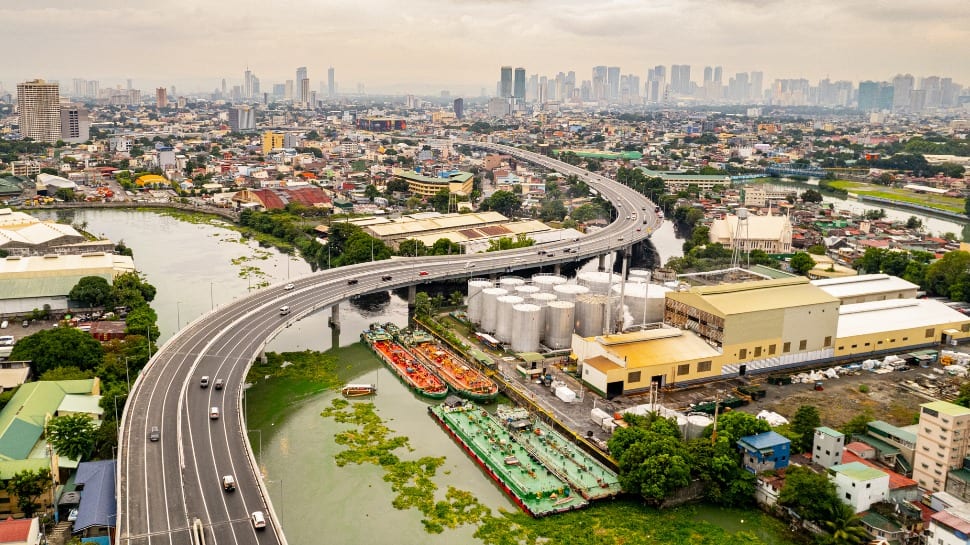
On his birthday week, San Miguel Corp Chairman and CEO Ramon S. Ang announced that the speed limit of select straight sections of the NAIA Expressway (NAIAx) and Skyway Stage 3 will be adjusted to 80 kilometers per hour (kph). Curved sections of both expressways, meanwhile, will maintain the maximum speed limit of 60 kph.
Adjustments at NAIAx and Skyway Stage 3
The adjustments took into account feedback from motorists who said the 60 kph speed limit was too slow.
"We have thoroughly evaluated the design and safety factors of these expressways,” Ang explained. “While the increase to 80 kph in straight sections offers faster travel times, maintaining a 60 kph limit on curves reflects our strong commitment to public safety.”
Prior to this announcement, Esquire Philippines asked Ang himself why the two expressway systems kept a speed limit of 60 kph. The tycoon said that different types of vehicles ply these two routes, from sports cars and SUVs to slow-moving commercial vehicles, with varying performances and vehicle conditions. The 60 kph speed limit, he said, minimizes the risk of a serious accident and puts all vehicles in a level playing field.
ALSO READ
Why it Matters that NAIA is Finally Opening the Main Arrival Curbside in Terminal 1
How Will Ramon Ang Handle Corrupt Government Officials in NAIA?
This makes sense as evidence-based international studies suggest that a speed limit of 60 kph on elevated highways and curved sections reduces the risk of accidents and optimizes fuel consumption. Among these are safety considerations based on research from the World Health Organization (WHO) underscoring how lower speed limits in areas with complex geometry, such as curved sections of elevated roadways, significantly reduce the likelihood of severe collisions. Elevated highways have unique design constraints, making conservative speed management crucial for driver safety.
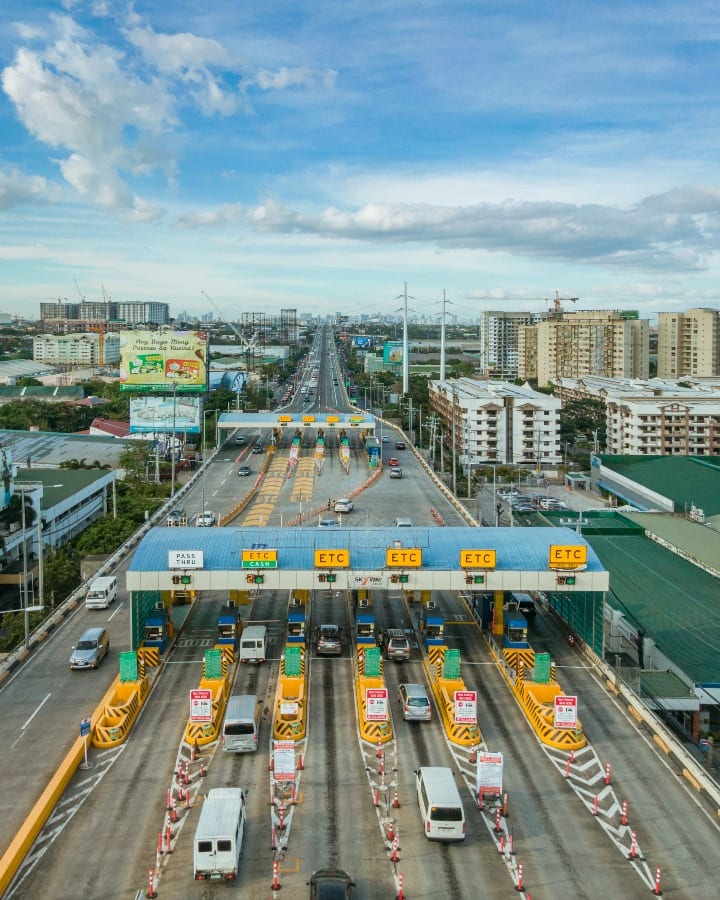
Meanwhile, a study published by the International Energy Agency (IEA), said that maintaining speeds of around 50 to 60 kph is ideal for fuel economy in most vehicles. At higher speeds, wind resistance and engine load increase, leading to less efficient fuel consumption.
Why the Skyway and NAIAx has many curved sections
According to Ang, right-of-way restrictions during construction necessitated sharper curves and tighter access ramps on certain sections of both NAIAx and Skyway Stage 3. “These design limitations make adherence to lower speed limits essential," he said. “Maintaining a 60 kph speed limit on curves is non-negotiable for avoiding accidents caused by oversteering or miscalculations.”
To ensure compliance with speed regulations, traffic patrollers equipped with radar speed guns will monitor motorists. All patrollers are deputized by the Land Transportation Office (LTO) and authorized to issue citations, confiscate licenses, and provide temporary operator's permits to violators.
“We appeal to all motorists to observe posted speed limits. Safety remains our top priority, and adhering to these limits benefits everyone," Ang added.
There have been several accidents in both expressways reportedly related to speeding that led the management of the SMC-owned and operated expressways to limit the speeding of motorists.
Along with speed limit adjustments, the company said it is in the process of reconfiguration of exit plazas on NAIAx to alleviate congestion and further improve travel times.
NAIAx is a critical link connecting the Skyway System to all terminals of NAIA and major destinations such as Entertainment City, Macapagal Boulevard, and Cavite. Meanwhile, the 18-km Skyway Stage 3 connects Balintawak, Quezon City, and NLEX to the Skyway System, provide vital alternative routes to Metro Manila.
