Will an Independent Transport Safety Body Help Solve the PH’s Transport Safety Crisis?

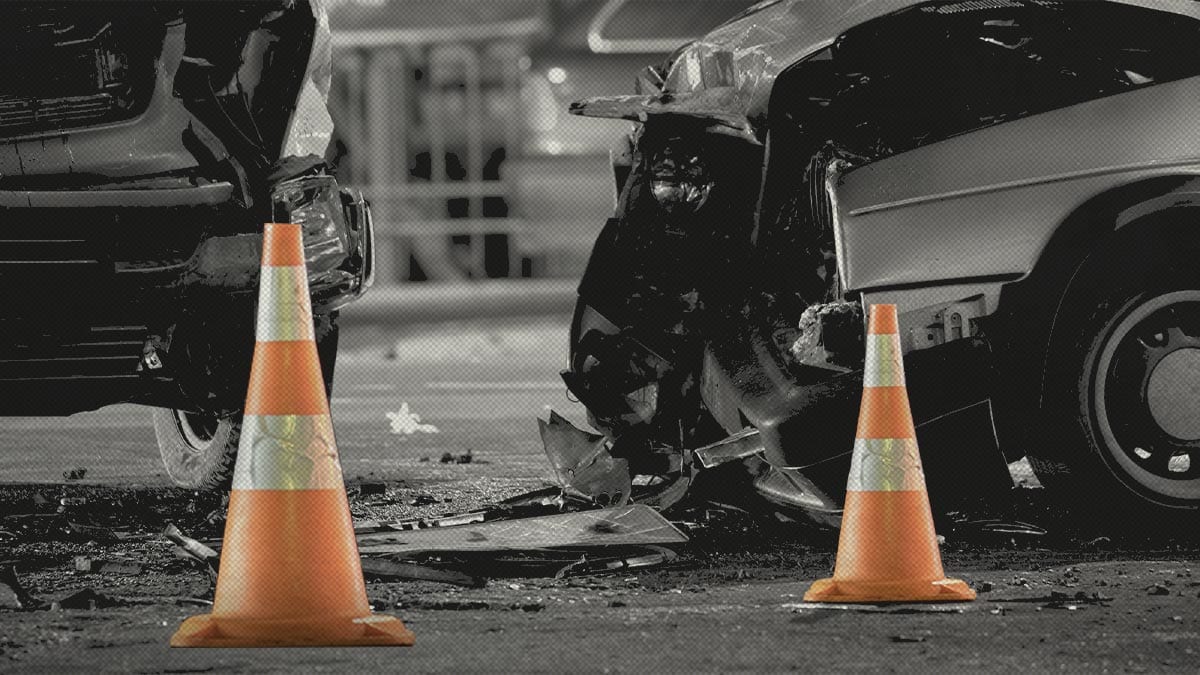
After high-profile reports of fatal road incidents in recent weeks and months, the Department of Transportation wants to establish an independent transportation safety board similar to the National Transportation Safety Board (NTSB) in the United States.
DOTr Secretary Vince Dizon said this transport safety body is needed, otherwise, the country runs the risk of cementing its reputation as unsafe for foreign carriers.
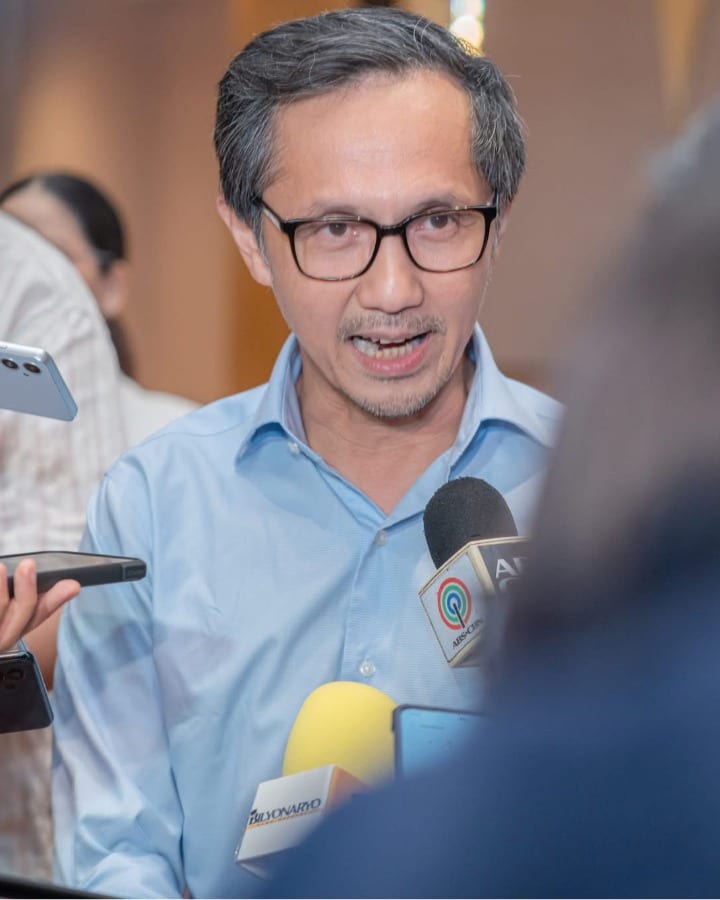
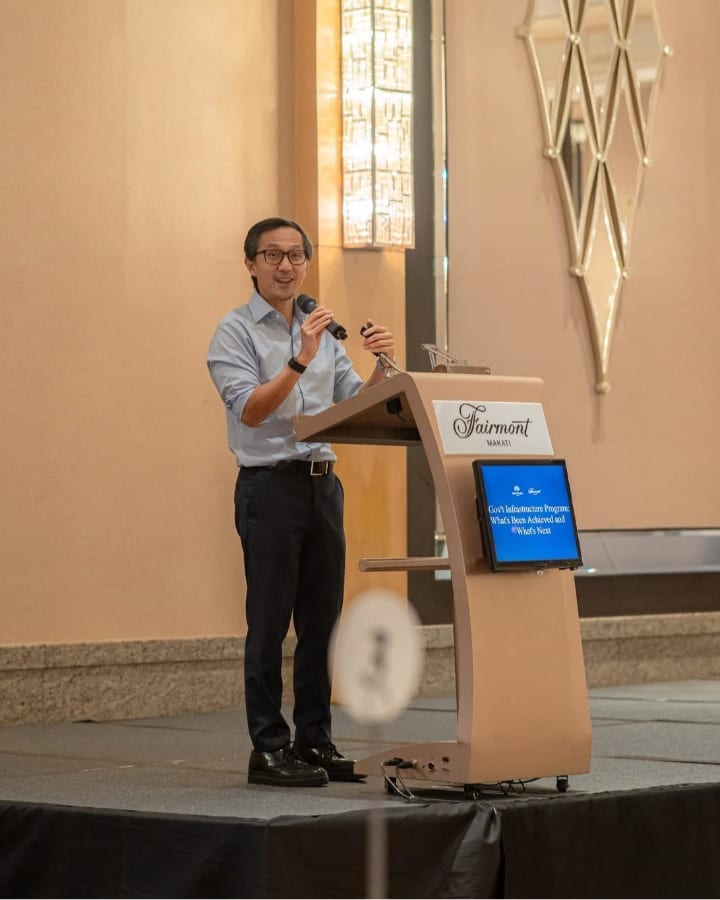
During the recent infrastructure forum of the Economic Journalists Association of the Philippines (EJAP), Dizon said the establishment of the PTSB will help the country pass its international safety audit, which was rescheduled to 2026.
ALSO READ
Can We Make Our Streets Safe Again?
Why New DOTr Secretary Vince Dizon Wants to Privatize More Transport Infrastructure
“There will be an ICAO (International Civil Aviation Organization) audit next year and the only thing we really need to ensure we breeze through that audit practically is the PTSB,” he said. “I don’t have to tell you about our problems with road safety, maritime safety, and air safety, so we really need that [PTSB]. In fact, I’ll be in Washington [this] week meeting with the NTSB, because we want to understand how the regulatory framework works.”
While there is currently no law mandating the formation of such a body, Dizon said the agency is pushing for an executive order to create the PTSB and will bring this up with President Bongbong Marcos himself.
“We’re cognizant that sometimes Congress takes time [in approving legislation], but we will push for that [a new bill],” he said.
However, President Marcos had earlier vetoed House Bill No. 9030/Senate Bill No. 1077, which would have established the PTSB, on the grounds it was too expensive and will just duplicate the functions of existing government agencies like the Civil Aviation Authority of the Philippines (CAAP).
In recent months, high-profile road incidents leading to the death and injuries of motorists, passengers and pedestrians have renewed serious conversations about the situation of the Philippines’ transport industry. These include a bus that figured in a multi-vehicle collision along SCTEX in Tarlac, followed by a black SUV that plowed through the railings and killed a man and four-yeard0old girl in NAIA just days later.
According to data, in 2024, there were 31,258 reported road crashes in the country. This is a 27.6 percent jump from the year before.
Dizon expressed optimism that the incoming set of lawmakers will propose and approve new legislation to form the PTSB and will do so before budget deliberations start.
The Transport Chief said he intends to present the proposed EO creating the PTSB to the President after his trip to Washington.
“We desperately need this, not just for air, but for sea and land as well,” he said. Aside from the NTSB, Dizon said he will also be meeting with officials from the US Federal Aviation Authority, and the Department of Defense—the latter “for possible assistance to the [Philippine Coast Guard].”
ICAO was scheduled to conduct a safety audit of the Philippines/CAAP in March but was postponed as an accommodation to Dizon’s predecessor, Jaime J. Bautista, after it was informed of the President’s veto of approved bill on PTSB.
ICAO is an agency under the United States that coordinates the implementation of policies for the safe development of the aviation industry across the globe. While it has no police function, ICAO’s member civil aviation authorities like the US Federal Aviation Authority (FAA), the European Union Safety Agency (EASA), etc., in a sense, do.
According to DOTr Undersecretary for Aviation and Airports Capt. Jim Sydiongco, who was CAAP chief under the Duterte administration, an independent safety board will help address about 10 protocol questions based on the requirements of Annex 13 on independence of investigation.
Annex 13 refers to a set of guidelines for investigating aircraft accidents and incidents whose goal is to prevent future accidents by generating safety data and information. Its key aspects include the Accident Data Report, a Preliminary Report, a Final Report, Safety recommendations, and Evidence protection.
“In Asia Pacific, less than 20 percent of civil aviation authorities are in compliance with this Annex 13 requirement,” Sydiongco said. “There will always be an element of doubt on the result of [our] investigation [if we don’t pass the audit].”
Countries can also be downgraded and even blacklisted for failing to implement regulations set by the ICAO, according to former Philippine Airlines president and aviation professor Avelino Zapanta.
“All records of aircraft accidents/incidents are reported to the ICAO, which then disseminates to all member countries so that airlines of all member countries may learn the lessons from these,” Zapanta said. “In the commercial aviation industry, there is a major conflict of interest in the area of aircraft accident investigation. By the law that created the CAAP, the task of aircraft-accident investigation is entrusted to the Aircraft Accident Investigation Board [AAIB]. The conflict lies in the fact that the CAAP may have to investigate itself in case of an aircraft accident.”