

What Exactly Is Fentanyl?

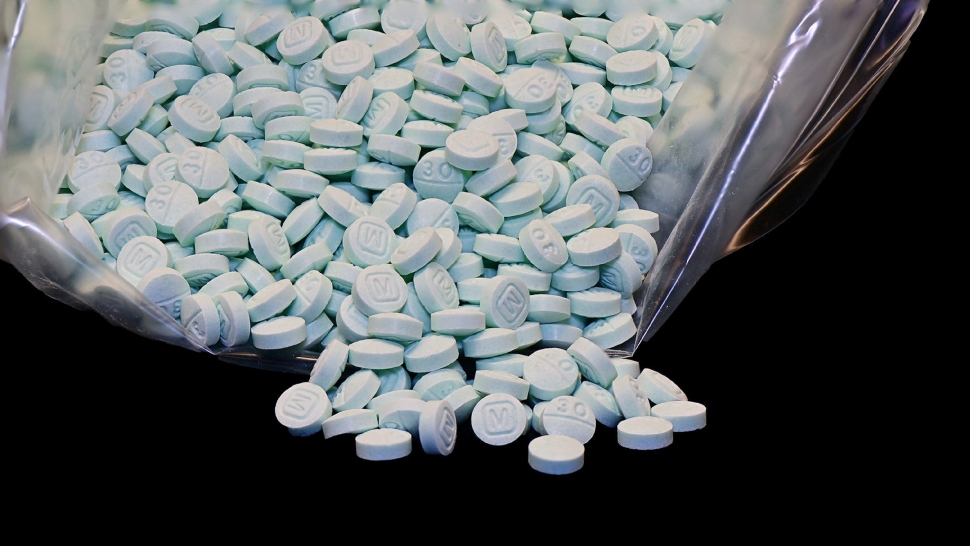
Fentanyl has been on everyone's minds today as the ongoing feud between former President Rodrigo Duterte and incumbent President Ferdinand Marcos Jr. has taken an unexpected turn. Marcos responded to Duterte's accusations with a striking claim that the former leader's use of fentanyl might have clouded his judgment.
Addressing reporters before heading to Vietnam, Marcos remarked, "I think it's the fentanyl," challenging Duterte's recent labeling of him as a "drug addict." This exchange comes on the heels of Duterte's accusations against Marcos, including his alleged inclusion in the 'narco-list' compiled by the drug agency.
The allegations aren't completely unfounded, as he admitted to using fentanyl back in 2016, attributing it to pain relief following a motorcycle accident. The role of fentanyl emerges as a central element in their clash. Here’s everything we know about fentanyl, from its characteristics, effects, and more.
What is Fentanyl?
Fentanyl is no lightweight painkiller—we're talking about a synthetic opioid that's been described as morphine on steroids, but way more potent. Doctors originally designed it to manage severe pain, especially for cancer patients or those going through major surgeries. The catch? It's about 50 to 100 times stronger than your average pain med.
It comes in different forms: patches, lozenges, and injectables. And while it does the job in a medical setting, and that same potency makes it a superhero for pain relief… it also makes it a bit of a villain when it comes to potential abuse and addiction.
What does Fentanyl do?
The primary job of fentanyl is to mess with your perception of pain. Sounds good when you're dealing with intense pain, but there's a catch. Fentanyl also cranks up the volume on pleasure sensations, giving you that euphoric feeling. And that's where things can get tricky.
The potency of fentanyl means it can induce a rapid and intense high, making it attractive to those seeking a quick thrill. But, that euphoria is short-lived as the effects wear off fast, leaving you wanting more.
Fentanyl can cause drowsiness, confusion, and nausea. Dependence and addiction to fentanyl can take a toll on your mental health. Anxiety, depression, and a constant craving for the next hit become part of it all.
