
Manila Trench May Contain Rich Natural Gas Sources, UP Scientists Say

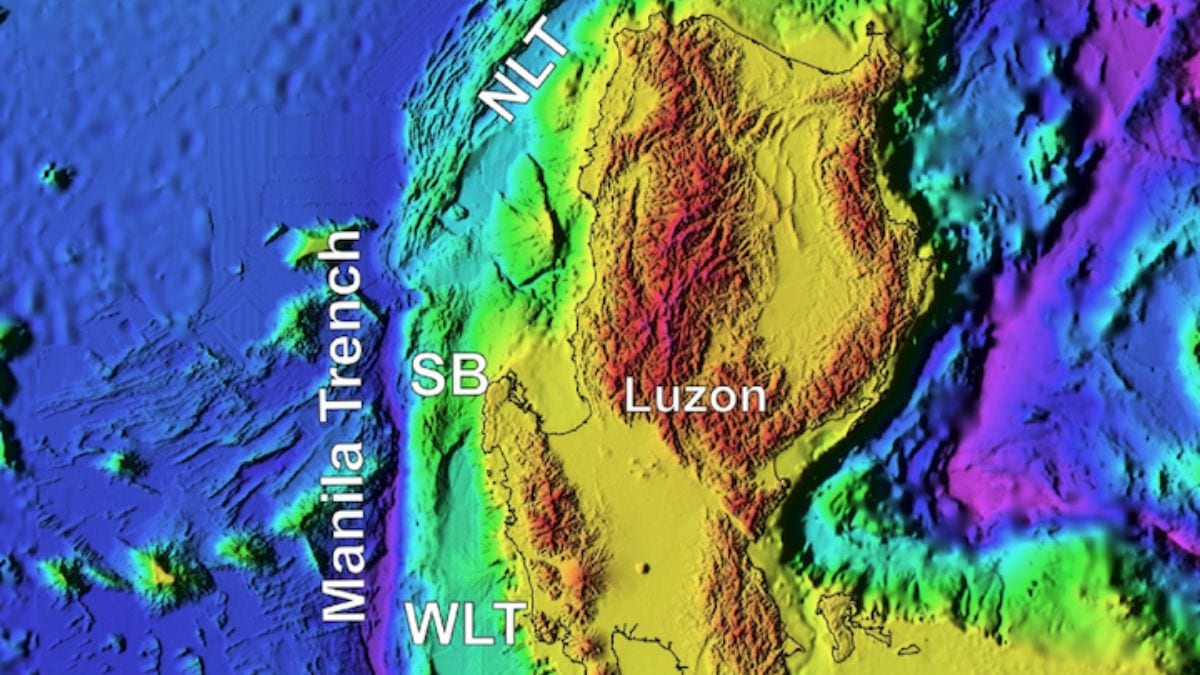
Geologists from the University of the Philippines may have found a source of natural gas in the Manila Trench, located some distance west of Luzon.
In a press statement posted recently on the UP Diliman College of Science web page, researchers Elisha Jane Maglalang, Dr. Leo Armada, Madeleine Santos, Karla May Sayen, and Dr. Carla Dimalanta of the UP College of Science National Institute of Geological Sciences (UPD-CS NIGS) said they found signs of gas hydrates within an area of 15,400 square kilometers in the said trench. Their work is considered pioneering as they were the first to study gas hydrates in the Philippines.
The researchers derived their findings from the mapping of bottom-simulating reflectors (BSRs) on the sea floor. According to Science Direct, BSRs are patterns of sound reflection that could indicate the presence of gas hydrates, identified through detailed analysis of recorded seismic data.
ALSO READ:
Aboitiz, MVP, Ramon Ang Come Together in P185-Billion Energy Project in Batangas
What are gas hydrates?
The US Geological Survey defines gas hydrates, also called clathrate hydrates, as crystalline solids made up of water and gas. They form when water mixes (but does not bond on the molecular level) with gases such as methane, carbon dioxide, and ethane. The mixture is exposed to below-zero-degree temperatures and high pressure underwater, leading to the substances being frozen and deposited below the ocean floor.
"Much like carbonated drinks are water infused with carbon dioxide, gas hydrates are ice mostly infused with methane, a natural gas used as fuel," the UP researchers said.
Gas hydrates are a double-edged sword, the scientists explain. First, the methane gas hidden beneath is a good energy source. A cubic-meter block of gas hydrate can contain as much as 160 cubic meters of methane in gas form, which is "equivalent to 14% of an average Filipino’s methane emission in 2021."
However, gas hydrates could also harm the environment. When the methane is released from the hydrate form, it may fly up to the atmosphere and increase temperatures, contributing to global warming.
Methane itself is flammable; a mistake in drilling or mining could lead to an explosion or underwater fire. The simple release of the gas from the ocean floor could also lead to a number of hazards, such as underwater landslides. Methane is also toxic in large amounts.
Earthquakes and energy wealth
Another significant issue of concern is that the Manila Trench is earthquake-prone. The trench itself has a maximum depth of 5,400 meters or 17,700 feet, and is thought to be part of a subduction zone, wherein one tectonic plate is pushed beneath another. This geological setting increases the likelihood of natural gas hydrate release, potentially leading to the environmental and geologic risks previously discussed.
The researchers advised that careful exploration be conducted in the area in order to establish the presence of the gas hydrates, which may be hidden some 200 to 500 meters below the trench floor, and determine whether these can be safely mined.
“These investigations offer a vital opportunity to develop our indigenous energy wealth,” they added. Meanwhile, the researchers are continuing their study of the ocean floor to discover more possible resources.
Currently, several companies are mining natural gas in a different form from the Malampaya field located northwest of Palawan. Natural gas is among many options being explored as alternatives to fossil fuels, which some fear may run out later on or may become too expensive to produce after it reaches the peak oil level.
The West Philippine Sea/South China Sea is also thought to house some 190 trillion cubic feet of natural gas and 11 billion barrels of oil, said the US Energy Information Agency. Some commentators believe this is one of the reasons for China’s aggressive actions in the area.
