Philippines' Tingi Culture Was Originally Plastic-Free

The Philippines is "sinking in sachets," according to the 2024 Regional Brand Audit Report by the global movement Break Free From Plastic. "Every day, a staggering 164 million plastic sachets are used and discarded," it continued, adding that it was just enough to bury the entire Metropolitan Manila area under a foot of plastic waste.
Philippines' Sachet-Dependent Economy
We know it all too well. People go to stores with a few coins, then come home with one or two sachets of shampoo, a small plastic of oil, or a small packet of detergent—just enough for the day. The sachets are, after all, a whole lot cheaper for a family that's dependent on daily income rather than budgeting long-term and being able to afford wholesale purchases. Eventually, these used sachets end up in the streets, landfills, drainage systems, and even rivers. While the tingi culture is completely understandable for a developing country like the Philippines, the sachet-dependent economy was not intrinsic and emerged only much later.
Old black-and-white photos showed that sari-sari stores used to sell products in small quantities in a sustainable manner, where people would buy their own reusable containers and get them refilled.
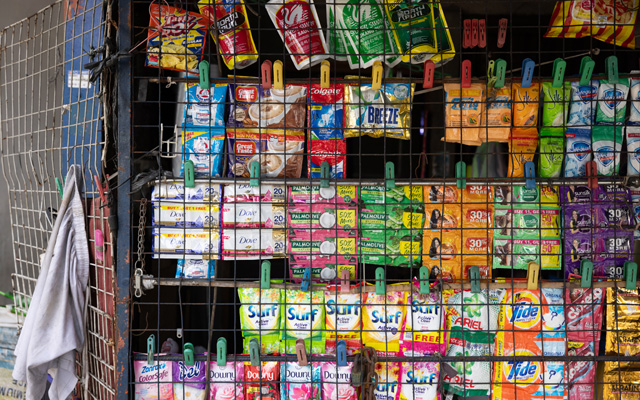
"[The] sachet-dependent economy began when corporations hijacked the once sustainable Filipino practice of tingi, or purchasing small quantities of products. In the tingi culture, consumers carry reusable containers to purchase their basic commodities. Businesses capitalized on this trend by creating a system of tiny plastic packaging under the pretense of convenience and ease of consumption. This strategy has led to substantial profits, resulting in the proliferation of consumer goods packaged in disposable, non-recyclable sachets," Break Free From Plastic continued in their report.
The small sachets constitute 52% of the plastic waste stream. "This contributes to various socio-environmental challenges, including blocked waterways, biodiversity loss, health risks, exacerbated social injustices, livelihood disruptions, and intensification of the climate crisis," the report added.
ALSO READ:
Filipinos Throw Out Over 163 Million Sachets and 93 Million Plastic Bags Each Day
Plastic Isn't the Only Problem, and Banning It Isn't the Solution
Greenpeace Philippines' 'Kuha sa Tingi' Expands in Metro Manila
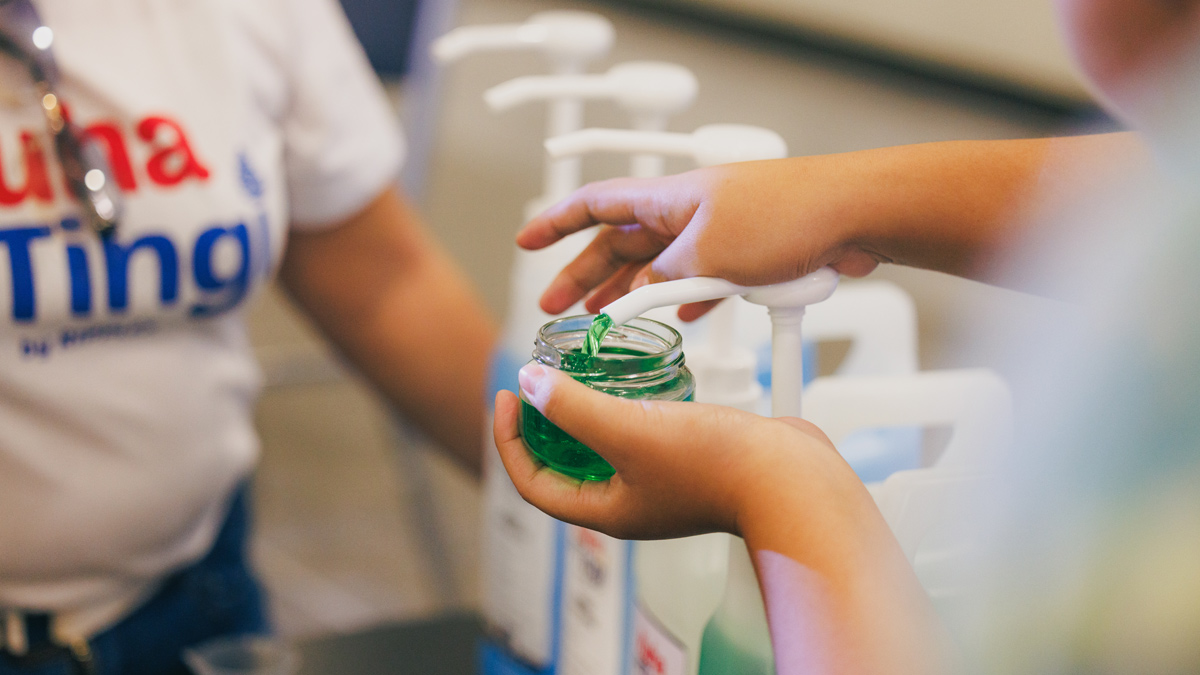
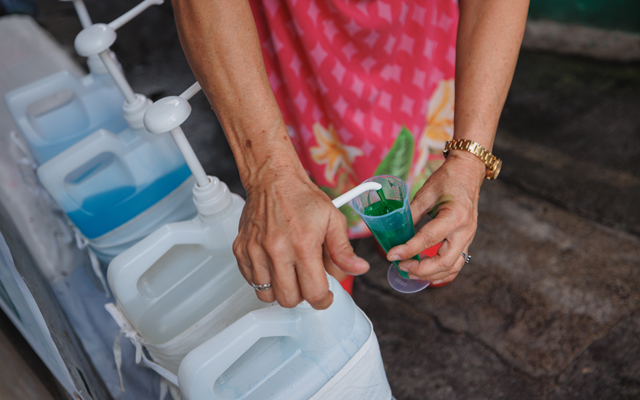
In an effort to tackle the plastic crisis while still being aware of urban dwellers' reality, Greenpeace Philippines and the Metro Manila Mayors' Spouses Foundation (MMMSF) are implementing the "Kuha sa Tingi" project. Starting in September, the initiative will install refilling dispensers in barangays and sari-sari stores across Metro Manila, demonstrating the impact of grassroots solutions in solving plastic pollution.
It is designed to replace sachets with real, sustainable alternatives by installing refill stations in sari-sari stores, where consumers can conveniently refill their own reusable containers. This system empowers consumers to make environmentally friendly choices without compromising on convenience or cost while also boosting local livelihoods.
Pilot runs of Kuha sa Tingi were previously launched in San Juan and Quezon City, where sari-sari store owners reported an increase in profits. Participating households also expressed seeing significant savings through the refill options over buying sachets.
"The expansion of Kuha sa Tingi across Metro Manila is a testament to the strength of community-driven solutions. When we shift to refill and reuse systems, we are not just cutting down on plastic waste—we are building a future where people and the planet thrive together," said Marian Ledesma, Zero Waste Campaigner at Greenpeace Philippines. "As the Global Plastics Treaty negotiations draw near, we hope that world leaders will take inspiration from these communities and prioritize a just transition to a reuse-based economy."
Keri Zamora, President of MMMSF, said: "By promoting reuse and refill, we are not only reducing plastic waste but also empowering our communities to embrace a culture of reuse and responsibility. This initiative reflects MMMSF's commitment to environmental stewardship and the well-being of our people. We are proud to be a partner for this project and we hope to set an example in making this vision of a plastic-free future a reality for Metro Manila."