
Today I Learned: Why Filipino Scientists Are Freezing Up 'Baby Corals'

Somewhere between the Pacific and Indian Oceans lies a roughly triangular area spanning 5.7 million square kilometers that is home to at least 500 species of reef-building corals. Considering the significant role of corals in the ecosystem, this area—aptly called the Coral Triangle—is recognized as a global center of marine biodiversity. And at the apex of that rough three-sided shape is the Philippine archipelago, sometimes dubbed as the center of the center of marine biodiversity because its Verde Island Passage has been identified as one of the sites with the highest marine biodiversity importance.
With the ongoing climate crisis posing a threat to coral biodiversity in the vulnerable marine ecosystems of the Philippines, Filipino scientists at the University of the Philippines - Marine Science Institute (UP-MSI) are establishing the country's first coral larvae cryobank facility to boost coral restoration. The location is the UP-MSI Bolinao Marine Laboratory in Pangasinan under the leadership of Dr. Maria Vanessa Baria-Rodriguez.
ALSO READ:
More Areas in the Philippines are Starting to Experience Coral Bleaching
The Philippines Is Easily One of the Best Countries For Snorkeling in the World
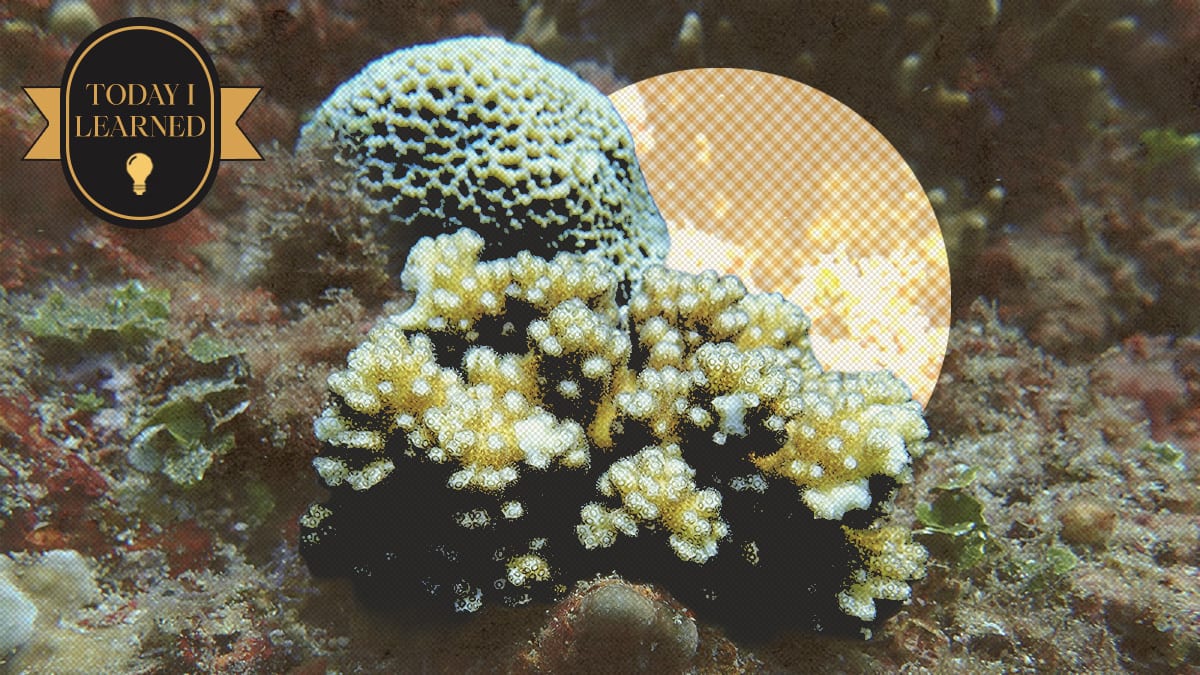
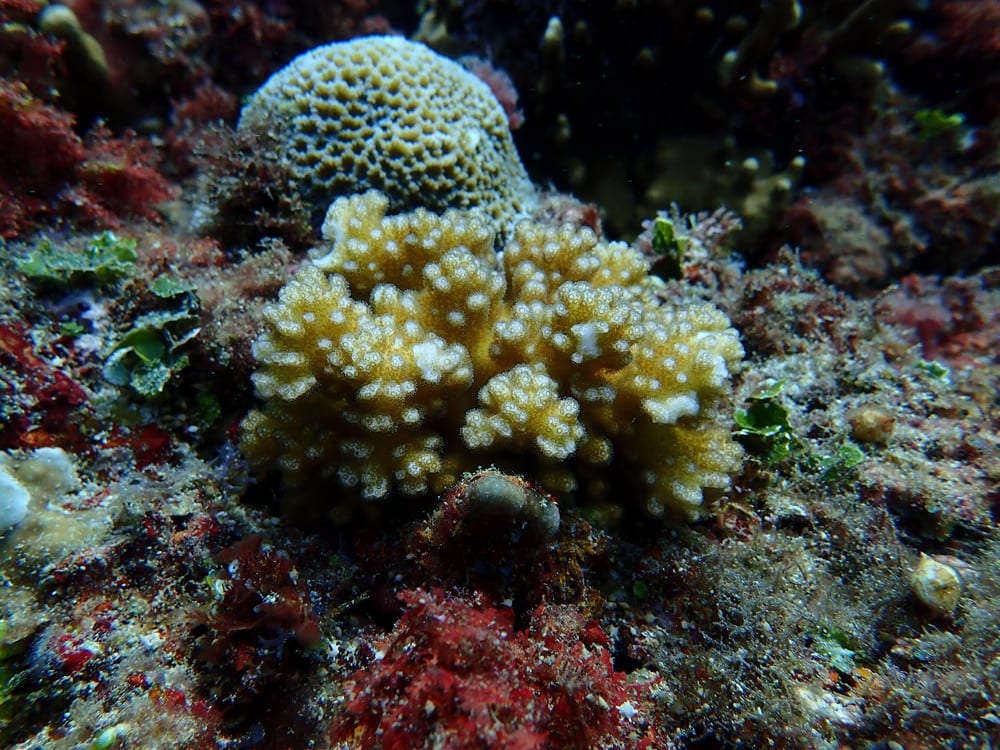
Pocillopora is one of the Pocilloporid corals targeted for larvae cryopreservation.
Why Corals Are Important
In science speak, corals are colonial marine invertebrates within the subphylum Anthozoa of the phylum Cnidaria. This just means that they are animals (and not plants), being part of the Animalia Kingdom. They also share the same phylum with jellyfish and sea anemones.
A coral "group," the same lump of corals we see when we go snorkeling, consists of genetically identical polyps. A polyp is a very small, sac-like animal, measuring only a few millimeters in diameter. It's too small to see, but each polyp has a set of tentacles around its mouth opening. Now, to get to the point when it's actually a coral colony, the polyp excretes an exoskeleton near the base, creating an irregular shape that can measure up to several meters. Colonies grow by either asexual reproduction of polyps or sexually through spawning. They thrive by getting the energy and nutrients from photosynthetic unicellular dinoflagellates that live within their tissues, which means that they need sunlight to live.
The ecological significance of coral reefs cannot be overstated. Coral reefs serve as nurseries and spawning grounds, supporting the life cycles of numerous aquatic species. The loss of these ecosystems would have a cascading effect on marine life, leading to a significant decline in fish populations and the collapse of marine food webs.
Coral reefs also play a critical role in coastal protection. They act as natural barriers against waves, storms, and floods, reducing the impact of these events on coastal communities. By absorbing wave energy, coral reefs help prevent erosion, property damage, and loss of life. This protective function is especially vital in regions prone to severe weather events, where the presence of healthy coral reefs can mean the difference between safety and disaster.
How Corals Die
Corals' lives are threatened by a process called coral bleaching. This is when the dinoflagellates—commonly the zooxanthellae that give the coral its color—are expelled by the coral, slowly killing itself in the process.
When the symbiotic algae are released by the coral, it also loses its color and turns white. Various stressors cause this, including changes in water temperature, light, salinity, or nutrients. These days, rising ocean temperatures due to the climate crisis are the leading factor of coral bleaching, resulting in a bleached (or white) coral that's not necessarily dead yet, but vulnerable to disease and starvation (remember: the dinoflagellates are food).
How Do We Save the Corals
Threats from climate change and human activity are continuously increasing, and—as some scientists say—we may be nearing the point of no return (if not yet, to put it bluntly).
UP-MSI's coral larvae cryobank facility is part of the first regional network of coral larval cryobanks in the Coral Triangle, enjoining research institutions from the Philippines, Taiwan, Indonesia, Malaysia, and Thailand in a big project called "Coral Conservation Capacity Development in the Coral Triangle: A Cryorepository Network for Coral Larvae." Dr. Chiahsin Lin of National Dong Hwa University and the National Museum of Marine Biology and Aquarium in Taiwan leads this regional project, with support from the Coral Research & Development Accelerator Platform through the Marine Environment and Resources Foundation, Inc.
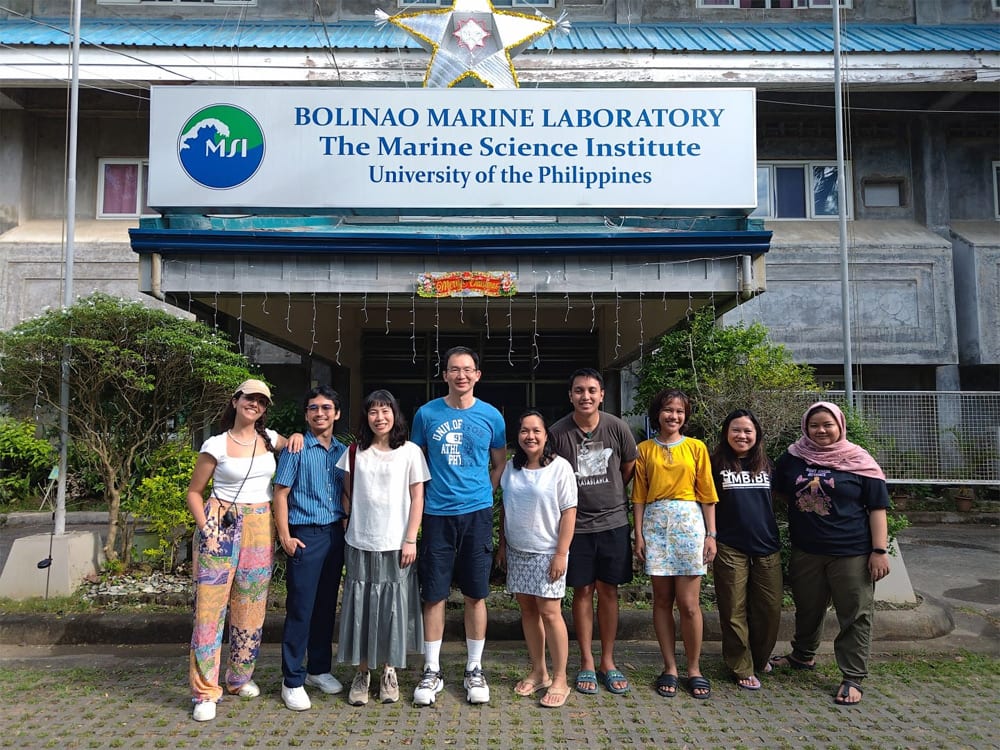
Dr. Maria Vanessa Baria-Rodriguez (center) poses with the coral cryobanking team who attended the training at Bolinao Marine Laboratory. From L-R: Federica Buttari, Symon Binay, Dr. Sujune Tsai, Dr. Chiahsin Lin, Dr. Maria Vanessa Baria-Rodriguez, Ryan Carl De Juan, Ethel Ruth Baquiran, Rhea Mae Luciano, and Nurfaida Salam Dumato from the IMBiBE Laboratory.
"It’s not just about preserving corals today, it’s about building a foundation for future research and reef restoration that can benefit generations to come," said Baria-Rodriguez, lead of the Philippine research team at the Interactions of Marine Bionts and Benthic Ecosystems Laboratory (IMBiBE). IMBiBe is a research laboratory at the UP-MSI that focuses on coral reefs, community ecology, coral biology, culture, and restoration. This is an especially important effort for the Philippines, which—again—is at the center of the center of marine biodiversity.
What Is Coral Cryopreservation
We may already be familiar with cryogenics and suspended animation, thanks to all those sci-fi films and shows, like Planet of the Apes (1968), a couple of episodes of Star Trek: Voyager, and Vanilla Sky (2001). Cryogenics involves the production and application of extreme cold, usually liquid nitrogen.
In the case of the coral cryogenics project, they are currently focused on pocilloporid corals, which are considered weedy species and among the first to colonize disturbed reefs. Their rapid growth and fast reproductive cycles make them valuable for accelerating reef recovery, giving them the best chances of multiplying. But, like all corals, they're sensitive to climate stress, posing a threat to their long-term survival. To hopefully preserve their species, pocilloporid coral larvae are collected from hatchery-monitored colonies and suspended in liquid nitrogen for long-term storage and future use in coral restoration.
The project also aims to adapt cryopreservation protocols for other coral species, aside from the pocilloporid corals, and further develop tools such as a fourth-generation laser-assisted warming device and cryojig system.
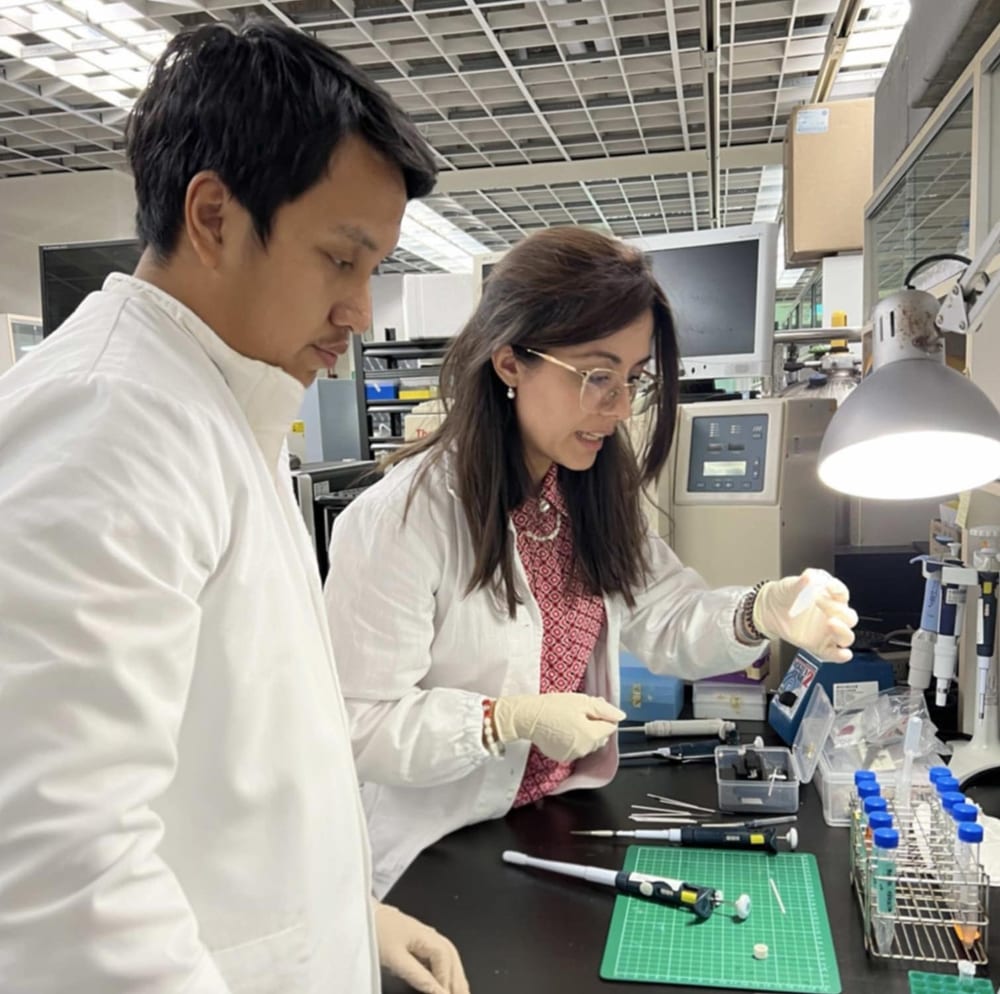
IMBiBE research assistant Ryan Carl De Juan and Federica Buttari performing vitrification and cryobanking procedures at the National Museum of Marine Biology and Aquarium Laboratory in Taiwan.
To make sure that researchers and research assistants at the IMBiBE laboratory are well-equipped in cryopreservation, Dr. Lin and his students led a capacity-building training at the UP-MSI Bolinao Marine Laboratory last December 1-4, 2024. Essential knowledge and hands-on experience in cryopreservation techniques like vitrification and cryobanking were taught. Another training was held at the National Museum of Marine Biology and Aquarium Laboratory in Taiwan in February 2025 to further enhance the technical skills of Dr. Lin's students and research assistants.
Following these trainings, Ryan Carl De Juan, one of the research assistants at the IMBiBE laboratory, has started collecting and monitoring brooding Pocilloporid colonies. Initial trials in vitrification and banking have so far resulted in the successful cryopreservation of early-stage coral larvae.
