
Is Your Vote Worth It? The Hard Truth About Politics and Elections

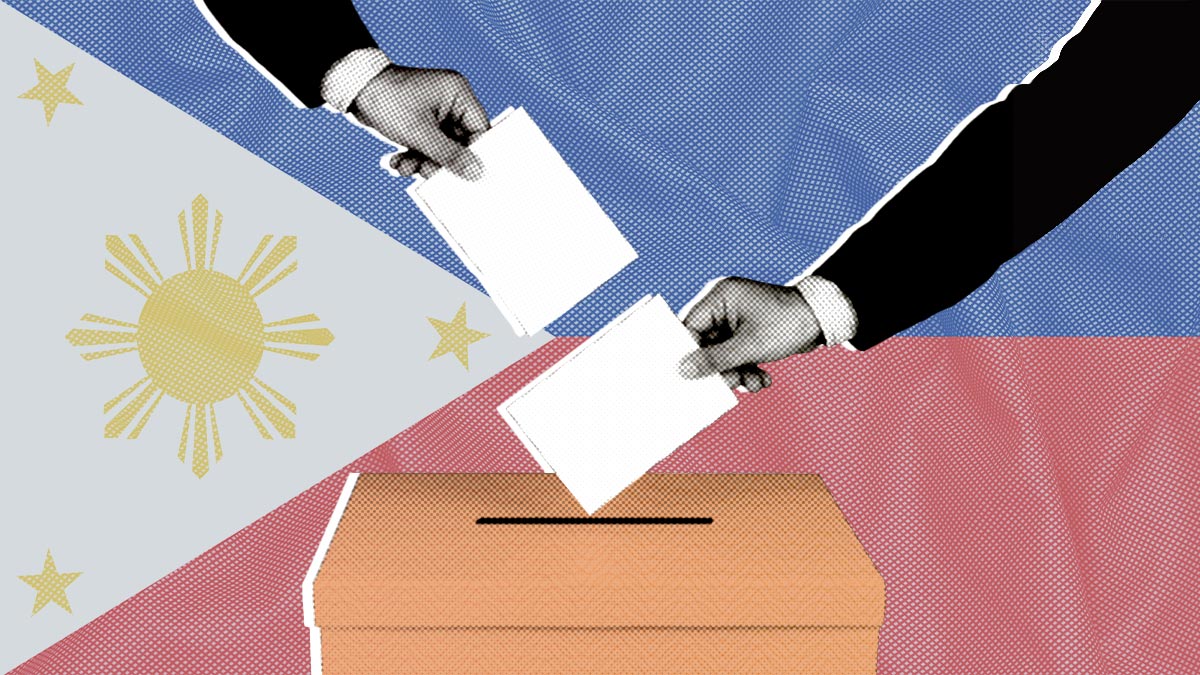
Should you vote? It depends on your agenda, whether it is collective or individual. If you view politics as a matter of pure principles, ideas, or convictions, be prepared to be slapped by the cold hand of reality. And to lose, time and time again.
Why so? At the end of the day, politics will always be force against force, or if one wants to define a group against the establishment, force versus violence. This can manifest in many ways, through the ballot, strikes, mobilizations, insurrections, and so forth.
But the goal shall and must be the same: to win. And, if fortunate enough, to conquer the state by any means necessary. In an age where there is only inertia, motion is required.
Thus, my wager: some will say that the purpose of any political action is to put out the flames. I digress. The world is on fire because there are reasons beyond our personal control. Instead, larger forces are at play here, and if one wants a bitter pill to swallow, those forces might even be necessary.
ALSO READ
2025 Midterm Elections: Vote-Rich Provinces and Cities in the Philippines
A Guide to Talking Politics with Family
To which I say, let the fire continue to grow and become an inferno. Anyone who does not fear the implosion of the current world order must see this as an opportunity. A reckoning has come, and the moment has arrived for it to be seized.
For change is not to be fully enacted based on our will. It is external and can be icy, relentless, and ruthless. And it is happening every day.
The question, therefore, of change is neither about changing yourself nor changing the world. Rather, it is a matter of harnessing, riding, or channeling its energy into something more productive, even if it will never be in our total control. We do not entirely establish our state of affairs, for we simply draw upon existing premises, which history, not as a lesson but as a legacy, will always show us. We labor with our wits and our ability to be for, against, or even around it.
For instance, the Suffragettes gained mass traction only after the triumph of the Bolsheviks in Russia as the first major country to make all of its citizens equal in obligations and duties. This movement was further fueled by the agony and mobilization borne out of WWI. While the Kerensky government did legalize women's suffrage, it was Lenin's party that fully enforced it across their dominion. Similarly, the widespread successes of LGBT rights initiatives have been secured in the context of a backlash against the neoconservatism of the Bush administration, which led to an economic fallout, wars that cannot be won, and above all, the fracturing of a bipartisan consensus that still reverberates to this day.
People like Trump and others labeled as populists are not aberrations. They mirror the fact that the current status quo is bankrupt. If one tries to overcome them, retreating to the lesser evil is not an option.
Even segments of the masses that we might despise understand this clearly. They desecrate the ballot box precisely because they possess more wisdom than those whose ideological pathologies force them to bicker endlessly with one another. The point is to develop strength, especially if one prides oneself on being revolutionary, rather than withdrawing into moralism.
In this epoch, morality serves more as a coping mechanism rather than as an impetus to improvise, adapt, and overcome. Resilience is merely a road to perdition. To be antifragile, or to thrive amidst disorder are currently the Kings and Queens of all strategy, tactics, logistics and maneuvers.
For politics is always an extension of war by other means. Without struggle, there is only stasis—either the struggle or the common ruin.
Tempus edax rerum—time devours all things.
About the Author: Allen Severino usually writes about current events with a historical or philosophical lens or topics that are considered obscure and marginal. He currently teaches at a university, handling courses like Geopolitics, where he emphasizes the value of sobriety over empathy, and views change as a force that continues to happen every day, with or without our approval.
