

The '90s Style Moments That Changed Menswear for Good
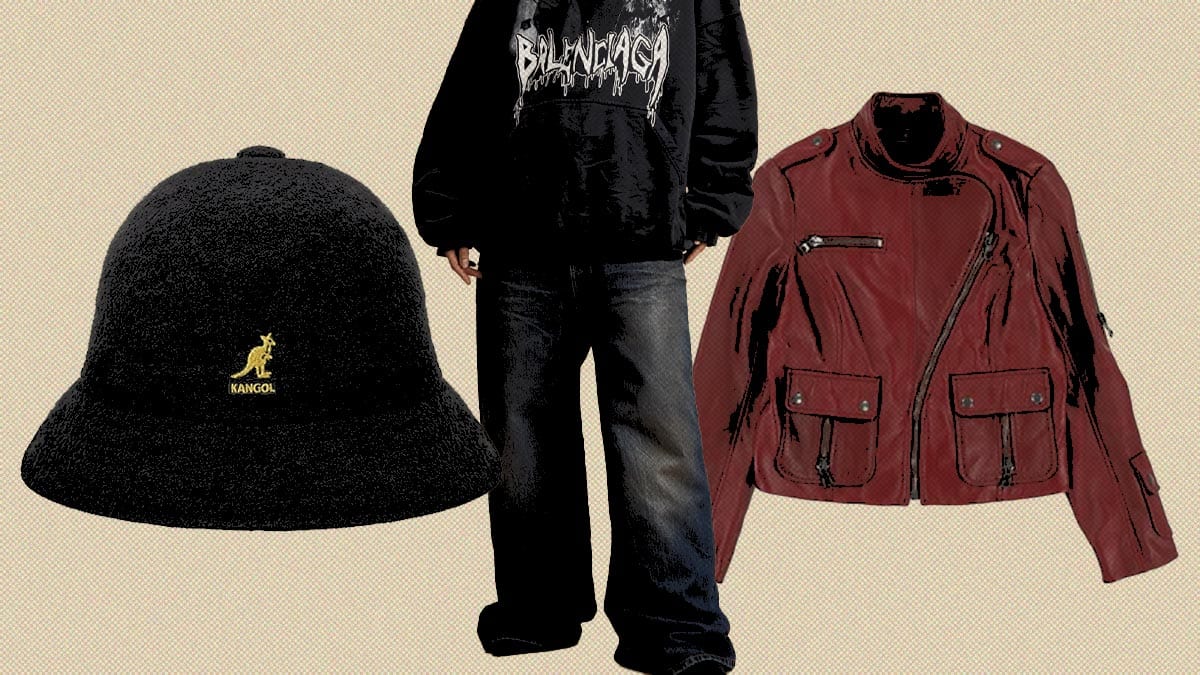
When you think about the 1990s, there’s a good chance a few visuals come to mind: oversized denim, graphic tees, maybe a flannel shirt tied around the waist. But the '90s were more than just a stylistic phase. They marked a turning point in how men approached fashion. Gone were the heavily styled, sharply tailored looks of the '80s. In their place came something more relaxed, more personal, and more expressive.
Men's wear of the '90s didn’t just reflect the trends of the time. They helped shape the blueprint for modern menswear. Whether it was grunge layering, minimalist tailoring, or hip-hop streetwear, the decade’s fashion influences are still alive and thriving today.
ALSO READ:
The 8 Most Iconic Men's Fragrances of the '90s
Let’s take a look back at the style moments that didn’t just define the '90s but also changed menswear for good:
1| Baggy jeans and Oversized Everything
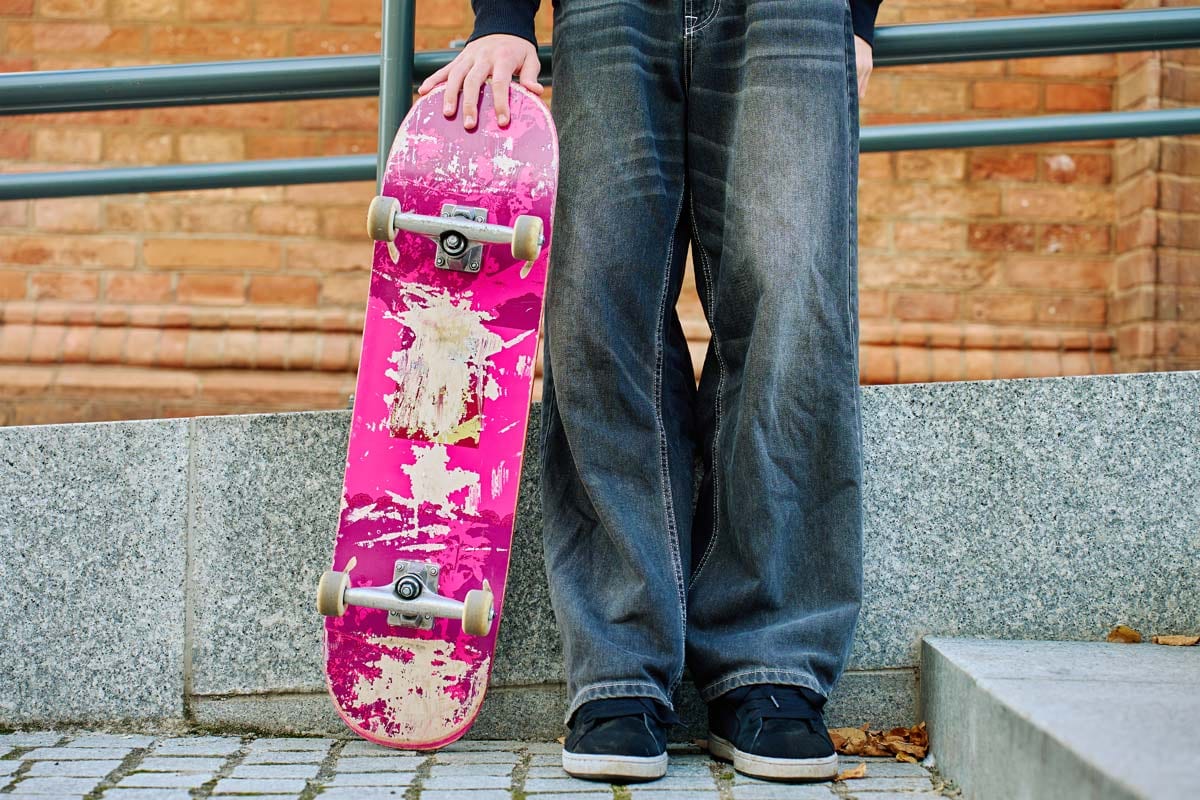
If there’s one look that truly captures the essence of '90s men’s fashion, it’s the baggy jean. Loose, slouchy denim made its way from the skate parks to the mainstream, championed by rappers, rockers, and rebellious teenagers everywhere. Comfort became king. The tighter silhouettes of the '80s suddenly felt too stiff, too formal.
Brands like JNCO and FUBU capitalized on this trend, but it was really the artists—think Tupac, Biggie, and A Tribe Called Quest—who set the tone. Oversized jeans, flannel shirts, and Timberlands created a relaxed but confident vibe that still influences the streetwear scene today.
Modern labels like Fear of God and Balenciaga owe more than a little to this moment in time, reinterpreting the wide-leg silhouette for a new generation. And those baggy jeans you shoved to the back of your closet? They’re back.
2| Grunge: The Anti-Fashion Statement That Became Fashion
Grunge didn’t try to be stylish, and that’s exactly why it became a style. Born in the rainy streets of Seattle and fueled by the angst of bands like Nirvana and Pearl Jam, grunge gave men permission to stop trying so hard. Worn-out flannels, thrifted jeans, combat boots. It was all about looking like you didn’t care, even if you kind of did.
Kurt Cobain, often in a cardigan and disheveled jeans, embodied this spirit. Suddenly, looking unpolished was in. Even high fashion caught on. Designers like Marc Jacobs shocked critics by putting plaid shirts and beanies on the runway, helping blur the lines between underground and elite. This element was key in the '90s outfits men patronized.
The grunge look has morphed and evolved, but the core idea remains: authenticity over perfection. In today’s world of curated Instagram feeds, that idea feels surprisingly fresh.
3| Hip-Hop Culture Goes Global
It’s hard to overstate the influence of '90s hip-hop on menswear. Artists weren’t just changing music; they were rewriting the rules of fashion. Gold chains, bucket hats, track suits, and bold logos weren’t just about looking good but about owning your identity.
From LL Cool J’s Kangol hats to the Polo-obsessed crew known as the Lo-Lifes, hip-hop stars brought their unique blend of luxury and street to the forefront. Brands like Tommy Hilfiger and Ralph Lauren suddenly found themselves worn by artists and fans alike, sparking a fusion between prep and street that still drives trends today.
The ripple effects are everywhere in the 200s—from Virgil Abloh’s work at Louis Vuitton before he passed to current-day collabs between rappers and luxury houses. For anyone tracking the evolution of 90s outfits men wore, this cultural exchange is one of the most enduring legacies.
4| Sportswear Becomes Streetwear
Athletes didn’t just dominate the courts and fields: they began taking over closets. The '90s saw the rise of sports-inspired everyday fashion, and no one led that charge better than Michael Jordan. His Air Jordan line didn’t just set sneaker culture on fire, but also turned basketball shoes into fashion staples.
But it wasn’t just Jordan. Allen Iverson’s tattoos, cornrows, and unapologetic attitude helped usher in a new era of swagger. Tennis icon Andre Agassi brought neon and spandex to center court. Suddenly, sportswear wasn’t confined to the gym. It was fashion.
Today’s obsession with sneakers, tracksuits, and logo-heavy athletic gear can trace its roots straight back to this era. The concept of "athleisure?" That seed was planted long before the word even existed.
5| Minimalism Finds a Voice
While oversized silhouettes and loud logos were making waves, another quieter trend was also taking hold: minimalism. Designers like Calvin Klein, Helmut Lang, and Jil Sander began stripping things down, focusing on clean lines, neutral colors, and subtle tailoring.
It was sleek. It was polished. And it offered a sense of modern masculinity that felt fresh at the time. Actors like Ethan Hawke were often seen in monochrome looks, turtlenecks, and unfussy jackets that still look sharp today.
That minimalist aesthetic has found a new home in brands like Uniqlo and The Row, proving that sometimes less really is more, proving that '90s outfits men preferred have traversed decades.
6| TV Icons Turn Into Style Blueprints
Television played an unexpectedly big role in defining '90s outfits that men looked up to. Will Smith in The Fresh Prince of Bel-Air made color blocking, high-top sneakers, and inside-out jackets look like must-haves. Over on Friends, Joey and Chandler made flannels, denim, and layered tees feel like everyday essentials.
The beauty of TV style was that it felt accessible. You didn’t have to be rich or famous to dress like your favorite character. You just had to get creative at the mall (or your nearest thrift store).
Today’s wave of '90s nostalgia in fashion owes a lot to these small-screen style icons. Their influence lives on in reissued pieces and capsule collections inspired by your favorite sitcoms.
7| The Leather Jacket Makes a Quiet Comeback
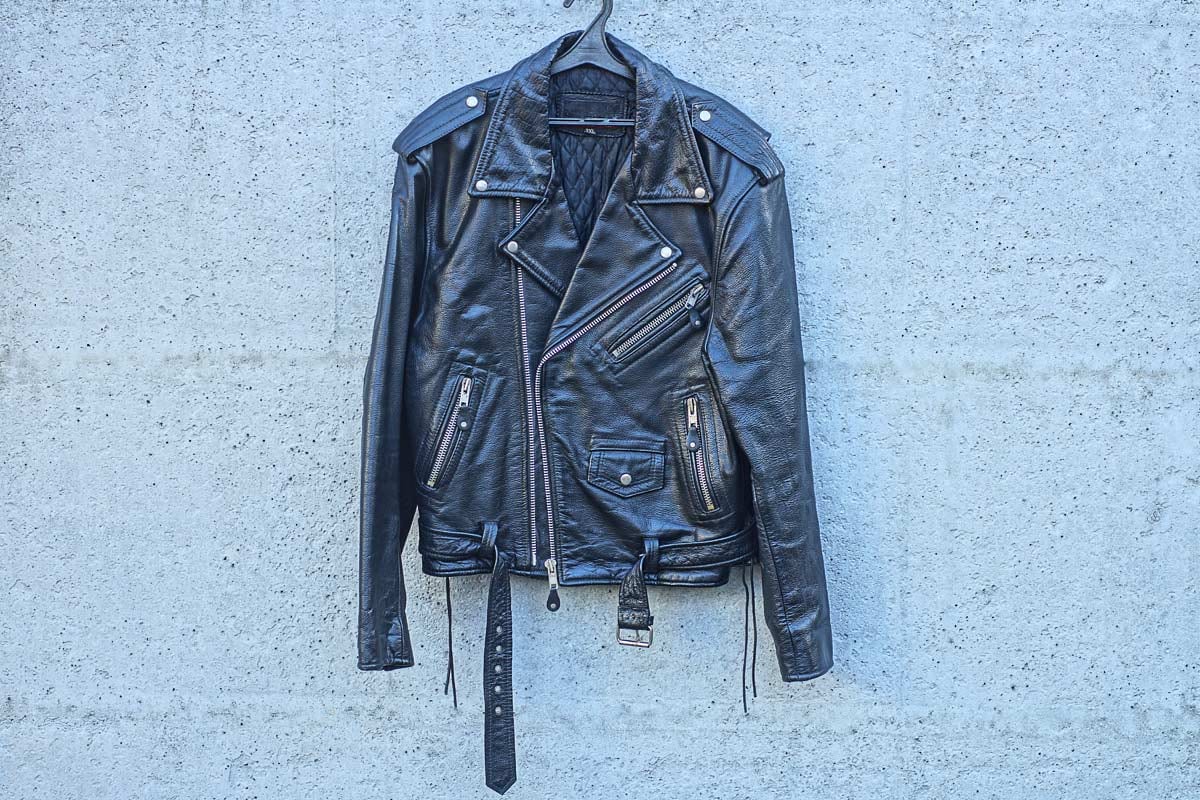
The leather jacket is timeless, but the '90s gave it a more relaxed, lived-in vibe. Gone was the biker bravado of the '80s. In came the offbeat cool of Brad Pitt in Fight Club.
Often paired with faded jeans or basic tees, these jackets didn’t need to be loud to make a statement. They just needed to look like they’d been worn in, not just worn out.
If you look around today, that same energy is back in vintage-inspired cuts, distressed finishes, and subtle tailoring, which are being embraced once again by everyone from indie labels to luxury brands.
8| Cargo Pants and the Utility Look
Functional fashion hit its stride in the late '90s, and cargo pants were at the center of it. With their roomy pockets and military-inspired design, cargos gave men a reason to prioritize utility without sacrificing style.
Skaters, boy bands, and even tech workers got behind the trend. Often paired with graphic tees or hoodies, the look was both casual and ready for action.
Fast-forward to today, and cargo pants are once again a wardrobe essential; this time, they’re updated with tapered fits, better fabrics, and just enough nostalgia to feel fresh.
9| Suits Start to Chill Out
Suits in the '90s took a big step away from the power-dressing era of the '80s. Designers loosened things up—literally. The tailoring became more relaxed, the cuts more comfortable, and the styling more playful.
Think Keanu Reeves in a dark suit over a white tee, or the casual suiting of Richard Gere in Pretty Woman. These weren’t boardroom-only looks anymore. The suit became something you could wear to dinner, on a date, or even to a concert, part of the popular '90s outfits men liked.
That blend of smart and casual lives on in today’s menswear, where suiting is less about tradition and more about personal style.
10| Denim Rules Everything
Denim has never really gone out of style, but the '90s gave it a new level of dominance. Whether it was a distressed jacket, a pair of stonewashed jeans, or even the infamous Canadian tuxedo ala Justin Timberlake, denim was everywhere.
Levi’s and Wrangler were household names, and acid-washed denim made a strong statement. Men wore jeans with everything—graphic tees, flannels, sneakers, or leather boots. It was versatile and cool without trying too hard.
Today, denim is just as essential, with brands revisiting vintage fits and faded washes that pay homage to the golden age of 90s men’s style.
More than just trends, the styles of the 1990s reflected cultural shifts—toward self-expression, comfort, and identity. It was the decade when fashion became more democratic, influenced not just by runways, but by music, film, and the street.
And that’s why we’re still seeing these trends re-emerge. Whether it’s Gen Z rediscovering the charm of a thrifted flannel, or designers dropping collections that nod to the era’s swagger, it’s clear: the '90s never really left.
The next time you pull on a pair of baggy jeans, lace up some retro sneakers, or throw on a bomber jacket, you’re not just making a fashion statement. You’re channeling a moment in time that forever changed how men dress—and how they express who they are.
